Warehouse Automation US 2026: Achieving 20% ROI with Robotics in 18 Months
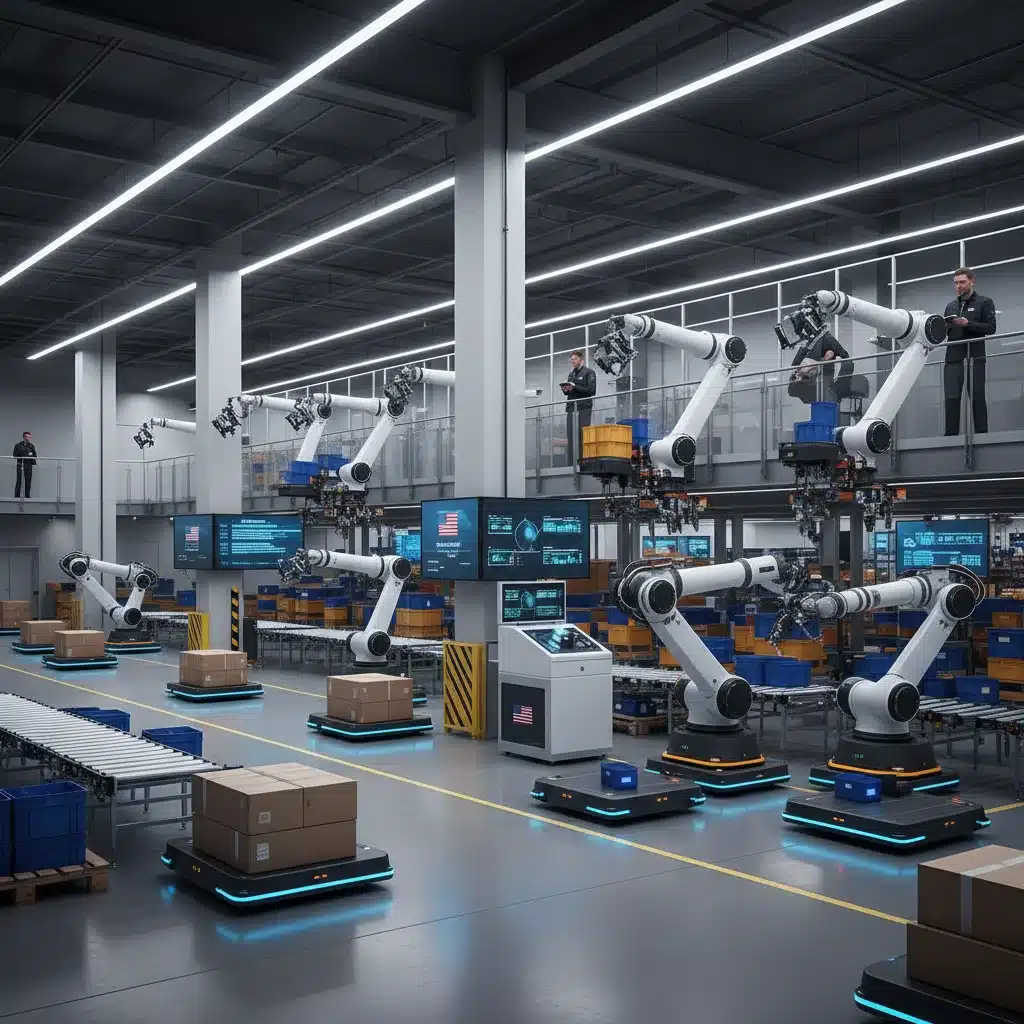
In the dynamic landscape of modern commerce, particularly within the United States, the pressure on supply chains has never been more intense. E-commerce growth, fluctuating consumer demands, and labor shortages are compelling businesses to rethink their operational strategies. The solution increasingly lies in advanced technology: warehouse automation US. As we approach 2026, the promise of a 20% Return on Investment (ROI) within 18 months through strategic robotics implementation is not just a lofty goal but a tangible reality for forward-thinking companies. This comprehensive guide will delve into the critical aspects of selecting and deploying robotics to achieve such ambitious targets, ensuring your operations are not just keeping pace, but truly leading the pack.
The concept of warehouse automation has evolved dramatically. What once was the domain of large, fixed conveyor systems and basic mechanization has transformed into a sophisticated ecosystem of Artificial Intelligence (AI), Machine Learning (ML), and highly intelligent robotic solutions. These technologies are not merely replacing manual labor; they are enhancing accuracy, speed, scalability, and overall operational intelligence. For businesses operating in the US, understanding this evolution and strategically integrating these innovations is paramount to maintaining a competitive edge and realizing significant financial returns.
The decision to invest in warehouse automation is substantial, requiring careful planning, a thorough understanding of available technologies, and a clear vision for integration. This article aims to provide a roadmap for businesses looking to navigate this complex terrain, offering insights into the types of robotics available, the crucial factors for selection, the implementation process, and how to rigorously measure and achieve that coveted 20% ROI within an 18-month timeframe. By focusing on practical strategies and real-world considerations, we aim to empower decision-makers to make informed choices that will redefine their warehouse operations for years to come.
The Imperative for Warehouse Automation in the US Market
The US market presents a unique set of challenges and opportunities for warehouse operations. The sheer scale of consumer demand, particularly fueled by the e-commerce boom, places immense pressure on fulfillment centers. Customers expect faster delivery, greater accuracy, and transparent tracking, all while businesses grapple with rising labor costs and a shrinking pool of available workers. These factors collectively underscore the imperative for robust warehouse automation US strategies.
One of the primary drivers is labor scarcity. Unemployment rates in many regions are low, making it difficult to recruit and retain skilled warehouse personnel. This directly impacts operational efficiency, increases overtime costs, and can lead to higher error rates. Robotics and automation can fill these gaps, performing repetitive, strenuous, or hazardous tasks, thereby freeing human workers to focus on more complex, value-added activities. This not only improves productivity but also enhances employee satisfaction and safety.
Another significant factor is the escalating cost of real estate. Optimizing space utilization within existing warehouses is crucial. Advanced automation systems, such as automated storage and retrieval systems (AS/RS) and goods-to-person robotics, can significantly increase storage density and throughput in the same footprint, delaying or even eliminating the need for costly expansions. This is a critical consideration for businesses operating in high-cost urban centers across the US.
Furthermore, the demand for speed and accuracy in order fulfillment is non-negotiable. E-commerce giants have set a high bar, and consumers now expect same-day or next-day delivery as standard. Manual processes simply cannot keep up with this pace without a substantial increase in labor, which, as discussed, is often not feasible. Automated systems, with their consistent performance and precision, can drastically reduce pick times, minimize errors, and improve order accuracy, directly impacting customer satisfaction and loyalty. The benefits extend beyond the warehouse floor, positively influencing the entire supply chain and ultimately, the bottom line.
Understanding the Robotics Landscape: Key Technologies for US Warehouses
The world of warehouse robotics is diverse and rapidly evolving. For businesses in the US aiming for a 20% ROI, selecting the right technologies is crucial. Here’s an overview of key robotic solutions:
Autonomous Mobile Robots (AMRs)
AMRs are perhaps the most versatile and rapidly adopted robotic solution. Unlike their predecessors, Automated Guided Vehicles (AGVs), AMRs navigate autonomously using onboard sensors, cameras, and sophisticated software that maps the warehouse environment. They can dynamically reroute to avoid obstacles, making them highly flexible and adaptable to changing layouts and workflows. AMRs excel at transporting goods, supporting goods-to-person picking, and replenishing inventory. Their ease of deployment and scalability make them an attractive option for many US warehouses looking to enhance efficiency without extensive infrastructure changes.
Automated Storage and Retrieval Systems (AS/RS)
AS/RS are highly efficient systems designed for high-density storage and rapid retrieval of inventory. These systems typically consist of racks, storage and retrieval machines (SRMs), and a control system. They can handle various unit loads, from pallets to individual cartons or totes. AS/RS significantly reduce the footprint required for storage, improve inventory accuracy, and accelerate throughput. While requiring a more substantial initial investment and infrastructure modification, the long-term benefits in space optimization and operational speed are considerable for warehouses with high SKU counts and volume.
Robotic Picking Systems (RPS)
Robotic picking systems, often referred to as ‘piece-picking robots,’ are designed to automate the most labor-intensive task in many warehouses: individual item picking. These robots utilize advanced vision systems, AI-powered grippers, and machine learning to identify, grasp, and place a wide variety of products. They can work independently or collaboratively with human pickers. RPS are becoming increasingly sophisticated, able to handle irregular shapes and delicate items, making them invaluable for e-commerce fulfillment and operations requiring high precision and speed. The reduction in mispicks and increased throughput directly contribute to ROI.
Collaborative Robots (Cobots)
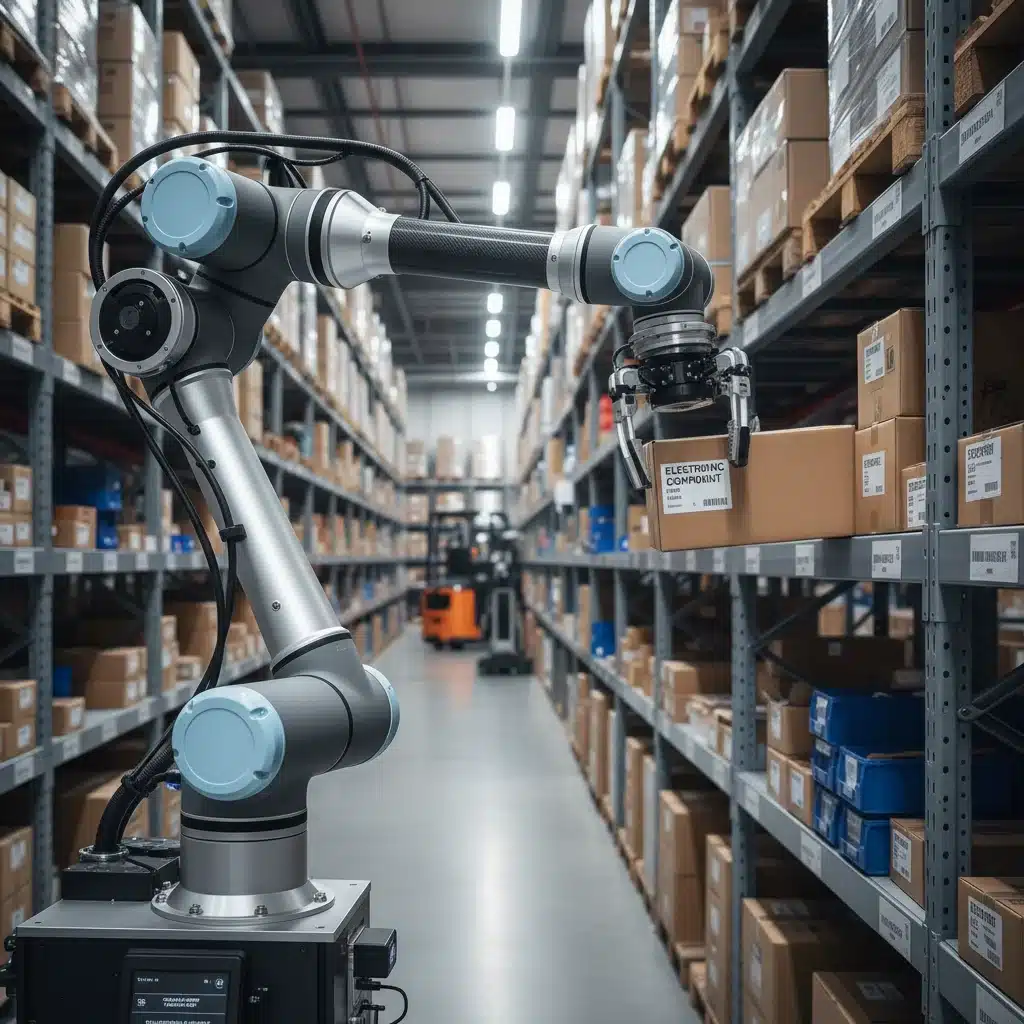
Cobots are designed to work safely alongside human employees without the need for extensive safety caging. They are typically smaller, more flexible, and easier to program than traditional industrial robots. In a warehouse setting, cobots can assist with tasks like packaging, assembly, quality control, and even some picking operations. Their ability to collaborate with humans enhances overall productivity and allows for a more flexible division of labor, making them a good entry point for businesses exploring automation with a focus on human-robot interaction.
Automated Guided Vehicles (AGVs)
While AMRs offer more flexibility, AGVs still play a crucial role in many warehouses. AGVs follow predefined paths, usually marked by wires, magnetic strips, or sensors. They are ideal for repetitive, predictable transport tasks, such as moving pallets from receiving to storage or from storage to shipping. AGVs are robust, reliable, and cost-effective for high-volume, consistent material flow requirements, making them a foundational component of many warehouse automation US systems.
Drones for Inventory Management
Though not traditional ‘robotics’ in the sense of material handling, drones are emerging as a powerful tool for inventory management in large warehouses. Equipped with cameras and RFID readers, drones can rapidly scan inventory, conduct cycle counts, and identify misplaced items with minimal human intervention. This significantly reduces the time and labor associated with manual inventory checks, improving accuracy and providing real-time data for better decision-making.
Each of these technologies offers distinct advantages. The key to achieving a 20% ROI lies in understanding your specific operational bottlenecks, workflow requirements, and business goals, and then strategically deploying the combination of robotics that best addresses these needs. A holistic approach, rather than isolated implementations, will yield the most significant returns.
Strategic Selection: Choosing the Right Robotics for Your Warehouse
Achieving a 20% ROI in 18 months through warehouse automation is heavily dependent on making the right technology choices. It’s not about adopting the latest gadget, but about selecting solutions that directly address your operational inefficiencies and align with your long-term business objectives. Here’s a structured approach to strategic selection:
1. Comprehensive Operational Assessment
Before even looking at robotic solutions, conduct a thorough audit of your current warehouse operations. Identify key bottlenecks, analyze labor utilization, track error rates, and measure throughput at every stage (receiving, putaway, storage, picking, packing, shipping). Understand your order profiles, SKU velocity, and inventory characteristics. Data is king here; the more granular your understanding of current performance, the better you can pinpoint areas where automation will have the most impact. This assessment should also include future growth projections and changes in product mix or order volumes.
2. Define Clear Objectives and KPIs
What do you want automation to achieve? Is it primarily about reducing labor costs, increasing throughput, improving accuracy, optimizing space, or enhancing worker safety? Quantify these objectives. For instance, instead of ‘improve picking speed,’ aim for ‘reduce picking time by 30%.’ Establish clear Key Performance Indicators (KPIs) that directly relate to your 20% ROI target. These might include cost per pick, order cycle time, inventory accuracy, or labor utilization rates. Having well-defined objectives will guide your technology selection and provide a benchmark for measuring success.
3. Evaluate Scalability and Flexibility
The US market is dynamic, and your warehouse operations must be able to adapt. Choose robotic solutions that offer scalability – can you easily add more robots as your business grows? – and flexibility – can they adapt to changes in product lines, order profiles, or warehouse layouts? Systems that require extensive fixed infrastructure might offer high throughput but can be costly to reconfigure. AMRs, for example, offer inherent flexibility, while AS/RS might be suitable for operations with more stable storage requirements. Consider both your immediate needs and your five-year growth plan.
4. Integration Capabilities
Modern warehouses are complex ecosystems. Any new robotic solution must seamlessly integrate with your existing Warehouse Management System (WMS), Enterprise Resource Planning (ERP), and other critical software. Poor integration can negate the benefits of automation, leading to data silos and operational disruptions. Prioritize vendors who offer robust APIs, proven integration track records, and comprehensive support to ensure a smooth data flow and synchronized operations.
5. Total Cost of Ownership (TCO) and ROI Calculation
Beyond the initial purchase price, consider the TCO, which includes installation, software licenses, maintenance, energy consumption, training, and potential downtime. A detailed ROI calculation is essential. For that 20% ROI in 18 months, you need to project your financial gains (cost savings + revenue enhancements) over that period and compare them to the total investment (TCO). Be realistic with your projections and err on the conservative side initially. Don’t forget to factor in potential tax incentives or grants for automation investments, which can further enhance ROI in the US.
6. Vendor Selection and Support
The vendor is a partner in your automation journey. Look for providers with a strong reputation, extensive experience in your industry, and a proven track record of successful implementations. Evaluate their post-sales support, maintenance plans, and training programs. A reliable support system is crucial for minimizing downtime and ensuring the long-term success of your robotic investment. Request case studies, customer references, and on-site demonstrations to gain confidence in your chosen partner.
By following these strategic selection criteria, businesses can move beyond generic automation solutions and pinpoint the specific robotics that will deliver the most impactful and measurable improvements to their warehouse automation US operations, setting a clear path to achieving that 20% ROI.
Implementation Roadmap: From Concept to Operational Excellence
Once the right robotic solutions are identified, successful implementation is the next critical phase. A well-planned and executed roadmap is essential to avoid disruptions, manage costs, and ensure the 20% ROI target is met within 18 months. Here’s a typical implementation journey:
1. Pilot Programs and Phased Rollouts
Instead of a ‘big bang’ approach, consider starting with pilot programs. Implement the new robotics in a small, contained area of your warehouse or for a specific process. This allows your team to gain experience, identify unforeseen challenges, and fine-tune the system in a controlled environment. Lessons learned from the pilot can then be applied to subsequent phased rollouts across the entire operation. This minimizes risk and allows for continuous optimization.
2. Infrastructure Preparation
Robotics often require specific infrastructure. This could include upgrading Wi-Fi networks for AMR communication, ensuring adequate power supply, modifying flooring for smooth robot movement, or installing specific racking for AS/RS. Plan these infrastructure changes meticulously to avoid delays and ensure compatibility with the new systems. Safety considerations are paramount; ensure all necessary safety protocols and physical barriers (where required) are in place.
3. Data Integration and Software Configuration
This is a cornerstone of successful automation. Your new robotic systems must seamlessly communicate with your WMS, ERP, and other operational software. This involves configuring data flows, mapping fields, and testing integrations rigorously. The goal is to create a unified data environment where inventory levels, order status, and robot movements are synchronized in real-time. This ensures accuracy and efficiency across all automated and manual processes.
4. Workforce Training and Change Management
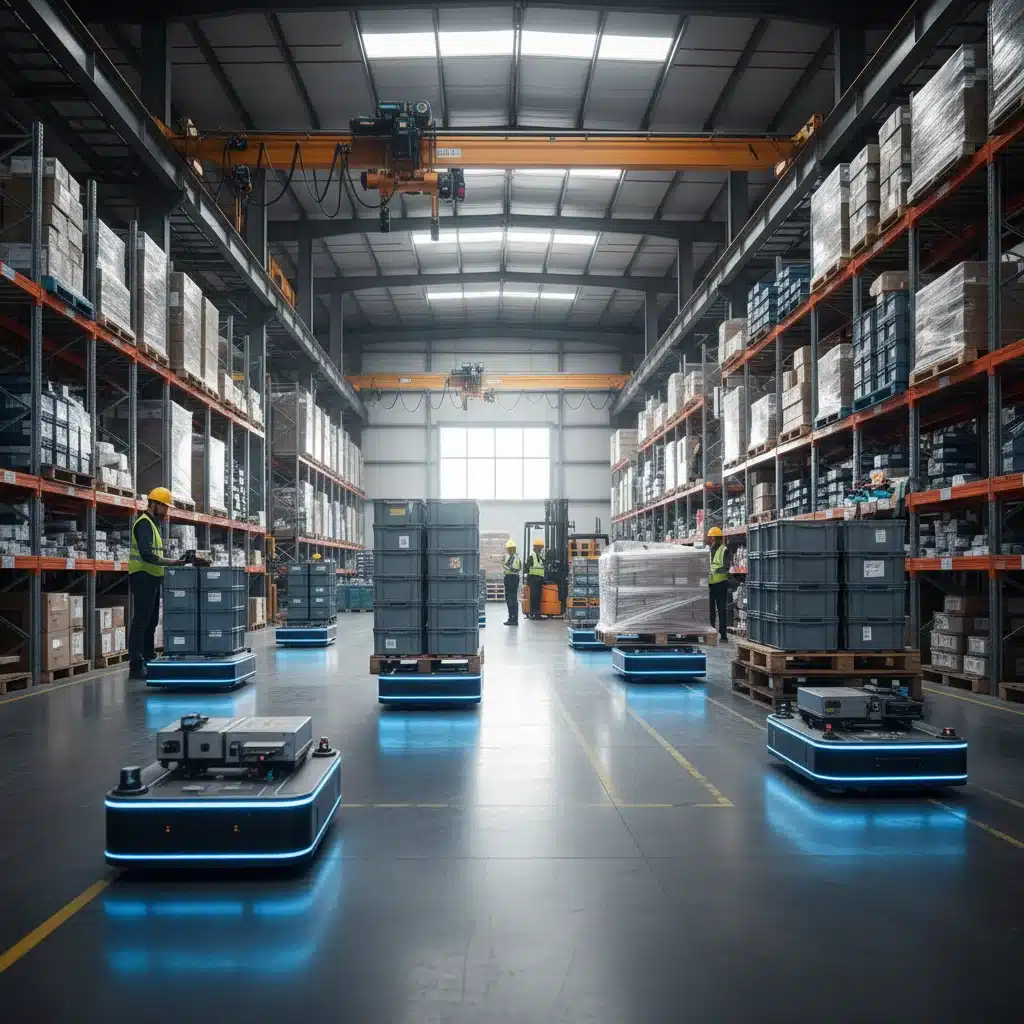
Automation is not just about technology; it’s about people. A comprehensive training program for your workforce is vital. This should cover how to operate the new systems, perform basic troubleshooting, and understand how their roles will evolve. Equally important is change management. Communicate clearly with employees about the benefits of automation, address concerns, and involve them in the transition process. Empowering your team to embrace the new technology will be critical for adoption and long-term success.
5. Go-Live and Post-Implementation Support
The ‘go-live’ phase requires careful monitoring and immediate support. Have a dedicated team on standby to address any issues that arise. After go-live, continuous monitoring of performance against your defined KPIs is essential. Leverage vendor support, conduct regular system audits, and collect feedback from operators. The initial months post-implementation are crucial for optimizing performance and ensuring the system is delivering its promised benefits.
6. Continuous Optimization and Iteration
Automation is not a one-time project; it’s an ongoing journey. Regularly review your automated processes, identify areas for further improvement, and explore new features or upgrades from your robotics vendors. The market and technology are constantly evolving, and your warehouse automation US strategy should evolve with them. This iterative approach ensures that you continuously maximize your ROI and adapt to changing business needs.
By meticulously following this implementation roadmap, businesses can transition smoothly to automated operations, minimize risks, and set the stage for achieving a rapid and substantial 20% ROI within the targeted 18-month timeframe.
Measuring and Maximizing ROI: The 20% in 18 Months Equation
The ultimate goal of investing in warehouse automation is a tangible return. Achieving a 20% ROI within 18 months is an ambitious yet achievable target with meticulous planning and continuous performance monitoring. Here’s how to measure and maximize your ROI:
1. Baseline Establishment
Before automation, it’s crucial to establish a clear baseline of your current operational costs and performance metrics. This includes: labor costs (wages, benefits, overtime), error rates (picking errors, shipping errors), cycle times (receiving to shipping), inventory accuracy, space utilization, and energy consumption. Without an accurate baseline, it’s impossible to quantify the impact of automation and prove your 20% ROI.
2. Cost Savings Quantification
Robotics primarily deliver ROI through cost reductions. The most significant areas include:
- Labor Cost Reduction: This is often the largest component. Calculate savings from reduced headcount, decreased overtime, and lower recruitment/training costs for repetitive tasks.
- Error Reduction: Fewer picking errors mean less rework, fewer returns, and improved customer satisfaction, all of which translate to cost savings. Quantify the cost of each error (shipping, handling, customer service).
- Space Optimization: If automation allows you to avoid warehouse expansion or reduce your existing footprint, calculate the savings on rent, utilities, and property taxes.
- Energy Efficiency: Modern automated systems can often be more energy-efficient than manual processes, especially when considering lighting and heating/cooling for human comfort.
- Reduced Inventory Shrinkage: Improved inventory accuracy and secured storage can lead to lower losses from misplaced or damaged goods.
3. Revenue Enhancement and Intangible Benefits
While harder to quantify directly, automation can also boost revenue and provide significant intangible benefits:
- Increased Throughput and Capacity: Faster processing means you can handle more orders without increasing staff, allowing for business growth and scalability during peak seasons.
- Improved Customer Satisfaction: Faster, more accurate orders lead to happier customers, repeat business, and positive brand perception. This can indirectly increase sales.
- Enhanced Worker Safety: Reducing manual handling and repetitive tasks leads to fewer workplace injuries, lowering insurance costs and improving employee morale.
- Better Data and Decision-Making: Automated systems generate vast amounts of data, providing insights for continuous operational improvement.
4. The ROI Calculation Formula
The basic ROI formula is: (Financial Gain - Cost of Investment) / Cost of Investment * 100%. To achieve 20% within 18 months, you need to project your financial gains (cost savings + revenue enhancements) over that period and compare them to the total investment (TCO). Be realistic with your projections and err on the conservative side initially.
5. Post-Implementation Monitoring and Adjustment
Regularly track the KPIs established earlier. Use analytics from your automated systems and WMS to measure actual performance against your baseline and projections. If you’re falling short of the 20% ROI, investigate why. Is there an optimization opportunity? Is a process not fully integrated? Are there training gaps? Continuous monitoring allows for timely adjustments and ensures you stay on track to meet your financial goals. This proactive management is key to unlocking the full potential of your warehouse automation US investment.
By diligently tracking costs, quantifying benefits, and continuously optimizing your automated processes, businesses can confidently achieve and even surpass the ambitious target of a 20% ROI within 18 months, transforming their warehouse operations into a significant competitive advantage.
Future Trends and Staying Ahead in US Warehouse Automation
The landscape of warehouse automation in the US is far from static. To sustain ROI and maintain a competitive edge beyond 2026, businesses must remain attuned to emerging trends and be prepared to adapt. The future promises even more sophisticated, integrated, and intelligent automation solutions.
1. Hyper-Automation and AI/ML Integration
The trend towards hyper-automation will see a deeper integration of AI and Machine Learning into every facet of warehouse operations. This means not just robotic task execution, but AI-driven demand forecasting, predictive maintenance for machinery, dynamic slotting optimization, and intelligent route planning for AMRs. ML algorithms will continuously learn and optimize processes, leading to unprecedented levels of efficiency and adaptability. Warehouses will become truly self-optimizing entities.
2. Human-Robot Collaboration (HRC) Evolution
While robots take over more tasks, the role of human workers will evolve, not diminish. The future will see more sophisticated forms of Human-Robot Collaboration (HRC), where cobots and humans work seamlessly side-by-side, leveraging the strengths of each. Humans will focus on problem-solving, quality control, and tasks requiring dexterity and cognitive flexibility, while robots handle repetitive and heavy lifting. Training programs will increasingly focus on managing and collaborating with robotic systems.
3. Greater Emphasis on Sustainability
Sustainability will become a core driver for automation decisions. Energy-efficient robotics, optimized routing to reduce fuel consumption in transport, and systems that minimize waste (e.g., precise picking reducing damaged goods) will gain prominence. Businesses will seek automation solutions that not only improve efficiency but also contribute to their environmental, social, and governance (ESG) goals, appealing to eco-conscious consumers and investors.
4. Robotics-as-a-Service (RaaS) and Flexible Models
The capital expenditure required for advanced robotics can be a barrier. Robotics-as-a-Service (RaaS) models are gaining traction, allowing businesses to lease robots and pay for their usage, similar to cloud computing. This reduces upfront costs, shifts expenses from CapEx to OpEx, and offers greater flexibility to scale up or down based on demand. RaaS will make advanced automation more accessible to a wider range of businesses in the warehouse automation US market.
5. Digital Twins and Predictive Analytics
The creation of ‘digital twins’ – virtual replicas of physical warehouses and their processes – will become more common. These digital twins, fed by real-time data from sensors and robots, will allow for simulation, testing of new strategies, and predictive analytics to identify potential issues before they occur. This proactive approach will further enhance operational resilience and efficiency.
6. Enhanced Edge Computing and 5G Connectivity
The proliferation of real-time data generated by warehouse robots will necessitate enhanced connectivity and processing capabilities. Edge computing, where data is processed closer to its source, combined with the low latency and high bandwidth of 5G networks, will enable faster decision-making by robots and more robust communication across automated systems. This will be critical for complex, synchronized robotic operations.
By keeping these trends in mind, businesses can future-proof their warehouse automation strategies, ensuring that their initial investment continues to yield significant returns and positions them at the forefront of logistical innovation in the US. The journey of automation is continuous, and staying informed and adaptable is key to long-term success.
Conclusion: A Smarter, More Profitable Future for US Warehouses
The landscape of warehouse operations in the US is undergoing a profound transformation, driven by the relentless demands of the modern economy. For businesses seeking to not only survive but thrive, embracing warehouse automation US is no longer an option but a strategic imperative. The goal of achieving a 20% ROI within 18 months through the judicious selection and implementation of robotics is a powerful testament to the financial viability and operational superiority that automation offers.
We’ve explored the critical factors that make automation indispensable, from addressing labor shortages and rising costs to meeting escalating customer expectations for speed and accuracy. We’ve delved into the diverse world of robotic solutions – AMRs, AS/RS, robotic picking systems, cobots, AGVs, and even drones – each offering unique capabilities to optimize specific areas of your warehouse. The key to unlocking that significant ROI lies in a strategic selection process: a comprehensive assessment of your operations, clear objective setting, an eye for scalability and integration, a thorough TCO analysis, and a reliable vendor partnership.
Furthermore, a well-structured implementation roadmap, characterized by pilot programs, meticulous infrastructure preparation, seamless data integration, and comprehensive workforce training, is crucial for a smooth transition and rapid realization of benefits. And once implemented, the journey doesn’t end. Continuous monitoring, diligent measurement of KPIs against a solid baseline, and proactive optimization are essential for maximizing returns and ensuring the automated systems consistently deliver on their promise.
Looking ahead to 2026 and beyond, the trends in hyper-automation, advanced AI/ML integration, evolving human-robot collaboration, sustainable practices, flexible RaaS models, and enhanced connectivity will continue to reshape the industry. Businesses that remain agile, informed, and willing to adapt to these innovations will be the ones that sustain their competitive advantage and continue to reap the rewards of a smarter, more automated future.
The time to invest in strategic warehouse automation US is now. By making informed decisions and executing with precision, businesses can not only meet the challenges of today but also build a resilient, efficient, and highly profitable foundation for tomorrow, securing that impressive 20% ROI and setting new benchmarks for operational excellence.