Warehouse Automation: Solving 2026 Labor Shortages in US Logistics
The U.S. logistics and supply chain sector stands at a critical juncture. Projections indicate a looming labor shortage by 2026 that threatens to severely impact operational efficiency and economic growth. As e-commerce continues its rapid expansion and consumer expectations for faster delivery escalate, the demand for skilled warehouse personnel is outstripping supply. This growing disparity creates an urgent need for innovative solutions. Enter warehouse automation solutions.
Automation is no longer a futuristic concept but a present necessity. It offers a powerful antidote to labor scarcity, promising not only to fill critical gaps but also to revolutionize how warehouses operate. By strategically integrating advanced technologies like robotics, artificial intelligence (AI), and sophisticated software, businesses can transform their logistics operations, achieving unprecedented levels of efficiency, accuracy, and output. This article delves into the impending labor crisis, explores the multifaceted benefits of warehouse automation solutions, and outlines a strategic roadmap for U.S. companies to leverage these technologies to not only navigate the challenges of 2026 but also to thrive beyond them, potentially boosting output by a remarkable 18%.
The Looming Labor Shortage in U.S. Warehousing
The U.S. warehouse and logistics industry has been grappling with a persistent labor shortage for several years, a trend that is only projected to intensify. Several factors contribute to this growing crisis:
- Aging Workforce: A significant portion of the current warehouse workforce is nearing retirement age, and there aren’t enough younger workers entering the field to replace them.
- E-commerce Boom: The exponential growth of online shopping has led to an unprecedented demand for warehouse space and, consequently, for the labor required to process and ship orders. This demand often peaks during holiday seasons, exacerbating existing shortages.
- Physically Demanding Work: Many warehouse jobs involve strenuous physical labor, repetitive tasks, and often require working in challenging environments. This makes it less attractive to younger generations seeking more comfortable or technologically advanced roles.
- Wage Stagnation and Competition: While wages have seen some increases, they often struggle to keep pace with the cost of living or compete with other industries offering similar entry-level positions with potentially better working conditions.
- Skill Gap: As logistics operations become more complex and technology-driven, there’s a growing need for workers with specialized skills in areas like data analysis, robotics operation, and system maintenance. The current workforce often lacks these advanced skills, creating a significant gap.
Industry reports suggest that by 2026, the U.S. could face a deficit of hundreds of thousands of warehouse workers. This shortage isn’t just a minor inconvenience; it translates into higher operational costs due to increased overtime, recruitment expenses, and reduced efficiency. Ultimately, it can lead to delayed deliveries, dissatisfied customers, and a significant impediment to business growth. The urgency to address this challenge is paramount, and warehouse automation solutions present a viable and strategic pathway forward.
Understanding Warehouse Automation Solutions
At its core, warehouse automation solutions involve the use of technology to perform tasks that were traditionally carried out by human labor. This encompasses a wide spectrum of technologies, from simple mechanization to complex, AI-driven robotic systems. The goal is not necessarily to eliminate human workers entirely, but rather to augment their capabilities, improve safety, and free them from repetitive, dangerous, or physically demanding tasks, allowing them to focus on more strategic and value-added activities.
Key components of modern warehouse automation solutions include:
Robotics
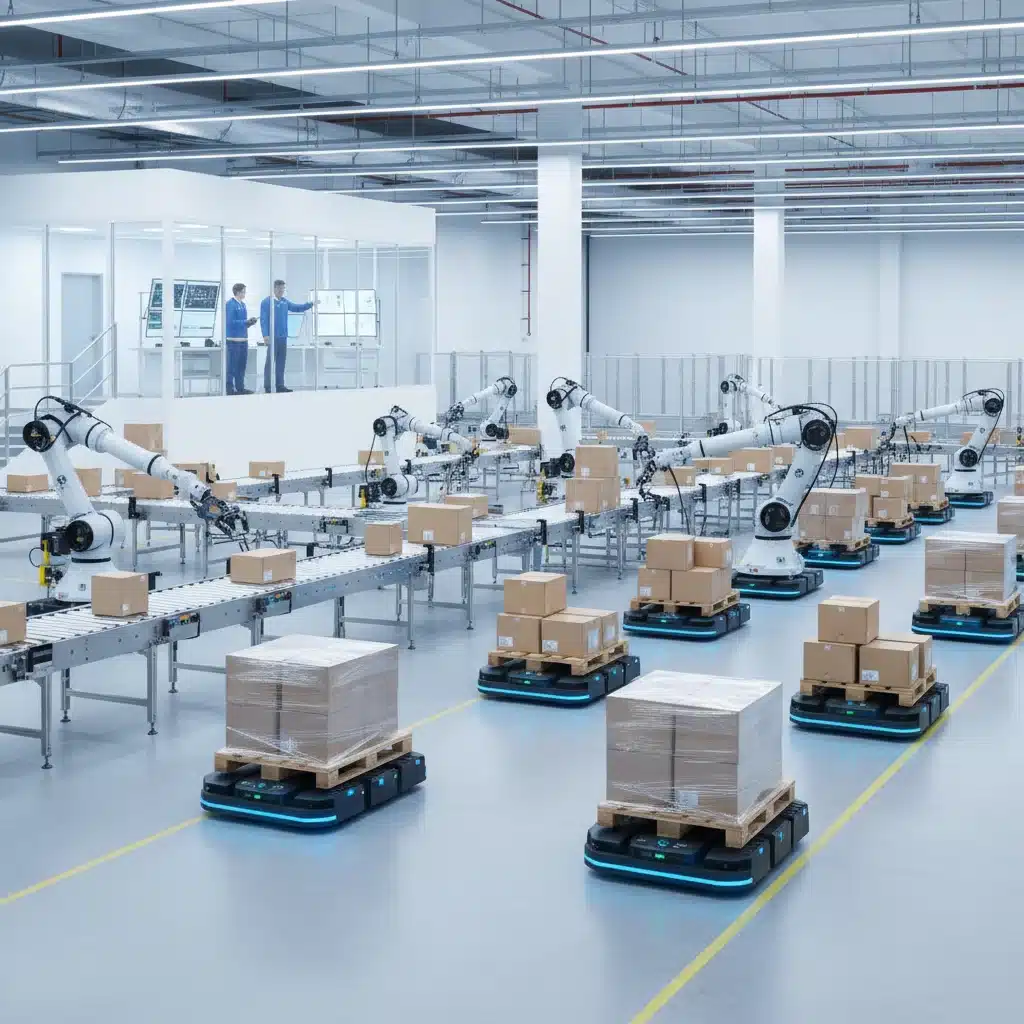
- Automated Guided Vehicles (AGVs) and Autonomous Mobile Robots (AMRs): These robots are designed to transport goods, pallets, and equipment throughout the warehouse without human intervention. AGVs follow fixed paths, while AMRs use advanced navigation to dynamically map their environment and find the most efficient routes, making them highly flexible.
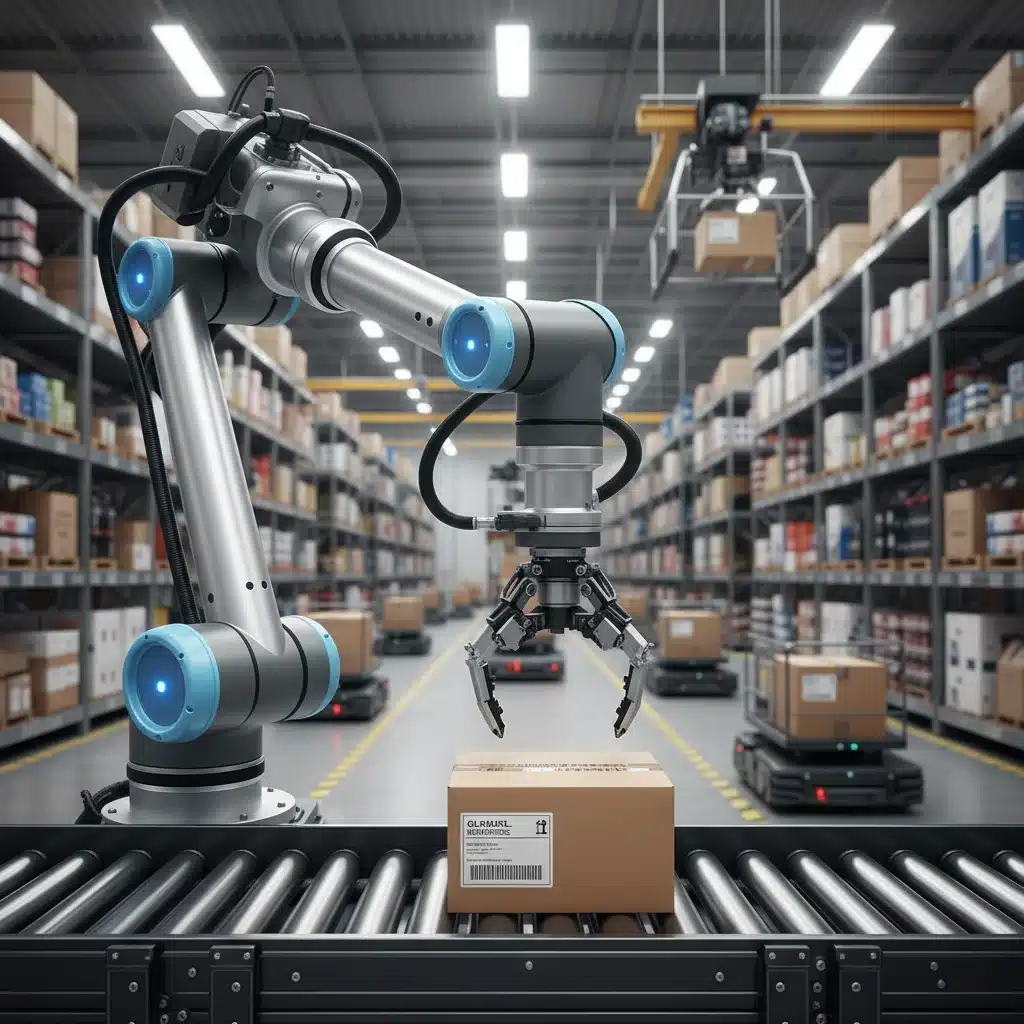
- Robotic Arms: Used for precise picking, packing, sorting, and palletizing tasks. They can handle a wide variety of items, from small e-commerce goods to heavy industrial components, with exceptional speed and accuracy.
- Automated Storage and Retrieval Systems (AS/RS): These systems automatically place and retrieve items from storage locations with high density and speed. They come in various forms, including crane-based systems and shuttle systems, optimizing space utilization and retrieval times.
Artificial Intelligence (AI) and Machine Learning (ML)
- Predictive Analytics: AI algorithms can analyze historical data to forecast demand, optimize inventory levels, and predict potential bottlenecks, enabling proactive decision-making.
- Optimized Routing and Picking: ML can continuously learn and improve the most efficient routes for robots and human pickers, as well as optimize picking sequences to minimize travel time.
- Quality Control: AI-powered vision systems can inspect products for defects, ensuring high quality before shipment.
Integrated Software Systems
- Warehouse Management Systems (WMS): The central nervous system of an automated warehouse, WMS software manages inventory, tracks orders, directs picking and packing, and integrates with other automation technologies.
- Warehouse Execution Systems (WES): These systems bridge the gap between WMS and the physical automation equipment, providing real-time control and orchestration of robots and other automated devices.
- Enterprise Resource Planning (ERP) Systems: Integrating with ERP ensures seamless data flow across the entire business, from sales and finance to logistics.
Conveyor Systems and Sortation Equipment
- These traditional automation tools remain vital, moving products efficiently between different zones within the warehouse and sorting them for shipping. Modern systems are often integrated with robotic and AI components for enhanced capabilities.
The beauty of modern warehouse automation solutions lies in their modularity and scalability. Businesses can start with automating specific pain points and gradually expand their automated infrastructure as their needs evolve and their investment yields returns. This phased approach makes automation accessible even for small to medium-sized enterprises (SMEs).
Boosting Output by 18%: The Tangible Benefits of Automation
The promise of an 18% boost in output is not an arbitrary figure; it reflects the cumulative impact of various efficiencies gained through the strategic implementation of warehouse automation solutions. This increase stems from several key areas:
1. Enhanced Efficiency and Throughput
- 24/7 Operations: Robots don’t get tired, require breaks, or need to sleep. They can operate continuously, significantly increasing the potential for round-the-clock operations and higher throughput.
- Faster Processing Times: Automated systems can perform tasks like picking, packing, and sorting at speeds far exceeding human capabilities, drastically reducing order fulfillment cycles.
- Optimized Workflows: AI and WMS optimize routes and processes, eliminating unnecessary movements and bottlenecks, ensuring a smoother and faster flow of goods.
2. Improved Accuracy and Reduced Errors
- Minimized Human Error: Automated systems are programmed for precision, virtually eliminating human errors in picking, packing, and inventory management. This leads to fewer returns, reduced waste, and higher customer satisfaction.
- Accurate Inventory Management: Real-time tracking and automated counting capabilities ensure highly accurate inventory records, reducing stockouts and overstocking issues.
3. Cost Reduction
- Lower Labor Costs: While initial investment is significant, automation reduces reliance on a large human workforce, leading to long-term savings on wages, benefits, and recruitment.
- Optimized Space Utilization: AS/RS and robotic systems can operate in much narrower aisles and stack items higher than human workers, maximizing warehouse storage density and potentially delaying the need for costly expansion.
- Reduced Damage and Theft: Automated handling systems can minimize product damage, and controlled access through automation can reduce instances of theft.
4. Enhanced Safety and Ergonomics
- Reduced Workplace Injuries: Automation takes over dangerous, repetitive, or heavy-lifting tasks, significantly reducing the risk of injuries to human workers. This improves employee well-being and reduces workers’ compensation claims.
- Improved Working Conditions: By removing mundane tasks, human workers can be redeployed to more engaging and skilled roles, improving job satisfaction.
5. Scalability and Flexibility
- Adaptability to Demand Fluctuations: Automated systems can be scaled up or down more easily to meet seasonal peaks or unexpected surges in demand, providing greater operational flexibility.
- Faster Onboarding: While skilled technicians are needed, the need for extensive training for new pickers or packers is reduced, as automated systems handle the core tasks.
These benefits collectively contribute to a substantial increase in overall operational capacity and output. The 18% figure is an attainable goal for many organizations that strategically implement comprehensive warehouse automation solutions, allowing them to process more orders, handle greater volumes, and ultimately, serve more customers efficiently.
Strategic Implementation of Warehouse Automation Solutions
Implementing warehouse automation solutions is a significant undertaking that requires careful planning and execution. A phased, strategic approach is often the most successful:
Step 1: Assess Current Operations and Identify Pain Points
- Conduct a thorough audit: Analyze current workflows, identify bottlenecks, track labor utilization, and quantify error rates.
- Determine automation readiness: Evaluate existing infrastructure, IT capabilities, and the skills of the current workforce.
- Prioritize areas for automation: Focus on tasks that are repetitive, physically demanding, prone to error, or experience the most significant labor shortages (e.g., picking, packing, sorting, internal transport).
Step 2: Define Clear Goals and KPIs
- Set measurable objectives: What do you want to achieve? (e.g., reduce picking time by X%, increase order fulfillment by Y%, decrease labor costs by Z%).
- Establish Key Performance Indicators (KPIs): Define how success will be measured (e.g., throughput, order accuracy, cycle time, cost per order).
Step 3: Research and Select the Right Technologies
- Explore various solutions: Investigate AGVs, AMRs, robotic arms, AS/RS, WMS, WES, and other relevant technologies.
- Consider scalability and integration: Choose systems that can grow with your business and integrate seamlessly with existing or planned IT infrastructure.
- Partner with experienced vendors: Work with suppliers who have a proven track record and offer comprehensive support, training, and maintenance.
Step 4: Design and Pilot the Automation System
- Layout planning: Optimize the warehouse layout to accommodate automated systems and ensure efficient material flow.
- Pilot program: Start with a smaller-scale implementation in a specific area or for a particular process to test the system, identify issues, and refine operations before a full rollout.
Step 5: Workforce Training and Management
- Reskill and upskill employees: Train existing staff to operate, maintain, and troubleshoot the new automated systems. This transforms their roles into more skilled positions.
- Change management: Communicate clearly with employees about the benefits of automation and address any concerns or anxieties regarding job security. Emphasize that automation is about augmenting, not replacing, human potential.
Step 6: Implement, Monitor, and Optimize
- Phased rollout: Implement the full system gradually to minimize disruption.
- Continuous monitoring: Use data analytics to track performance against KPIs, identify areas for improvement, and ensure the system is operating optimally.
- Regular maintenance: Adhere to maintenance schedules to ensure the longevity and reliability of automated equipment.
By following these steps, businesses can effectively integrate warehouse automation solutions, transforming a potential crisis into an opportunity for significant growth and competitive advantage.
The Role of Data and Analytics in Automated Warehouses
In the realm of warehouse automation solutions, data is king. The sheer volume of data generated by automated systems offers unparalleled insights into every facet of warehouse operations. This data, when properly collected, analyzed, and acted upon, becomes a powerful tool for continuous improvement and optimization.
Real-time Visibility and Control
Modern WMS and WES, integrated with automated equipment, provide real-time visibility into inventory levels, order status, equipment performance, and labor utilization. This granular control allows managers to make informed decisions swiftly, responding to unexpected changes or optimizing daily operations. For instance, if a particular automated guided vehicle (AGV) is experiencing a slowdown, the system can alert operators, who can then reroute other AGVs or dispatch a technician.
Predictive Maintenance
AI and machine learning algorithms can analyze data from automated machinery to predict potential equipment failures before they occur. This enables proactive maintenance, reducing costly downtime and extending the lifespan of valuable assets. Instead of reacting to breakdowns, facilities can schedule maintenance during off-peak hours, ensuring minimal disruption to operations.
Demand Forecasting and Inventory Optimization
The integration of warehouse data with sales figures, market trends, and even external factors like weather patterns allows AI-driven analytics to provide highly accurate demand forecasts. This predictive capability is crucial for optimizing inventory levels, ensuring that popular products are always in stock while minimizing excess inventory that ties up capital and storage space. Accurate forecasting, powered by data from warehouse automation solutions, directly impacts order fulfillment rates and customer satisfaction.
Performance Benchmarking and Optimization
Data analytics allows businesses to benchmark their performance against industry standards and their own historical data. Identifying areas where performance lags or excels provides clear targets for optimization. For example, by analyzing picking paths and times, the system can suggest layout modifications or algorithmic adjustments to further improve efficiency. This iterative process of data collection, analysis, and refinement is fundamental to achieving and sustaining the promised 18% output boost.

Cost Analysis and ROI Justification
Detailed data on operational costs, labor savings, and efficiency gains provides concrete evidence of the return on investment (ROI) for warehouse automation solutions. This data is invaluable for justifying further investments in automation and for demonstrating the financial benefits to stakeholders. Understanding the true cost per order, for instance, allows businesses to price their services competitively and identify areas for further cost reduction.
In essence, data and analytics transform an automated warehouse into an intelligent one. They move beyond mere task execution to provide strategic insights that drive continuous improvement, resilience, and profitability. Without a robust data strategy, the full potential of warehouse automation solutions cannot be realized.
Addressing Concerns: Jobs, Initial Investment, and Integration
While the benefits of warehouse automation solutions are compelling, several common concerns often arise during the consideration and implementation phases. Addressing these proactively is crucial for successful adoption.
Impact on Jobs
One of the most frequent concerns is the fear of job displacement. It’s important to frame automation not as job replacement, but as job transformation and augmentation. While some repetitive tasks may be taken over by robots, new roles emerge in areas such as:
- Automation Technicians: Operating, maintaining, and troubleshooting robotic systems.
- Data Analysts: Interpreting the vast amounts of data generated by automated systems to optimize operations.
- System Integrators: Ensuring seamless communication between different automated components and software.
- Strategic Planners: Focusing on higher-level logistics strategy, supply chain resilience, and customer experience.
The focus shifts from manual labor to supervisory, technical, and analytical roles, which often require higher skills but also offer better pay and career progression. Companies must invest in reskilling and upskilling their existing workforce to prepare them for these new opportunities, ensuring a smoother transition and maintaining employee morale.
Initial Investment Costs
The upfront capital expenditure for warehouse automation solutions can be substantial, ranging from hundreds of thousands to millions of dollars depending on the scale and sophistication of the systems. This can be a significant barrier for some businesses.
However, it’s crucial to view this as a strategic investment with a strong long-term ROI, rather than a mere expense. Factors to consider when evaluating the investment include:
- Payback Period: Calculate how long it will take for the cost savings (labor, errors, space) and increased revenue to offset the initial investment.
- Financing Options: Explore leasing, equipment loans, or government incentives that can help mitigate the upfront financial burden.
- Phased Implementation: As discussed, starting with smaller, targeted automation projects can allow businesses to realize initial benefits and fund subsequent phases.
- Competitive Advantage: The long-term costs of not automating, such as losing market share due to inefficiency or being unable to meet customer demand, can far outweigh the initial investment.
Integration Complexities
Integrating new warehouse automation solutions with existing legacy systems (WMS, ERP, etc.) can be complex and challenging. Ensuring seamless data flow and communication between disparate systems is critical for optimal performance.
- Standardized Interfaces: Prioritize automation solutions that offer open APIs and standardized communication protocols.
- Experienced Integrators: Engage with technology partners who specialize in warehouse automation integration and have a proven track record of successful implementations.
- Thorough Testing: Conduct extensive testing of all integrated systems before full deployment to identify and resolve any compatibility issues.
- Data Governance: Establish clear data governance policies to ensure data accuracy, consistency, and security across all integrated platforms.
By openly addressing these concerns and developing clear strategies to mitigate them, businesses can pave the way for a more successful and less disruptive adoption of warehouse automation solutions, ultimately leading to a more resilient and efficient future.
The Future of U.S. Warehousing: Beyond 2026
As we look beyond the immediate challenges of 2026, the trajectory for U.S. warehousing is undeniably toward greater automation and intelligence. The evolution of warehouse automation solutions will continue at a rapid pace, driven by advancements in AI, robotics, and data science.
Hyperautomation and Lights-Out Warehouses
The concept of ‘hyperautomation’ – where virtually every task that can be automated, will be – is gaining traction. This could lead to more ‘lights-out’ warehouses, facilities designed to operate with minimal or no human presence, especially during off-peak hours. Such facilities would significantly reduce operational costs and maximize throughput. While full lights-out operations might be some way off for most, the trend towards increasingly automated processes is clear.
Collaborative Robotics (Cobots)
The next generation of robotics will see an even closer collaboration between humans and machines. Cobots are designed to work safely alongside human employees, assisting with tasks that require human dexterity or judgment while handling the repetitive or heavy lifting. This hybrid approach optimizes the strengths of both human and artificial intelligence, making warehouse automation solutions even more flexible and adaptable.
Sustainable Automation
Sustainability will become an increasingly important driver for automation. Electric AGVs, energy-efficient AS/RS, and AI-optimized routes can lead to significant reductions in energy consumption and carbon footprint. Furthermore, automation can reduce waste through improved inventory accuracy and optimized packaging processes, aligning business goals with environmental responsibility.
Supply Chain Resilience
The recent global disruptions have highlighted the critical need for supply chain resilience. Automated warehouses, with their ability to operate consistently and adapt to fluctuations, play a vital role in building more robust supply chains. By reducing reliance on a volatile labor market and increasing operational flexibility, warehouse automation solutions contribute to a more stable and predictable logistics network.
Integration with Broader Smart Logistics Ecosystems
Warehouses will not operate in isolation. They will become integral parts of broader smart logistics ecosystems, seamlessly communicating with smart transportation networks, last-mile delivery systems, and even smart cities. Data from automated warehouses will feed into these larger systems, enabling end-to-end optimization of the entire supply chain, from manufacturing to the customer’s doorstep.
The future of U.S. warehousing is one where technology and human ingenuity converge to create highly efficient, resilient, and adaptive systems. Businesses that embrace warehouse automation solutions today will not only overcome the labor challenges of 2026 but will also be at the forefront of this transformative journey, securing their competitive edge for decades to come.
Conclusion: Embracing Automation for a Resilient Future
The impending labor shortage in the U.S. logistics sector by 2026 poses a significant threat, but it also presents an unparalleled opportunity for innovation. Warehouse automation solutions are not merely a response to a crisis; they are a strategic imperative for businesses aiming to thrive in an increasingly dynamic and demanding global marketplace.
By integrating advanced robotics, artificial intelligence, and sophisticated software, companies can unlock substantial benefits: an estimated 18% boost in output, vastly improved efficiency, enhanced accuracy, significant cost reductions, and a safer working environment. Moreover, automation empowers businesses with the scalability and flexibility needed to adapt to fluctuating market demands and build a more resilient supply chain.
While the journey to automation involves careful planning, investment, and a commitment to workforce transformation, the long-term rewards far outweigh the challenges. Businesses that proactively embrace warehouse automation solutions will not only mitigate the impact of labor shortages but will also position themselves as leaders, driving innovation, satisfying evolving customer expectations, and securing a sustainable competitive advantage in the years to come. The time to invest in the future of warehousing is now, transforming potential obstacles into pathways for unprecedented growth and operational excellence.