US Department of Transportation Unveils $5 Billion Infrastructure Grant Program for Smart City Logistics in 2026
The landscape of urban transportation and logistics is on the cusp of a profound transformation, thanks to a landmark announcement from the US Department of Transportation (USDOT). In a move poised to redefine how goods move through our cities, the USDOT has unveiled a monumental $5 billion infrastructure grant program for Smart City Logistics in 2026. This ambitious initiative is not merely about funding; it represents a strategic investment in the future of urban efficiency, sustainability, and quality of life. The program aims to catalyze innovation, foster the adoption of cutting-edge technologies, and build resilient, intelligent logistics networks that can meet the demands of an increasingly urbanized and digitally connected world.
The concept of Smart City Logistics Grant is multifaceted, encompassing everything from advanced traffic management systems and autonomous delivery solutions to optimized warehousing and last-mile delivery strategies. This grant program recognizes that efficient urban logistics are fundamental to economic growth, environmental protection, and social equity. By targeting smart city logistics, the USDOT is addressing critical challenges such as traffic congestion, air pollution, infrastructure strain, and the rising costs associated with urban freight movement. This comprehensive approach underscores a commitment to creating cities that are not only smarter but also more livable and sustainable for all residents.
The Vision Behind the $5 Billion Investment: Why Smart City Logistics?
The rationale behind the USDOT’s significant investment in Smart City Logistics Grant is rooted in an understanding of current urban challenges and future imperatives. As urban populations continue to grow, the volume of goods transported within cities escalates, leading to increased traffic, longer delivery times, higher emissions, and greater wear and tear on infrastructure. Traditional logistics models are struggling to cope with these pressures, highlighting an urgent need for innovative solutions.
Smart City Mobility offers a compelling answer. By integrating advanced technologies such as artificial intelligence (AI), the Internet of Things (IoT), big data analytics, and automation, cities can optimize freight movement, reduce bottlenecks, and minimize environmental impact. The USDOT’s $5 billion grant program is designed to accelerate this transition, providing the necessary financial impetus for municipalities and private entities to invest in the infrastructure and systems required for a truly intelligent logistics ecosystem. This isn’t just about moving packages faster; it’s about building a more efficient, equitable, and environmentally conscious urban future.
Furthermore, the program emphasizes resilience. Recent global events have underscored the fragility of supply chains and the critical need for robust, adaptable logistics networks. By fostering smart, interconnected systems, the Smart City Logistics Grant aims to create urban freight infrastructures that can withstand disruptions, adapt to changing demands, and support continuous economic activity. This forward-thinking approach ensures that cities are not only prepared for today’s challenges but also equipped for the uncertainties of tomorrow.
Key Pillars of the Smart City Logistics Grant Program
The USDOT’s $5 billion grant program is structured around several key pillars, each designed to address specific aspects of urban logistics and contribute to the overarching goal of creating smarter, more efficient cities. Understanding these pillars is crucial for potential applicants and stakeholders looking to leverage this unprecedented funding opportunity.
1. Advanced Traffic Management and Optimization
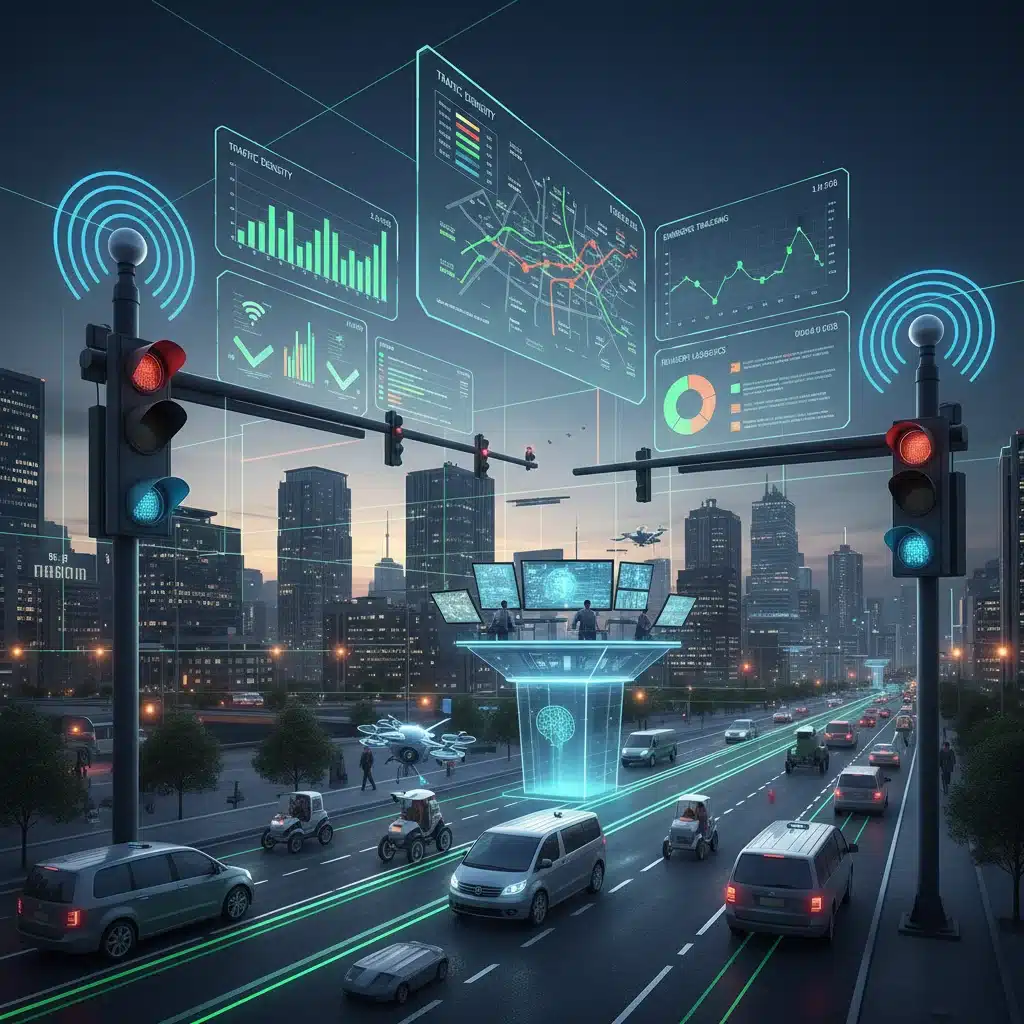
At the heart of Smart City Logistics Grant is the optimization of urban traffic flow. This pillar focuses on projects that implement intelligent transportation systems (ITS) capable of real-time data collection, analysis, and dynamic traffic signal control. The goal is to reduce congestion caused by delivery vehicles, minimize idling times, and improve overall route efficiency. Technologies such as AI-powered traffic prediction models, adaptive signal timing, and vehicle-to-infrastructure (V2I) communication systems will be prioritized. These advancements will not only speed up deliveries but also enhance road safety and significantly reduce fuel consumption and emissions.
For example, cities could deploy networks of smart sensors that monitor traffic density and vehicle speeds, feeding this data into a central AI system. This system could then adjust traffic light timings in real-time, prioritizing freight corridors during peak delivery hours or rerouting vehicles around congested areas. The impact would be a noticeable improvement in urban mobility, benefiting both commercial logistics and daily commuters. The emphasis here is on integrated solutions that consider the entire urban transportation ecosystem, not just isolated segments.
2. Sustainable and Electric Freight Solutions
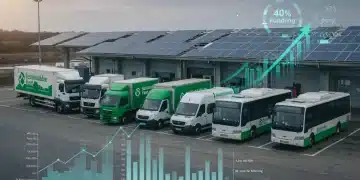
Environmental sustainability is a core tenet of the Smart City Logistics Grant. A significant portion of the funding will be allocated to projects promoting the adoption of electric and alternative-fuel vehicles for urban freight. This includes the deployment of charging infrastructure for electric trucks and vans, incentives for businesses to transition to greener fleets, and the development of electric last-mile delivery solutions such as e-cargo bikes and autonomous electric shuttles.
Beyond vehicle electrification, this pillar also supports innovations in sustainable packaging, urban consolidation centers (UCCs) that reduce the number of individual delivery trips, and the use of renewable energy sources for logistics facilities. The aim is to drastically cut down on carbon emissions, improve air quality in urban areas, and reduce noise pollution associated with traditional freight operations. Cities are encouraged to propose holistic strategies that address the entire lifecycle of urban freight, from warehousing to final delivery, with an eye towards minimizing environmental footprints.
3. Data-Driven Logistics Platforms and Digital Twins
The future of Smart City Logistics Grant is inherently digital. This pillar supports the development and implementation of advanced data platforms that can collect, process, and analyze vast amounts of logistics-related data. This includes real-time tracking of shipments, predictive analytics for demand forecasting, and optimization algorithms for route planning and resource allocation. Projects involving the creation of ‘digital twins’ of urban logistics networks – virtual replicas that simulate real-world conditions – will also be highly favored.
These digital tools empower city planners, logistics operators, and policymakers to make informed decisions, identify inefficiencies, and proactively address potential disruptions. A digital twin, for instance, could simulate the impact of a new delivery route or a change in traffic patterns before it’s implemented in the physical world, allowing for precise optimization. The goal is to create a transparent, interconnected, and highly responsive logistics ecosystem where data drives continuous improvement and innovation.
4. Infrastructure Enhancements for Efficient Freight Movement
While technology is central, physical infrastructure remains critical. This pillar of the Smart City Logistics Grant focuses on upgrading and developing infrastructure specifically designed to facilitate efficient urban freight movement. This includes dedicated freight lanes, smart loading zones, advanced warehousing facilities at city perimeters, and multimodal transportation hubs that integrate rail, road, and potentially water-based logistics.
Funding will also be available for projects that improve existing infrastructure to better accommodate modern logistics needs, such as strengthening bridges for heavier electric trucks or redesigning intersections to reduce turn radii for larger vehicles. The emphasis is on creating a seamless and robust physical network that complements digital advancements, ensuring that goods can move smoothly and safely throughout the urban environment. This includes considering the needs of both large commercial carriers and smaller, last-mile delivery services.
5. Autonomous and Robotic Delivery Systems
Looking ahead, autonomous and robotic systems are poised to play a transformative role in urban logistics. This pillar of the Smart City Logistics Grant will fund pilot programs and the scaled deployment of autonomous delivery vehicles, drones, and robotic last-mile solutions. This includes not only the vehicles themselves but also the regulatory frameworks, safety protocols, and supporting infrastructure required for their safe and efficient operation.
The potential benefits are immense: reduced labor costs, 24/7 delivery capabilities, and the ability to access difficult-to-reach areas. However, successful integration requires careful planning and public acceptance. The USDOT aims to support projects that demonstrate practical applications, address public concerns, and contribute to the development of national standards for autonomous logistics. This represents a significant step towards a future where intelligent machines collaborate with human operators to deliver goods with unprecedented efficiency.
Eligibility and Application Process for the Smart City Logistics Grant
The USDOT’s Smart City Logistics Grant program is designed to be accessible to a wide range of entities committed to advancing urban logistics. Understanding the eligibility criteria and application process will be vital for prospective applicants aiming to secure a share of the $5 billion funding pool.
Who Can Apply?
Eligibility for the grant program is broad, typically including:
- State Departments of Transportation: Leading agencies responsible for statewide transportation planning and infrastructure development.
- Local Governments: Cities, counties, and metropolitan planning organizations (MPOs) directly involved in urban planning and infrastructure projects.
- Transit Agencies: Entities operating public transportation systems, often involved in multimodal logistics solutions.
- Port Authorities: Key players in freight movement, particularly for intermodal transfers.
- Tribal Governments: Sovereign nations with jurisdiction over their lands, often seeking to improve infrastructure and services.
- Special Purpose Districts: Such as those focused on economic development or transportation.
- Public-Private Partnerships (PPPs): Collaborations between public entities and private companies, leveraging expertise and resources from both sectors. These are often highly favored due to their ability to bring innovative solutions and additional funding to the table.
- Academic Institutions and Research Organizations: While not direct implementers, they can often partner with eligible entities to provide research, data analysis, and technological development support.
The USDOT will likely encourage collaborative applications, emphasizing projects that involve multiple stakeholders from public and private sectors, as well as community engagement. This approach fosters comprehensive solutions and ensures that projects address diverse needs within urban environments.
Application Timeline and Key Dates (Anticipated)
While specific dates are subject to official announcements, the general timeline for such large-scale federal grant programs typically follows a structured process:
- Early 2026: Release of the official Notice of Funding Opportunity (NOFO) detailing specific requirements, evaluation criteria, and application forms. This document will be the definitive guide for applicants.
- Mid-2026: Application period opens, usually lasting for 60-90 days. During this time, applicants will prepare and submit their proposals.
- Late 2026 – Early 2027: USDOT reviews applications, conducts due diligence, and may request additional information from applicants.
- Mid-2027: Grant awards are announced, and funding agreements are finalized.
- Late 2027 onwards: Project implementation begins.
Prospective applicants should begin preparing well in advance, even before the NOFO is released. This includes conducting needs assessments, identifying potential project partners, gathering preliminary data, and developing conceptual project plans. Early preparation is a significant factor in successful grant applications for the Smart City Logistics Grant.
Evaluation Criteria
Applications for the Smart City Logistics Grant will likely be evaluated based on several key criteria, including:
- Project Merit and Innovation: How well the project addresses critical urban logistics challenges and whether it proposes innovative, technology-driven solutions.
- Measurable Outcomes: The extent to which the project defines clear, quantifiable goals and metrics for success (e.g., reduction in congestion, emissions, delivery times).
- Regional and Economic Impact: The project’s potential to generate economic benefits, create jobs, and improve regional connectivity.
- Environmental Sustainability: The project’s contribution to reducing carbon footprint, improving air quality, and promoting green logistics practices.
- Equity and Accessibility: How the project benefits underserved communities, improves access to goods and services, and addresses social equity concerns.
- Partnerships and Collaboration: The strength of partnerships between public and private entities, community organizations, and other stakeholders.
- Financial Viability and Readiness: The feasibility of the project’s budget, the commitment of matching funds (if required), and the readiness to begin implementation.
- Scalability and Replicability: The potential for the project to be scaled up or replicated in other cities, demonstrating broader impact.
Successful applications will clearly articulate how their proposed projects align with these criteria and contribute to the broader goals of the Smart City Logistics Grant program.
The Impact: Transforming Urban Freight and Beyond
The implications of the USDOT’s Smart City Logistics Grant program extend far beyond just moving goods more efficiently. This $5 billion investment is poised to create a ripple effect, transforming urban environments in numerous ways.
Economic Benefits and Job Creation
The implementation of smart logistics infrastructure will spur significant economic growth. New technologies require new industries, creating jobs in software development, data analytics, infrastructure construction, maintenance of autonomous systems, and specialized logistics management. Businesses will benefit from reduced operational costs, faster supply chains, and improved customer satisfaction, fostering a more competitive and dynamic urban economy. The efficiency gains from optimized logistics can also translate into lower costs for consumers, making essential goods more affordable.
Environmental Improvements
One of the most immediate and tangible benefits will be environmental. By promoting electric vehicles, optimizing routes, and reducing congestion, the program will lead to a substantial decrease in greenhouse gas emissions and urban air pollution. This directly contributes to public health, reducing respiratory illnesses and improving the overall quality of life in cities. Furthermore, the focus on sustainable practices aligns with national and global efforts to combat climate change, positioning the US as a leader in green transportation initiatives through the Smart City Logistics Grant.
Enhanced Urban Livability and Safety
Fewer delivery trucks idling in traffic, reduced noise pollution, and more efficient use of urban space will significantly enhance urban livability. Smart loading zones can free up curb space, and better-managed freight traffic can reduce the risk of accidents involving pedestrians and cyclists. Autonomous delivery solutions, when properly implemented, have the potential to further improve safety by eliminating human error in certain delivery scenarios. These advancements contribute to creating cities that are not only functional but also pleasant and safe places to live, work, and recreate.
Technological Advancement and Innovation Hubs
The grant program will act as a powerful catalyst for technological innovation. Cities and private companies will be incentivized to develop and test cutting-edge solutions, turning urban centers into living laboratories for smart logistics. This will foster a culture of innovation, attracting talent and investment in research and development. The knowledge and technologies developed through the Smart City Logistics Grant can then be shared and replicated globally, establishing the US as a frontrunner in smart urban development.
Equity and Accessibility
Smart logistics can also play a crucial role in addressing issues of equity and accessibility. By optimizing delivery networks, cities can ensure that essential goods and services reach underserved communities more efficiently and affordably. Autonomous delivery systems could potentially provide delivery options in areas that are currently difficult or uneconomical for traditional services to reach. The program encourages projects that consider the needs of all residents, ensuring that the benefits of technological advancement are broadly distributed.

Challenges and Considerations for Implementation
While the prospects of the Smart City Logistics Grant are exciting, successful implementation will require addressing several key challenges and considerations.
Data Privacy and Security
The reliance on extensive data collection and sharing raises significant concerns about data privacy and cybersecurity. Robust frameworks must be established to protect sensitive information, prevent unauthorized access, and ensure ethical data use. Cities will need to invest in secure IT infrastructure and adhere to strict data governance policies to build public trust and safeguard their smart logistics systems.
Regulatory and Policy Frameworks
The rapid evolution of smart logistics technologies, particularly autonomous systems, often outpaces existing regulatory frameworks. Cities will need to develop flexible and adaptive policies that support innovation while ensuring public safety and accountability. This includes establishing clear rules for autonomous vehicle operation, drone delivery, and data sharing across different platforms. Harmonization of regulations across different jurisdictions will also be crucial for seamless operation.
Public Acceptance and Engagement
For smart logistics solutions to be truly successful, they must gain public acceptance. This requires transparent communication with residents about the benefits and potential impacts of new technologies, addressing concerns about job displacement, privacy, and safety. Engaging communities in the planning and implementation process can foster a sense of ownership and increase the likelihood of successful adoption. Education campaigns can help demystify new technologies and highlight their positive contributions to urban life.
Interoperability and Standardization
A fragmented approach to smart logistics can lead to inefficiencies. The success of the Smart City Logistics Grant will depend on promoting interoperability between different systems and platforms. This requires the adoption of common standards for data exchange, communication protocols, and technology integration. The USDOT can play a crucial role in facilitating these standards, ensuring that various smart city components can work together seamlessly to create a truly integrated logistics network.
Funding Sustainability Beyond the Grant
While the $5 billion grant provides a significant initial boost, projects must also consider long-term financial sustainability. Cities and their partners will need to develop business models and funding mechanisms to maintain and upgrade smart logistics infrastructure beyond the initial grant period. This could involve user fees, public-private partnerships, or innovative financing structures that ensure the continued operation and evolution of these vital systems.
Preparing for the Future: A Call to Action
The USDOT’s Smart City Logistics Grant program represents a pivotal moment for urban development in the United States. It is a clear signal that the federal government is committed to investing in intelligent, sustainable, and efficient transportation solutions for our cities. For municipalities, regional planning organizations, and private sector innovators, this is a call to action.
Now is the time to start strategizing, forming partnerships, and developing innovative project proposals that align with the program’s objectives. Those who proactively prepare will be best positioned to leverage this historic funding opportunity and contribute to shaping the future of urban logistics. By embracing the principles of smart city logistics, we can build urban environments that are not only more efficient and environmentally friendly but also more equitable and enjoyable for everyone.
The transformation of urban freight is not just a technological challenge; it is an opportunity to reimagine our cities, improve our quality of life, and build a more sustainable future. The $5 billion Smart City Logistics Grant is the fuel for this revolution, and its impact will be felt for generations to come. Let’s seize this moment to innovate, collaborate, and build the smart cities of tomorrow.