U.S. Logistics Cybersecurity Threats Up 8%: New 2025 Measures
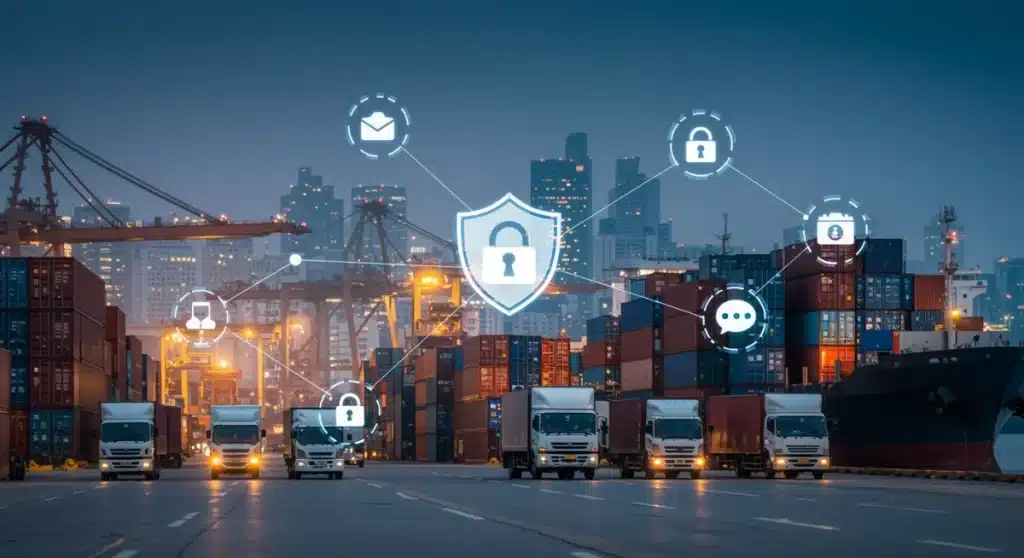
The recent 8% surge in cybersecurity threats against U.S. logistics networks over the last six months underscores an urgent need for the comprehensive new measures proposed for 2025 to fortify critical supply chain infrastructure.
An urgent update: cybersecurity threats to U.S. logistics networks increased by 8% in the last 6 months; new measures proposed for 2025, signaling a critical juncture for the nation’s supply chain integrity. This alarming trend demands immediate attention, as the backbone of our economy faces increasingly sophisticated digital adversaries. Understanding the scope of this challenge and the proactive steps being considered is paramount for businesses and consumers alike.
Understanding the Escalation of Cyber Threats in Logistics
The U.S. logistics sector, a complex web of transportation, warehousing, and distribution, has become a prime target for cybercriminals and state-sponsored actors. The recent 8% increase in threats over the past six months is not merely a statistic; it represents a tangible rise in attempts to disrupt, steal, or damage vital infrastructure. This escalation is driven by several factors, including the increasing digitalization of logistics operations and the geopolitical landscape.
As logistics companies adopt more sophisticated technologies like IoT, AI, and cloud computing to enhance efficiency, they inadvertently expand their attack surface. Each new digital touchpoint, while beneficial for operations, introduces a potential vulnerability that threat actors are eager to exploit. The interconnectedness of supply chains means that a breach in one segment can have cascading effects, impacting everything from raw material delivery to consumer goods distribution.
The Digital Transformation’s Double-Edged Sword
While digital transformation offers unparalleled advantages in efficiency and data insights, it also brings inherent risks. The rapid adoption of new technologies often outpaces the implementation of robust cybersecurity protocols, leaving critical gaps. This creates an environment where malicious actors can thrive, exploiting unpatched systems or weak access controls.
- Increased Attack Surface: More digital systems mean more potential entry points for attackers.
- Interconnected Systems: A breach in one area can quickly spread across the entire supply chain.
- Sophisticated Threats: Adversaries are employing advanced tactics, including AI-driven attacks.
The implications of these cyberattacks extend beyond financial losses. They can lead to significant operational disruptions, damage to reputation, and even compromise national security. Therefore, a deep understanding of these escalating threats is the first step towards developing effective countermeasures and safeguarding the future of U.S. logistics.
The Impact of Cyberattacks on U.S. Supply Chains
The consequences of successful cyberattacks on U.S. logistics networks are far-reaching, impacting economic stability, national security, and daily life. When a logistics system is compromised, the effects ripple across multiple sectors, creating significant disruptions. These disruptions can range from delayed shipments and increased costs to critical infrastructure failures.
For instance, a ransomware attack on a major port can halt shipping operations, leading to backlogs at sea and shortages on land. Similarly, an attack on a trucking company’s dispatch system could paralyze freight movement across states. Beyond the immediate operational standstill, there are broader economic implications, including inflated prices for goods due to supply scarcity and reduced consumer confidence.
Economic and Operational Disruptions
The financial toll of cyberattacks on logistics can be staggering. Companies face costs associated with incident response, system recovery, legal fees, and regulatory fines. Moreover, the loss of business continuity can result in significant revenue losses and long-term damage to market position.
- Financial Losses: Direct costs from recovery, fines, and lost revenue.
- Operational Paralysis: Halting of critical transport and delivery services.
- Reputational Damage: Erosion of trust among clients and partners.
Furthermore, the U.S. relies heavily on its logistics networks for the distribution of essential goods, including food, medicine, and fuel. Any compromise to these networks can pose a direct threat to public health and safety. The interconnected nature of modern supply chains means that even seemingly minor incidents can have disproportionately large effects, emphasizing the urgency of robust cybersecurity measures.
Key Vulnerabilities Exploited by Threat Actors
Identifying the specific vulnerabilities within U.S. logistics networks is crucial for developing targeted and effective defenses. Threat actors often exploit common weaknesses, but they are also increasingly skilled at finding novel entry points. Understanding these primary attack vectors helps organizations to prioritize their cybersecurity investments and strengthen their overall posture.
One significant area of vulnerability lies in legacy systems. Many logistics companies still rely on older IT infrastructure that was not designed with modern cybersecurity threats in mind. These systems often lack up-to-date security patches and are more susceptible to known exploits. Additionally, the complex web of third-party vendors and partners introduces supply chain risks, as a breach in a smaller, less secure partner can compromise the entire network.
Common Attack Vectors and Weaknesses
Beyond outdated technology, human error remains a persistent vulnerability. Phishing attacks, for example, continue to be highly effective, tricking employees into revealing credentials or installing malware. The sheer volume of data processed by logistics companies also makes them attractive targets for data theft, particularly personal identifiable information (PII) and sensitive operational data.
- Legacy Systems: Outdated software and hardware with known security gaps.
- Third-Party Risks: Vulnerabilities introduced through less secure vendors and partners.
- Human Error: Phishing, weak passwords, and lack of security awareness among employees.
- Insufficient Patch Management: Delays in applying security updates leave systems exposed.
The industrial control systems (ICS) and operational technology (OT) used in ports, warehouses, and transportation hubs also present unique challenges. These systems, often critical for physical operations, were historically isolated but are now increasingly connected to IT networks, making them accessible to cyber threats. Securing these specialized environments requires a distinct approach, blending IT and OT cybersecurity expertise.
Proposed New Measures for 2025: A Proactive Stance
In response to the escalating threat landscape, a series of comprehensive new measures are being proposed for 2025 to bolster the cybersecurity resilience of U.S. logistics networks. These proposals reflect a proactive stance, moving beyond reactive incident response to focus on preventative strategies, enhanced collaboration, and continuous adaptation. The goal is to create a more secure and resilient supply chain capable of withstanding future attacks.
Central to these measures is a stronger emphasis on information sharing between government agencies and private sector logistics companies. Creating platforms for real-time threat intelligence exchange will enable organizations to anticipate and respond to emerging threats more effectively. Additionally, there’s a push for mandatory cybersecurity standards and regular audits across the logistics sector, ensuring a baseline level of protection.
Key Pillars of the 2025 Cybersecurity Strategy
The proposed measures encompass several key pillars, designed to address various facets of cybersecurity. These include technological upgrades, workforce development, and regulatory enhancements. A multi-faceted approach is essential given the diverse nature of threats and vulnerabilities within the logistics ecosystem.
- Enhanced Threat Intelligence Sharing: Real-time data exchange between public and private entities.
- Mandatory Cybersecurity Standards: Establishing a baseline for security practices across the sector.
- Workforce Training and Development: Equipping logistics professionals with cybersecurity skills.
- Investment in Advanced Security Technologies: Funding for AI-driven defense, zero-trust architectures.
Furthermore, the 2025 proposals advocate for increased funding for research and development into innovative cybersecurity solutions tailored specifically for logistics. This includes exploring quantum-resistant encryption, advanced anomaly detection systems, and resilient backup and recovery protocols. By investing in these areas, the U.S. aims to stay ahead of evolving cyber threats and protect its critical infrastructure.
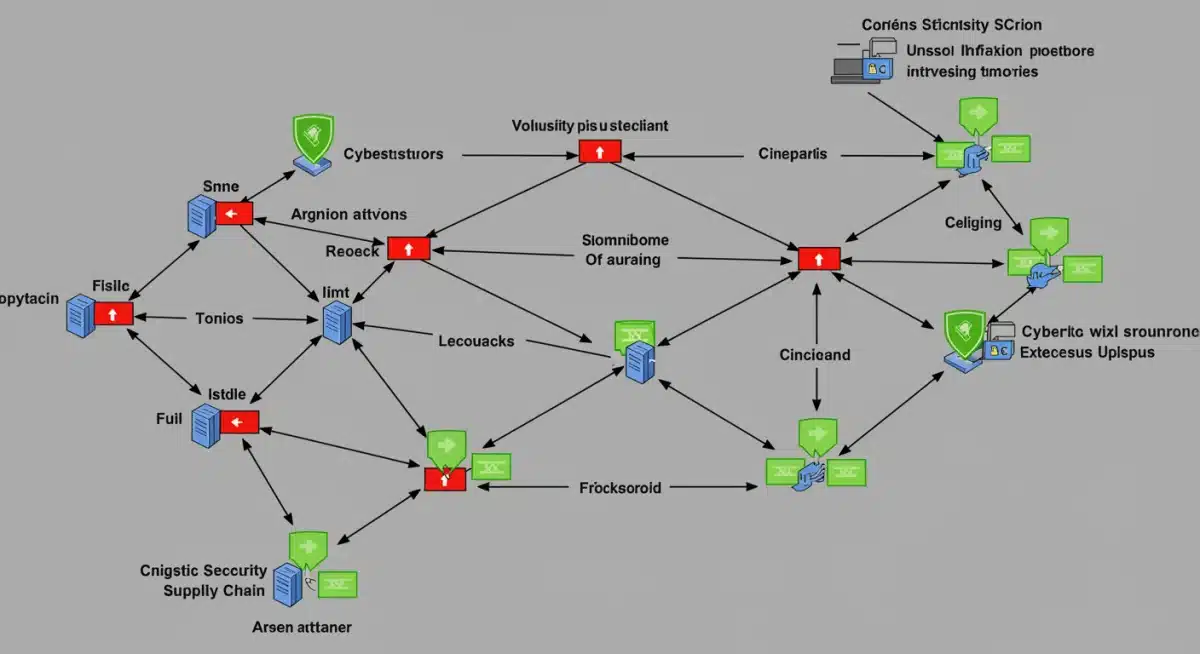
Collaboration and Information Sharing: The Foundation of Defense
No single entity can effectively combat the sophisticated and persistent cyber threats facing U.S. logistics networks. Therefore, collaboration and robust information sharing are recognized as the cornerstones of a resilient defense strategy. The proposed measures for 2025 heavily emphasize fostering stronger partnerships between government, industry, and even international allies to create a unified front against cyber adversaries.
Establishing secure and efficient channels for sharing threat intelligence is paramount. This includes sharing indicators of compromise (IOCs), attack methodologies, and vulnerability disclosures in a timely manner. When organizations have access to up-to-date information about emerging threats, they are better equipped to implement preventative measures and respond swiftly to attacks, minimizing potential damage and downtime.
Building a United Front Against Cyber Adversaries
Beyond technical information, collaboration also extends to joint training exercises, sharing best practices, and developing common frameworks for risk assessment and incident response. This ensures a consistent and coordinated approach across the diverse landscape of the logistics sector, from small trucking companies to large shipping ports.
- Public-Private Partnerships: Government agencies and private companies working together.
- Real-Time Threat Intelligence: Rapid dissemination of information on new cyber threats.
- Cross-Sector Collaboration: Sharing insights and strategies among different logistics segments.
- International Cooperation: Partnering with global allies to counter transnational cyber threats.
The proposed 2025 measures aim to formalize these collaborative efforts, integrating them into the operational fabric of the logistics industry. By fostering a culture of shared responsibility and mutual support, the U.S. can significantly enhance its collective ability to detect, prevent, and recover from cyberattacks, thereby safeguarding the integrity of its critical supply chains.
Preparing for the Future: Resilience and Adaptation
The dynamic nature of cybersecurity threats means that defense strategies cannot remain static. Preparing for the future requires a continuous commitment to resilience and adaptation. The new measures proposed for 2025 are not a one-time fix but rather a framework for ongoing improvement, designed to evolve with the threat landscape and ensure the long-term security of U.S. logistics networks.
This forward-looking approach includes investing in advanced technologies, such as artificial intelligence and machine learning for predictive threat analysis, and embracing zero-trust architectures that assume no user or device can be trusted by default. Furthermore, there’s a strong emphasis on developing a skilled cybersecurity workforce capable of managing complex systems and responding effectively to incidents.
Strategic Investments and Workforce Development
Building resilience also involves implementing robust business continuity and disaster recovery plans. In the event of a successful cyberattack, organizations must be able to quickly restore operations, minimize data loss, and maintain essential services. Regular testing of these plans is crucial to ensure their effectiveness in real-world scenarios.
- Continuous Risk Assessment: Regularly evaluating vulnerabilities and threat landscapes.
- Incident Response Planning: Developing and practicing effective recovery strategies.
- Cybersecurity Training: Ongoing education for all employees on best practices.
- Technological Innovation: Adopting cutting-edge tools and methodologies for defense.
The proposed measures for 2025 represent a significant step towards creating a more secure and adaptable U.S. logistics ecosystem. By focusing on proactive defense, strong collaboration, and continuous improvement, the nation can better protect its vital supply chains against the ever-present and evolving threat of cyberattacks, ensuring stability and prosperity for years to come.
| Key Point | Brief Description |
|---|---|
| Threat Increase | 8% rise in cybersecurity threats to U.S. logistics in the last six months, highlighting urgent vulnerability. |
| Economic Impact | Cyberattacks cause significant operational disruptions, financial losses, and supply chain instability. |
| 2025 Measures | Proactive strategies proposed including enhanced threat sharing, mandatory standards, and workforce training. |
| Collaboration Focus | Emphasizing public-private partnerships and international cooperation for a unified defense. |
Frequently Asked Questions About Logistics Cybersecurity
The U.S. logistics sector is a critical component of the economy, handling vast amounts of goods and data. Its increasing digitalization, interconnected systems, and potential for widespread disruption make it an attractive target for cybercriminals seeking financial gain or state-sponsored actors aiming for economic sabotage or intelligence gathering.
Common threats include ransomware, which encrypts data and demands payment; phishing attacks, designed to steal credentials; malware, which can disrupt operations; and supply chain attacks, where adversaries compromise a trusted vendor to gain access to larger networks. Data breaches and denial-of-service attacks are also prevalent.
The 2025 measures focus on proactive defense through enhanced threat intelligence sharing, mandatory cybersecurity standards, and significant investments in advanced security technologies. They also prioritize workforce development and foster stronger public-private partnerships to create a more resilient and adaptable logistics ecosystem.
Collaboration among government agencies, private logistics companies, and international partners is crucial. It enables real-time sharing of threat intelligence, facilitates joint training exercises, and promotes the adoption of best practices, creating a united and more effective front against sophisticated cyber adversaries.
Long-term benefits include enhanced supply chain resilience, reduced financial losses from cyber incidents, protection of sensitive data, and maintenance of public trust. It also safeguards national security interests by ensuring the uninterrupted flow of essential goods and services, fostering economic stability and growth.
Conclusion
The recent 8% surge in cybersecurity threats to U.S. logistics networks serves as a stark reminder of the urgent need for a fortified defense strategy. The proposed measures for 2025 represent a critical and timely response, aiming to transform the nation’s supply chain into a more resilient and secure entity. By prioritizing collaborative efforts, implementing stringent standards, and investing in advanced technologies and workforce development, the U.S. can proactively safeguard its economic backbone against the evolving landscape of cyber warfare. The integrity of our logistics infrastructure is not just an industry concern; it is a matter of national security and economic stability that demands continuous attention and adaptation.