U.S. Infrastructure Bill: Logistics Opportunities Ahead
The new U.S. Infrastructure Bill presents significant logistics opportunities over the next three months, impacting transportation networks, supply chain efficiency, and technological integration across various sectors.
Navigating the New U.S. Infrastructure Bill: Key Logistics Opportunities for the Next 3 Months is crucial for businesses aiming to capitalize on the impending tidal wave of investment. With billions allocated to revamp America’s foundational systems, understanding where and when these funds will impact the logistics sector can provide a significant competitive edge. Are you prepared to leverage these unprecedented changes?
Understanding the U.S. Infrastructure Bill’s Core Impact on Logistics
The bipartisan Infrastructure Investment and Jobs Act (IIJA), signed into law, represents a monumental commitment to modernizing America’s infrastructure. This legislation funnels substantial funding into critical areas such as roads, bridges, public transit, rail, ports, airports, and broadband internet. For the logistics sector, this isn’t just about smoother roads; it’s a foundational shift that will redefine operational efficiencies and open new avenues for growth.
At its heart, the bill aims to improve the physical arteries through which goods flow across the nation. Deteriorating infrastructure has long been a bottleneck for supply chains, causing delays, increasing fuel consumption, and adding to maintenance costs for logistics providers. The immediate impact, even within the next three months, will involve the initial allocation of funds, project planning, and the commencement of smaller-scale, high-impact repairs and upgrades.
Key Funding Allocations and Their Direct Relevance
- Roads and Bridges: The largest share of funding goes to repairing and rebuilding America’s roads and bridges. This directly reduces transit times, lowers vehicle wear and tear, and enhances safety for freight carriers.
- Ports and Waterways: Significant investments are earmarked for port infrastructure, including dredging, expanding terminals, and improving intermodal connections. This will alleviate congestion and increase capacity at critical entry and exit points for international trade.
- Railways: Modernization of rail networks, including upgrades to tracks, signals, and grade crossings, will improve the speed and reliability of rail freight, offering a more efficient alternative for long-haul transportation.
These investments are not merely about construction; they are about creating a more resilient, efficient, and interconnected logistics ecosystem. Companies that proactively identify where these funds are being deployed can strategically position themselves to benefit from improved transit corridors and enhanced cargo handling capabilities. The coming months will be critical for understanding the granular details of project rollouts.
Ultimately, the U.S. Infrastructure Bill promises to streamline the movement of goods, reduce operational costs for logistics companies, and create a more predictable supply chain environment. Businesses that thoroughly understand these core impacts will be better equipped to adapt their strategies and leverage the emerging opportunities across various transportation modes.
Enhanced Roadway Networks: A Boost for Trucking and Last-Mile Delivery
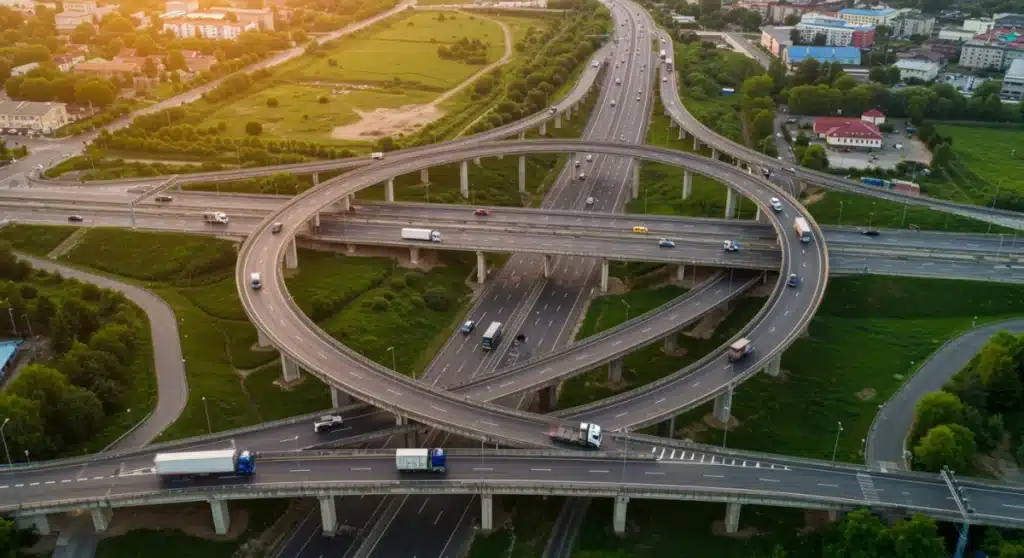
The revitalization of America’s roadway networks stands as a cornerstone of the U.S. Infrastructure Bill, offering profound implications for trucking and last-mile delivery services. Decades of underinvestment have led to a patchwork of roads riddled with potholes, aging bridges, and persistent congestion, all of which have hampered freight efficiency. The new bill commits substantial resources to address these issues, promising a smoother, faster, and safer journey for goods across the country.
For logistics companies, this translates directly into reduced operational costs and improved service reliability. Better road conditions mean less wear and tear on vehicles, decreasing maintenance expenses and extending the lifespan of fleets. Furthermore, reduced congestion, particularly in urban areas and critical freight corridors, will cut down on fuel consumption and improve delivery times, a significant advantage in the competitive last-mile delivery market.
Strategic Advantages for Trucking Companies
- Reduced Delays: Modernized highways and bridges will minimize bottlenecks, allowing trucks to maintain higher average speeds and adhere more closely to schedules.
- Lower Operating Costs: Smoother roads decrease tire wear, suspension damage, and fuel consumption, leading to substantial savings over time.
- Enhanced Safety: Improved road design and maintenance contribute to fewer accidents, protecting drivers and cargo while reducing insurance premiums.
The initial three months following the bill’s implementation will see states and local governments begin to outline specific projects. Logistics companies should monitor state Department of Transportation announcements and regional planning documents to identify key corridors slated for improvement. This foresight allows them to optimize routes, plan for temporary diversions, and ultimately, leverage the long-term benefits of enhanced infrastructure.
The impact on last-mile delivery is particularly noteworthy. As e-commerce continues its rapid growth, the efficiency of delivering goods from distribution centers to consumers’ doorsteps becomes paramount. Upgraded local roads and intelligent traffic management systems funded by the bill will enable faster and more predictable urban deliveries, directly improving customer satisfaction and reducing logistical complexities. Companies that integrate real-time infrastructure updates into their routing algorithms will gain a significant competitive edge in this evolving landscape.
Port and Rail Modernization: Unlocking Intermodal Efficiency
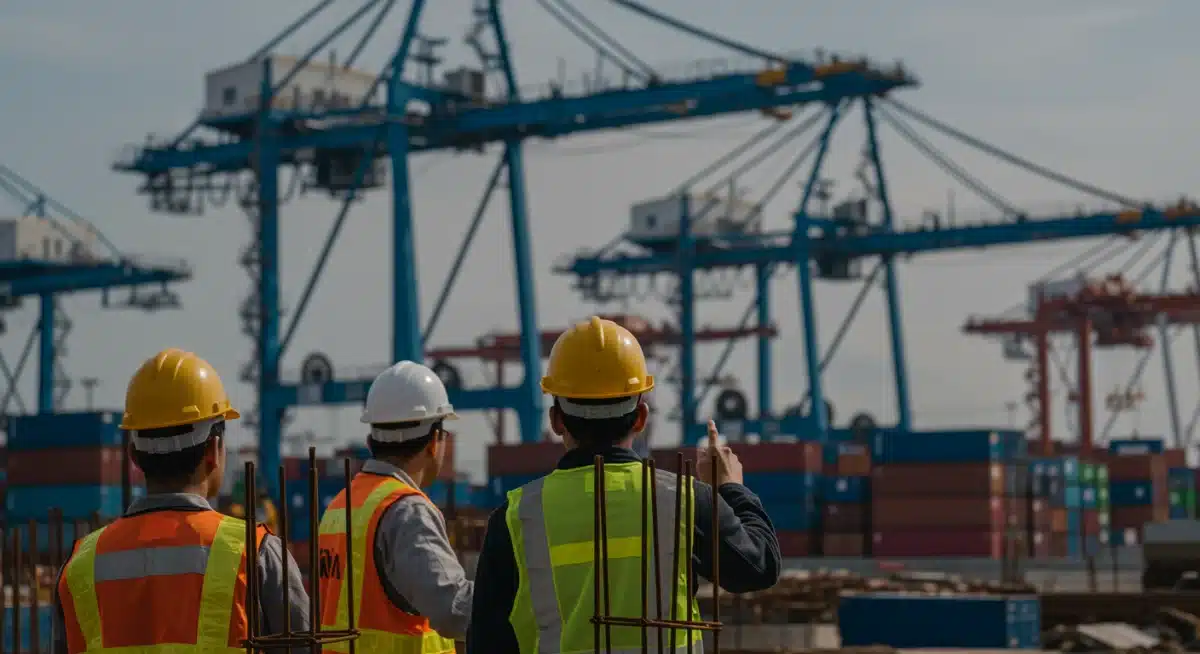
The U.S. Infrastructure Bill allocates significant resources to modernize the nation’s ports and rail networks, initiatives poised to revolutionize intermodal freight transport. Ports, acting as crucial gateways for international trade, have long struggled with congestion, outdated equipment, and insufficient capacity. Similarly, rail infrastructure, while vital for long-haul freight, often faces bottlenecks and connectivity issues. These investments aim to create a more seamless and efficient flow of goods from ship to rail to truck.
Improved port infrastructure will involve a range of upgrades, from deeper navigation channels to expanded container terminals and advanced cargo handling equipment. This will allow ports to accommodate larger vessels, process cargo more quickly, and reduce dwell times for containers. For logistics providers, this means faster turnaround times for imports and exports, leading to more predictable supply chains and reduced demurrage costs.
Rail Upgrades and Intermodal Connectivity
- Track and Signal Improvements: Modernizing rail tracks and signaling systems will increase train speeds and reduce delays, making rail a more attractive option for time-sensitive cargo.
- Intermodal Hub Expansion: Investments in intermodal facilities will enhance the transfer of cargo between rail, truck, and ship, streamlining the entire intermodal process.
- Grade Crossing Separations: Projects to separate rail lines from road traffic will reduce congestion at crossings and improve safety for both rail and road transport.
The synergistic effect of port and rail modernization cannot be overstated. By improving the efficiency of both modes independently and enhancing their connectivity, the bill fosters a more robust intermodal network. Logistics companies specializing in intermodal transport or those looking to diversify their freight strategies will find new opportunities to optimize their operations and reduce reliance on single modes of transport.
Over the next three months, logistics stakeholders should closely monitor federal and state announcements regarding specific port and rail projects. Early engagement with port authorities, rail operators, and regional development agencies can provide insights into project timelines and potential operational impacts. Understanding these developments will be key to adapting routing strategies, optimizing equipment utilization, and capitalizing on the enhanced intermodal capabilities that are soon to emerge.
Technological Integration: Smart Logistics and Digital Transformation
Beyond pouring concrete and laying tracks, the U.S. Infrastructure Bill also champions significant investments in technological integration, signaling a new era of smart logistics and digital transformation. This aspect of the bill recognizes that modern infrastructure isn’t just physical; it’s also about the intelligent systems that optimize its use. For the logistics sector, this means opportunities to leverage data, automation, and advanced communication technologies to enhance efficiency, safety, and sustainability.
Funding is directed towards initiatives like intelligent transportation systems (ITS), which include smart traffic signals, real-time traffic monitoring, and vehicle-to-infrastructure (V2I) communication. These technologies can provide logistics companies with unprecedented visibility into network conditions, enabling dynamic route optimization and more accurate estimated times of arrival (ETAs). Such advancements are critical for reducing fuel consumption and improving delivery predictability.
The expansion of broadband internet access, particularly in rural areas, also plays a pivotal role. Reliable connectivity is foundational for deploying IoT devices, telematics solutions, and cloud-based logistics platforms that enable remote monitoring and management of fleets and cargo. This digital backbone will empower logistics providers to adopt more sophisticated operational models and embrace emerging technologies like autonomous vehicles and drone delivery systems.
Opportunities in Digital Logistics Solutions
- Data Analytics Platforms: Increased data availability from smart infrastructure will fuel the demand for advanced analytics tools to optimize routes, predict maintenance needs, and manage inventory more effectively.
- Automation and Robotics: Investments in ports and warehouses can accelerate the adoption of automation technologies, from automated guided vehicles (AGVs) to robotic sorting systems, improving throughput and reducing labor costs.
- Cybersecurity for Logistics: As digital infrastructure expands, so does the need for robust cybersecurity measures to protect sensitive logistics data and operational systems from threats.
The next three months offer a critical window for logistics firms to assess their current technological capabilities and identify areas for integration with forthcoming smart infrastructure projects. Collaborating with technology providers and participating in pilot programs can provide early access to innovative solutions. Embracing this digital transformation is not just about keeping pace; it’s about unlocking new levels of operational excellence and competitive advantage in a rapidly evolving logistics landscape.
Workforce Development and Training: Addressing Labor Shortages
A significant, yet often overlooked, component of the U.S. Infrastructure Bill’s impact on logistics is its emphasis on workforce development and training. The logistics sector, particularly trucking, has been grappling with persistent labor shortages for years, a challenge exacerbated by an aging workforce and difficulties in attracting new talent. The bill aims to address these issues by funding programs that train and upskill workers for the modern infrastructure and logistics ecosystem.
These initiatives will focus on creating pathways for individuals to enter careers in transportation, construction, and related logistics fields. This includes funding for commercial driver’s license (CDL) training programs, apprenticeships for skilled trades in port operations and rail maintenance, and technical training for managing intelligent transportation systems. For logistics companies, this represents a crucial opportunity to alleviate staffing pressures and ensure a sustainable talent pipeline.
The investment in human capital is as vital as the investment in physical infrastructure. A highly skilled workforce is essential to operate and maintain the advanced systems and equipment that the bill will bring online. Logistics firms that proactively engage with these workforce development programs can play a direct role in shaping the curriculum and recruiting graduates, ensuring that newly trained workers possess the specific skills required by the industry.
Key Areas of Workforce Focus
- CDL Training Expansion: Increased funding for driver training schools and programs to address the acute shortage of truck drivers.
- Skilled Trades Apprenticeships: Development of apprenticeship programs for mechanics, equipment operators, and technicians in port, rail, and warehouse environments.
- Digital Skills Training: Programs to educate workers on new technologies like telematics, logistics software, and data analytics, crucial for smart logistics operations.
Over the next three months, logistics businesses should explore partnerships with educational institutions, community colleges, and workforce development boards to tap into these emerging talent pools. Participating in advisory committees for training programs can help ensure that the skills being taught align with industry needs. By investing in and collaborating with these initiatives, companies can secure the human resources necessary to fully leverage the infrastructure improvements and technological advancements supported by the bill.
Environmental Sustainability: Green Logistics Initiatives
The U.S. Infrastructure Bill also places a strong emphasis on environmental sustainability, presenting significant opportunities for green logistics initiatives. While the primary focus is on economic growth and efficiency, the bill integrates climate considerations into infrastructure planning, encouraging the adoption of cleaner technologies and sustainable practices across the transportation sector. This provides a clear impetus for logistics companies to embrace more eco-friendly operations, not only to comply with future regulations but also to gain a competitive edge.
Funding is directed towards projects that promote electric vehicles (EVs) and charging infrastructure, alternative fuel vehicles, and resilient infrastructure designed to withstand climate impacts. For logistics, this translates into incentives for fleet electrification, the development of hydrogen fuel cell technologies, and the optimization of routes to reduce emissions. Companies that proactively invest in sustainable logistics solutions will be well-positioned to benefit from grants, tax credits, and a growing consumer preference for environmentally responsible brands.
The bill encourages the development of multimodal transportation options, which inherently reduce the carbon footprint by shifting freight from less efficient modes to more sustainable ones, such as rail and water transport. Furthermore, investments in smart infrastructure can lead to optimized traffic flow, reducing idling times and associated emissions. These initiatives collectively contribute to a greener supply chain, aligning economic objectives with environmental stewardship.
Sustainable Logistics Opportunities
- Fleet Electrification: Access to funding for purchasing electric trucks and installing charging infrastructure, reducing reliance on fossil fuels.
- Alternative Fuels: Support for research and deployment of hydrogen, natural gas, and other alternative fuels for heavy-duty transport.
- Sustainable Urban Logistics: Development of localized distribution hubs and micro-fulfillment centers to reduce last-mile emissions.
In the coming three months, logistics companies should investigate federal and state programs offering incentives for sustainable practices. Engaging with industry associations and environmental agencies can provide valuable insights into emerging regulations and funding opportunities. By integrating green logistics into their core strategy, businesses can not only contribute to environmental protection but also achieve long-term cost savings and enhance their brand reputation in a market increasingly valuing sustainability.
Strategic Planning for Logistics Providers: Next Steps
For logistics providers, the next three months represent a critical window for strategic planning to effectively capitalize on the opportunities presented by the new U.S. Infrastructure Bill. While the full scope of projects will unfold over several years, immediate action is necessary to position businesses for success. This involves a multi-faceted approach that combines diligent research, proactive engagement, and agile adaptation to the evolving infrastructure landscape.
The first step is to conduct a thorough analysis of the bill’s specific allocations and project timelines relevant to their operational footprint. This means understanding which states and regions are receiving significant funding for road improvements, port modernizations, or rail upgrades that directly impact their current and potential routes. Identifying these hotspots will allow companies to anticipate changes in traffic patterns, demand for services, and potential new logistics corridors.
Engagement with government agencies, industry associations, and local planning committees is paramount. Attending public hearings, reviewing project proposals, and participating in discussions can provide invaluable early insights. Building relationships with stakeholders involved in infrastructure development can also open doors to new partnerships and collaborative ventures, especially for projects requiring specialized logistics support.
Immediate Strategic Actions
- Monitor Funding Announcements: Continuously track federal and state announcements regarding specific project awards and funding releases.
- Assess Operational Footprint: Evaluate how planned infrastructure improvements will impact existing routes, warehouses, and distribution networks.
- Invest in Technology: Prioritize investments in telematics, logistics software, and data analytics to leverage smart infrastructure data.
- Develop Workforce Strategies: Engage with training programs and educational institutions to address current and future labor needs.
Furthermore, logistics providers should reassess their current technological capabilities and identify areas where upgrades or new implementations can better integrate with smart infrastructure initiatives. This includes exploring advanced routing software, real-time tracking solutions, and data analytics platforms that can process the influx of new information from modernized networks. Adapting to these technological shifts will be crucial for maintaining efficiency and competitiveness.
Finally, a flexible and adaptable business model will be key. The infrastructure landscape will be dynamic, with construction phases, temporary detours, and evolving operational efficiencies. Logistics companies that can quickly adjust their strategies, optimize routes, and integrate new technologies will be best positioned to thrive. The next three months are not just about observing; they are about actively preparing and planning for a transformed logistics future.
| Key Logistics Area | Opportunity in Next 3 Months |
|---|---|
| Roadway Networks | Identify key state projects for route optimization and reduced transit times. |
| Port & Rail | Monitor modernization plans for intermodal efficiency and capacity gains. |
| Technological Integration | Prepare for smart logistics systems and enhanced data utilization. |
| Workforce Development | Engage with training programs to address labor shortages and upskill staff. |
Frequently Asked Questions About the Infrastructure Bill and Logistics
The bill allocates significant funds for repairing and upgrading highways and bridges. This will lead to smoother roads, reduced congestion, and potentially new or improved freight corridors, allowing trucking companies to optimize routes for faster transit times and lower operational costs. Monitoring state DOT plans is key.
Port modernization will enhance cargo handling capacity, reduce vessel dwell times, and improve intermodal connections. Logistics companies can benefit from increased efficiency, faster turnaround of goods, and new opportunities for drayage and warehousing services near upgraded port facilities. Early engagement with port authorities is advisable.
The bill includes funding for electric vehicle charging infrastructure, alternative fuel development, and multimodal transportation projects. Logistics companies can leverage these initiatives through grants and incentives for fleet electrification, adopting cleaner fuels, and optimizing operations to reduce their carbon footprint and promote green logistics.
The bill invests in intelligent transportation systems and broadband expansion, which will enable smart logistics. This includes real-time traffic data for dynamic routing, enhanced connectivity for IoT devices, and digital platforms that improve supply chain visibility and efficiency. Companies should prepare for greater technological integration.
The bill funds workforce development programs, including CDL training and apprenticeships for skilled trades in transportation. Logistics companies can engage with these programs to recruit new talent, upskill existing employees, and collaborate with educational institutions to ensure a steady supply of qualified workers for the evolving needs of the sector.
Conclusion
The new U.S. Infrastructure Bill marks a transformative moment for the nation’s logistics landscape, offering a wealth of opportunities that extend far beyond mere construction projects. By understanding the intricate details of funding allocations, preparing for technological integration, and proactively engaging with workforce development initiatives, logistics providers can strategically position themselves for unprecedented growth. The next three months are crucial for laying the groundwork, enabling businesses to not only adapt to these changes but also to lead in the creation of a more efficient, resilient, and sustainable supply chain for the future.