Urban rail electrification programs: powering the future
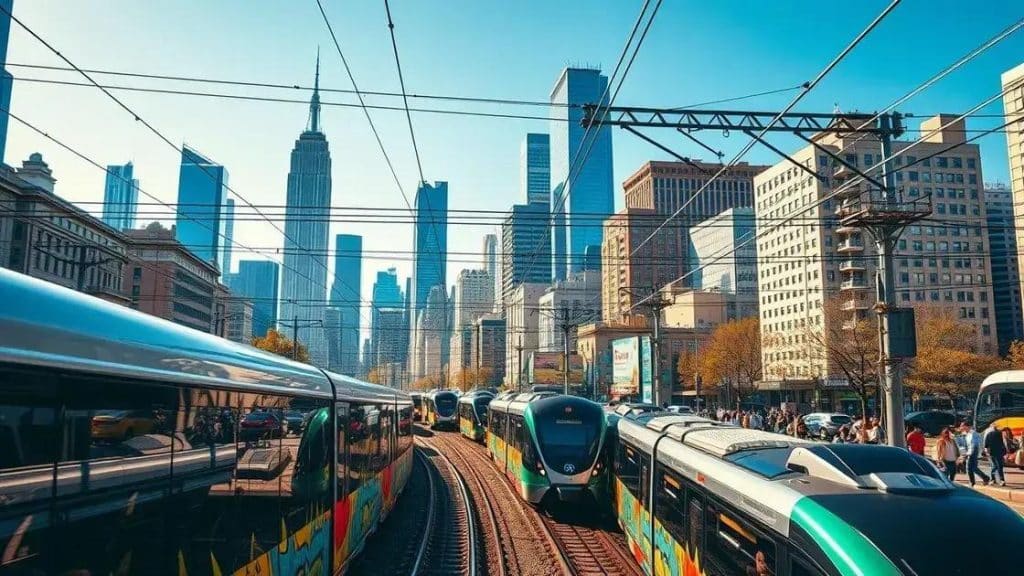
Urban rail electrification programs enhance sustainability by reducing emissions, improving urban mobility, and boosting local economies, despite challenges like initial costs and technological integration.
Urban rail electrification programs play a crucial role in enhancing urban transport systems and reducing emissions. Have you ever considered how these programs impact your daily commute? Here, we’ll delve into the benefits and challenges of this innovative approach.
The importance of urban rail electrification
Understanding the importance of urban rail electrification is essential for modern cities. This key transformation promotes sustainable transportation systems, reduces pollution, and enhances the efficiency of mass transit.
One major benefit of electrification is the reduction of greenhouse gas emissions. By shifting away from fossil fuels, cities can significantly lower their carbon footprints. In many urban settings, electric trains are not only quieter but also contribute to a more pleasant environment.
Improved Energy Efficiency
Electric trains are often more energy-efficient than their diesel counterparts. This efficiency translates to less energy consumption per passenger mile, saving cities money on fuel costs in the long run.
Economic Benefits
Electrifying urban rail systems can boost local economies. Here are some ways this occurs:
- Driving job creation in construction and maintenance
- Attracting businesses to well-connected transit areas
- Increasing property values near electrified rail lines
- Reducing operating costs for transit authorities
The integration of electrified rail promotes public transit usage. When cities offer reliable and efficient alternatives to cars, more people choose to ride the trains. This shift not only decreases traffic congestion but also supports sustainable urban growth.
Moreover, the importance of urban rail electrification extends to enhancing the resilience of urban transport infrastructures. By investing in electrified systems, cities prepare themselves to better handle future energy demands while minimizing their environmental impact. With advancements in battery and charging technology, urban rail systems can adapt to a variety of energy sources, further promoting sustainability.
As we look towards the future, the role of urban rail electrification becomes clearer. It’s not just about transportation; it’s about creating vibrant, sustainable cities that prioritize public health and environmental stewardship.
Key technologies in rail electrification
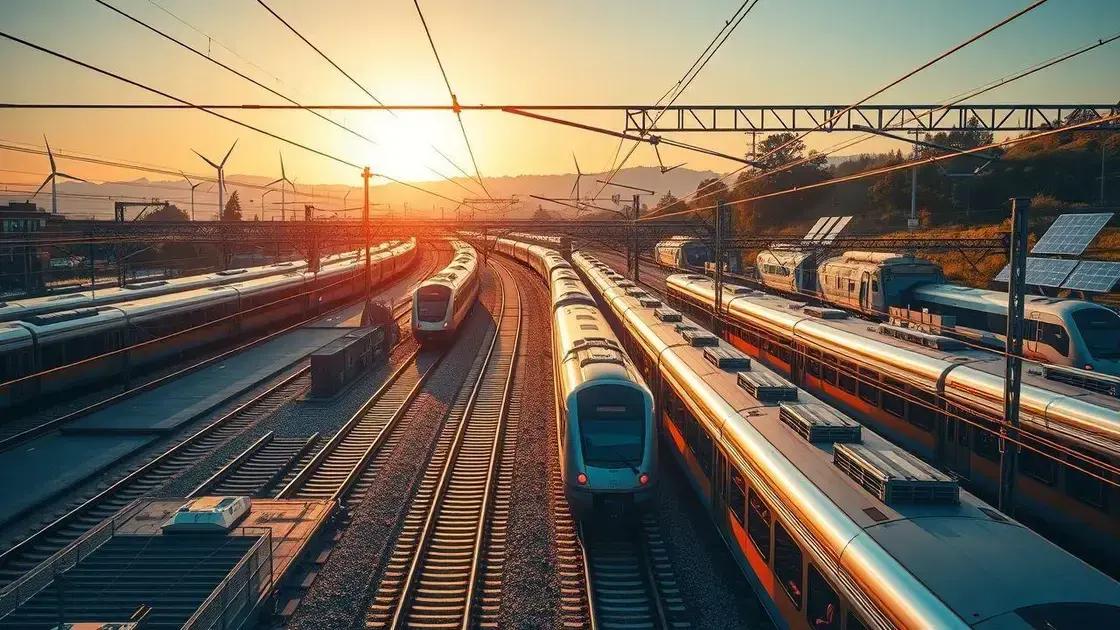
Exploring the key technologies in rail electrification reveals the advancements that are shaping sustainable transit. These technologies enhance efficiency, reduce emissions, and are vital for modern urban infrastructure.
One of the major technologies is the overhead line system. This system delivers electricity from overhead wires to the trains, allowing for continuous power supply during transit. Additionally, technologies such as third rail systems provide power through a rail located alongside the tracks, delivering energy in a different yet effective manner.
Energy Storage Solutions
Innovations in energy storage are also making waves in rail electrification. Battery systems are being integrated into trains to manage energy more efficiently. These systems allow trains to store energy generated during braking, which helps in reducing overall energy consumption. Efficient energy storage enhances the reliability of urban rail systems.
Alternative Energy Sources
Another interesting aspect is the shift towards renewable energy sources. Many electrified rail systems are now powered by solar or wind energy. This not only decreases reliance on fossil fuels but also supports environmental goals. The use of renewable energy can result in lower operational costs and a smaller carbon footprint.
Additionally, the development of smart grid technologies plays a crucial role in modernizing rail electrification. These technologies manage the flow of electricity and optimize energy usage across the network. By integrating data and communication technologies, rail systems can enhance their performance and adapt to changing energy demands.
With the advancements in these key technologies, urban rail electrification continues to evolve. It empowers cities to create efficient transit solutions that are not only reliable but also environmentally friendly, supporting the goal of sustainable urban development.
Case studies of successful electrification programs
Examining case studies of successful electrification programs provides valuable insights into how various cities have transformed their rail systems. These examples highlight the benefits and challenges encountered during the process of electrification.
One notable case is the California High-Speed Rail, which aims to connect major cities in California efficiently. This program is not just about high-speed travel; it also emphasizes sustainability. By using electrified trains powered by renewable energy, this initiative sets a benchmark for future rail projects.
London’s Overground Electrification
Another successful example is the London Overground electrification. This project involved electrifying existing commuter lines, significantly enhancing service frequency and reliability. With the introduction of electric trains, the line improved air quality and reduced noise pollution across the city.
Germany’s Regional Electrification
Germany has also been a leader in rail electrification. The German regional rail network has successfully electrified a majority of its railway lines. The Deutsche Bahn has committed to making investments to ensure that more trains are electric, reducing reliance on fossil fuels and cutting emissions dramatically.
These case studies show that electrification is a viable solution to modern transportation challenges. Each initiative faced unique obstacles, yet the results reveal impressive benefits, including increased efficiency, decreased operational costs, and improved passenger experiences. As cities continue to invest in electrified rail systems, the potential for sustainable urban transport grows.
Challenges and future prospects for electrification
Understanding the challenges and future prospects for electrification helps us grasp the complexities involved in transitioning to electric rail systems. Many cities face hurdles as they aim to improve their public transport.
One significant challenge is the initial cost of electrification. Installing the necessary infrastructure, such as overhead lines and substations, can require substantial investment. Cities need to budget for these expenses while balancing other financial priorities.
Technological and Infrastructure Challenges
Another hurdle involves technology integration. Upgrading existing rail systems to accommodate electrification is often a complex process. This integration may require new technology, skilled labor, and time to ensure safety and reliability.
Environmental and Regulatory Issues
Environmental regulations can also complicate electrification efforts. Cities must navigate a maze of compliance requirements that can delay or alter project timelines. Additionally, securing community support for electrification projects can pose a challenge, as some residents might be concerned about noise and visual impacts.
Looking towards the future, the prospects for electrification remain bright. Advances in battery technology and renewable energy sources are paving the way for more efficient systems. Innovations like battery-electric trains and hybrid systems are already in development, promising to enhance operational efficiency while reducing environmental impacts.
Moreover, as cities become more aware of their carbon footprints, the push for electrified rail systems continues to grow. Government policies and funding opportunities are increasingly supporting electrification projects, making them more feasible for communities.
With a strong commitment to sustainable transport and investment in new technologies, the future of rail electrification looks promising. As challenges are addressed, cities can move towards cleaner, more efficient transit systems that benefit both the environment and the economy.
In conclusion, urban rail electrification programs are vital for creating a sustainable and efficient transportation system. They offer environmental benefits, enhance urban mobility, and contribute to economic growth. While challenges remain, advancements in technology and increasing support from governments can pave the way for successful electrification projects. By embracing these innovations, cities can build a cleaner future for public transit, helping to reduce pollution and improve quality of life for all residents.
FAQ – Frequently Asked Questions about Urban Rail Electrification
What is urban rail electrification?
Urban rail electrification refers to the process of powering trains through electric systems instead of fossil fuels, which enhances sustainability.
What are the environmental benefits of electrification?
Electrification reduces greenhouse gas emissions and air pollution, contributing to a cleaner urban environment.
What challenges do cities face during electrification projects?
Cities often encounter high initial costs, technological integration complexities, and regulatory hurdles when implementing electrification.
How do electrified rail systems impact local economies?
Electrified rail systems can stimulate economic growth by creating jobs, increasing property values, and attracting businesses to transit-oriented areas.