Updates on international port congestion: what you need to know
Updates on international port congestion have significant impacts on supply chains, causing delays and increased costs, while businesses must adopt strategies like technology integration and diversified transportation to navigate these challenges effectively.
Updates on international port congestion are more critical than ever as businesses navigate the complexities of global trade. Have you noticed the rising delays in your shipments? This article dives into the current situation, exploring strategies to cope with these challenges.
Current state of global port congestion
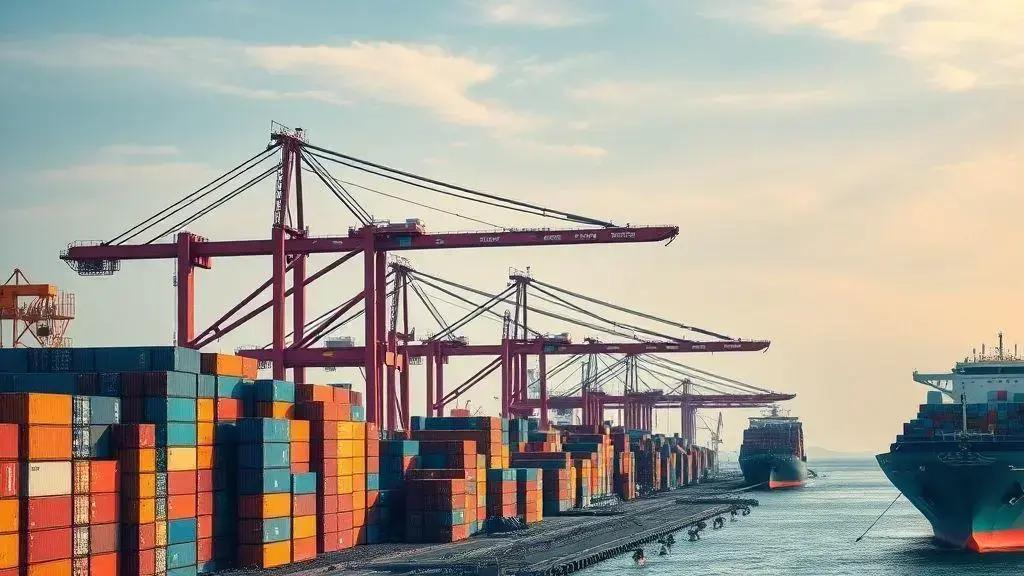
The current state of global port congestion is a pressing issue affecting various industries worldwide. As shipping demands surge, many ports are struggling to cope, leading to significant delays and increased costs for businesses.
Reasons for Congestion
Several factors contribute to the ongoing congestion at ports. These include:
- Increased global demand: The rise in online shopping and global trade has put immense pressure on shipping routes.
- Labor shortages: Many ports are experiencing a lack of available workers, impacting loading and unloading times.
- Supply chain disruptions: Natural disasters and geopolitical tensions often delay shipments worldwide.
- Limited infrastructure: Ports are often not equipped to handle the volume of containers arriving.
Ports like Los Angeles and Long Beach in the United States have reported unprecedented bottlenecks due to these factors. As a result, ships are waiting longer to dock, causing a domino effect throughout supply chains.
Additionally, global shipping lines are adjusting their schedules in response to these delays. Some are even bypassing congested ports altogether. This situation highlights the need for innovations in logistics and port operations to better manage the flow of goods.
Global Impact
The implications of port congestion extend beyond just shipping companies. Businesses of all sizes face increased costs due to delays. Manufacturers, retailers, and consumers are all affected, leading to spikes in prices for essential goods.
In conclusion, the current state of global port congestion necessitates immediate attention from policymakers and industry leaders. By addressing the underlying issues and investing in infrastructure, we can hope to alleviate some of these challenges in the near future.
Impact of congestion on supply chains
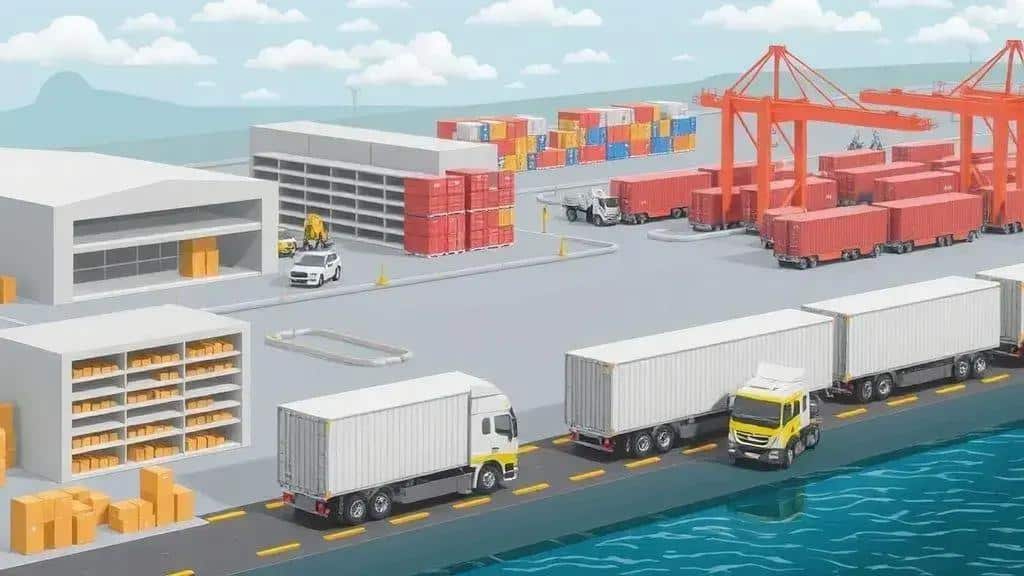
The impact of congestion on supply chains is far-reaching and affects every link in the logistics process. As ports become congested, delays in shipping can ripple throughout entire industries.
Delays in Delivery
One immediate consequence is that products take longer to reach their destinations. This can lead to:
- Inventory shortages: Retailers may struggle to keep shelves stocked due to delayed shipments.
- Increased costs: Businesses might incur higher freight costs as they look for faster shipping alternatives.
- Customer dissatisfaction: Delays can frustrate consumers, leading to lost sales and negative reviews.
As stocks dwindle, businesses often resort to air freight or expedited services, which can be significantly more expensive. This affects their bottom line, with costs transferred to consumers.
Effects on Production
Manufacturers also feel the strain of port congestion. When raw materials can’t arrive on time, production lines may halt or slow down. This inefficiency can lead to:
- Reduced output: Factories might not meet production targets, leading to lost contracts.
- Increased operational costs: Companies may end up paying overtime to keep up with demand when supplies allow.
- Workforce challenges: Uncertain production schedules can make it hard to maintain a stable workforce.
Many businesses are now reconsidering their supply chain strategies to mitigate these effects. Some are diversifying suppliers, while others are looking into local sourcing to avoid long shipping times.
The impact of congestion extends beyond financial implications. It can affect overall market dynamics and the competitive landscape. For instance, companies that adapt quickly to supply chain disruptions may gain an edge over slower competitors.
Strategies to mitigate port delays
Finding effective strategies to mitigate port delays is essential for businesses looking to maintain smooth operations. As congestion at international ports increases, companies must adapt and find ways to navigate these challenges.
Enhancing Supply Chain Visibility
One key strategy involves improving supply chain visibility. By using tracking technologies, businesses can monitor their shipments in real-time. This allows companies to:
- Identify delays early: Keeping track of where shipments are helps managers anticipate potential issues.
- Plan alternative routes: With real-time data, businesses can quickly adjust logistics as needed.
- Communicate better: Keeping customers informed about their orders enhances trust and satisfaction.
Many companies are investing in software that offers these capabilities, making the logistics process more transparent.
Diversifying Transportation Options
Another effective strategy is to diversify transportation options. Relying solely on one method can exacerbate issues in a congested environment. Businesses can consider:
- Utilizing rail transport: Railways can often move goods faster in certain regions.
- Choosing multiple ports: Utilizing different ports decreases dependence on any single location.
- Exploring air freight: While more expensive, air freight can be a viable alternative for critical shipments.
Diversifying transportation helps ensure that if one route has delays, clients can still receive their products through other means.
Finally, forming partnerships with logistics providers allows businesses to collaborate on better routing and scheduling. As production and shipment can fluctuate, coordinated efforts can minimize disruptions significantly.
Future outlook for international shipping
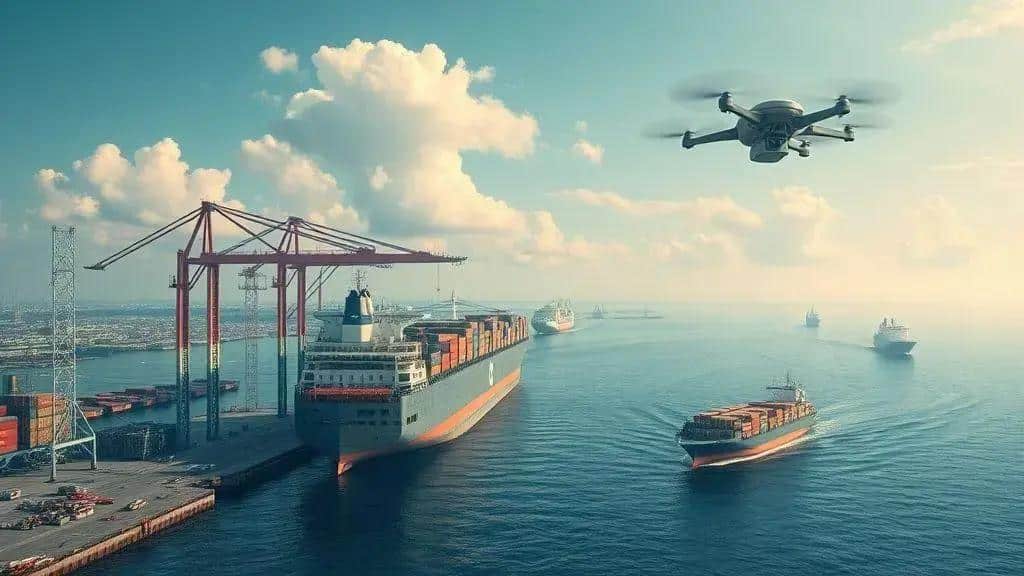
The future outlook for international shipping is shaped by ongoing changes in technology, regulations, and market demands. As global trade continues to evolve, businesses must adapt to stay competitive.
Technological Advancements
One major influence is technology. Innovations are making shipping faster and more efficient. Emerging technologies include:
- Automation: Automated shipping ports and self-driving trucks are gaining traction, allowing for quicker turnaround times.
- Blockchain: This technology improves transparency in shipping transactions and reduces fraud.
- AI and analytics: Companies can analyze data to optimize routes and reduce costs.
These advancements aim to streamline operations and improve service reliability.
Environmental Regulations
Another key factor is the increasing focus on sustainability. Governments are implementing stricter environmental regulations to reduce ship emissions. As a result, shipping companies may need to adopt:
- Cleaner fuel sources: Moving towards eco-friendly fuels like LNG to minimize pollution.
- More efficient ships: Investing in newer vessels that consume less fuel and generate lower emissions.
- Carbon offset programs: Engaging in programs that help mitigate their environmental impact.
These regulations represent both a challenge and an opportunity for the shipping industry.
Consumer demand for faster delivery times is also influencing the future of shipping. With e-commerce growth, companies are exploring new ways to meet buyer expectations. Innovations like drone deliveries and micro-fulfillment centers are being tested to speed up last-mile delivery.
The future outlook for international shipping emphasizes the importance of flexibility and resilience. Companies that can adapt to rapidly changing circumstances will likely thrive in this competitive environment.
The future of international shipping holds both challenges and opportunities. As technology advances, companies can improve efficiency, reduce costs, and enhance customer satisfaction. Adapting to environmental regulations will be crucial for sustainability. Businesses that embrace innovative solutions will thrive in this changing landscape. Overall, the focus remains on flexibility and resilience in a dynamic global market.
FAQ – Questions About the Future of International Shipping
What are the key technologies shaping the future of shipping?
Technologies like automation, blockchain, and AI are enhancing efficiency and transparency in the shipping process.
How are environmental regulations impacting shipping companies?
Shipping companies must adapt by using cleaner fuels and more efficient ships to comply with stricter environmental laws.
What strategies can businesses use to deal with shipping delays?
Businesses can improve supply chain visibility, diversify transportation options, and collaborate with logistics partners to mitigate delays.
Why is flexibility important in international shipping?
Flexibility allows companies to quickly adapt to changes in demand, regulations, and technological advancements in the shipping industry.