Transportation policy news for 2025: what to expect

Transportation policy news for 2025 highlights significant changes driven by emerging technologies, community engagement, and a focus on sustainable practices to enhance urban mobility and meet public needs.
Transportation policy news for 2025 is shaping the way we think about our daily commutes. As new regulations come into play, it’s essential to stay informed about how these changes might affect your travel experience. Ready to dive into the details?
Key changes in transportation regulations for 2025
Key changes are coming in transportation regulations for 2025. These changes aim to improve safety, efficiency, and sustainability in our transit systems. Understanding these updates will help us navigate the evolving landscape of transportation policies.
Major Regulatory Changes
One significant change in transportation regulations involves stricter emissions standards for vehicles. This shift aims to reduce air pollution and promote cleaner transportation options. Additionally, cities are adopting new zoning laws that encourage public transportation and cycling over personal vehicle use.
- Increased penalties for traffic violations.
- Enhanced safety regulations for ride-sharing services.
- New incentives for electric vehicle purchases.
As public transportation evolves, many jurisdictions are implementing innovations such as smart traffic signals and integrated transit apps. These developments will ensure commuters have access to real-time information about their travel options. The intent is to create a seamless connection between various modes of transport.
Impact on Commuters
These regulatory changes not only affect vehicle manufacturers but also impact daily commuters. Increased public transport availability should lead to reduced congestion on the roads. Commuters will find traveling easier as more resources are allocated toward improving existing transportation infrastructure.
- Focus on multimodal transportation solutions.
- Development of dedicated bike lanes and walking paths.
- Expansion of commuter rail services to surrounding areas.
It’s essential to stay informed about these changes because they will likely influence travel costs and options. By understanding the implications of new regulations, individuals can adapt to the shifts that will shape our daily commutes.
Impact of new transportation policies on urban mobility
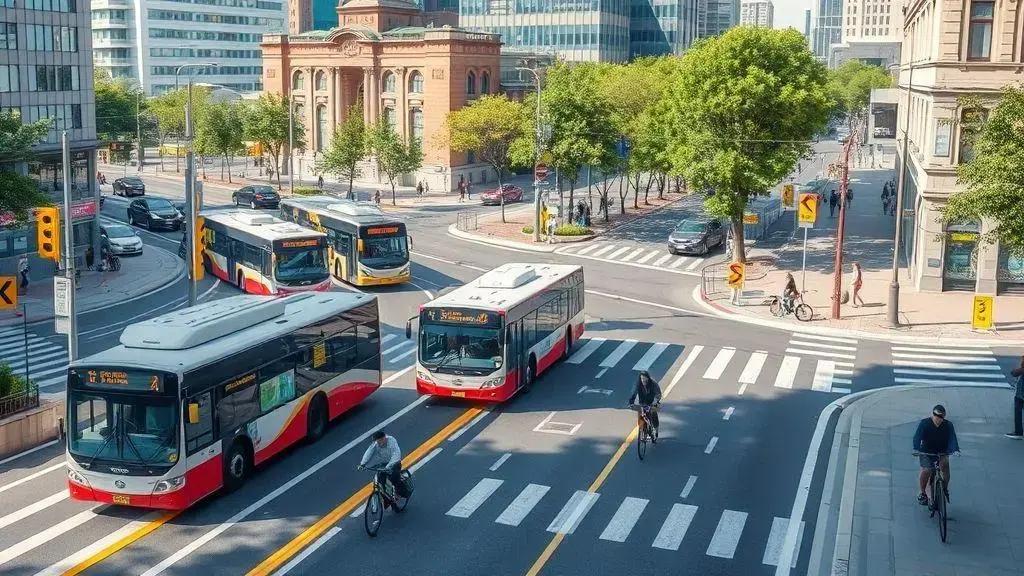
The impact of new transportation policies on urban mobility is significant and far-reaching. As cities embrace innovative solutions, commuters will experience a shift in how they navigate urban areas.
Enhanced Public Transportation Options
One major change is the enhancement of public transportation services. With increased funding and technological advancements, cities are expanding bus and train routes to cover more areas. This means shorter wait times and more reliable services for commuters.
- Introduction of express bus services
- Enhanced frequency of trains and subways
- Integration of mobile apps for real-time tracking
Moreover, initiatives aimed at decreasing car dependency will lead to more people using public transit. This is crucial for reducing traffic congestion and lowering carbon emissions.
Encouragement of Non-Motorized Transport
Another key focus is the promotion of non-motorized transport, such as walking and cycling. Cities are investing in dedicated bike lanes and pedestrian-friendly pathways. This shift not only benefits the environment but also improves public health.
- Safe bike lanes along major roads
- Expanded walking paths in urban centers
- Bike-sharing programs for easy access
As urban mobility evolves, policies are also addressing the importance of mixed-use spaces. These areas will allow residents to live, work, and shop without needing a car. This approach fosters community engagement and sustainability.
Emerging technologies and their role in transportation
Emerging technologies are shaping the future of transportation. These innovations promise to make travel safer, faster, and more efficient. Understanding their role is crucial as we approach 2025.
Artificial Intelligence in Traffic Management
Artificial intelligence (AI) is revolutionizing how we manage traffic flows in cities. By analyzing real-time data, AI can optimize traffic signals, reduce congestion, and improve public transportation schedules. Cities using AI report better traffic management and fewer accidents.
- Improved traffic signal timing
- Automated incident detection
- Enhanced route planning for buses
These advancements make commuting easier and more reliable for everyone.
Electric and Autonomous Vehicles
Another exciting development is the rise of electric vehicles (EVs) and autonomous vehicles (AVs). The push for sustainability has led to more EV options, encouraging drivers to switch to cleaner alternatives. At the same time, AV technology is set to change how we think about personal transportation.
- Increased availability of EV charging stations
- Policies incentivizing EV purchases
- Safety improvements with autonomous features
These technologies not only reduce emissions but also aim to reduce the number of accidents caused by human error, promoting safer roads for all.
Mobility as a Service (MaaS)
Mobility as a Service (MaaS) is a concept that integrates various transportation services into a single accessible platform. This allows users to plan, book, and pay for travel using multiple modes of transport with ease. The goal of MaaS is to provide a seamless travel experience.
- Integration of public transit, ride-sharing, and biking
- Real-time travel information for users
- Flexible payment options for ease of use
As MaaS continues to develop, it holds the potential to make transportation more efficient and user-friendly.
Public reactions to proposed transportation policies

Public reactions to proposed transportation policies are crucial for understanding their potential success or failure. As cities draft and propose new regulations, community feedback plays an essential role in shaping these policies.
Voices of Concern
Many residents express concerns about how changes will affect their daily lives. Issues such as increased taxes for funding new infrastructure or potential job losses due to automation can stir apprehension. It’s essential for policymakers to address these concerns transparently to foster trust.
- Effects on local businesses and employment
- Potential increases in commute times
- Concerns over affordability of public transportation
Listening to residents helps ensure that policies meet the community’s needs and expectations.
Support for Sustainable Initiatives
On the other hand, there is a growing support for sustainable initiatives aimed at reducing carbon emissions. As awareness about climate change rises, many advocates push for greener transportation options. This includes better public transit, cycling infrastructure, and electric vehicle incentives.
- Desire for expanded bike lanes
- Support for electric vehicle charging stations
- A call for investment in renewable energy for transport
These proactive voices can influence decision-makers to prioritize environmental considerations in their policies.
Community Engagement and Feedback
Community engagement is vital in shaping transportation policies. Public meetings, surveys, and forums allow residents to voice their opinions, provide suggestions, and ask questions. This input can lead to better-adjusted policies that reflect the public’s needs.
- Opportunities for community input through town halls
- Online platforms for feedback and discussion
- Collaborative efforts with local organizations
As engagement continues to grow, policymakers are better equipped to create effective transportation solutions that resonate with the public.
FAQ – Frequently Asked Questions about Transportation Policies
What are some common public concerns about new transportation policies?
Residents often worry about how changes may affect commute times, job security, and the cost of public transportation.
How are communities getting involved in shaping transportation policies?
Communities engage through public forums, surveys, and town hall meetings, allowing residents to provide feedback and suggestions.
What kind of support is there for sustainable transportation initiatives?
There is increasing support for initiatives like electric vehicles, expanded public transit, and cycling infrastructure aimed at reducing emissions.
Why is public feedback important for transportation policies?
Public feedback helps policymakers understand community needs, leading to more effective and accepted transportation solutions.