Sustainable Urban Development: A 6-Step Smart City Framework for U.S. Cities
Achieving Sustainable Urban Development: A 6-Step Framework for U.S. Cities Using Smart Technology in 2026
In an era defined by rapid urbanization and the pressing challenges of climate change, the concept of sustainable urban development has transcended from an aspirational ideal to an urgent necessity. For U.S. cities, the path to a greener, more resilient, and equitable future lies in the strategic integration of smart technology with thoughtful urban planning. As we look towards 2026 and beyond, cities are tasked with not just growing, but growing smarter and more sustainably. This article outlines a comprehensive 6-step framework designed to guide U.S. cities in achieving robust sustainable urban development, leveraging the power of smart technology to create thriving, future-proof urban environments.
The journey towards sustainable urban development is multifaceted, requiring a holistic approach that considers environmental impact, social equity, and economic viability. Smart technologies, from IoT sensors and AI-powered analytics to advanced connectivity, offer unprecedented tools to address these complex challenges. By adopting this framework, cities can transform their operations, enhance citizen quality of life, and build a legacy of sustainability for generations to come. This isn’t merely about technological adoption; it’s about a paradigm shift in how we conceive, build, and manage our urban spaces.
Step 1: Vision, Stakeholder Engagement, and Policy Integration for Sustainable Urban Development
The foundation of any successful sustainable urban development initiative is a clear, shared vision. This vision must be developed through extensive stakeholder engagement, ensuring that the diverse needs and aspirations of residents, businesses, community organizations, and government agencies are considered. A truly sustainable city is one that reflects the values and priorities of its people. This initial phase involves more than just gathering input; it’s about fostering collaboration and building consensus around common goals for urban sustainability.
Defining the Vision: What Does Sustainable Look Like for Your City?
Each city’s definition of sustainable urban development will be unique, influenced by its geographical location, economic drivers, social demographics, and existing infrastructure. Some cities might prioritize renewable energy adoption, while others might focus on enhancing public transportation or developing green spaces. The vision should be ambitious yet achievable, outlining specific, measurable, attainable, relevant, and time-bound (SMART) objectives. For instance, a vision might include reducing carbon emissions by 50% by 2035, increasing green space per capita by 20% by 2030, or achieving zero waste in specific districts by 2028.
Engaging All Voices: The Power of Participatory Planning
Effective stakeholder engagement is crucial. This goes beyond public meetings; it involves creating accessible platforms for dialogue, utilizing digital tools for feedback, and actively reaching out to marginalized communities whose voices are often unheard. Workshops, citizen juries, online forums, and partnerships with local universities and non-profits can facilitate a robust participatory planning process. The goal is to ensure that the vision for sustainable urban development is truly co-created, fostering a sense of ownership and collective responsibility among citizens.
Policy Integration: Embedding Sustainability into Governance
Once a vision is established, it must be integrated into the city’s policy framework. This means updating zoning laws, building codes, transportation plans, and economic development strategies to align with sustainability goals. Policies should encourage green building practices, incentivize renewable energy, promote public transit and active mobility, and support waste reduction initiatives. Furthermore, cities should consider establishing dedicated sustainability offices or task forces to oversee the implementation and monitoring of these policies. This integration ensures that sustainable urban development is not just a standalone project but an inherent part of the city’s ongoing governance.
For example, a city might revise its zoning ordinances to allow for mixed-use developments that reduce reliance on cars, or implement a progressive tax structure that rewards businesses adopting eco-friendly practices. The policy framework should also address social equity, ensuring that sustainability initiatives benefit all residents, particularly those in underserved communities. This might involve creating affordable housing near public transit hubs or investing in green infrastructure in low-income neighborhoods.
Step 2: Smart Infrastructure Development and Digital Backbone
With a clear vision and supportive policies in place, the next step involves building the physical and digital infrastructure necessary for sustainable urban development. This includes investing in smart technologies that can optimize resource consumption, improve urban services, and enhance overall efficiency. A robust digital backbone is the nervous system of a smart, sustainable city.
The Digital Backbone: Connectivity and Data Infrastructure
A high-speed, reliable digital infrastructure is paramount. This includes widespread broadband access, 5G networks, and secure data centers. These technologies enable the seamless flow of information from a multitude of sensors and devices across the city. Without a strong digital backbone, the potential of smart technologies for sustainable urban development cannot be fully realized. Cities should explore public-private partnerships to accelerate the deployment of these critical infrastructures, ensuring equitable access for all residents and businesses.
Smart Energy Grids and Renewable Integration
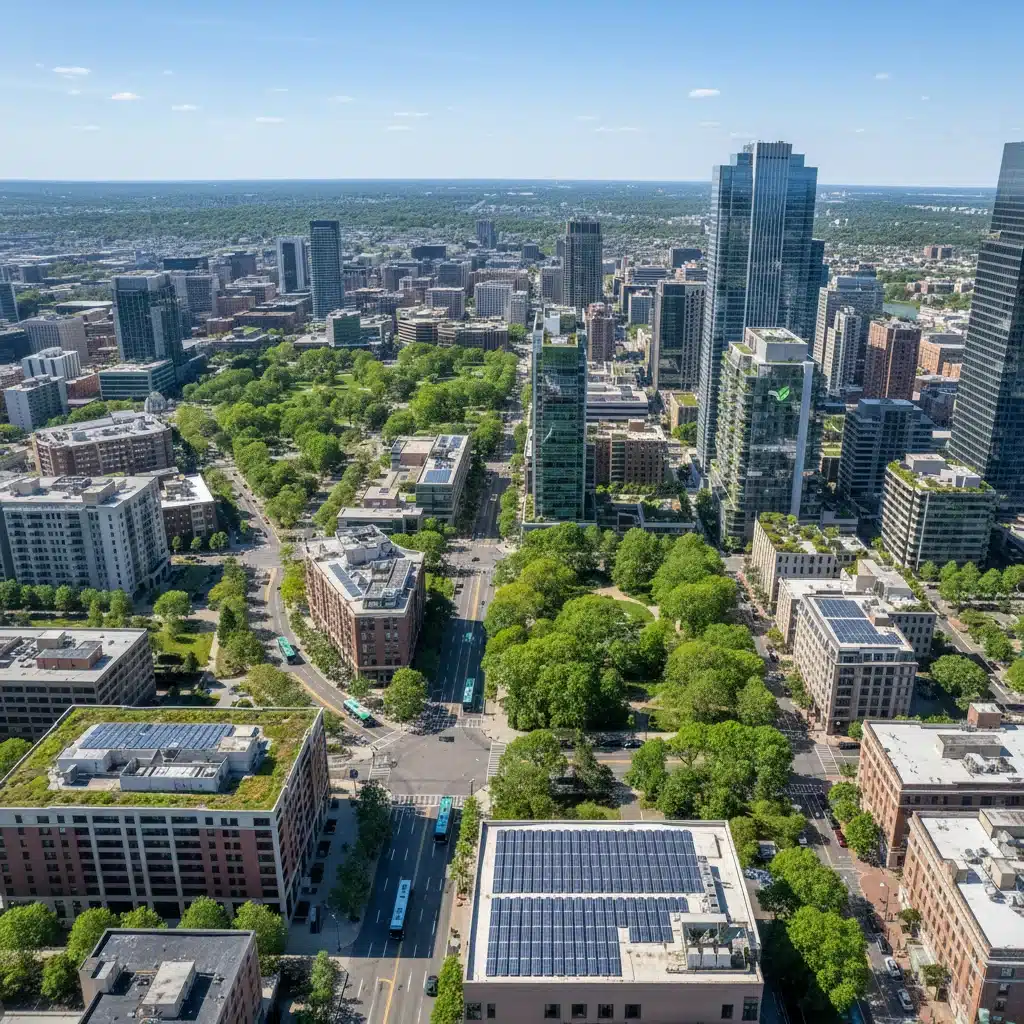
Transitioning to a smart energy grid is a cornerstone of sustainable urban development. This involves integrating renewable energy sources like solar and wind power, implementing smart meters for real-time energy monitoring, and developing demand-response programs. Smart grids can optimize energy distribution, reduce waste, and enhance grid resilience. Cities can also incentivize the installation of rooftop solar panels and promote community solar projects, further decentralizing energy production and reducing reliance on fossil fuels. Imagine a city where buildings actively communicate with the grid, adjusting their energy consumption based on real-time supply and demand, powered predominantly by clean energy.
Intelligent Transportation Systems (ITS)
Smart transportation systems are vital for reducing congestion, improving air quality, and promoting sustainable mobility. This includes smart traffic lights that adapt to real-time traffic flow, connected public transportation fleets, electric vehicle charging infrastructure, and smart parking solutions. Integrating ride-sharing, bike-sharing, and scooter-sharing programs with public transit creates a comprehensive, multi-modal transportation network. Data analytics from ITS can inform urban planning decisions, leading to more efficient road networks and reduced commuting times, directly contributing to sustainable urban development.

Smart Water Management and Waste Reduction
Water conservation and efficient waste management are critical for sustainable urban development. Smart sensors can monitor water leaks in real-time, optimize irrigation systems in parks, and track water quality. Similarly, smart waste bins with fill-level sensors can optimize collection routes, reducing fuel consumption and operational costs. Implementing advanced recycling and composting programs, coupled with public awareness campaigns, can significantly reduce landfill waste. These technologies not only conserve resources but also reduce the environmental footprint of urban operations.
Step 3: Data-Driven Decision Making and Analytics for Sustainable Urban Development
The sheer volume of data generated by smart city infrastructure is a goldmine for informed decision-making. This step focuses on collecting, analyzing, and acting upon this data to continuously improve urban services and accelerate sustainable urban development.
Establishing Data Governance and Privacy Protocols
Before diving into analytics, cities must establish robust data governance frameworks and privacy protocols. This ensures that data is collected, stored, and used ethically and transparently, building trust with citizens. Clear policies on data ownership, access, and anonymization are essential. Cities should also invest in cybersecurity measures to protect sensitive urban data from breaches.
Real-Time Monitoring and Performance Dashboards
Smart cities leverage real-time data to monitor key performance indicators (KPIs) related to sustainability. Interactive dashboards can provide city officials with a holistic view of urban operations, from air quality levels and energy consumption to traffic congestion and waste generation. This immediate feedback loop allows for proactive interventions and adaptive management, making sustainable urban development a dynamic and responsive process.
Predictive Analytics for Proactive Urban Management
Beyond real-time monitoring, predictive analytics can forecast future trends and potential challenges. For example, AI models can predict areas prone to flooding based on weather patterns and historical data, allowing for preventative measures. They can also optimize public transit schedules based on anticipated demand or identify areas where green infrastructure would have the greatest impact on air quality. This proactive approach is instrumental in building resilient and sustainable cities.
Open Data Initiatives for Innovation
Cities should consider implementing open data initiatives, making anonymized and aggregated urban data publicly available. This fosters innovation by allowing researchers, startups, and citizens to develop new applications and solutions that address urban challenges. Open data can lead to unexpected insights and collaborative efforts that further drive sustainable urban development.
Step 4: Green Spaces, Biodiversity, and Climate Resilience
Sustainable urban development is not just about technology; it’s also about integrating nature into the urban fabric and building resilience against the impacts of climate change. This step emphasizes the importance of green infrastructure and ecological stewardship.
Expanding and Connecting Green Spaces
Investing in parks, urban forests, community gardens, and greenways is crucial. These green spaces provide numerous benefits, including improved air quality, reduced urban heat island effect, enhanced biodiversity, and opportunities for recreation and social interaction. Cities should aim to create a network of interconnected green spaces, making nature accessible to all residents. Smart irrigation systems and environmental sensors can help maintain these spaces efficiently.
Promoting Urban Biodiversity
Sustainable urban development includes fostering biodiversity within the city. This can be achieved by planting native species, creating pollinator habitats, and protecting existing natural areas. Green roofs and vertical gardens not only enhance aesthetics but also provide ecological benefits and help manage stormwater runoff. Educating residents about the importance of urban biodiversity can also encourage community involvement in conservation efforts.
Climate Change Adaptation and Mitigation Strategies
Cities must develop robust strategies to adapt to and mitigate the effects of climate change. This includes implementing flood protection measures, designing heat-resilient infrastructure, and developing early warning systems for extreme weather events. Green infrastructure, such as permeable pavements and rain gardens, plays a vital role in stormwater management and reducing flood risks. Mitigation efforts involve further reducing greenhouse gas emissions through renewable energy adoption, energy efficiency programs, and sustainable transportation.
Circular Economy Principles
Embracing circular economy principles is a powerful way to achieve sustainable urban development. This involves designing out waste and pollution, keeping products and materials in use, and regenerating natural systems. Cities can promote repair cafes, resource-sharing platforms, and local production models that minimize material consumption and waste generation. This shift from a linear ‘take-make-dispose’ model to a circular one is fundamental for long-term urban sustainability.
Step 5: Citizen Engagement and Social Equity
A truly sustainable city is inclusive and equitable. This step highlights the importance of active citizen participation and ensuring that the benefits of sustainable urban development are shared by all residents.
Empowering Citizens Through Technology
Smart city platforms can empower citizens by providing accessible information about urban services, sustainability initiatives, and opportunities for feedback. Mobile apps can allow residents to report issues, access public transportation schedules, or monitor local air quality. Participatory budgeting tools can give citizens a direct say in how sustainability funds are allocated. This level of transparency and engagement fosters a sense of ownership and accountability.
Bridging the Digital Divide
As cities become smarter, it’s crucial to address the digital divide to ensure that all residents have equitable access to technology and its benefits. This includes providing affordable internet access, offering digital literacy programs, and ensuring that smart city services are designed with accessibility in mind. No one should be left behind in the transition to a smart, sustainable urban development.
Promoting Social Cohesion and Well-being
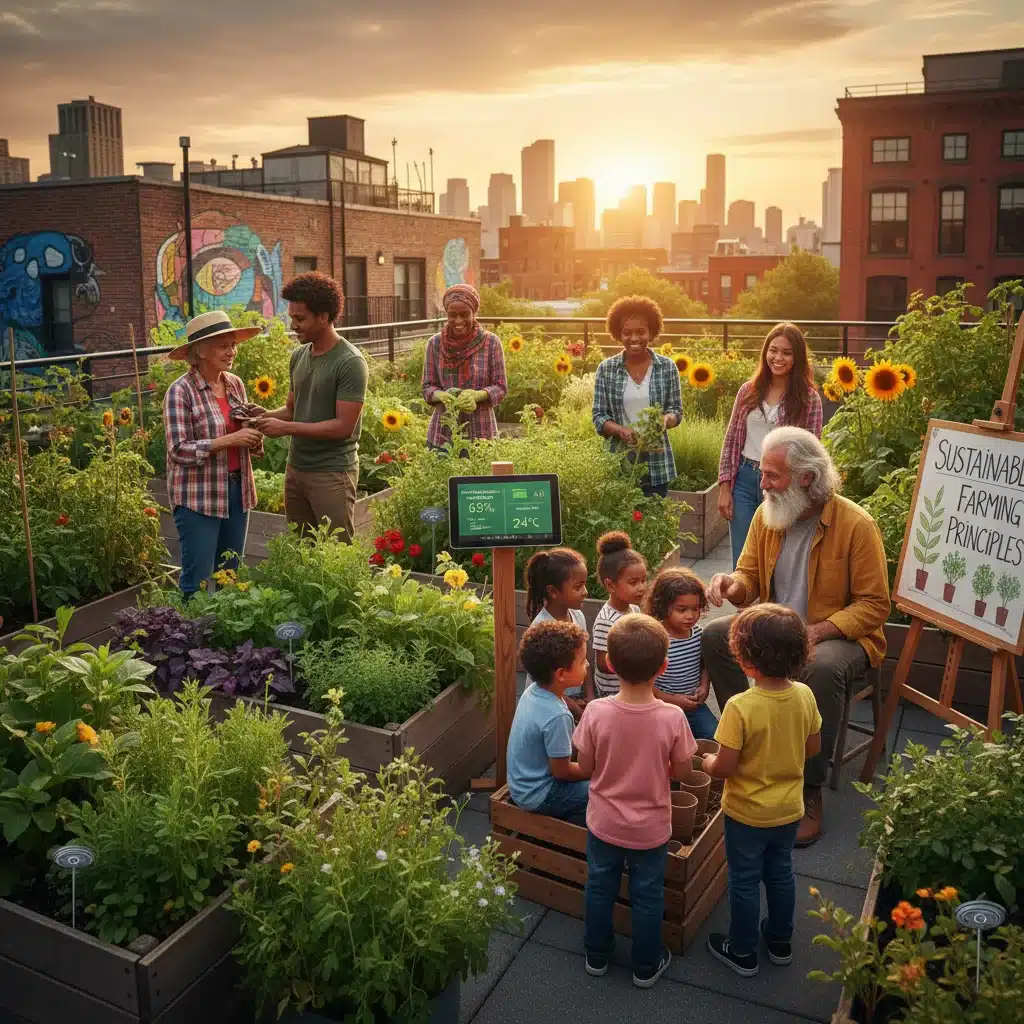
Sustainable urban development extends beyond environmental concerns to encompass social well-being. This involves creating safe, vibrant public spaces, fostering community events, and supporting local businesses. Smart technologies can play a role in enhancing public safety through intelligent surveillance and emergency response systems, while also facilitating community building through accessible digital platforms for local groups and organizations. The goal is to create cities where everyone feels connected, safe, and has opportunities to thrive.
Equity in Resource Distribution and Environmental Justice
Ensuring social equity means actively addressing historical injustices and disparities in resource distribution and environmental burdens. Sustainable urban development initiatives must prioritize environmental justice, ensuring that low-income communities and communities of color do not disproportionately bear the brunt of pollution or lack access to green amenities. This might involve targeted investments in infrastructure, green jobs programs, and community-led planning processes in underserved areas.
Step 6: Continuous Improvement, Monitoring, and Adaptation
Sustainable urban development is not a destination but an ongoing journey. The final step emphasizes the importance of continuous monitoring, evaluation, and adaptation to ensure long-term success.
Establishing Robust Monitoring and Evaluation Frameworks
Cities must establish clear metrics and frameworks to monitor progress towards their sustainability goals. This involves regularly collecting data on environmental indicators (e.g., air quality, energy consumption, waste diversion rates), social indicators (e.g., public health, accessibility, equity), and economic indicators (e.g., green job creation, local economic resilience). Regular reporting and transparent communication of these results are essential for accountability and public trust.
Learning from Best Practices and Innovation
The field of sustainable urban development is constantly evolving. Cities should actively engage with national and international networks, learn from best practices in other smart cities, and embrace emerging technologies. Pilot projects and innovation hubs can provide opportunities to test new solutions before wide-scale implementation. This commitment to continuous learning and innovation ensures that cities remain at the forefront of sustainability.
Adaptive Governance and Flexibility
Urban environments are complex and dynamic. Therefore, governance structures for sustainable urban development must be adaptive and flexible. This means being willing to adjust strategies, policies, and technologies based on monitoring results, changing circumstances, and new scientific understanding. A rigid approach will hinder progress; an agile and responsive one will foster resilience and long-term success. This might involve regular reviews of the urban master plan, periodic public consultations, and mechanisms for rapid policy adjustments in response to new challenges or opportunities.
Securing Funding and Partnerships for Long-Term Sustainability
Long-term sustainable urban development requires consistent funding and strategic partnerships. Cities should diversify funding sources, including federal grants, green bonds, private investments, and innovative financing mechanisms. Collaborations with universities, research institutions, and the private sector are crucial for accessing expertise, technology, and additional resources. Building strong, enduring partnerships ensures that sustainability initiatives have the necessary support to thrive over decades.
Conclusion: The Future of Sustainable Urban Development in U.S. Cities
The 6-step framework for sustainable urban development presented here offers a comprehensive roadmap for U.S. cities aiming to build smarter, greener, and more equitable futures. From establishing a shared vision and developing smart infrastructure to leveraging data, nurturing green spaces, engaging citizens, and committing to continuous improvement, each step is interconnected and vital for holistic progress. By embracing this framework, cities can navigate the complexities of urbanization and climate change, transforming challenges into opportunities for innovation and growth.
The year 2026 serves as a critical juncture, urging U.S. cities to accelerate their efforts in sustainable urban development. The integration of smart technology is not merely an option but a powerful catalyst for achieving these ambitious goals. It promises not just efficiency and environmental benefits, but also enhanced quality of life, economic resilience, and a stronger sense of community for all urban dwellers. The journey is challenging, but the rewards – vibrant, healthy, and sustainable cities – are immeasurable.
The proactive adoption of these principles will position U.S. cities as leaders in global sustainability, demonstrating how technology, thoughtful planning, and community engagement can converge to create truly livable and future-proof urban environments. The time for action is now; the blueprint for a sustainable urban future is within reach.