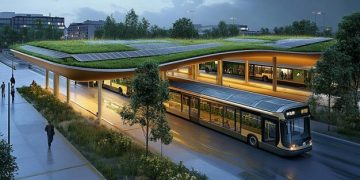
Sustainable transportation solutions for cities: find out how
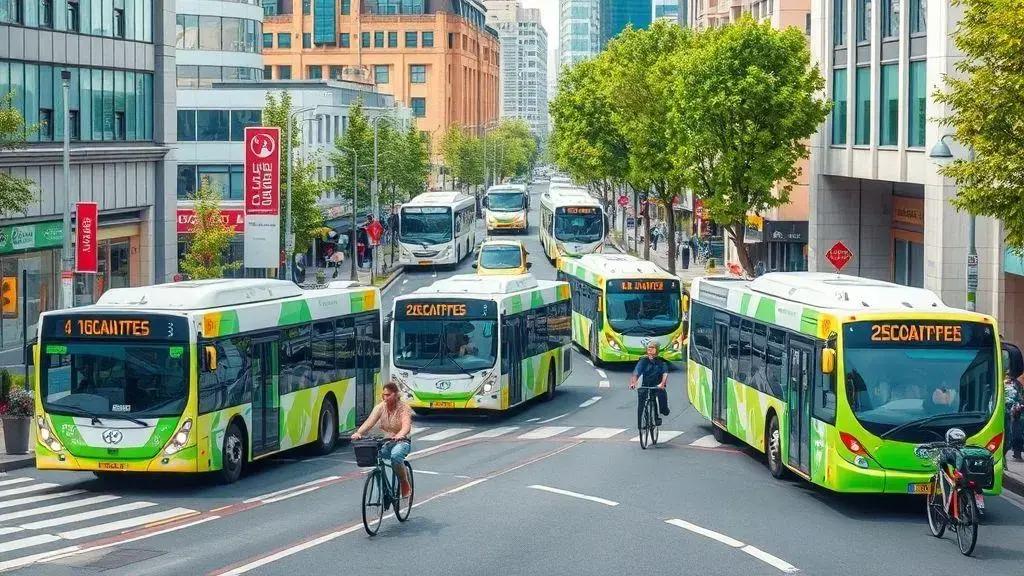
Sustainable transportation solutions for cities include promoting electric vehicles, enhancing pedestrian-friendly infrastructure, and integrating cycling, which collectively contribute to reducing pollution and improving urban living quality.
Sustainable transportation solutions for cities are not just trends; they’re essential for improving urban quality of life. Imagine walking through a city where air pollution is minimal and public transit is efficient. Curious about how this can become a reality? Let’s dive in!
innovative public transportation options
Innovative public transportation options are changing the way we move in cities. These solutions are designed to make travel easier, quicker, and more sustainable. By embracing technology and new ideas, cities can improve their public transport systems for everyone.
Benefits of Innovative Public Transportation
There are many reasons to support these advancements. Innovative public transportation can reduce traffic congestion, lower carbon emissions, and provide affordable travel options. Here are some key benefits:
- Increased accessibility for all residents
- Reduced travel times with smart scheduling
- Promotion of healthy lifestyles through active transport
- Economic growth from improved connectivity
As cities embrace these changes, we can also see exciting technologies emerge. For example, many places are now using electric buses and trams powered by renewable energy. This helps minimize the environmental impact while providing efficient service.
Furthermore, app-based ride-sharing services are making it easier for people to find alternative modes of transportation. These platforms connect users directly with available rides, offering flexibility and convenience in their daily commutes. By introducing designated lanes for ride-sharing vehicles, cities can enhance the efficiency of their roadways.
Examples of Innovative Systems
Several cities around the world are leading the way with impressive public transportation innovations. Let’s explore a few of them:
- Curitiba, Brazil: Known for its bus rapid transit (BRT) system that operates on dedicated lanes, decreasing travel time dramatically.
- Singapore: Features an extensive mass rapid transit (MRT) system that is efficient, clean, and well-coordinated with other transport options.
- Amsterdam: Is famous for its bike-sharing programs and extensive cycling paths that allow for eco-friendly travel.
- Los Angeles, USA: Has introduced electric shuttles that serve key neighborhoods, making it easier for residents to get around without a car.
With so many exciting projects underway, innovative public transportation options are creating a more connected and sustainable future for our cities. Transitioning to these systems not only benefits individual travelers but also elevates the entire community.
the role of cycling in urban planning
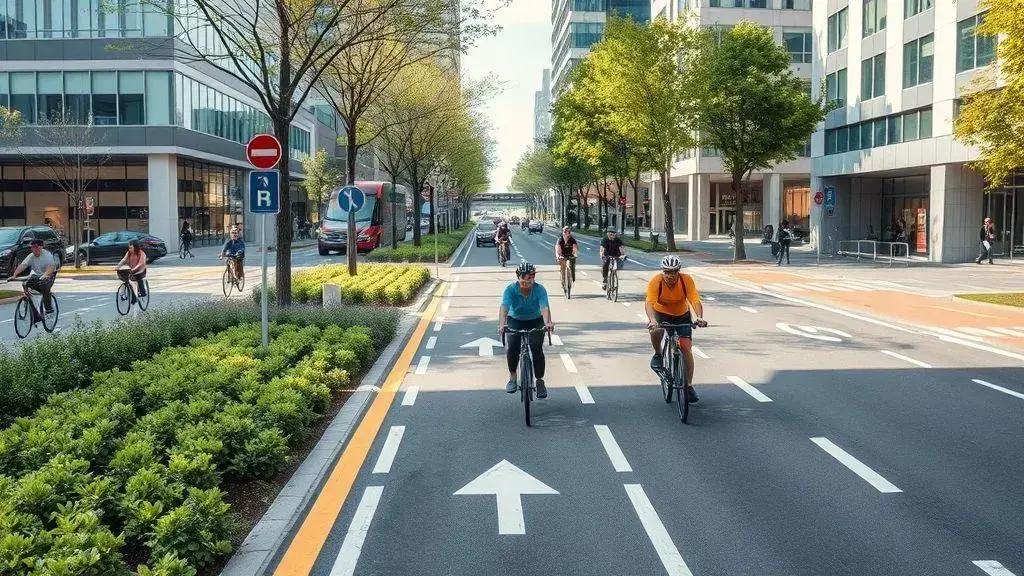
The role of cycling in urban planning is becoming increasingly important as cities strive for sustainability. By integrating cycling into the fabric of urban design, communities can promote healthier lifestyles and reduce traffic congestion.
Why Cycling Matters
When cities prioritize cycling, they encourage residents to choose bikes over cars. This shift can lead to less air pollution and lower greenhouse gas emissions. Making room for cyclists also helps create roadways that are safer for everyone.
- Increased mobility allows residents to travel quickly without relying on public transport.
- Economic benefits can arise from more customers accessing local businesses.
- Healthier populations lead to reduced healthcare costs and improved quality of life.
- Less road maintenance is needed, saving cities money in the long run.
Many successful cities around the world have taken steps to incorporate cycling into their urban plans. For instance, creating dedicated bike lanes and bike-sharing programs are great ways to encourage cycling. These changes not only benefit cyclists but also create a more vibrant urban environment.
Furthermore, integrating cycling routes with public transportation can create a seamless travel experience. When people can easily switch from a bike to a bus or train, their journeys become more efficient. Supporting infrastructure such as bike racks and repair stations also enhances the appeal of cycling.
Successful Examples of Cycling Integration
Cities like Copenhagen and Amsterdam are often cited as leaders in cycling-friendly urban planning. They have implemented comprehensive cycling systems that prioritize bike safety and convenience. In these cities, cycling is more than just a mode of transport; it is a lifestyle.
- Copenhagen: Features more than 390 kilometers of dedicated bike lanes and has seen a significant increase in daily cyclists.
- Amsterdam: Has created a network of bike paths that seamlessly connect neighborhoods, making it easy for residents to commute.
- Portland: In the USA, has promoted cycling through outreach programs and community events to raise awareness and encourage participation.
- Berlin: Is investing in cycling infrastructure to achieve a greener city and reduce environmental impact.
As urban planners look to the future, the role of cycling in city design will only grow. Emphasizing this mode of transport is vital for creating sustainable, livable cities that benefit all residents.
expanding pedestrian-friendly infrastructure
Expanding pedestrian-friendly infrastructure is vital for creating vibrant cities. When urban areas prioritize walking, they offer residents safer, more accessible ways to navigate their environment. This expansion helps improve community health and encourages social interactions.
Key Features of Pedestrian-Friendly Design
To make cities more walkable, planners focus on various elements. These features improve the experience for pedestrians significantly. Here are some of the important aspects:
- Wider sidewalks allow people to walk comfortably side by side.
- Crosswalks with clear markings and signals enhance safety at intersections.
- Green spaces and parks provide relaxing areas for pedestrians to enjoy.
- Traffic calming measures such as speed bumps encourage drivers to slow down.
Creating pedestrian-friendly areas also involves integrating mixed-use developments. These spaces combine residential, commercial, and recreational features within walking distance. When people can access shops, schools, and parks without needing a car, their quality of life improves.
Furthermore, cities can implement wayfinding signs that provide information on distances and directions. Clear signage helps pedestrians navigate more easily and boosts their confidence in walking. This encourages more residents to choose walking over driving for short trips, which benefits the environment and reduces traffic congestion.
Successful Examples of Pedestrian Infrastructure
Many cities around the world have made strides in enhancing their pedestrian infrastructure. These examples showcase how thoughtful planning can transform urban spaces:
- Seattle: Introduced the “Pedestrian Zone” in its downtown area, discouraging car traffic and encouraging foot traffic.
- Barcelona: Created superblocks, which reduce vehicle access in certain neighborhoods, allowing pedestrians more space to walk and socialize.
- New York City: Expanded sidewalks and created pedestrian plazas in Times Square, making it safer and more enjoyable for walkers.
- Copenhagen: Invested in the “Copenhagenization” of its streets, prioritizing cyclists and pedestrians through extensive planning.
As cities focus on expanding pedestrian-friendly infrastructure, they pave the way for healthier and more connected communities. Making our urban spaces inclusive for all means creating environments where people feel safe and welcome walking.
electric vehicles and their impact on cities
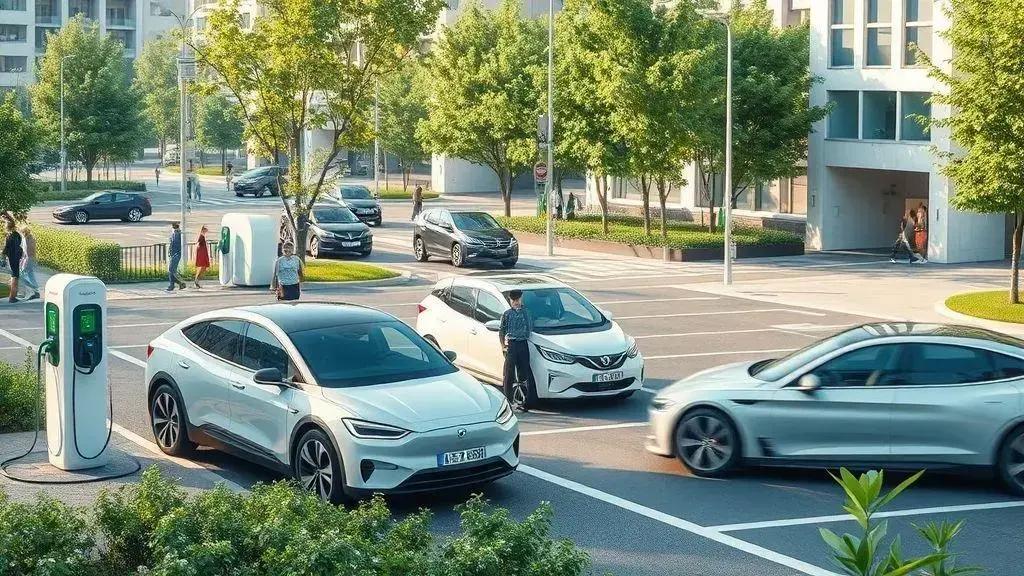
Electric vehicles (EVs) are changing the landscape of urban mobility. Their rise is helping cities reduce pollution and improve air quality. By replacing traditional gasoline-powered cars with EVs, cities can take significant steps towards sustainability.
Benefits of Electric Vehicles
Switching to electric vehicles offers numerous advantages for urban areas. These benefits contribute to a cleaner and more efficient transportation system.
- Reduced emissions lead to improved air quality and a healthier environment.
- Quieter operation helps decrease noise pollution in busy city areas.
- Lower operating costs for vehicle owners can make electric cars more appealing.
- Charging stations provide a chance for new businesses and job creation.
Moreover, adopting electric vehicles can foster greener urban planning. Cities can create dedicated charging infrastructure and integrate it with existing public transportation systems, enhancing overall efficiency. By planning for more EVs, cities can reduce their dependence on fossil fuels and promote a shift towards renewable energy sources.
Case Studies of Electric Vehicle Integration
Several cities worldwide are leading the way in embracing electric vehicles and their benefits. These examples demonstrate effective strategies for incorporating EVs into urban infrastructure:
- Los Angeles: Has invested in a vast network of charging stations, making it easier for residents to own and use electric vehicles.
- Amsterdam: Offers numerous incentives for EV ownership and has converted entire public transport fleets to electric.
- London: Introduced low-emission zones that encourage the use of electric transporting options.
- San Francisco: Targets a significant increase in electric vehicle usage while expanding charging station availability.
As urban environments continue to adapt, the integration of electric vehicles will play a crucial role. With thoughtful planning and infrastructure development, cities can support widespread EV adoption, reducing their carbon footprint and promoting a healthier, more sustainable future for all residents.
FAQ – Frequently Asked Questions About Electric Vehicles and Their Impact on Cities
How do electric vehicles benefit the environment?
Electric vehicles reduce greenhouse gas emissions and improve air quality, making urban areas healthier.
What infrastructure is needed to support electric vehicles?
Cities need to develop an extensive network of charging stations and integrate EVs into public transportation systems.
Are electric vehicles cost-effective for consumers?
Yes, EVs typically have lower operating costs compared to gasoline cars, and many incentives are available to reduce initial costs.
How can cities promote the use of electric vehicles?
Cities can encourage EV adoption by providing charging infrastructure, offering incentives, and developing policies that favor green transportation.