Sustainable Supply Chain: 7-Step Carbon Reduction Blueprint
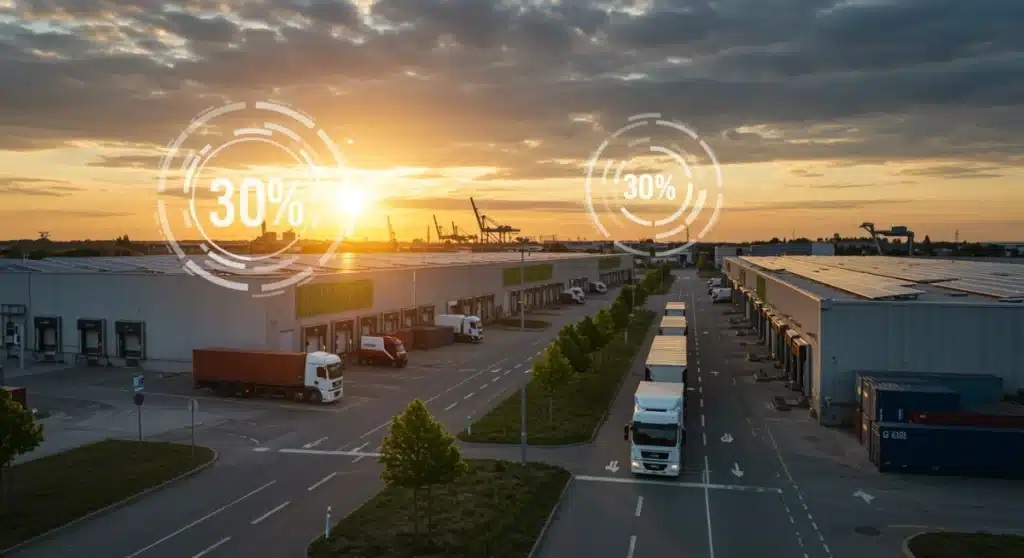
A sustainable supply chain blueprint for US companies involves a strategic 7-step process focused on comprehensive carbon footprint reduction, aiming for a 30% decrease by 2026 through practical technological and operational solutions.
In an era defined by increasing environmental awareness and stringent regulatory pressures, the imperative for businesses to adopt sustainable practices has never been more urgent. For US companies, the journey towards a sustainable supply chain blueprint is not merely an ethical choice but a strategic necessity, promising not only reduced environmental impact but also significant operational efficiencies and enhanced brand reputation. This article will guide you through a comprehensive 7-step blueprint designed to help American enterprises cut their carbon footprint by a remarkable 30% by 2026, offering practical solutions that are both ambitious and achievable.
Step 1: Comprehensive Carbon Footprint Assessment and Baseline Establishment
The initial and arguably most critical step in designing a truly sustainable supply chain is to thoroughly understand your current environmental impact. This involves a meticulous assessment of your entire operational footprint, from raw material extraction to product delivery and end-of-life considerations. Establishing a clear baseline is essential for setting realistic reduction targets and measuring progress effectively.
Many companies underestimate the complexity of this task, often overlooking Scope 3 emissions, which encompass indirect emissions from activities not owned or controlled by the organization, such as purchased goods and services, transportation and distribution, and waste generation. A robust assessment goes beyond direct emissions (Scope 1 and 2) to capture the full picture.
Leveraging Data for Accurate Measurement
Accurate data collection is the cornerstone of this assessment. Companies must invest in systems and processes that can reliably track energy consumption, fuel usage, waste generation, and transportation miles across their entire supply chain. This data will form the foundation for identifying hotspots and prioritizing areas for intervention.
- Energy Audits: Conduct detailed energy audits across all facilities, including manufacturing plants, warehouses, and offices.
- Transportation Data: Collect comprehensive data on all logistics activities, including modes of transport, routes, fuel types, and distances.
- Supplier Emissions: Engage with suppliers to gather data on their emissions, particularly for high-volume or energy-intensive components.
- Waste Management: Track waste generation, recycling rates, and disposal methods at every stage of the supply chain.
By establishing a precise carbon footprint baseline, US companies gain the necessary insights to develop targeted strategies for reduction. This foundational step ensures that subsequent efforts are data-driven, impactful, and aligned with the overarching goal of achieving significant environmental improvements by 2026.
Step 2: Develop a Strategic Roadmap with Clear Reduction Targets
Once a comprehensive carbon footprint assessment is complete, the next crucial step is to translate those insights into a clear, actionable strategic roadmap. This roadmap must outline specific, measurable, achievable, relevant, and time-bound (SMART) reduction targets, aligning them with the ambitious goal of a 30% carbon footprint reduction by 2026. Without a detailed strategy, efforts can become fragmented and less effective.
A strategic roadmap serves as the guiding document for all sustainability initiatives within the supply chain. It details not only what needs to be achieved but also how it will be accomplished, who will be responsible, and by when. This ensures accountability and maintains momentum throughout the implementation phase.
Setting Ambitious but Realistic Goals
The 30% reduction target is ambitious, requiring a multi-faceted approach. Companies should break down this overarching goal into smaller, manageable targets for different departments or operational areas. For instance, separate targets could be set for transportation emissions, energy consumption in facilities, and waste reduction.
- Short-term Wins: Identify immediate opportunities for carbon reduction that can demonstrate early progress and build internal support.
- Mid-term Initiatives: Plan for more significant changes, such as adopting new technologies or restructuring logistics, which might require more investment and time.
- Long-term Vision: Outline the ultimate vision for a fully sustainable supply chain beyond 2026, ensuring current efforts contribute to future goals.
- Resource Allocation: Clearly define the financial, human, and technological resources required for each initiative.
This strategic roadmap should also include a risk assessment, identifying potential challenges and developing contingency plans. Regular reviews and adjustments will be necessary to adapt to changing market conditions, technological advancements, and unforeseen obstacles, ensuring the plan remains dynamic and effective.
Step 3: Embrace Sustainable Transportation and Logistics Optimization
Transportation and logistics are often the largest contributors to a supply chain’s carbon footprint. Therefore, a significant portion of the 7-step blueprint must focus on optimizing these areas. Embracing sustainable transportation means moving beyond traditional fossil-fuel-dependent methods and exploring innovative, eco-friendly alternatives.
This step involves a critical evaluation of current transportation networks, identifying inefficiencies, and implementing solutions that reduce fuel consumption, optimize routes, and transition to cleaner vehicle fleets. The goal is to minimize the environmental impact of moving goods while maintaining or even improving operational efficiency.
Key Strategies for Greener Logistics
Transitioning to sustainable logistics requires a combination of technological upgrades and strategic planning. Companies should consider a multi-pronged approach to achieve substantial carbon reductions in this critical area.
- Fleet Electrification: Invest in electric vehicles (EVs) for last-mile delivery and, where feasible, for longer hauls. This includes electric trucks, vans, and even forklifts in warehouses.
- Route Optimization Software: Utilize advanced software to plan the most fuel-efficient routes, reducing mileage and idle time. This can also help consolidate shipments and reduce empty backhauls.
- Intermodal Transportation: Shift from solely road-based transport to a combination of rail, sea, and road where appropriate. Intermodal solutions often offer lower carbon emissions per ton-mile.
- Sustainable Fuels: Explore alternative fuels like biodiesel, renewable natural gas (RNG), or hydrogen for vehicles where electrification is not yet practical.
- Warehouse Efficiency: Optimize warehouse layouts and operations to reduce internal transport distances and energy consumption for lighting and heating/cooling.
By prioritizing sustainable transportation and continuously optimizing logistics, US companies can make substantial strides in reducing their carbon footprint, directly contributing to the 30% reduction target by 2026.
Step 4: Foster Supplier Collaboration and Green Procurement
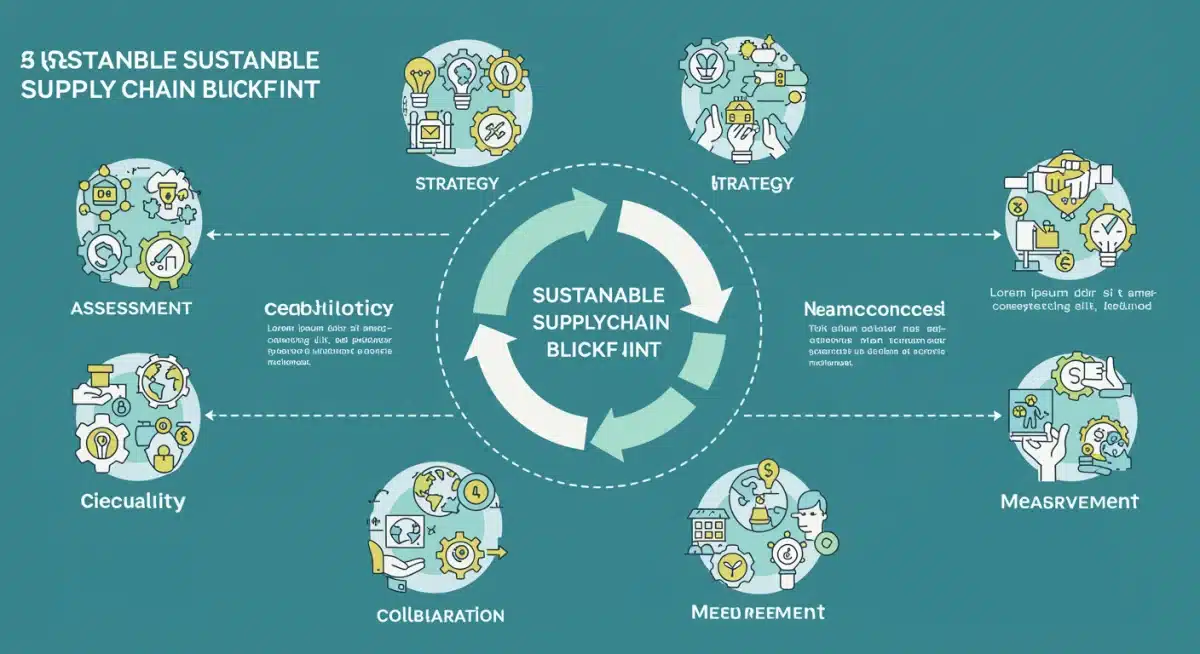
A truly sustainable supply chain extends far beyond a company’s immediate operations; it encompasses the entire network of suppliers and partners. Engaging with suppliers to promote sustainable practices and implementing green procurement policies are vital steps in achieving a holistic carbon reduction.
Many upstream emissions, particularly Scope 3, originate from suppliers’ activities. Therefore, fostering collaboration and setting clear expectations for environmental performance with your supply chain partners is crucial. This collaborative approach can lead to shared innovations and collective progress towards sustainability goals.
Implementing Green Procurement Practices
Green procurement involves making purchasing decisions based not only on cost and quality but also on environmental criteria. This incentivizes suppliers to adopt more sustainable practices, creating a ripple effect throughout the supply chain.
- Supplier Code of Conduct: Establish and enforce a clear code of conduct that includes environmental performance expectations, such as carbon reduction targets and sustainable resource management.
- Environmental Assessments: Conduct regular environmental assessments of key suppliers to evaluate their practices and identify areas for improvement.
- Incentivize Sustainability: Offer incentives or preferential treatment to suppliers who demonstrate strong commitment to sustainability, such as certifications or innovative green solutions.
- Collaborative Innovation: Work with suppliers to co-develop more sustainable materials, manufacturing processes, or packaging solutions.
By actively engaging with suppliers and integrating sustainability into procurement decisions, US companies can significantly broaden their impact, driving down emissions across their extended supply chain and moving closer to the 2026 carbon reduction goal.
Step 5: Implement Circular Economy Principles and Waste Reduction
Moving away from a linear ‘take-make-dispose’ model towards a circular economy is a powerful strategy for reducing waste and carbon emissions within the supply chain. This step focuses on designing products and processes that minimize resource depletion and maximize resource utilization, keeping materials in use for as long as possible.
The circular economy concept offers numerous benefits, including reduced raw material costs, lower waste disposal expenses, and a decreased environmental footprint. It requires a fundamental shift in thinking about product design, manufacturing, and end-of-life management.
Strategies for Circularity
Implementing circular economy principles involves rethinking product lifecycles and operational processes. It demands creativity and collaboration across different functions within a company and with external partners.
- Design for Durability and Repairability: Create products that are built to last and can be easily repaired, extending their useful life and reducing the need for new production.
- Use Recycled and Renewable Materials: Prioritize the use of materials that are recycled, recyclable, or sourced from renewable resources, reducing reliance on virgin materials.
- Product-as-a-Service Models: Explore business models where products are leased rather than sold, allowing companies to retain ownership and manage end-of-life recycling or refurbishment.
- Waste Valorization: Implement processes to convert waste materials into valuable resources, either for internal use or for sale to other industries.
- Reverse Logistics: Develop efficient systems for collecting used products or materials for repair, refurbishment, or recycling, closing the loop in the supply chain.
By embracing circular economy principles, US companies can dramatically reduce waste generation and resource consumption, leading to significant carbon footprint reductions and contributing to the ambitious 2026 target.
Step 6: Leverage Technology for Transparency and Efficiency
Technology plays an indispensable role in accelerating the transition to a sustainable supply chain. From advanced analytics to blockchain and AI, innovative tools offer unprecedented opportunities for transparency, efficiency, and real-time monitoring of environmental performance. Leveraging these technologies is crucial for meeting the aggressive 30% carbon reduction goal.
Digitalization allows companies to gain deeper insights into their operations, identify bottlenecks, and make data-driven decisions that minimize environmental impact. It also enhances accountability and enables more accurate reporting of sustainability metrics.
Technological Enablers for Sustainability
A range of technologies can be deployed to support sustainability efforts across the supply chain. Integrating these tools can lead to significant improvements in tracking, analysis, and optimization.
- IoT Sensors: Deploy Internet of Things (IoT) sensors to monitor energy consumption, temperature, and other environmental factors in real-time across facilities and transportation assets.
- Big Data Analytics: Use big data analytics to process vast amounts of supply chain data, identifying patterns, predicting future emissions, and optimizing resource allocation.
- Blockchain for Traceability: Implement blockchain technology to create immutable records of product origins, material certifications, and carbon emissions at every stage, enhancing transparency and trust.
- AI for Demand Forecasting: Utilize Artificial Intelligence (AI) to improve demand forecasting, reducing overproduction and associated waste and emissions.
- Digital Twin Technology: Create digital twins of supply chain operations to simulate the impact of different sustainability initiatives before physical implementation, minimizing risks and optimizing outcomes.
By strategically adopting and integrating these advanced technologies, US companies can gain a competitive edge in sustainability, driving efficiency, transparency, and ultimately, significant carbon footprint reductions within their supply chains.
Step 7: Continuous Monitoring, Reporting, and Improvement
Achieving a 30% carbon footprint reduction by 2026 is not a one-time project but an ongoing commitment. The final step in this blueprint emphasizes the importance of continuous monitoring, transparent reporting, and a culture of perpetual improvement. Without these elements, even well-intentioned initiatives can lose momentum or fail to deliver their full potential.
Regularly tracking progress against established targets allows companies to identify what’s working, what isn’t, and where adjustments are needed. Transparent reporting not only holds the company accountable but also builds trust with stakeholders, including customers, investors, and regulators.
Building a Culture of Sustainability
Sustainability must be embedded into the company’s DNA, moving beyond a sporadic initiative to become an integral part of its operational philosophy. This requires leadership commitment, employee engagement, and a robust framework for performance management.
- Key Performance Indicators (KPIs): Establish clear KPIs for carbon reduction and other sustainability metrics, integrating them into regular business performance reviews.
- Regular Audits: Conduct periodic internal and external audits to verify data accuracy and ensure compliance with sustainability standards and regulations.
- Stakeholder Engagement: Communicate progress and challenges transparently to all stakeholders, fostering trust and gathering valuable feedback.
- Employee Training and Empowerment: Educate and empower employees at all levels to identify and implement sustainability improvements in their daily roles.
- Adaptive Strategy: Be prepared to adapt the sustainability strategy based on new data, technological advancements, and evolving regulatory landscapes, ensuring continuous improvement.
By embedding continuous monitoring, robust reporting, and a commitment to improvement into their operational fabric, US companies can sustain their journey towards a truly sustainable supply chain, not just meeting the 2026 carbon reduction target but setting a new standard for environmental stewardship.
| Key Step | Brief Description |
|---|---|
| Carbon Assessment | Measure current emissions to establish a baseline for reduction. |
| Sustainable Logistics | Optimize transportation with EVs, route planning, and intermodal options. |
| Circular Economy | Implement practices for waste reduction, recycling, and resource efficiency. |
| Technology Integration | Utilize IoT, AI, and blockchain for transparency and efficiency. |
Frequently Asked Questions About Sustainable Supply Chains
The primary goal is to significantly reduce the environmental impact of operations, specifically targeting a 30% carbon footprint reduction for US companies by 2026. This involves optimizing logistics, embracing circularity, and fostering sustainable practices across the entire value chain.
Effective measurement requires comprehensive data collection across Scope 1, 2, and 3 emissions. This includes energy audits, detailed transportation data, supplier emission reports, and waste management tracking. Specialized software and external consultants can aid in this complex process.
Technology is crucial for transparency and efficiency. IoT sensors monitor real-time data, AI optimizes demand forecasting and routes, and blockchain enhances traceability of materials and emissions. These tools enable data-driven decisions and continuous improvement.
A significant portion of a company’s carbon footprint often lies within its upstream supply chain (Scope 3 emissions). Collaborating with suppliers, implementing green procurement, and setting environmental standards ensures that sustainability efforts are holistic and impactful across the entire product lifecycle.
Circular economy principles focus on minimizing waste and maximizing resource utility. This includes designing products for durability and repair, using recycled materials, exploring product-as-a-service models, and developing robust reverse logistics for material recovery and reuse.
Conclusion
The journey towards a sustainable supply chain is a multifaceted endeavor, demanding commitment, innovation, and a strategic approach. For US companies, adopting this 7-step blueprint provides a clear pathway to not only achieve a significant 30% reduction in carbon footprint by 2026 but also to build resilience, enhance reputation, and unlock new efficiencies. By embracing comprehensive assessment, strategic planning, sustainable transportation, supplier collaboration, circularity, advanced technology, and continuous improvement, businesses can transform their operations into models of environmental responsibility, securing a more sustainable and prosperous future.