Sustainable ride-sharing initiatives changing urban mobility

Sustainable ride-sharing initiatives significantly reduce urban traffic and pollution while enhancing transportation efficiency through advanced technology and collaborative practices.
Sustainable ride-sharing initiatives are emerging as a vital solution to urban traffic woes and environmental challenges. Have you ever wondered how these programs can influence our daily commutes? Let’s dive in!
Understanding sustainable ride-sharing
Understanding sustainable ride-sharing is essential in today’s world. With cities growing rapidly, transportation can become a challenge. These initiatives provide a unique solution by combining technology with environmental awareness.
One of the core components of sustainable ride-sharing is its ability to reduce emissions. By promoting carpooling and the use of electric vehicles, it helps lessen the carbon footprint. This is not just beneficial for the environment but also for the commuters.
Benefits of Sustainable Ride-Sharing
There are numerous advantages of incorporating sustainable ride-sharing into daily life. Here are a few:
- Less traffic congestion in cities.
- Decreased greenhouse gas emissions.
- Cost-effective travel options for users.
- Fostering a sense of community among riders.
Another important aspect is technology. Apps designed for ride-sharing have made it easier for users to find rides quickly and efficiently. They often feature options for eco-friendly vehicles, allowing users to choose sustainable options effortlessly. This interface not only enhances convenience for riders but also promotes environmentally conscious choices.
Real-World Examples
Several cities have already implemented successful sustainable ride-sharing initiatives. For instance, in San Francisco, programs encourage carpooling during peak hours, significantly reducing traffic. Similarly, in Amsterdam, authorities have invested in electric ride-sharing, setting a standard for other cities to follow.
These programs highlight how technology and sustainability can work together. As more people embrace these solutions, the positive impacts on our cities and the environment become more evident. It’s an enlightening shift, opening up discussions about how we can further improve urban mobility.
As we look ahead, the growth of sustainable ride-sharing promises a cleaner, more efficient way to navigate our cities. It’s an evolving trend, but one that is crucial for the future of urban transportation.
Environmental impacts of ride-sharing
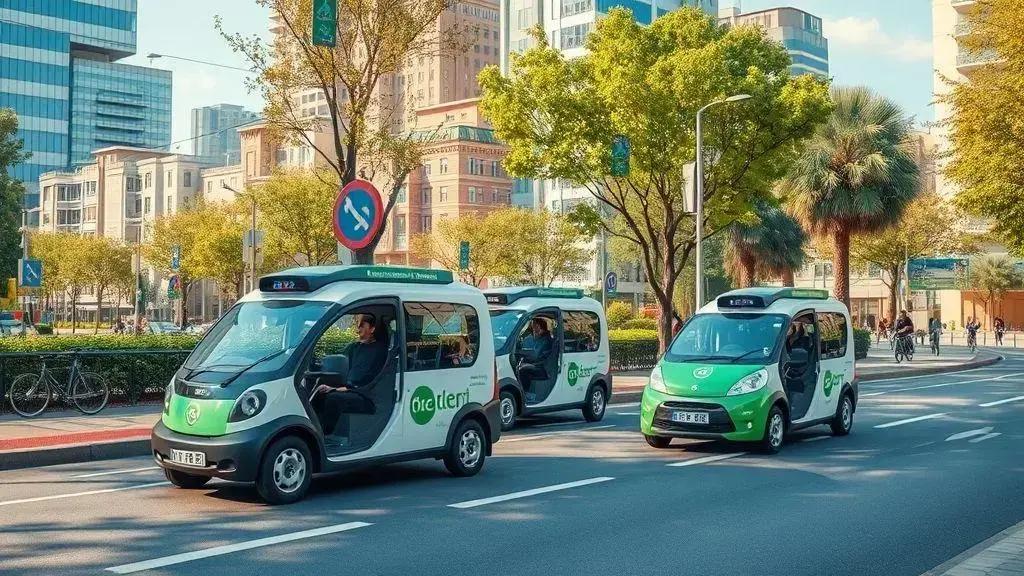
The environmental impacts of ride-sharing are significant and multifaceted. These initiatives aim to reduce the number of vehicles on the road, which directly contributes to lower carbon emissions. By organizing shared rides, we not only lessen traffic congestion but also promote more sustainable urban life.
When more people choose to use ride-sharing services, it leads to fewer cars in operation. This reduction is crucial as it means less pollution and better air quality for everyone. Additionally, many ride-sharing platforms are now incorporating electric and hybrid vehicles, which further enhances the environmental benefits.
Key Environmental Benefits
There are several key environmental benefits associated with ride-sharing:
- Reduction in carbon emissions.
- Lower fossil fuel consumption.
- Decreased noise pollution in urban areas.
- Improved public transportation efficiency.
Moreover, by encouraging folks to share their rides, these programs help build community connections. People become more aware of their travel choices. As they see the benefits, there’s a greater push for sustainable practices in everyday life.
Another interesting aspect is the potential shift in public policy that comes with increased ride-sharing use. Cities may invest more in bike lanes and pedestrian-friendly spaces, contributing to a healthier environment.
These changes showcase how technology and environmental concerns can work together. The rise of sustainable ride-sharing platforms reflects a collective desire for responsible transportation solutions that benefit everyone.
Technological innovations in ride-sharing
Technological innovations in ride-sharing are transforming the way we travel. These advancements are not only enhancing user experience but also improving safety and efficiency. By integrating new technologies, ride-sharing services are becoming an integral part of urban transportation.
One key innovation is the use of mobile applications. These apps allow users to quickly book rides, track their drivers, and make secure payments. This convenience encourages more people to consider ride-sharing as a viable transportation option. Additionally, some platforms now offer features like ride-sharing pools, which further optimize costs and resources.
Impact of Artificial Intelligence
Artificial intelligence (AI) is another game-changer in the ride-sharing industry. AI algorithms analyze traffic patterns to suggest the best routes, reducing wait times and improving overall efficiency. This technology also enhances ride matching, helping drivers and passengers connect more effectively.
- AI assists in predicting demand, ensuring drivers are available where they are needed most.
- Enhanced safety measures use AI to monitor driver behavior, helping to prevent accidents.
- AI-driven tools create better user experiences through personalized app features.
- Real-time data enables companies to adjust their services based on changing conditions.
Moreover, integrating electric vehicles into ride-sharing fleets is a significant technological step. This move not only reduces emissions but also aligns with sustainability goals. Some companies are developing charging infrastructure to support electric vehicles, making them more accessible to drivers.
As ride-sharing continues to evolve, the focus on innovation will likely lead to even more significant changes. From enhancing user interfaces to integrating green technologies, these advancements promise a brighter transportation future.
The future of urban mobility with ride-sharing
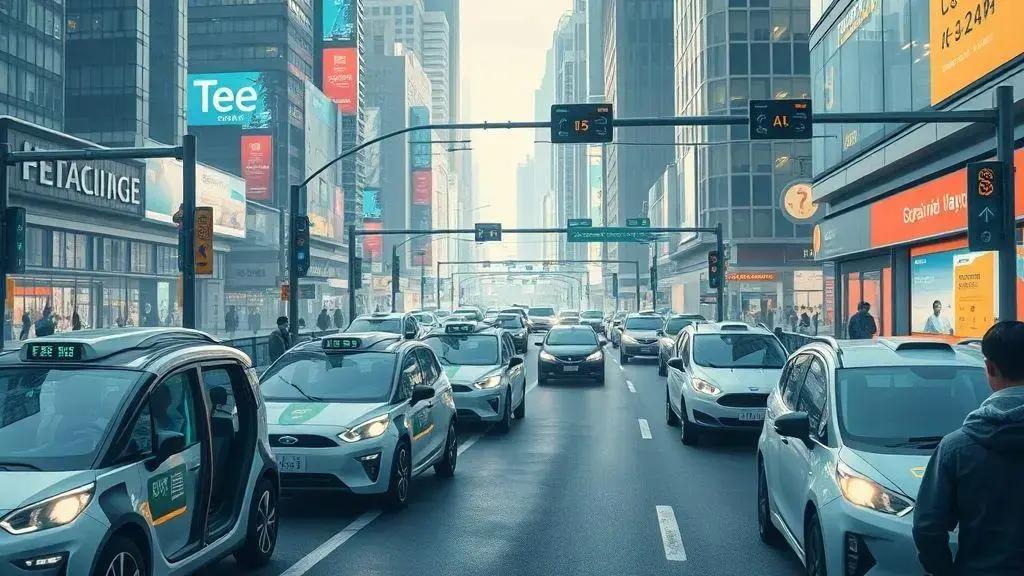
The future of urban mobility with ride-sharing is bright and full of potential. As cities become more crowded, traditional transportation methods are struggling to keep up. Ride-sharing offers a fresh solution by making it easier and more efficient for people to get around.
One promising trend is the continued integration of technology into ride-sharing services. Future platforms may incorporate features such as real-time tracking and automated ride dispatch. This will enhance convenience for users and allow for more efficient route planning.
Emerging Trends in Urban Mobility
Several emerging trends will shape the future of urban mobility:
- Greater adoption of electric vehicles in ride-sharing fleets.
- Increased collaboration between public transport systems and ride-sharing services.
- Development of autonomous vehicles that could revolutionize how people use ride-sharing.
- Enhanced user experience with personalized features based on travel habits.
As partnerships between ride-sharing companies and local governments grow, cities are likely to see improvements in traffic management and public transport integration. This collaborative approach can lead to cleaner environments and reduced congestion.
Another significant aspect is the focus on sustainability. Future ride-sharing solutions will likely meet the demands of eco-conscious users by prioritizing green practices. Companies may invest in carbon offset programs and promote shared rides to minimize environmental impact.
The ongoing evolution of urban mobility hinges on the ability of ride-sharing services to adapt and innovate. As technology and environmental concerns merge, the urban landscape will continue to transform, creating a more accessible and efficient travel experience for all. The dynamic nature of these developments makes it an exciting time for both users and providers.
FAQ – Frequently Asked Questions about Ride-Sharing and Urban Mobility
What are the main benefits of ride-sharing services?
Ride-sharing services help reduce traffic congestion, lower carbon emissions, and provide a cost-effective transportation option for users.
How does technology improve ride-sharing experiences?
Technology enhances ride-sharing through mobile apps, real-time tracking, and AI algorithms that optimize routes and match riders with drivers.
What role does sustainability play in the future of ride-sharing?
Sustainability is crucial in ride-sharing as companies are increasingly focusing on electric vehicles and reducing the environmental impact of transportation.
Can ride-sharing work with public transportation systems?
Yes, partnerships between ride-sharing services and public transportation can improve overall mobility, making commuting easier and more efficient for everyone.