Sustainable Logistics Tech: US Government Grants Before Jan 2026
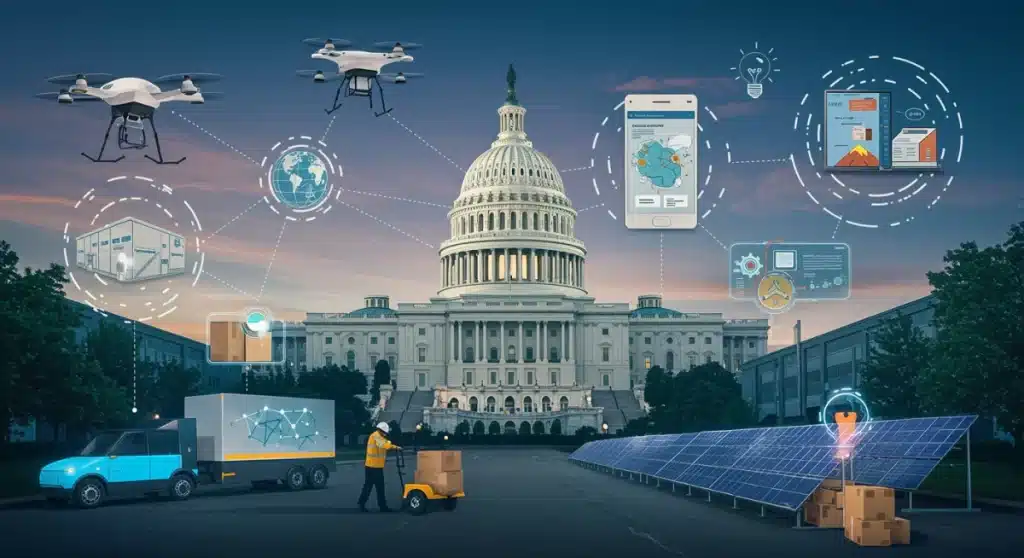
Businesses in the U.S. have a critical, time-sensitive opportunity to secure government grants for sustainable logistics technology, with many key programs and incentives concluding by January 2026, necessitating prompt engagement to leverage these financial supports for eco-friendly advancements.
The landscape of logistics is undergoing a profound transformation, driven by an urgent need for sustainability and efficiency. For businesses in the United States, a significant and often overlooked avenue for accelerating this transition lies in government grants. This is a Time-Sensitive Opportunity: Seizing Government Grants for Sustainable Logistics Tech in the U.S. Before January 2026, a critical window that demands immediate attention and strategic planning.
Understanding the Urgency: Why January 2026 Matters
The deadline of January 2026 is not an arbitrary date; it represents a confluence of expiring legislative provisions, funding cycles, and strategic federal initiatives aimed at rapidly decarbonizing the logistics sector. Many current grant programs, particularly those established through recent infrastructure and climate legislation, have sunset clauses or allocated funds that will be fully dispersed by this period.
This creates a pressing need for logistics companies, technology developers, and related stakeholders to act decisively. Missing this window could mean foregoing substantial financial support that could otherwise fund crucial R&D, infrastructure upgrades, and the adoption of cutting-edge sustainable technologies. The competitive advantage gained by early movers will be significant.
Key Legislative Drivers
Several federal acts have been instrumental in opening these funding avenues. Understanding their scope and limitations is paramount for identifying relevant grants.
- Infrastructure Investment and Jobs Act (IIJA): This bipartisan legislation has allocated billions towards modernizing infrastructure, including significant portions for sustainable transportation and logistics projects. Many of its programs have multi-year funding cycles that are now reaching their peak or nearing conclusion.
- Inflation Reduction Act (IRA): Focused on climate and clean energy, the IRA offers various tax credits and grants that directly benefit sustainable logistics, such as incentives for electric vehicles and renewable energy integration in logistics operations. These credits often have specific duration limits.
- Department of Energy (DOE) & Environmental Protection Agency (EPA) Initiatives: These agencies consistently launch programs aimed at reducing emissions and promoting energy efficiency. Many such initiatives are structured with clear application deadlines leading up to 2026, aligning with broader national climate goals.
In essence, January 2026 serves as a strategic marker, signaling the culmination of several governmental pushes to infuse sustainability into the U.S. logistics network. Businesses must recognize this as a finite opportunity to secure vital capital.
Identifying Relevant Grant Programs for Sustainable Logistics
Navigating the labyrinth of federal grant programs can be daunting, but a systematic approach helps pinpoint the most relevant opportunities for sustainable logistics technology. These grants typically target areas such as fleet electrification, smart warehousing, alternative fuels, and supply chain optimization.
The U.S. government offers a diverse portfolio of grants, each with specific criteria, objectives, and application processes. Companies must align their sustainable initiatives with the stated goals of these programs to maximize their chances of success. It’s not just about being green; it’s about meeting federal mandates and priorities.
Federal Agency Grant Portals
Several federal agencies are primary sources of funding for sustainable logistics. Regularly monitoring their announcements and grant portals is a foundational step.
- Department of Transportation (DOT): Offers programs like the Low or No Emission Vehicle Program, Port Infrastructure Development Program (PIDP), and Rebuilding American Infrastructure with Sustainability and Equity (RAISE) grants, which are ideal for sustainable freight and port operations.
- Department of Energy (DOE): Focuses on advanced energy technologies, including grants for alternative fuel vehicles, charging infrastructure, and energy efficiency in industrial operations and data centers, which are increasingly critical for smart logistics.
- Environmental Protection Agency (EPA): Administers programs such as the Diesel Emissions Reduction Act (DERA) grants, which support projects that reduce emissions from diesel engines, a common component of logistics fleets.
Beyond these, state and local governments often have their own complementary programs, sometimes co-funded by federal initiatives, providing additional localized opportunities. A comprehensive search should include these layers of government funding.
Eligibility Criteria and Application Strategies
Securing government grants for sustainable logistics technology demands more than just a great idea; it requires meticulous attention to eligibility criteria and a strategic approach to the application process. Each grant program has unique requirements, and understanding these nuances is critical for a successful submission.
Eligibility often hinges on factors such as company size, location of the project, the specific technology being deployed, and the measurable environmental benefits. Applicants must demonstrate a clear understanding of the grant’s objectives and how their project directly contributes to those goals. A well-crafted application is a testament to both the project’s merit and the applicant’s professionalism.
Crafting a Winning Proposal
A compelling grant proposal goes beyond simply listing facts; it tells a story of innovation, impact, and feasibility. It should clearly articulate the problem, the proposed sustainable logistics solution, and the anticipated outcomes.
- Detailed Project Plan: Outline the project’s scope, methodology, timeline, and key performance indicators (KPIs). Emphasize how the technology will reduce emissions, improve efficiency, or enhance resilience.
- Budget Justification: Provide a transparent and thoroughly justified budget, demonstrating how grant funds will be utilized effectively and efficiently. Many grants require cost-sharing or matching funds, so be prepared to show your organization’s financial commitment.
- Environmental Impact Assessment: Quantify the environmental benefits, such as projected greenhouse gas reductions, fuel savings, or waste diversion. Use data and credible projections to support your claims.
- Team Expertise: Highlight the experience and qualifications of your project team, demonstrating their capability to execute the proposed initiative successfully.
Successful applications often result from a collaborative effort, involving technical experts, financial analysts, and grant writers. Starting early, conducting thorough research, and seeking feedback on drafts are all vital components of a robust application strategy.
Key Sustainable Logistics Technologies to Prioritize
With the January 2026 deadline looming, businesses must strategically identify and prioritize sustainable logistics technologies that align with grant objectives and offer the most significant impact. The federal focus is generally on innovations that deliver measurable environmental benefits and enhance operational efficiency across the supply chain.
Prioritizing technologies that have a proven track record or strong potential for scalability will increase the attractiveness of a grant application. This includes solutions that address emissions, energy consumption, waste generation, and overall resource utilization within logistics operations. The goal is to invest in future-proof solutions that contribute to a greener economy.
High-Impact Technology Areas
Several technological advancements are particularly well-suited for current government grant programs due to their direct impact on sustainability and their alignment with federal priorities.
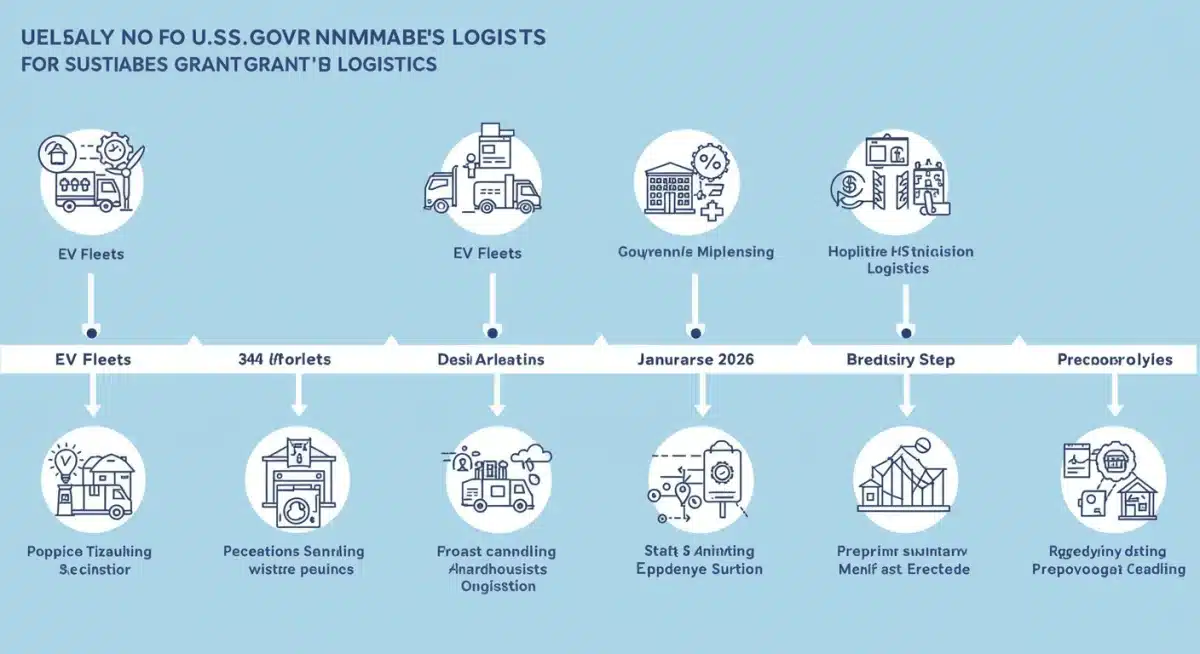
- Electric Vehicle (EV) Fleets & Charging Infrastructure: Transitioning to electric trucks, vans, and forklifts significantly reduces carbon emissions and reliance on fossil fuels. Grants often cover the cost of vehicles and the necessary charging infrastructure.
- Smart Warehousing & Automation: Technologies like AI-powered inventory management, robotic process automation, and energy-efficient building designs can drastically cut energy consumption and optimize space utilization in logistics hubs.
- Advanced Route Optimization & Telematics: Software solutions that use real-time data to optimize delivery routes, minimize idle time, and monitor driver behavior lead to substantial fuel savings and reduced emissions.
- Alternative Fuels & Hydrogen Technology: Projects exploring or implementing hydrogen fuel cell vehicles, renewable natural gas (RNG), or other low-carbon fuels for heavy-duty transport are increasingly supported.
- Sustainable Packaging & Waste Reduction: Innovations in biodegradable packaging, reusable containers, and advanced recycling processes within the supply chain contribute to circular economy goals, often a key focus of environmental grants.
Focusing on these areas not only helps secure funding but also positions companies at the forefront of sustainable logistics innovation, offering long-term operational and reputational benefits.
The Economic and Environmental Benefits of Grant Funding
The pursuit of government grants for sustainable logistics technology is not merely about compliance or corporate social responsibility; it offers tangible economic and environmental benefits that can reshape a company’s future. These grants provide the capital necessary to overcome initial investment hurdles, accelerating the adoption of greener practices and technologies.
Beyond the direct financial injection, securing these grants can lead to significant operational cost savings in the long run, improved brand image, and enhanced competitiveness in a market increasingly valuing sustainability. The environmental dividends, such as reduced carbon footprint and improved air quality, contribute to broader societal welfare.
Long-Term Advantages for Businesses
Investing in sustainable logistics through grant funding yields a multitude of advantages that extend far beyond the immediate project implementation.
- Reduced Operating Costs: Sustainable technologies, such as electric vehicles and energy-efficient warehouses, often have lower operational costs dueion to reduced fuel consumption and maintenance requirements.
- Enhanced Brand Reputation: Companies known for their commitment to sustainability attract environmentally conscious customers, investors, and talent, improving market standing and brand loyalty.
- Regulatory Compliance & Risk Mitigation: Proactive adoption of sustainable practices helps companies stay ahead of evolving environmental regulations, reducing the risk of penalties and future compliance costs.
- Innovation and Competitive Edge: Grant-funded R&D allows businesses to develop and implement cutting-edge solutions, giving them a distinct advantage over competitors who are slower to adopt sustainable practices.
- Access to New Markets: As global supply chains increasingly demand green logistics, companies with sustainable operations can access new markets and partnerships that prioritize environmental performance.
These benefits underline the strategic imperative for businesses to actively pursue these time-sensitive government grants, transforming their logistics operations into more resilient, efficient, and environmentally friendly systems.
Preparing for Post-Grant Success and Beyond 2026
While the immediate focus is on securing government grants before January 2026, successful applicants must also plan for the long-term sustainability and scalability of their initiatives. Grant funding is a catalyst, not a perpetual solution. Strategic planning for post-grant operations ensures that the investments made continue to yield benefits and drive further innovation.
This forward-thinking approach involves establishing robust monitoring and evaluation frameworks, fostering continuous improvement, and exploring additional funding streams for future phases. The goal is to build a sustainable logistics framework that thrives independently of initial grant support and continues to evolve with technological advancements and market demands.
Strategies for Sustained Impact
Ensuring the longevity and expansion of sustainable logistics initiatives requires a comprehensive strategy that extends beyond the grant period.
- Performance Monitoring and Reporting: Implement systems to track the environmental and economic impacts of the funded technologies. Regular reporting not only fulfills grant requirements but also provides valuable data for future decision-making and stakeholder communication.
- Internal Capability Building: Invest in training employees to operate and maintain new sustainable technologies. Developing in-house expertise reduces reliance on external consultants and fosters a culture of sustainability within the organization.
- Seeking Private Sector Partnerships: Explore collaborations with technology providers, financial institutions, and other logistics companies. These partnerships can provide additional capital, expertise, and market access for scaling sustainable solutions.
- Continuous Innovation: Reinvest savings from sustainable operations into further research and development of new green technologies. Stay abreast of emerging trends and adapt solutions to maintain a competitive edge.
- Advocacy and Policy Engagement: Participate in industry forums and engage with policymakers to advocate for continued support for sustainable logistics. Your success stories can influence future grant programs and regulatory frameworks.
By adopting these strategies, businesses can transform a time-sensitive grant opportunity into a foundational pillar for enduring sustainable growth and leadership in the logistics sector, ensuring robust operations well beyond the 2026 deadline.
| Key Point | Brief Description |
|---|---|
| January 2026 Deadline | Many federal sustainable logistics grants expire or are fully allocated by this date, requiring urgent action. |
| Key Funding Sources | DOT, DOE, and EPA offer primary grants for fleet electrification, smart warehousing, and alternative fuels. |
| Strategic Application | Thoroughly align projects with grant objectives, quantify environmental benefits, and justify budgets. |
| Long-Term Benefits | Grants lead to reduced operating costs, enhanced brand reputation, and a competitive edge in sustainable markets. |
Frequently Asked Questions About Sustainable Logistics Grants
Eligible technologies typically include electric vehicles and charging infrastructure, smart warehousing solutions, advanced route optimization software, alternative fuel systems, and sustainable packaging innovations. The focus is on solutions that significantly reduce environmental impact and improve operational efficiency.
January 2026 marks the expiration or full allocation of funds for several key federal programs established under recent legislation like the Infrastructure Investment and Jobs Act and the Inflation Reduction Act. This creates a time-sensitive window to access substantial funding for sustainable logistics projects.
Primary agencies include the Department of Transportation (DOT), Department of Energy (DOE), and the Environmental Protection Agency (EPA). Each agency has specific programs targeting different aspects of sustainable transportation and logistics, from fleet upgrades to energy efficiency.
A strong application requires a detailed project plan, a thoroughly justified budget, a clear environmental impact assessment with quantifiable benefits, and a demonstration of your team’s expertise. Aligning with the grant’s specific objectives is also paramount.
Beyond immediate funding, benefits include reduced operating costs, enhanced brand reputation, improved regulatory compliance, a significant competitive edge through innovation, and access to new markets that prioritize green supply chains. These grants foster sustainable growth.
Conclusion
The opportunity to secure U.S. government grants for sustainable logistics technology before January 2026 represents a pivotal moment for businesses aiming to future-proof their operations. This limited window offers substantial financial leverage to adopt eco-friendly innovations, reduce operational costs, and enhance market competitiveness. By understanding the legislative drivers, identifying relevant programs, meticulously preparing applications, and focusing on high-impact technologies, companies can transform their logistics frameworks into more sustainable, efficient, and resilient systems, ensuring long-term success and contributing positively to environmental stewardship.