Sustainable Last-Mile Delivery: Cut Costs 20% by 2026
US businesses can cut sustainable last-mile delivery costs by 20% by 2026 by embracing four underutilized technologies, offering a crucial competitive edge and fostering environmental responsibility.
The landscape of logistics is rapidly evolving, and for US businesses, mastering sustainable last-mile delivery is no longer just an environmental concern but a critical imperative for economic survival and growth. As consumer expectations for faster, cheaper, and greener deliveries intensify, companies are seeking innovative solutions to navigate the complexities of urban logistics while simultaneously reducing their carbon footprint and operational expenditures. This article delves into four underutilized technologies that promise to revolutionize last-mile operations, potentially slashing costs by 20% by 2026.
The pressure on last-mile delivery
Last-mile delivery, the final leg of a product’s journey to the customer’s doorstep, represents the most expensive and often the least efficient part of the supply chain. It’s a segment plagued by issues ranging from traffic congestion and inefficient routing to rising fuel costs and increasing environmental regulations. Businesses are under immense pressure to optimize this stage, not only to meet customer demands for speed and convenience but also to adhere to sustainability targets.
The current challenges are multifaceted, encompassing escalating operational costs due to fuel price volatility, the capital investment required for greener fleets, and the complexities of managing diverse delivery methods. Moreover, urban areas present unique hurdles, such as limited parking, restricted access zones, and the need for frequent, smaller deliveries. Addressing these issues effectively requires a paradigm shift, moving beyond traditional approaches to embrace cutting-edge technologies that can deliver both economic and environmental benefits.
Many companies are still relying on outdated systems, missing opportunities to leverage advancements that can significantly reduce their expenditures. The urgency for change is magnified by the competitive landscape, where early adopters of sustainable and efficient last-mile solutions stand to gain a substantial market advantage. The insights shared here are designed to guide US businesses toward a more profitable and environmentally responsible future.
Ultimately, the ability to deliver goods efficiently and sustainably directly impacts customer satisfaction and brand reputation. Companies that fail to adapt risk falling behind, both in terms of cost-effectiveness and their commitment to a greener planet. The time to explore and implement these underutilized technologies is now, paving the way for substantial cost savings and enhanced operational performance.
Optimized route planning with AI and machine learning
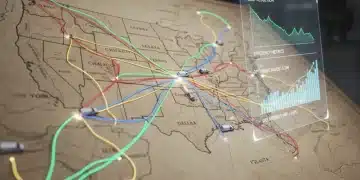
Advanced route optimization, powered by artificial intelligence (AI) and machine learning (ML), is a game-changer for last-mile delivery. While basic GPS routing has been around for years, AI and ML take this to an entirely new level by processing vast amounts of real-time data to create the most efficient delivery paths possible. This includes dynamic traffic conditions, weather patterns, historical delivery data, vehicle capacity, and even driver availability.
The sophistication of these algorithms allows for continuous adjustments, meaning routes can be re-optimized on the fly to avoid unexpected delays, such as accidents or road closures. This not only saves valuable time but also significantly reduces fuel consumption and minimizes vehicle wear and tear. For businesses operating large fleets, even marginal improvements in route efficiency can translate into substantial cost savings over time.
Dynamic route adjustments
Traditional route planning often relies on static maps and historical data, which can quickly become obsolete in dynamic urban environments. AI-driven systems, however, learn and adapt.
- Real-time traffic analysis: Integrates live traffic feeds to predict and avoid congestion.
- Predictive modeling: Uses historical data to anticipate peak delivery times and potential delays.
- Weather integration: Adjusts routes based on current and forecasted weather conditions, optimizing safety and speed.
- Driver performance feedback: Learns from driver behavior and delivery success rates to refine future routes.
The result is a more resilient and responsive delivery network that can absorb disruptions without significant impact on schedules or costs. This proactive approach to logistics minimizes downtime and maximizes the productivity of each delivery vehicle.
Implementing AI-powered route optimization requires an initial investment in software and data integration, but the long-term benefits in fuel savings, reduced labor costs, and improved customer satisfaction quickly justify the expenditure. It’s a foundational technology for any business aiming for truly sustainable and cost-efficient last-mile operations.
Micro-fulfillment centers and urban hubs
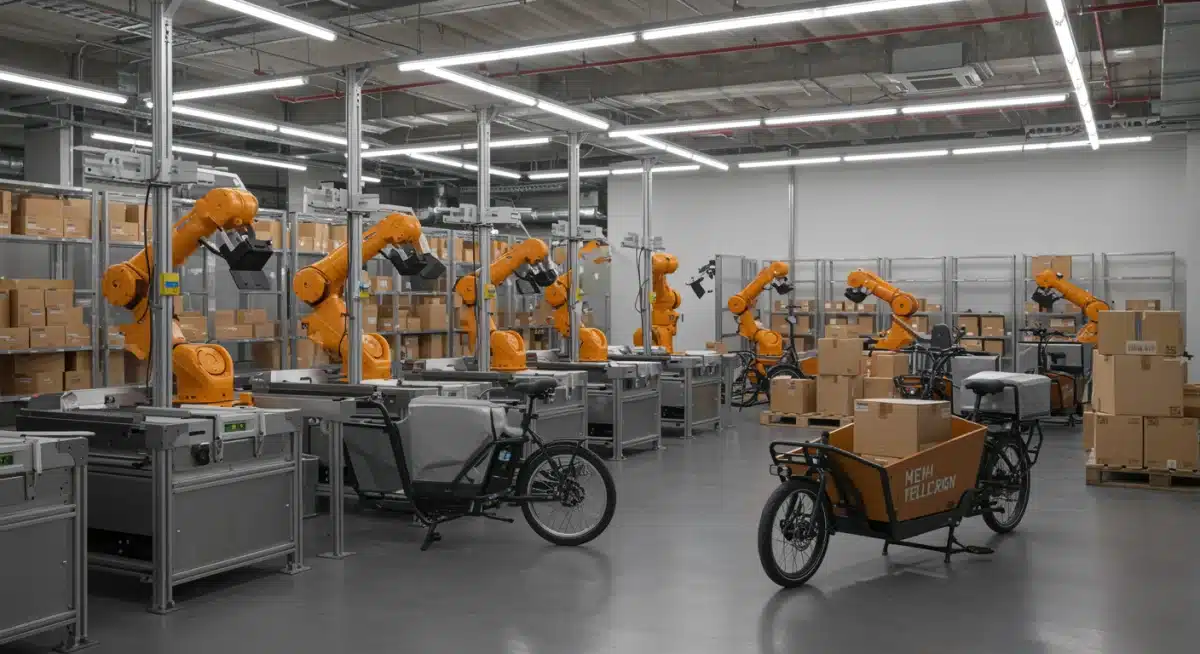
The concept of micro-fulfillment centers (MFCs) and urban hubs is gaining traction as a powerful strategy to shorten delivery distances and expedite last-mile operations. Instead of relying on large, centralized warehouses often located on the outskirts of cities, MFCs are smaller, highly automated facilities strategically placed within urban areas, much closer to the end consumer.
These compact centers allow businesses to store inventory closer to customer demand, drastically cutting down the travel time and distance for final deliveries. This proximity translates directly into lower fuel consumption, reduced emissions, and the ability to offer faster, more flexible delivery options like same-day or even hour-long windows. MFCs are often equipped with advanced robotics and automation, enabling rapid order picking and packing.
Benefits of localized inventory
By decentralizing inventory, businesses can unlock several operational advantages.
- Reduced transportation costs: Shorter distances mean less fuel and lower vehicle maintenance.
- Faster delivery times: Enables competitive same-day and express delivery services.
- Lower carbon footprint: Less travel equals fewer emissions, aligning with sustainability goals.
- Improved customer satisfaction: Quicker deliveries lead to happier and more loyal customers.
The establishment of urban hubs complements MFCs by serving as consolidation points for various delivery methods, from electric cargo bikes to autonomous delivery robots. This network approach creates a highly efficient ecosystem that can adapt to diverse urban environments and delivery requirements. It minimizes the need for traditional, larger delivery vehicles in dense areas, further reducing congestion and pollution.
While setting up MFCs and urban hubs involves upfront investment, the long-term savings from reduced transportation costs, increased delivery speed, and improved operational efficiency make them a compelling solution for businesses looking to optimize their sustainable last-mile delivery strategy. This localized approach is key to meeting future consumer expectations while maintaining profitability.
Electric cargo bikes and autonomous delivery robots
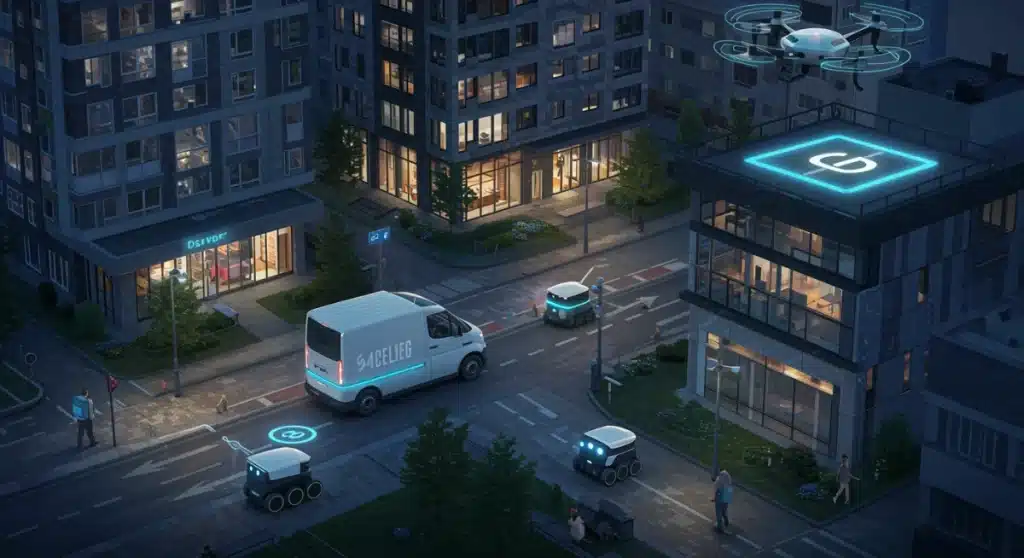
Beyond traditional vans, electric cargo bikes and autonomous delivery robots (ADRs) are becoming increasingly viable and underutilized options for sustainable last-mile delivery, especially in dense urban environments. These smaller, more agile vehicles offer a compelling alternative to conventional delivery trucks, addressing issues of congestion, pollution, and parking limitations.
Electric cargo bikes, for instance, can navigate bike lanes and pedestrian zones, often delivering faster than vans stuck in traffic. They are emissions-free, quiet, and significantly cheaper to operate and maintain than gasoline-powered vehicles. Many businesses are starting to integrate them for smaller, localized deliveries, finding them highly effective for urban last-mile segments.
Autonomous delivery robots, while still in their nascent stages of widespread adoption, hold immense promise. These ground-based robots can transport packages directly to customers’ doors, operating 24/7 without human intervention. They are particularly suited for short-distance deliveries within neighborhoods or campuses, further reducing labor costs and improving efficiency. Their electric nature ensures zero tailpipe emissions, contributing to cleaner air in urban areas.
Advantages of alternative delivery methods
Embracing these alternative delivery methods offers a suite of benefits:
- Zero emissions: Directly contributes to air quality improvement and sustainability goals.
- Reduced operating costs: Lower fuel/electricity costs, less maintenance, and potential for reduced labor.
- Increased agility: Can navigate congested areas and pedestrian zones more effectively.
- Scalability: ADRs offer the potential for highly scalable, automated delivery services.
The integration of electric cargo bikes and ADRs into a comprehensive last-mile strategy requires careful planning, including infrastructure considerations and regulatory compliance. However, their potential for significant cost savings and environmental benefits makes them technologies that US businesses should actively explore and pilot. They represent a tangible step towards a more sustainable and efficient urban logistics future.
These technologies are not about replacing human drivers entirely but about augmenting existing fleets and optimizing operations for specific delivery scenarios. For instance, electric cargo bikes can handle the bulk of short-distance urban deliveries, freeing up larger electric vans for longer routes or heavier loads. This diversified approach creates a more resilient and adaptable delivery network.
Predictive analytics for demand forecasting
Predictive analytics, leveraging advanced statistical models and machine learning, is an underutilized technology that can drastically improve the efficiency of sustainable last-mile delivery by accurately forecasting demand. By analyzing historical sales data, seasonal trends, marketing campaigns, and external factors like weather or local events, businesses can anticipate future order volumes with remarkable precision.
This foresight allows for optimized inventory placement within micro-fulfillment centers, more efficient scheduling of delivery personnel, and proactive management of fleet resources. Instead of reacting to demand fluctuations, companies can prepare in advance, ensuring that the right products are in the right place at the right time, minimizing costly rush orders and underutilized capacity.
Accurate demand forecasting reduces the need for expedited shipping, which often involves less sustainable and more expensive transportation methods. It also helps in preventing stockouts or overstocking, both of which incur significant costs. For sustainable operations, predictive analytics means fewer unnecessary trips, optimized vehicle loading, and a more streamlined overall process.
Key benefits of predictive demand forecasting
The strategic implementation of predictive analytics yields several critical advantages:
- Optimized inventory levels: Reduces holding costs and minimizes waste.
- Efficient resource allocation: Ensures optimal use of vehicles and personnel.
- Reduced expedited shipping: Lowers costs and environmental impact associated with rush deliveries.
- Improved customer satisfaction: Consistently meets demand, avoiding delays and stockouts.
Investing in predictive analytics tools and expertise is a strategic move that pays dividends in operational efficiency and cost reduction across the entire supply chain, particularly for the last mile. It transforms the delivery operation from reactive to proactive, providing a competitive edge in a demanding market. By understanding tomorrow’s needs today, businesses can make more informed decisions that support both financial and environmental goals.
The integration of predictive analytics with other technologies, such as AI-powered route optimization, creates a symbiotic relationship. Forecasted demand can feed directly into routing algorithms, further enhancing their accuracy and efficiency. This holistic approach is what truly drives significant cost reductions and sustainability improvements in last-mile logistics.
Implementing these technologies: a strategic roadmap
Successfully integrating these underutilized technologies into existing operations requires a phased and strategic approach. It’s not about a complete overhaul overnight, but rather a carefully planned evolution that prioritizes impact and scalability. Businesses should begin with pilot programs to test the efficacy of each technology in their specific operational context before committing to widespread deployment.
A crucial first step involves a thorough assessment of current last-mile operations to identify pain points and areas where these technologies can yield the greatest return on investment. This includes analyzing existing routing inefficiencies, identifying potential locations for micro-fulfillment centers, and evaluating the feasibility of alternative delivery vehicles like electric cargo bikes or autonomous robots.
Collaboration with technology providers and logistics experts is also vital. Many vendors offer tailored solutions and implementation support, helping businesses navigate the complexities of integration and data management. Training existing staff or hiring new talent with expertise in these advanced systems will be essential to maximize the benefits.
Steps for successful integration
- Conduct a comprehensive audit: Analyze current last-mile costs, inefficiencies, and environmental impact.
- Pilot and iterate: Start with small-scale implementations to gather data and refine processes.
- Invest in data infrastructure: Ensure robust systems for collecting, analyzing, and acting on data.
- Foster a culture of innovation: Encourage adoption and continuous improvement among staff.
- Monitor and measure: Continuously track key performance indicators (KPIs) to assess ROI and adjust strategies.
The journey towards a more sustainable and cost-effective last-mile delivery system is ongoing. Continuous evaluation and adaptation will be necessary to stay ahead of evolving consumer demands and technological advancements. By strategically implementing these underutilized technologies, US businesses can not only achieve significant cost reductions but also establish themselves as leaders in responsible and efficient logistics.
Embracing these innovations is a long-term investment that will redefine competitive advantage. The businesses that move decisively to integrate these solutions will be the ones best positioned to thrive in the increasingly complex and demanding world of last-mile delivery, securing both financial prosperity and a positive environmental legacy.
The future of sustainable last-mile delivery
The future of last-mile delivery in the US is undeniably sustainable, efficient, and technologically driven. The integration of advanced AI for route optimization, the strategic deployment of micro-fulfillment centers, the adoption of electric cargo bikes and autonomous delivery robots, and the power of predictive analytics are not isolated trends but interconnected components of a holistic transformation. These technologies collectively pave the way for a delivery ecosystem that minimizes environmental impact while maximizing operational efficiency and cost-effectiveness.
As consumer awareness of environmental issues grows, so does the demand for green delivery options. Businesses that proactively embrace these sustainable practices will not only meet regulatory requirements but also enhance their brand image and attract a growing segment of eco-conscious customers. The projected 20% cost reduction by 2026 is a significant incentive, demonstrating that sustainability and profitability are not mutually exclusive but rather synergistic goals.
The shift towards these underutilized technologies also promises to alleviate urban congestion and improve air quality, contributing to healthier and more livable cities. This broader societal benefit reinforces the importance of investing in these innovations. The challenges of urban logistics are complex, but the solutions offered by these technologies are powerful and transformative.
Ultimately, the businesses that succeed will be those that view last-mile delivery not merely as a cost center but as a strategic asset. By leveraging technology to create a faster, cheaper, and greener delivery network, companies can secure a competitive edge, build customer loyalty, and contribute positively to a sustainable future. The journey has begun, and the opportunities for innovation and impact are immense.
| Key Technology | Benefit for Sustainable Last-Mile Delivery |
|---|---|
| AI Route Optimization | Reduces fuel consumption and delivery time significantly through dynamic path adjustments. |
| Micro-fulfillment Centers | Shortens delivery distances, enabling faster, greener, and more cost-effective urban deliveries. |
| Electric Cargo Bikes/ADRs | Offers zero-emission, agile, and cost-efficient alternatives for urban and short-distance deliveries. |
| Predictive Analytics | Optimizes inventory and resource allocation by accurately forecasting demand, reducing waste. |
Frequently asked questions about sustainable last-mile delivery
Sustainable last-mile delivery refers to the final leg of the delivery process that aims to minimize environmental impact and costs. It involves using eco-friendly transportation, optimizing routes, and leveraging technology to reduce emissions, traffic congestion, and operational expenses, ensuring efficient and green product delivery to the customer.
AI route optimization reduces costs by dynamically calculating the most efficient delivery paths in real time. This minimizes fuel consumption, decreases vehicle wear and tear, and saves driver labor hours by avoiding traffic, road closures, and optimizing delivery sequences, leading to significant operational savings.
Micro-fulfillment centers are smaller, automated warehouses located closer to urban customers. Their key benefit is reducing last-mile delivery distances and times, which leads to lower transportation costs, faster delivery speeds, reduced carbon emissions, and improved customer satisfaction for same-day or express services.
Yes, electric cargo bikes and autonomous delivery robots (ADRs) are increasingly practical, especially in dense US urban areas. They offer zero-emission, agile, and cost-effective solutions for short-distance deliveries, bypassing traffic and reducing operating expenses. While ADRs are still developing, electric cargo bikes are already proving effective for many businesses.
Predictive analytics helps by forecasting demand accurately, allowing businesses to optimize inventory, schedule resources efficiently, and minimize unnecessary trips. This reduces fuel consumption, avoids costly expedited shipping, and ensures vehicles are appropriately loaded, contributing to both cost savings and environmental sustainability in delivery operations.
Conclusion
The journey towards a more efficient and environmentally conscious future for US businesses hinges significantly on their approach to last-mile delivery. The four underutilized technologies discussed—AI-powered route optimization, micro-fulfillment centers, electric cargo bikes and autonomous delivery robots, and predictive analytics—offer a clear roadmap to achieving substantial cost reductions, potentially up to 20% by 2026. Beyond the financial gains, embracing these innovations positions companies as leaders in sustainability, meeting evolving consumer demands and contributing to healthier urban environments. The time for strategic investment and thoughtful implementation of these solutions is now, ensuring both competitive advantage and a positive impact on our planet.