Unlocking Supply Chain Resilience: U.S. Business Solutions for 2026
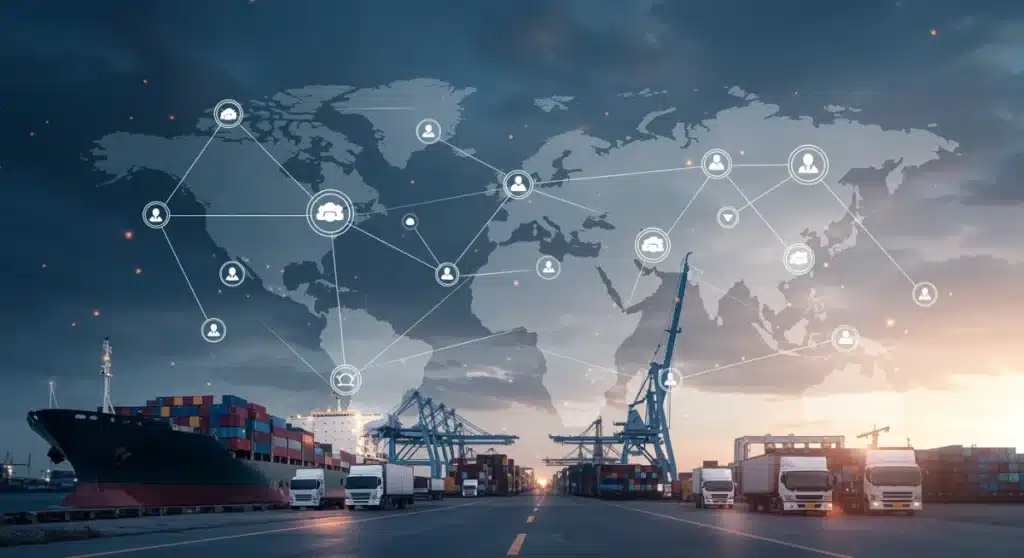
U.S. businesses must prioritize building robust supply chain resilience by integrating advanced technologies, diversifying sourcing, and fostering collaborative ecosystems to effectively counter anticipated disruptions by 2026.
The landscape of global commerce is constantly shifting, and for U.S. businesses, understanding and preparing for future challenges is paramount. Unlocking Supply Chain Resilience: Practical Solutions for U.S. Businesses Facing 2026 Disruptions is not merely a strategic objective; it’s a critical imperative for survival and growth in an increasingly volatile world. The next few years promise a unique blend of technological advancements and geopolitical uncertainties, making proactive measures indispensable. This article delves into actionable strategies and innovative approaches that U.S. enterprises can adopt to fortify their supply chains against the foreseeable and unforeseen.
Understanding the 2026 Landscape: Emerging Threats and Opportunities
As we approach 2026, U.S. businesses face a complex array of potential disruptions, ranging from geopolitical tensions and climate change impacts to rapid technological shifts and evolving consumer demands. These factors necessitate a comprehensive re-evaluation of traditional supply chain models.
The interconnectedness of global economies means that an event in one region can have cascading effects worldwide. Businesses must develop a keen understanding of these macro-environmental forces to anticipate and mitigate risks effectively. Proactive intelligence gathering and scenario planning become invaluable tools.
Geopolitical Volatility and Trade Policies
The global political climate continues to be a significant source of uncertainty. Shifting trade agreements, sanctions, and regional conflicts can severely impact sourcing, manufacturing, and distribution networks. U.S. businesses need to monitor these developments closely.
- Diversify geographical sourcing to reduce reliance on single regions.
- Establish agile customs and compliance teams to adapt to new regulations.
- Develop contingency plans for potential trade route disruptions.
Climate Change and Extreme Weather Events
The increasing frequency and intensity of extreme weather events pose direct threats to physical infrastructure and transportation. Hurricanes, floods, and wildfires can halt operations, damage assets, and disrupt logistics. Building climate resilience into supply chain design is no longer optional.
Beyond natural disasters, the growing imperative for sustainability also presents opportunities for innovation. Embracing greener logistics and circular economy principles can enhance brand reputation and operational efficiency.
Understanding the multifaceted threats and opportunities shaping the 2026 landscape is the foundational step toward building robust supply chain resilience. By analyzing these elements, U.S. businesses can begin to formulate targeted and effective strategies.
Leveraging Technology for Enhanced Visibility and Agility
In the quest for supply chain resilience, technology stands as an indispensable ally. Modern solutions offer unprecedented levels of visibility, predictive capabilities, and automation, transforming how businesses manage their complex networks.
The integration of advanced analytics, artificial intelligence (AI), and blockchain technology can provide real-time insights into inventory levels, transportation statuses, and potential bottlenecks. This data-driven approach allows for quicker decision-making and more agile responses to disruptions.
Artificial Intelligence and Machine Learning in Forecasting
AI and machine learning algorithms can analyze vast datasets to predict demand fluctuations, identify potential supply shortages, and optimize routing. This predictive power helps businesses anticipate issues before they escalate.
- Implement AI-driven demand forecasting tools to minimize overstocking or stockouts.
- Utilize machine learning for anomaly detection in logistics operations.
- Automate decision-making processes for routine supply chain tasks.
Blockchain for Transparency and Traceability
Blockchain technology offers a secure and immutable ledger for tracking goods across the supply chain. This enhances transparency, allowing businesses to verify the origin and journey of products, which is crucial for compliance and quality control.
Beyond traceability, blockchain can streamline payment processes and improve trust among supply chain partners. Its decentralized nature reduces reliance on single points of failure, contributing to overall resilience.
Embracing these technological advancements is not just about efficiency; it’s about fundamentally re-architecting supply chains to be more responsive, transparent, and capable of withstanding future shocks. U.S. businesses that invest in these tools will gain a significant competitive advantage.
Strategic Sourcing and Supplier Diversification
A diversified sourcing strategy is a cornerstone of supply chain resilience. Over-reliance on a single supplier or geographical region introduces significant vulnerabilities that can be exploited during times of crisis. U.S. businesses must actively seek to broaden their supplier base and explore alternative manufacturing locations.
This approach not only mitigates risk but can also foster greater innovation and competitive pricing by engaging a wider range of partners. It requires a thorough understanding of global capabilities and potential new markets.

Nearshoring and Reshoring Initiatives
Bringing manufacturing or sourcing closer to home (nearshoring) or back to the U.S. (reshoring) can significantly reduce lead times and transportation costs, while also minimizing exposure to international geopolitical risks. This trend is gaining momentum as businesses prioritize reliability over the lowest possible cost.
While these strategies may involve higher initial investments, the long-term benefits in terms of security of supply and reduced disruption risk often outweigh the costs. It also supports local economies and job creation.
Multi-Sourcing and Dual-Sourcing Strategies
Implementing a multi-sourcing strategy, where critical components or materials are procured from several different suppliers, ensures continuity of supply even if one vendor experiences an outage. Dual-sourcing, a more focused version, involves having at least two approved suppliers for each key item.
- Identify critical components that require multi-sourcing.
- Vetting and qualify alternative suppliers rigorously.
- Negotiate flexible contracts that allow for shifts in demand and supply.
By strategically diversifying their supplier base and exploring regional sourcing options, U.S. businesses can significantly enhance their ability to withstand external shocks and maintain operational continuity. This proactive approach is vital for building lasting supply chain resilience.
Building Collaborative Ecosystems and Partnerships
True supply chain resilience extends beyond internal capabilities; it thrives on strong, collaborative relationships with external partners. Establishing transparent and trust-based ecosystems can provide a collective defense against disruptions and foster shared innovation.
This involves not just suppliers and customers, but also logistics providers, technology vendors, and even competitors in certain scenarios. Open communication and shared goals are critical for navigating complex challenges together.
Information Sharing and Joint Planning
Effective collaboration hinges on the willingness to share information and engage in joint planning. Real-time data exchange on inventory, demand forecasts, and potential risks allows all parties to make more informed decisions and coordinate responses.
Joint planning sessions can help identify vulnerabilities across the entire network and develop integrated contingency plans. This proactive engagement strengthens the entire ecosystem.
Supplier Relationship Management (SRM)
Investing in robust Supplier Relationship Management (SRM) programs goes beyond transactional interactions. It involves building long-term strategic partnerships based on mutual benefit and shared risk. Strong SRM can lead to greater supplier loyalty and flexibility during crises.
- Implement digital platforms for seamless communication with suppliers.
- Conduct regular performance reviews and provide constructive feedback.
- Co-invest in innovation and sustainability initiatives with key partners.
A resilient supply chain is a connected supply chain. By fostering strong, collaborative ecosystems, U.S. businesses can create a network of support that is far more capable of withstanding the inevitable disruptions of the future than any single entity operating in isolation.
Investing in Workforce Development and Skills
The human element remains central to supply chain resilience. A skilled and adaptable workforce is essential for managing complex operations, leveraging new technologies, and responding effectively to unforeseen challenges. Investing in continuous learning and development is paramount.
As supply chains become more digitized and automated, the demand for analytical, technical, and problem-solving skills will only grow. Businesses must proactively bridge these skill gaps to ensure their teams are prepared for the future.
Training in Digital Tools and Analytics
Providing employees with training in advanced digital tools, data analytics, and AI applications empowers them to utilize new technologies effectively. This includes understanding how to interpret data, operate automated systems, and troubleshoot tech-related issues.
Upskilling in these areas ensures that the workforce can maximize the benefits of technological investments, turning data into actionable insights and improving operational efficiency.
Developing Crisis Management and Adaptability Skills
Beyond technical skills, fostering soft skills like critical thinking, problem-solving, and adaptability is crucial for navigating crises. Employees who can think on their feet and adjust quickly to changing circumstances are invaluable.
- Conduct regular simulations and tabletop exercises for crisis response.
- Promote cross-functional training to broaden employee understanding of the entire supply chain.
- Encourage a culture of continuous learning and innovation.
A well-trained and adaptable workforce is a critical asset in building supply chain resilience. By investing in their people, U.S. businesses can ensure they have the human capital necessary to operate effectively in an increasingly dynamic and unpredictable environment.
Establishing Robust Risk Management Frameworks
A comprehensive risk management framework is the backbone of any resilient supply chain. This involves systematically identifying, assessing, mitigating, and monitoring potential risks across the entire network. It’s an ongoing process, not a one-time exercise.
Effective risk management moves beyond simply reacting to problems; it’s about anticipating them and building in preventative measures and rapid response capabilities. This proactive stance significantly reduces the impact of disruptions.
Risk Mapping and Vulnerability Assessment
Begin by mapping the entire supply chain to identify all critical nodes, suppliers, transportation routes, and potential points of failure. Conduct thorough vulnerability assessments to understand where the greatest risks lie and what their potential impact could be.
This process should involve qualitative and quantitative analyses, considering both the likelihood and severity of various risk events. Prioritize risks based on their potential to disrupt operations and financial stability.
Contingency Planning and Business Continuity
Develop detailed contingency plans for identified high-priority risks. These plans should outline specific actions to be taken, roles and responsibilities, communication protocols, and alternative solutions to ensure business continuity during a disruption.
- Create alternative sourcing and manufacturing plans.
- Establish emergency logistics and transportation routes.
- Develop robust communication strategies for internal and external stakeholders.
Regularly review and update risk management frameworks to reflect new threats and evolving business conditions. By embedding risk management into the core of their operations, U.S. businesses can proactively build and maintain enduring supply chain resilience.
| Key Strategy | Brief Description |
|---|---|
| Technology Integration | Utilize AI, ML, and blockchain for enhanced visibility, forecasting, and transparency across the supply chain. |
| Supplier Diversification | Reduce single-point failures by sourcing from multiple regions and suppliers, including nearshoring options. |
| Collaborative Ecosystems | Foster strong partnerships, information sharing, and joint planning with all supply chain stakeholders. |
| Risk Management | Implement robust frameworks for identifying, assessing, and mitigating potential disruptions with contingency plans. |
Frequently Asked Questions About Supply Chain Resilience
By 2026, U.S. businesses will face heightened risks from global geopolitical shifts, climate change, and rapid technological evolution. Resilience ensures operational continuity, protects revenue streams, and maintains customer trust amidst these inevitable disruptions, safeguarding long-term viability and competitiveness.
Technology, including AI, machine learning, and blockchain, provides crucial real-time visibility, predictive analytics, and enhanced traceability. These tools enable proactive risk identification, optimized decision-making, and more agile responses to disruptions, making supply chains smarter and more robust.
Supplier diversification reduces reliance on single sources, mitigating risks associated with geographical concentration or sole supplier failures. By engaging multiple vendors, including nearshoring options, businesses ensure continuity of supply even when one part of their network faces an outage, fostering greater security.
Collaborative ecosystems, built on trust and information sharing with partners, enable collective problem-solving and joint planning. This shared approach enhances overall network stability, improves response times during crises, and can lead to mutual innovation, benefiting all participants.
A resilient workforce needs a blend of technical and soft skills. Proficiency in digital tools, data analytics, and automation is crucial. Equally important are critical thinking, problem-solving, adaptability, and crisis management abilities, ensuring teams can navigate complex and evolving supply chain challenges effectively.
Conclusion
The journey toward superior supply chain resilience is ongoing, demanding continuous adaptation and strategic foresight from U.S. businesses. As 2026 approaches, the confluence of technological advancements, geopolitical shifts, and environmental imperatives underscores the urgency of this endeavor. By proactively embracing digital transformation, diversifying sourcing strategies, fostering collaborative partnerships, investing in human capital, and establishing robust risk management frameworks, companies can not only mitigate future disruptions but also transform challenges into opportunities for growth and innovation. The future of logistics for U.S. businesses hinges on their ability to build supply chains that are not just efficient but exceptionally resilient.