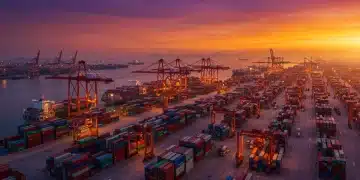
Navigating Supply Chain Reshoring: Boosting Domestic Manufacturing
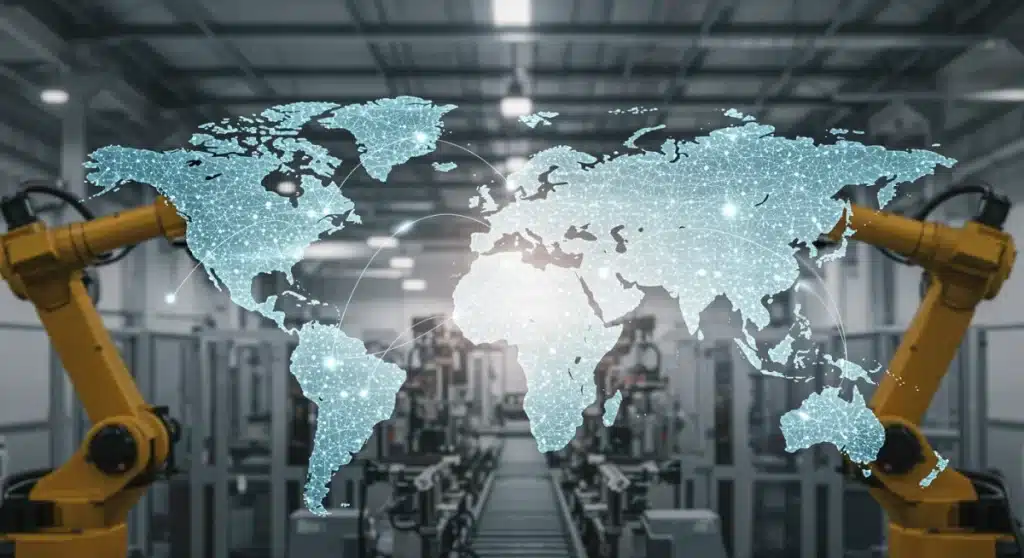
Navigating Supply Chain Reshoring: A Catalyst for Domestic Manufacturing Growth
In an increasingly interconnected yet volatile global economy, the concept of supply chain reshoring has moved from a niche topic to a central strategic imperative for businesses and governments worldwide. The economic forecast is clear: supply chain reshoring efforts are projected to significantly increase domestic manufacturing output, with an impressive 8% rise anticipated by 2026. This monumental shift signals a fundamental reassessment of global production strategies, driven by a confluence of geopolitical, economic, and technological factors. Understanding this trend is not merely academic; it is crucial for businesses aiming to build resilient, efficient, and sustainable operations in the coming years.
For decades, the prevailing wisdom in global manufacturing favored offshoring production to regions with lower labor costs, leading to complex, extended supply chains. While this model offered cost efficiencies, it also introduced vulnerabilities that became starkly apparent during recent global disruptions, such as pandemics, trade disputes, and geopolitical tensions. These events exposed the fragility of highly globalized supply networks, prompting a strategic rethink and accelerating the movement towards bringing manufacturing capabilities closer to home – a phenomenon known as supply chain reshoring.
This comprehensive article will delve deep into the multifaceted aspects of supply chain reshoring. We will explore the primary drivers behind this trend, analyze its profound economic implications, and examine the strategic advantages it offers to businesses. Furthermore, we will address the inherent challenges and provide actionable insights for companies looking to successfully navigate this transformative shift. By the end, readers will have a clearer understanding of why reshoring is not just a temporary reaction to crises, but a long-term strategic evolution poised to redefine the landscape of domestic manufacturing.
What is Supply Chain Reshoring and Why Now?
At its core, supply chain reshoring refers to the process of bringing manufacturing and production facilities back to a company’s home country, or at least closer to its primary markets. This contrasts with offshoring, where production is moved to distant, often lower-cost, countries. While the idea of domestic production isn’t new, the current wave of reshoring is distinct due to its scale, urgency, and the sophisticated motivations behind it.
The Genesis of the Reshoring Movement
The initial impetus for offshoring in the late 20th and early 21st centuries was primarily cost reduction. Companies sought to leverage lower labor, material, and regulatory costs in developing nations. This led to the establishment of intricate global supply chains, optimized for efficiency and minimal expense. However, this optimization often came at the price of resilience and control.
The global financial crisis of 2008, followed by a series of natural disasters (e.g., the 2011 Tohoku earthquake and tsunami) and the more recent COVID-19 pandemic, served as wake-up calls. These events highlighted critical vulnerabilities:
- Disruptions to Global Logistics: Port closures, shipping delays, and increased freight costs exposed the fragility of long-distance supply lines.
- Geopolitical Tensions: Trade wars, tariffs, and political instability underscored the risks associated with dependency on foreign production.
- Quality Control Issues: Maintaining consistent quality across vast geographical distances proved challenging for some industries.
- Intellectual Property Protection: Concerns over IP theft in certain foreign jurisdictions became more pronounced.
- Ethical and Environmental Considerations: Growing consumer and regulatory pressure for ethical labor practices and reduced carbon footprints began to influence sourcing decisions.
These factors collectively pushed businesses to re-evaluate their global footprint, prioritizing resilience, agility, and control over pure cost arbitrage. The result is a growing commitment to supply chain reshoring, aiming to mitigate risks and capitalize on newfound domestic advantages.
The Economic Impact: Projecting an 8% Increase in Domestic Manufacturing Output by 2026
The economic ramifications of widespread supply chain reshoring are substantial and far-reaching. The projection of an 8% increase in domestic manufacturing output by 2026 is a testament to the transformative power of this trend. This growth isn’t just about relocating factories; it’s about stimulating entire ecosystems of innovation, employment, and economic stability.
Job Creation and Economic Stimulus
One of the most direct and celebrated benefits of reshoring is the creation of domestic jobs. Manufacturing jobs often provide stable, well-paying employment, contributing to a stronger middle class and increased consumer spending. As companies bring production back, they invest in new facilities, machinery, and skilled labor, creating a ripple effect throughout the economy. This includes not only direct manufacturing jobs but also roles in logistics, technology, R&D, and supporting services.
Innovation and Technological Advancement
Reshoring often goes hand-in-hand with advanced manufacturing techniques. Companies bringing production home are not simply replicating old models; they are frequently investing in automation, robotics, artificial intelligence (AI), and the Internet of Things (IoT). This focus on Industry 4.0 technologies leads to increased productivity, higher quality products, and a more competitive domestic manufacturing sector. This drive for innovation can also foster stronger collaboration between industry, academia, and government, leading to breakthroughs that benefit the entire economy.
Strengthening National Security and Resilience
The pandemic exposed critical dependencies on foreign suppliers for essential goods, from medical supplies to semiconductors. Supply chain reshoring addresses these vulnerabilities by ensuring a reliable domestic source for critical components and products. This strategic independence enhances national security, reduces reliance on potentially unstable foreign supply lines, and provides greater control over the availability of essential goods during crises.
Reduced Environmental Footprint
While not universally true, reshoring can contribute to reduced environmental impact. Shorter supply chains mean less transportation, leading to lower carbon emissions. Moreover, domestic manufacturing often operates under stricter environmental regulations, promoting more sustainable production practices. This aligns with growing global efforts to combat climate change and meet sustainability goals, providing an additional incentive for companies to reconsider their global footprint.
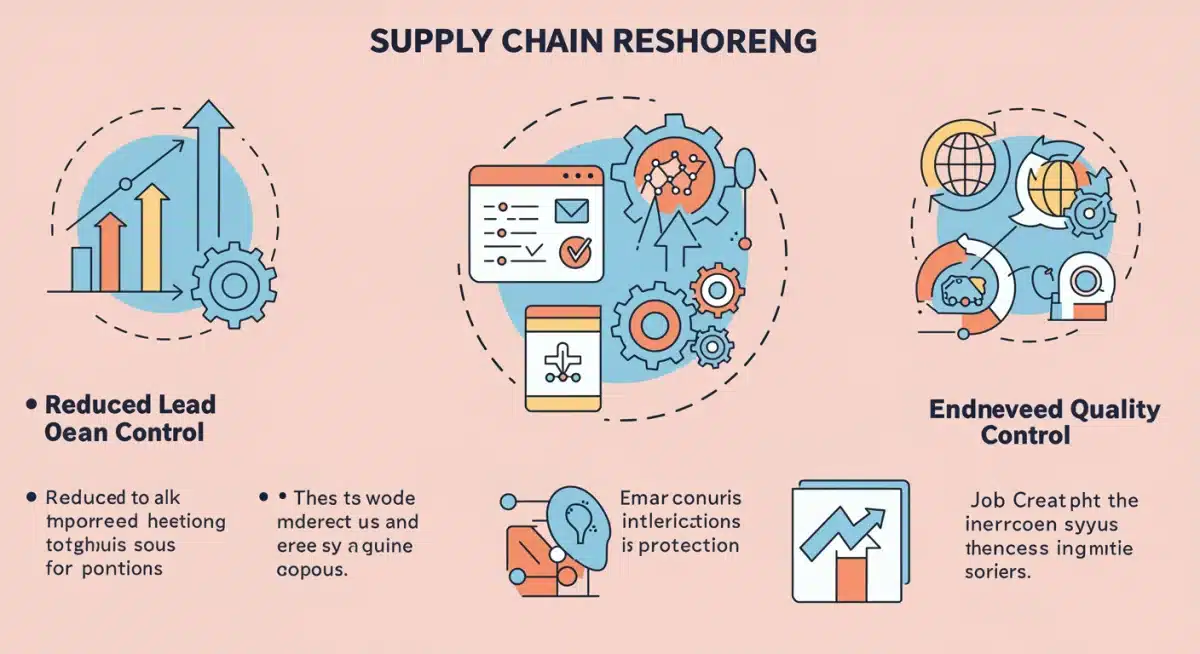
Strategic Advantages for Businesses Embracing Reshoring
Beyond the broader economic benefits, businesses that strategically embrace supply chain reshoring can unlock a multitude of competitive advantages that directly impact their bottom line and market position.
Enhanced Agility and Responsiveness
Shorter supply chains inherently mean shorter lead times. This allows companies to respond more quickly to changes in market demand, consumer preferences, and unforeseen disruptions. The ability to pivot rapidly, adjust production volumes, and introduce new products to market faster provides a significant competitive edge, especially in fast-evolving industries.
Improved Quality Control and Product Innovation
Having manufacturing facilities closer to R&D and design teams fosters tighter integration and collaboration. This proximity enables more rigorous quality control throughout the production process, leading to higher-quality products and fewer defects. Furthermore, the close feedback loop between manufacturing and design can accelerate product innovation, allowing for more rapid prototyping and iteration.
Better Inventory Management and Reduced Costs
While initial reshoring costs can be high, the long-term benefits include potentially lower inventory holding costs. Reduced lead times mean companies don’t need to hold as much safety stock, freeing up capital and reducing warehousing expenses. Furthermore, the elimination of complex international logistics can lead to savings in freight, customs duties, and the administrative burden associated with global trade.
Stronger Brand Reputation and Customer Loyalty
Consumers are increasingly conscious of where their products come from. "Made in [Home Country]" labels can resonate strongly with patriotic sentiments, ethical concerns, and a desire for higher quality. Companies that reshore can leverage this to build a stronger brand image, foster greater customer trust, and cultivate loyalty, especially among consumers who prioritize supporting local economies and sustainable practices.
Greater Intellectual Property Protection
Concerns about intellectual property (IP) theft are a significant deterrent for companies operating in certain foreign markets. By bringing production home, businesses can operate under the legal protections of their domestic jurisdiction, significantly reducing the risk of IP infringement and safeguarding their innovations and competitive advantage.
Challenges and Considerations in Supply Chain Reshoring
While the benefits of supply chain reshoring are compelling, the process is not without its challenges. Companies must carefully weigh these considerations and develop robust strategies to overcome potential hurdles.
High Initial Investment Costs
Setting up new manufacturing facilities, retooling existing ones, or investing in advanced automation requires significant capital expenditure. This can be a major barrier, especially for smaller and medium-sized enterprises (SMEs). Governments often offer incentives, tax breaks, and grants to offset these costs and encourage domestic investment, but careful financial planning is essential.
Talent Gap and Workforce Development
Decades of offshoring have, in some regions, led to a decline in the skilled manufacturing workforce. Reshoring initiatives often face a talent gap, requiring significant investment in training and education programs to develop the necessary skills for modern manufacturing, including robotics, data analytics, and advanced machinery operation. Partnerships between industry, educational institutions, and government agencies are vital to address this.
Access to Raw Materials and Components
While the goal is to bring production home, complete self-sufficiency in raw materials and specialized components may not always be feasible or cost-effective. Companies must strategically assess their upstream supply chain to identify potential domestic sources or diversify international suppliers to mitigate risks, even if final assembly is onshore.
Regulatory and Compliance Complexities
Navigating domestic regulations, environmental standards, labor laws, and permitting processes can be complex and time-consuming. Companies must ensure full compliance and be prepared for the administrative burden associated with establishing or expanding operations within their home country.
Scaling Production and Market Access
For some industries, especially those with high volume requirements, scaling domestic production to meet global demand can be challenging. Furthermore, while reshoring focuses on domestic markets, companies still need to consider how this strategy impacts their ability to serve international customers, potentially requiring a hybrid approach of localized production for key markets.

Strategies for Successful Supply Chain Reshoring
To successfully implement supply chain reshoring, businesses need a well-defined strategy that addresses both the opportunities and challenges. Haphazard reshoring can be costly and counterproductive; a thoughtful approach is paramount.
Conduct a Comprehensive Cost-Benefit Analysis
Before making any moves, companies must perform a thorough total cost of ownership (TCO) analysis. This goes beyond simple labor costs and includes factors like freight, inventory carrying costs, quality control expenses, intellectual property risks, tariffs, regulatory compliance, and the value of faster time-to-market. Often, what appears cheaper offshore becomes more expensive when all hidden costs and risks are factored in.
Leverage Automation and Advanced Manufacturing Technologies
The key to making domestic manufacturing competitive is often technology. Investing in automation, robotics, AI-driven processes, and advanced analytics can significantly reduce labor costs, improve efficiency, enhance quality, and increase throughput. This not only makes reshoring more viable but also positions the company at the forefront of manufacturing innovation.
Foster Public-Private Partnerships
Governments are increasingly recognizing the strategic importance of supply chain reshoring. Businesses should actively seek out and leverage government incentives, grants, tax breaks, and workforce development programs designed to support domestic manufacturing. Collaborating with local educational institutions to create tailored training programs can also help address the talent gap.
Build a Resilient and Diversified Domestic Supplier Network
Reshoring isn’t just about bringing final assembly home; it’s about building an entire ecosystem. Companies should work to identify and develop a robust network of domestic suppliers for raw materials, components, and specialized services. Where domestic options are limited, diversifying international suppliers across different geopolitical regions can still enhance resilience.
Prioritize Sustainability and Ethical Practices
Integrate sustainability goals into the reshoring strategy. This includes optimizing energy consumption, reducing waste, and ensuring ethical labor practices throughout the domestic supply chain. Highlighting these commitments can further enhance brand reputation and appeal to environmentally and socially conscious consumers.
Start Small and Scale Incrementally
For many companies, a phased approach to reshoring can be more manageable. Start by bringing back the production of critical components, high-value items, or products with significant demand volatility. Learn from these initial efforts, optimize processes, and then gradually scale up reshoring initiatives as confidence and capabilities grow.
Case Studies and Industry Trends
The trend of supply chain reshoring is observable across various sectors, driven by unique industry-specific factors but united by the desire for greater control and resilience.
Electronics and Semiconductors
The semiconductor industry, vital for almost all modern technology, has seen significant reshoring efforts. The global chip shortage underscored the dangers of concentrating production in a few regions. Countries like the United States and European nations are investing billions in incentives to bring chip manufacturing back onshore, recognizing its strategic importance for national security and economic competitiveness.
Automotive Industry
The automotive sector, with its complex global supply chains, has also been affected. Disruptions have led many automakers to reconsider their sourcing strategies, with a focus on localizing more of their component production to mitigate risks and streamline logistics, especially for electric vehicle (EV) components and battery manufacturing.
Medical Devices and Pharmaceuticals
The COVID-19 pandemic starkly highlighted the need for domestic production of essential medical supplies and pharmaceuticals. Governments and companies are actively working to reshore manufacturing capabilities for critical healthcare products to ensure rapid access during future health crises and reduce reliance on foreign suppliers.
Textiles and Apparel
While still a challenging sector for full reshoring due to labor costs, some niche segments in textiles and apparel are seeing a return, driven by demand for faster fashion cycles, customization, and ethical production. Advanced manufacturing techniques and automation are making domestic production more viable for specific high-value items.
The Future of Global Supply Chains: A Hybrid Model?
It’s important to note that supply chain reshoring does not necessarily mean the complete abandonment of global supply chains. Rather, the future is likely to involve a more intelligent, diversified, and resilient hybrid model.
Companies will likely adopt a "China Plus One" or "Regional Plus One" strategy, where they diversify their production bases to multiple locations, including domestic operations for critical goods and strategic components, while still leveraging international strengths for other products. This approach aims to balance cost efficiency with risk mitigation, creating a more robust and adaptable global manufacturing footprint.
Furthermore, nearshoring – bringing production closer to home but not necessarily within the home country (e.g., Mexico for US companies, Eastern Europe for Western European companies) – will continue to play a significant role. Nearshoring offers many of the benefits of reshoring, such as reduced lead times and improved oversight, often at a more favorable cost structure than full reshoring, especially for labor-intensive processes.
Conclusion: Reshoring as a Strategic Imperative for Sustainable Growth
The projected 8% increase in domestic manufacturing output by 2026 due to supply chain reshoring is not just an economic statistic; it represents a fundamental shift in how businesses perceive and manage their global operations. This trend is driven by a clear understanding that resilience, agility, and control are increasingly valuable assets in an unpredictable world. While challenges exist, the strategic advantages of reshoring – from enhanced innovation and quality to job creation and national security – are too significant to ignore.
For businesses, embracing supply chain reshoring requires a proactive and strategic approach. It demands careful analysis, significant investment in technology and workforce development, and a willingness to forge new partnerships. However, those that successfully navigate this transformation will not only build more resilient and efficient operations but will also contribute to stronger domestic economies, foster innovation, and secure a more sustainable future. The era of pure cost-driven offshoring is evolving; the future of manufacturing is increasingly local, intelligent, and resilient.