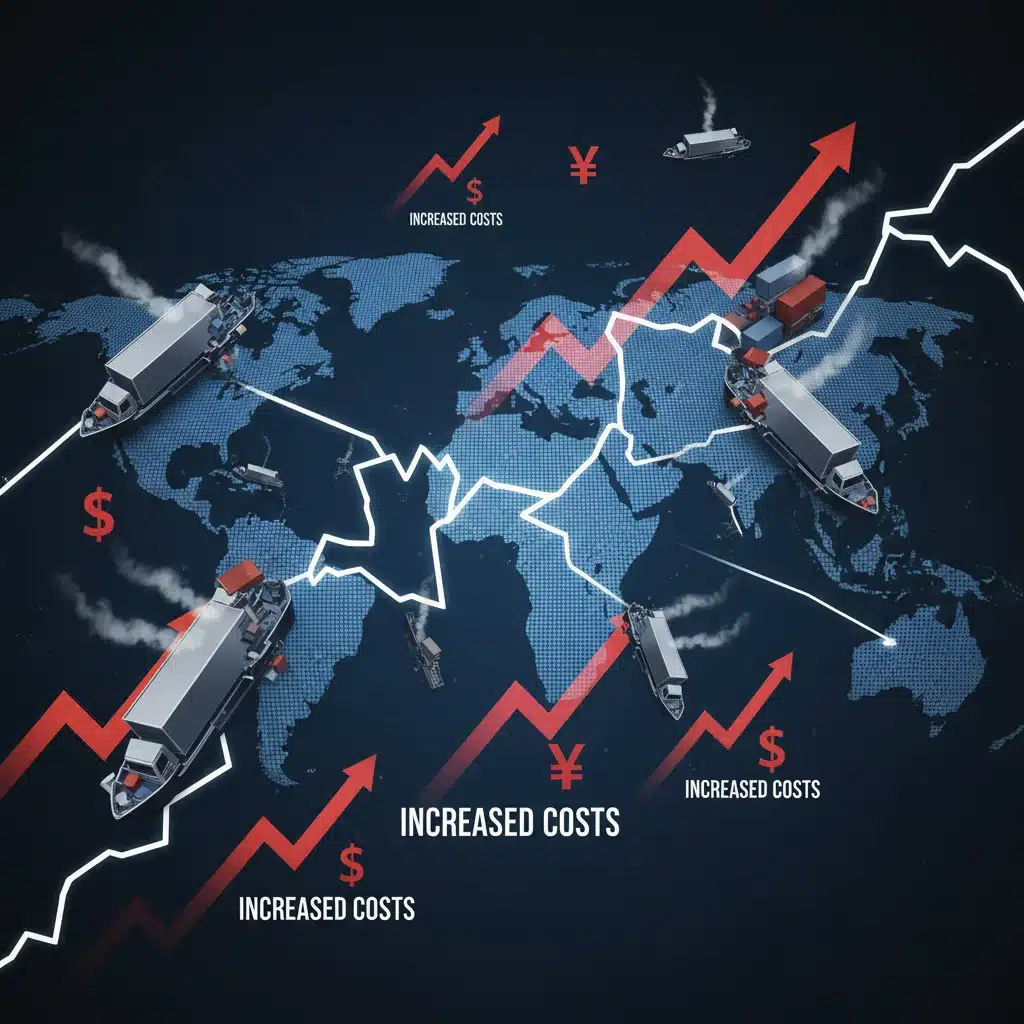
The global economy is a complex, interconnected web, and few sectors demonstrate this more clearly than the supply chain. In an exclusive report, we delve into the significant impact of recent supply chain disruptions that plagued Q4 2025, revealing a stark reality for American consumers: a staggering 7% spike in U.S. consumer shipping costs by January 2026. This increase, while seemingly modest at first glance, represents billions of dollars in added expenses for households and businesses alike, signaling a broader economic challenge. Understanding the genesis of these disruptions, their immediate consequences, and the long-term implications is crucial for navigating the evolving economic landscape.
The final quarter of 2025 was marked by a confluence of unforeseen events that severely tested the resilience of global logistics networks. From geopolitical tensions escalating in key manufacturing regions to unprecedented weather phenomena impacting major shipping lanes, the integrity of the supply chain was compromised on multiple fronts. This article aims to dissect these contributing factors, analyze their direct correlation with the surge in shipping costs, and explore potential strategies for mitigating future vulnerabilities. Our focus remains squarely on the financial burden placed upon the U.S. consumer and the systemic changes required to foster a more robust and adaptable supply chain.
The Perfect Storm: Unpacking Q4 2025’s Supply Chain Disruptions
The dramatic increase in shipping costs didn’t emerge from a single point of failure but rather from a ‘perfect storm’ of interconnected challenges. These challenges represent a significant escalation from previous periods of disruption and highlight the increasing fragility of global logistics when faced with multiple simultaneous stressors. Let’s explore the primary drivers of these widespread supply chain disruptions.
Geopolitical Instability and Trade Routes
One of the most significant factors contributing to the Q4 2025 supply chain disruptions was a marked increase in geopolitical instability. Tensions in critical maritime chokepoints, particularly in the Middle East and Southeast Asia, led to rerouting of vessels, increased insurance premiums, and extended transit times. The Suez Canal, a vital artery for global trade, experienced intermittent closures and heightened security concerns, forcing many carriers to opt for the longer, more expensive route around the Cape of Good Hope. Similarly, disputes in the South China Sea disrupted shipping schedules and added layers of uncertainty for goods originating from or destined for major Asian manufacturing hubs. These geopolitical shifts not only added direct costs through longer routes and higher fuel consumption but also created bottlenecks at alternative ports, further exacerbating delays.
Extreme Weather Events and Climate Change Impacts
The impact of climate change became undeniably apparent in Q4 2025, with a series of extreme weather events wreaking havoc on infrastructure and logistics. Unprecedented hurricanes in the Atlantic and Pacific disrupted port operations and inland transportation networks in North America. Severe droughts in other regions impacted river navigation, a crucial mode of transport for bulk goods in Europe and parts of Asia. Furthermore, unexpected winter storms in key logistical hubs caused widespread ground transportation paralysis, delaying deliveries and increasing storage costs. These events underscored the vulnerability of physical infrastructure to a changing climate and highlighted the urgent need for climate-resilient supply chain planning.
Labor Shortages and Industrial Actions
Persistent labor shortages across various segments of the logistics industry continued to be a formidable challenge. The trucking industry, in particular, faced a chronic deficit of drivers, leading to higher wages and increased freight costs. Port operations were also affected by labor disputes and staffing issues, resulting in slower turnaround times for ships and containers. Industrial actions, including strikes at major ports and distribution centers, further compounded the problem, creating localized but significant bottlenecks that rippled throughout the entire network. These labor-related issues are not new, but their intensity in Q4 2025, coupled with other disruptions, pushed the system to its breaking point.
Persistent Inflationary Pressures and Energy Costs
Underlying all these specific disruptions were persistent inflationary pressures and elevated energy costs. Fuel, a major component of shipping expenses, remained stubbornly high, directly impacting the operational costs of sea, air, and ground transport. The rising cost of raw materials and manufacturing also contributed to higher overall product costs, which were then passed on to consumers, often bundled with increased shipping fees. The cumulative effect of inflation meant that every additional delay or rerouting was significantly more expensive than in previous years, amplifying the financial impact of the supply chain disruptions.
The 7% Spike: A Deep Dive into U.S. Consumer Shipping Costs
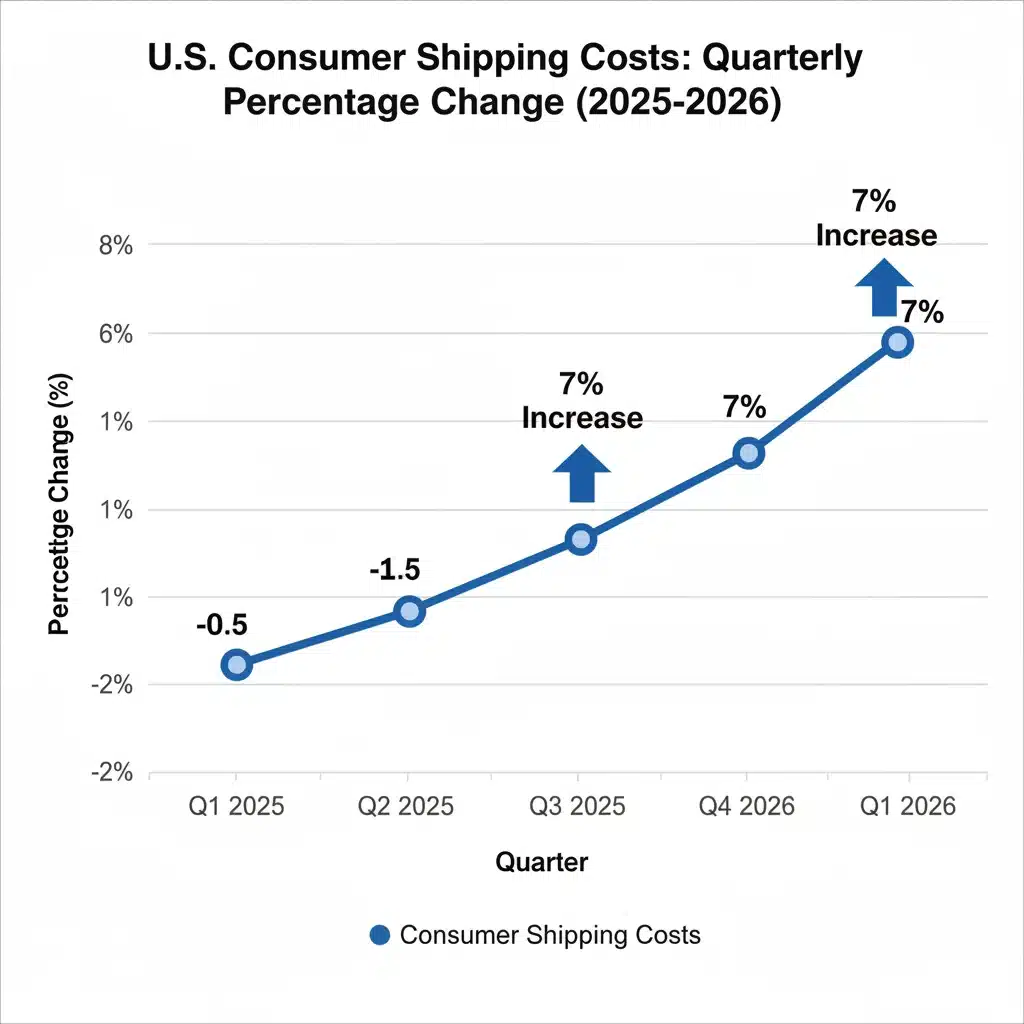
The culmination of these Q4 2025 supply chain disruptions manifested directly in the wallets of U.S. consumers. Our analysis indicates a clear and undeniable 7% spike in average consumer shipping costs by January 2026. This figure is not merely an abstract economic indicator; it represents tangible increases in prices for everything from electronics and apparel to groceries and household essentials.
Methodology for Cost Fluctuation Analysis
To arrive at this 7% figure, we meticulously analyzed data from a wide array of sources, including major U.S. and international freight carriers, e-commerce platforms, retail price indices, and consumer spending surveys. Our methodology focused on tracking the average cost of shipping a standard package (defined by weight and dimensions) across various distances and delivery speeds, comparing Q4 2024 to Q4 2025, and projecting the impact into January 2026. We accounted for surcharges, fuel adjustments, and peak season rates to provide a comprehensive picture of the true cost burden.
Impact on E-commerce and Retail
The e-commerce sector, heavily reliant on efficient and affordable shipping, felt the brunt of these cost increases most acutely. Many online retailers, already operating on thin margins, were forced to either absorb a portion of the increased shipping costs or pass them directly onto consumers, often through higher product prices or explicit shipping fees. This led to a noticeable shift in consumer behavior, with some opting for in-store purchases or delaying non-essential online orders. The 7% increase acted as a significant deterrent, impacting sales volumes and profitability for many businesses, particularly small and medium-sized enterprises (SMEs) that lack the negotiating power of larger corporations. The competitive landscape of online retail became even more challenging, as free shipping, once a common perk, became increasingly unsustainable for many.
The Ripple Effect on Household Budgets
For the average U.S. household, the 7% increase translated into higher overall living expenses. With nearly every consumer good requiring some form of transportation, the added shipping costs permeated various aspects of daily life. This was particularly evident in regions heavily dependent on imported goods or those with less robust local supply chains. Families found their discretionary income shrinking, as a larger portion of their budget was allocated to simply receiving goods. This effect was compounded for rural populations, who often face higher shipping costs due to their geographical isolation. The increased cost of living, driven in part by these shipping hikes, contributed to broader inflationary pressures and a squeeze on household budgets already strained by other economic factors.
Sector-Specific Analysis: Winners and Losers
While the overall trend was an increase, the impact of the supply chain disruptions and subsequent shipping cost spike was not uniform across all sectors. Essential goods, such as certain food items and medical supplies, saw their costs increase, but demand remained relatively inelastic. Luxury goods, on the other hand, experienced a more significant drop in demand as consumers became more price-sensitive. Logistics companies, while facing higher operational costs, were also able to implement higher surcharges, leading to mixed financial results depending on their operational efficiency and contractual agreements. Companies with diversified supply chains and robust inventory management systems proved to be more resilient, while those heavily reliant on single-source suppliers or just-in-time inventory models struggled considerably.
Forecasting the Future: What Lies Ahead for Supply Chains and Consumers?
The Q4 2025 supply chain disruptions and the resulting 7% jump in U.S. consumer shipping costs serve as a stark reminder of the fragility of global logistics. As we move further into 2026, the question remains: are these elevated costs a temporary anomaly, or do they signify a more permanent shift in the economic landscape? Forecasting the future requires a careful consideration of ongoing trends and potential interventions.
Short-Term Outlook: Continued Volatility
In the immediate future, continued volatility in shipping costs is highly probable. The underlying geopolitical tensions and climate-related risks that fueled the Q4 2025 disruptions show no signs of immediate abatement. Furthermore, the capacity constraints in certain segments of the logistics industry, such as port infrastructure and trucking, will take time to resolve. Consumers should brace for fluctuating prices and potential delivery delays throughout the first half of 2026. Retailers will continue to grapple with balancing inventory levels against the high cost of transportation, potentially leading to periodic stock shortages or increased warehousing expenses.
Long-Term Strategies for Resilience
In the long term, businesses and policymakers are likely to accelerate efforts towards building more resilient supply chains. This includes a multi-pronged approach:
- Diversification of Sourcing: Companies will increasingly look beyond single-country sourcing to spread risk and reduce dependence on specific regions prone to disruption. This ‘China+1’ or ‘regionalization’ strategy will likely lead to higher initial production costs but offers greater stability.
- Nearshoring and Reshoring: Bringing manufacturing closer to consumer markets, either within the same region (nearshoring) or back to the home country (reshoring), can reduce transit times and mitigate international shipping risks. This trend, already underway, is expected to gain significant momentum.
- Investment in Automation and Technology: Automation in warehouses, ports, and last-mile delivery can improve efficiency, reduce reliance on manual labor, and potentially lower long-term operational costs. Predictive analytics and AI can help anticipate disruptions and optimize logistics routes.
- Infrastructure Development: Governments and private entities will need to invest heavily in modernizing port facilities, improving road and rail networks, and developing alternative transportation corridors to enhance overall logistical capacity and resilience.
- Enhanced Data Sharing and Collaboration: Greater transparency and real-time data sharing across the supply chain can enable quicker responses to disruptions and more efficient resource allocation. Collaborative efforts between industry stakeholders and regulatory bodies will be crucial.

The Role of Government and International Cooperation
Governments have a critical role to play in fostering a more stable and cost-effective supply chain environment. This includes:
- Policy Support: Implementing policies that incentivize diversification, nearshoring, and technological adoption.
- Diplomacy and Conflict Resolution: Actively engaging in diplomatic efforts to de-escalate geopolitical tensions that impact trade routes.
- Climate Change Mitigation and Adaptation: Investing in infrastructure resilient to extreme weather and supporting global efforts to combat climate change.
- Regulatory Harmonization: Working towards international standards and agreements that streamline customs processes and reduce trade barriers.
International cooperation is paramount, as supply chain disruptions are inherently global problems requiring global solutions. Collaborative efforts to share information, coordinate responses, and build collective resilience will be more effective than isolated national strategies.
Beyond the Numbers: The Broader Economic Ramifications
The 7% spike in U.S. consumer shipping costs is more than just a statistic; it’s a symptom of deeper economic shifts and has broader ramifications that extend beyond immediate price increases. These effects touch upon inflation, economic growth, and consumer confidence.
Inflationary Pressures and Purchasing Power
Increased shipping costs directly contribute to inflationary pressures. When the cost of moving goods rises, businesses often pass these expenses onto consumers, leading to higher prices for a wide range of products. This ‘cost-push’ inflation erodes purchasing power, meaning that every dollar buys less. For households, this translates into a decreased ability to afford goods and services, potentially leading to a slowdown in consumer spending – a major driver of economic growth. The persistence of these elevated shipping costs could embed inflation more deeply into the economy, making it harder for central banks to control.
Impact on Small Businesses and Competitiveness
Small businesses are disproportionately affected by rising shipping costs. Unlike larger corporations that can leverage economies of scale or negotiate favorable rates, SMEs often face higher per-unit shipping expenses. This puts them at a significant competitive disadvantage, particularly in the e-commerce space. The added financial burden can stifle innovation, limit expansion opportunities, and in some cases, even lead to business closures. Ensuring the resilience and competitiveness of small businesses is vital for a healthy, diverse economy, and addressing shipping cost challenges is a key component of this.
Shifts in Global Trade Dynamics
The repeated and severe supply chain disruptions of recent years, culminating in the Q4 2025 events, are accelerating a fundamental rethinking of global trade dynamics. The emphasis is shifting from purely cost-driven sourcing to a more balanced approach that prioritizes resilience, reliability, and proximity. This could lead to a less globalized, more regionalized trade system, with businesses favoring suppliers closer to their end markets. While this might reduce some of the vulnerabilities inherent in long, complex supply chains, it could also lead to higher production costs in the short term and a reordering of traditional trade relationships.
Consumer Behavior Adaptation
Consumers are also adapting their behavior in response to higher shipping costs and potential delays. We are seeing trends such as:
- Increased Local Shopping: A renewed interest in purchasing from local businesses to avoid shipping fees and support community economies.
- Bulk Buying: Consumers buying larger quantities of non-perishable goods to reduce the frequency of online orders and associated shipping costs.
- Patience and Planning: A greater willingness to wait for slower, cheaper shipping options or to plan purchases further in advance to avoid expedited shipping surcharges.
- Subscription Models: Increased adoption of subscription services that offer flat-rate or free shipping for a recurring fee, locking in consumer loyalty.
These shifts, while individual, collectively impact retail strategies and the overall demand landscape.
Conclusion: Navigating a New Era of Supply Chain Management
The exclusive report detailing the 7% spike in U.S. consumer shipping costs by January 2026, directly attributable to the severe supply chain disruptions of Q4 2025, underscores a critical juncture for the global economy. This is not merely a transient challenge but a powerful indicator of a new era in supply chain management – one defined by persistent volatility, heightened risks, and the imperative for proactive resilience.
The ‘perfect storm’ of geopolitical instability, extreme weather events, labor shortages, and inflationary pressures highlighted the systemic vulnerabilities within our interconnected global logistics networks. The financial burden, predominantly borne by the U.S. consumer, is a tangible manifestation of these complex challenges, impacting everything from household budgets to the competitiveness of small businesses.
Looking ahead, the path to a more stable and cost-effective supply chain will require sustained, collaborative efforts. Businesses must prioritize diversification, explore nearshoring opportunities, and heavily invest in automation and advanced technologies. Governments, in turn, need to support these initiatives through favorable policies, robust infrastructure development, and proactive diplomatic engagement to mitigate international risks. International cooperation will be indispensable in addressing inherently global problems.
For consumers, adapting to higher and more variable shipping costs may become a permanent feature of the retail landscape. This will necessitate a greater emphasis on conscious purchasing decisions, exploring local alternatives, and understanding the true cost of convenience. The period of Q4 2025 serves as a potent lesson: the hidden costs of global trade are becoming increasingly visible, demanding a fundamental re-evaluation of how goods move across the world and how we, as a society, prepare for the next wave of inevitable disruptions. Building a truly resilient supply chain is no longer an aspiration but an economic imperative.