Supply Chain Disruptions Q3 2026: Port Congestion Warnings
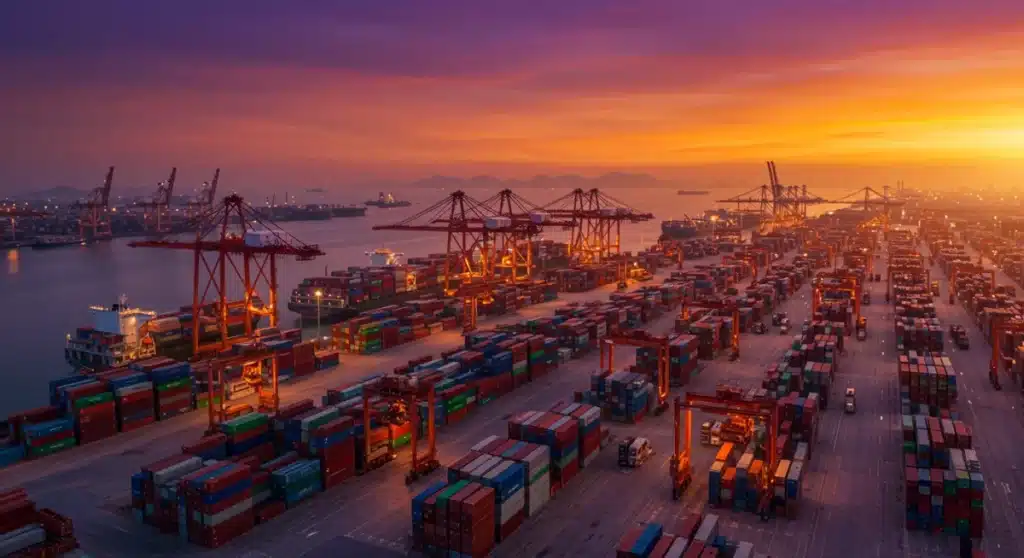
Economists predict significant supply chain disruptions 2026 impacting global trade in Q3 due to severe port congestion, necessitating proactive measures from businesses worldwide.
As we navigate an increasingly interconnected world, the stability of global trade hinges on the efficiency of our supply chains. However, a recent industry watch report has sounded an alarm, forecasting major supply chain disruptions 2026, particularly in Q3, stemming from anticipated port congestion. This isn’t just another hiccup; economists are warning of a systemic challenge that demands immediate attention and strategic planning from businesses and governments alike. Understanding the nuances of this impending crisis is crucial for anyone involved in logistics, manufacturing, retail, or indeed, the broader economy.
The Looming Threat of Port Congestion in Q3 2026
The global shipping industry is no stranger to volatility, yet the projections for Q3 2026 paint a particularly concerning picture. Experts point to a confluence of factors that are expected to culminate in unprecedented port congestion, potentially dwarfing previous disruptions. This isn’t a sudden storm but rather a slow-moving front that has been building over time, exacerbated by lingering effects of past events and emerging new challenges. The implications for international trade are profound, ranging from increased shipping costs to delayed deliveries and potential stockouts.
Understanding the root causes of this anticipated congestion is the first step toward mitigation. Many ports globally are already operating at or near capacity, a situation that is projected to worsen significantly. This pressure comes from a variety of angles, including persistent labor shortages, outdated infrastructure, and a fluctuating global demand landscape. Without substantial, coordinated interventions, the likelihood of severe bottlenecks becomes almost inevitable.
Factors Exacerbating Port Congestion
Several key elements are converging to create this perfect storm. It’s a complex interplay of economic, operational, and even geopolitical forces that will test the resilience of global logistics networks.
- Increased Demand Volatility: Post-pandemic shifts in consumer behavior continue to create unpredictable surges and dips in demand, making it difficult for ports to manage cargo flow efficiently.
- Infrastructure Limitations: Many major ports, especially in the United States, are grappling with aging infrastructure that struggles to handle the ever-growing size and volume of modern container ships.
- Labor Shortages: A persistent shortage of dockworkers, truck drivers, and other essential logistics personnel means that even when capacity exists, the human resources to utilize it effectively are lacking.
- Geopolitical Tensions and Trade Policies: Shifting trade alliances and protectionist policies can reroute shipping lanes, placing unforeseen pressure on certain ports and creating new chokepoints.
The cumulative effect of these factors is a system under immense strain. When one part of the chain falters, the ripple effect can be felt across continents, leading to widespread supply chain disruptions 2026. Businesses must begin to evaluate their exposure and develop robust contingency plans now.
Economic Forecasts: What Economists Are Warning
Economists are not merely observing these trends; they are actively warning stakeholders of the severe economic fallout that could accompany these projected disruptions. The consensus among leading economic institutions is that Q3 2026 could see a significant slowdown in global trade growth, with inflation pressures re-emerging due to higher logistics costs. This period is expected to test the adaptability of economies worldwide.
The warnings extend beyond just delayed goods. There’s a real concern about the impact on manufacturing output, as companies struggle to receive necessary raw materials and components. This could lead to production cuts, further exacerbating supply shortages and potentially driving up consumer prices. The intricate web of global commerce means that a disruption in one sector can quickly cascade into others, creating a broader economic malaise.
Impact on Inflation and Consumer Prices
One of the most immediate and tangible effects of port congestion and supply chain disruptions 2026 will likely be on inflation. When the cost of moving goods increases, these costs are often passed on to the consumer. This can erode purchasing power and potentially lead to economic instability.
- Higher Shipping Rates: As demand for limited shipping capacity outstrips supply, freight rates are expected to surge, directly impacting import costs.
- Increased Inventory Costs: Companies might be forced to hold larger buffer stocks to mitigate delays, tying up capital and incurring additional warehousing expenses.
- Reduced Product Availability: Scarcity of popular goods due to shipping delays can drive up prices as consumers compete for limited stock.
These inflationary pressures could complicate monetary policy decisions for central banks, potentially leading to a balancing act between controlling inflation and supporting economic growth. Businesses need to factor these potential cost increases into their financial planning.
Geographical Hotspots and Vulnerable Trade Routes
While the threat of port congestion is global, certain geographical regions and specific trade routes are expected to be particularly vulnerable in Q3 2026. The major trans-Pacific and trans-Atlantic routes, which handle a significant portion of global container traffic, are prime candidates for severe bottlenecks. Asian manufacturing hubs connecting to North American and European markets will likely experience the brunt of these issues.
Ports in the United States, especially those on the West Coast, have historically been prone to congestion, and current projections suggest this will intensify. Similarly, key European ports serving as gateways for Asian imports are also at high risk. Understanding these hotspots allows businesses to identify their most exposed supply lanes and prioritize alternative strategies.
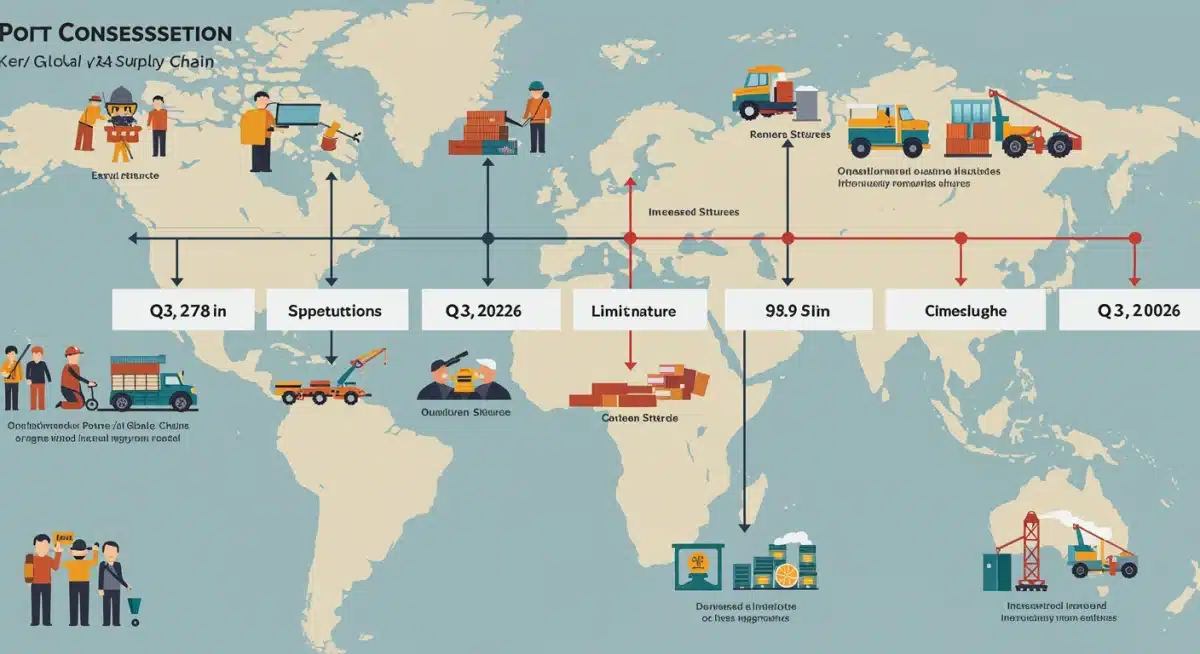
Key Regions and Routes at High Risk
Identifying these critical areas is vital for proactive planning. The concentration of trade through these channels makes them particularly susceptible to even minor disturbances.
- US West Coast Ports: Los Angeles and Long Beach are perennial congestion points, and with continued high import volumes, they are expected to face significant challenges.
- European Hubs: Rotterdam, Antwerp, and Hamburg are crucial entry points into Europe and could experience substantial delays for cargo originating from Asia.
- Suez Canal and Panama Canal: While not ports, these critical maritime chokepoints are sensitive to disruptions, which can have cascading effects on port schedules globally.
Businesses relying heavily on these routes for their inbound or outbound logistics must critically assess their vulnerabilities and explore options for diversification or expedited shipping methods. The resilience of a supply chain will increasingly be defined by its ability to navigate these geographical pressure points.
Strategies for Businesses to Mitigate Disruptions
Given these dire warnings, businesses cannot afford to be complacent. Proactive strategies are essential to navigate the anticipated supply chain disruptions 2026 and minimize their impact. This involves a multi-faceted approach, focusing on diversification, technological adoption, and enhanced collaboration across the supply chain.
Simply hoping for the best is not a viable strategy. Companies that invest now in strengthening their supply chain resilience will be better positioned to weather the storm, maintain customer satisfaction, and even gain a competitive advantage. The time for strategic re-evaluation and implementation is now, not when the disruptions are already at their peak.
Building a Resilient Supply Chain
Resilience isn’t just about reacting to problems; it’s about building a system that can absorb shocks and adapt quickly. This involves a fundamental shift in how supply chains are designed and managed.
- Supplier Diversification: Relying on a single supplier or region increases vulnerability. Spreading sourcing across multiple geographies and vendors can reduce risk.
- Inventory Optimization: While holding too much inventory is costly, a ‘just-in-time’ approach might be too risky. Finding the right balance with strategic buffer stocks is crucial.
- Technology Adoption: Implementing advanced analytics, AI, and IoT for real-time visibility into inventory, shipments, and potential delays can enable quicker decision-making.
- Nearshoring/Reshoring: Bringing production closer to end markets can reduce transit times and dependence on long, vulnerable international shipping lanes.
These strategies are not quick fixes but long-term investments that will pay dividends in an increasingly unpredictable global trade environment. Companies that prioritize these measures will be better equipped to manage the challenges of Q3 2026.
The Role of Technology and Innovation in Logistics
In the face of impending supply chain disruptions 2026, technology and innovation are not merely tools; they are indispensable enablers of resilience and efficiency. From predictive analytics to automation and blockchain, cutting-edge solutions offer pathways to mitigate the impact of port congestion and optimize logistics operations. Embracing these advancements is no longer optional but a strategic imperative for businesses aiming to maintain continuity.
The integration of digital platforms can provide unparalleled visibility across the entire supply chain, allowing for early detection of potential chokepoints and enabling agile responses. This shift towards a more data-driven and interconnected logistics ecosystem is critical for navigating the complexities of modern global trade. Companies that leverage these technologies effectively will be at the forefront of managing future disruptions.
Key Technological Advancements
Several technological innovations are poised to play a pivotal role in strengthening supply chain resilience against anticipated congestion.
- AI-Powered Predictive Analytics: Using artificial intelligence to analyze vast datasets can forecast congestion, demand fluctuations, and potential delays with greater accuracy, allowing for proactive adjustments.
- Blockchain for Transparency: Blockchain technology can create an immutable and transparent record of goods movement, enhancing traceability and reducing administrative delays at ports.
- IoT Sensors and Real-time Tracking: Internet of Things (IoT) devices on containers and vehicles provide real-time location and condition monitoring, offering unprecedented visibility into shipments.
- Automation in Ports and Warehouses: Robotic process automation (RPA) and automated guided vehicles (AGVs) can speed up cargo handling, reducing dwell times and improving throughput efficiency.
Investing in these technologies can transform a reactive supply chain into a proactive, intelligent network capable of adapting to unforeseen challenges like the projected supply chain disruptions 2026.
Government and Industry Collaboration: A Path Forward
Addressing the scale of anticipated supply chain disruptions 2026 requires more than just individual company efforts; it demands concerted collaboration between governments, industry stakeholders, and international organizations. No single entity can solve the complex issue of port congestion alone. A unified approach is necessary to implement systemic changes, upgrade infrastructure, and streamline regulatory processes that currently hinder efficient cargo flow.
Policy decisions, infrastructure investments, and cross-border cooperation will be critical in mitigating the severity of the expected Q3 2026 challenges. This collective effort can foster a more robust and responsive global logistics ecosystem, benefiting all participants in international trade.
Essential Areas for Collaboration
Effective collaboration can address some of the most entrenched problems contributing to port congestion and supply chain fragility.
- Infrastructure Investment: Governments must prioritize funding for port expansions, modernization of equipment, and improvements in last-mile connectivity (roads, rail).
- Standardization and Digitization: Encouraging the adoption of common digital standards across ports and customs agencies can significantly reduce processing times and paperwork.
- Labor Force Development: Joint initiatives between government, industry, and educational institutions are needed to attract, train, and retain a skilled workforce in logistics.
- International Policy Coordination: Greater cooperation on trade policies and customs procedures between nations can create a more predictable and efficient global shipping environment.
By working together, stakeholders can build a more resilient global supply chain, better prepared not only for the projected Q3 2026 disruptions but also for future unforeseen challenges.
| Key Point | Brief Description |
|---|---|
| Q3 2026 Disruption Warning | Economists forecast major supply chain issues due to severe port congestion. |
| Root Causes | Aging infrastructure, labor shortages, and demand volatility are key contributors. |
| Economic Impact | Expected inflation, higher costs, and potential manufacturing slowdowns. |
| Mitigation Strategies | Diversification, technology adoption, and government/industry collaboration are crucial. |
Frequently Asked Questions About 2026 Supply Chain Disruptions
The primary causes include aging port infrastructure unable to handle larger vessels, persistent labor shortages in logistics, and continued volatility in global consumer demand. Geopolitical tensions and trade policy shifts also contribute to rerouting traffic and creating new bottlenecks.
Major trans-Pacific and trans-Atlantic trade routes are highly vulnerable. Specifically, US West Coast ports like Los Angeles and Long Beach, along with key European hubs such as Rotterdam and Hamburg, are expected to experience significant congestion due to high import volumes.
Businesses can expect higher shipping costs, increased inventory expenses, and potential manufacturing delays. Consumers may face higher prices due to inflation, reduced product availability, and longer waiting times for goods, affecting overall purchasing power.
Effective strategies include diversifying suppliers and manufacturing locations, optimizing inventory levels, adopting advanced technologies like AI and IoT for better visibility, and considering nearshoring or reshoring production to reduce reliance on long supply routes.
Collaboration is crucial for systemic solutions. Governments need to invest in infrastructure and streamline regulations, while industry stakeholders can work together on standardization and labor force development. International cooperation on trade policies is also vital for creating a more efficient global shipping environment.
Conclusion
The warnings from economists regarding significant supply chain disruptions 2026, particularly due to port congestion in Q3, serve as a critical call to action for businesses and policymakers worldwide. The confluence of aging infrastructure, labor shortages, and unpredictable demand creates a formidable challenge that demands immediate and comprehensive strategic responses. By embracing diversification, leveraging technological innovation, and fostering robust collaboration between government and industry, stakeholders can collectively build more resilient supply chains. Proactive planning and investment now will not only mitigate the impending economic fallout but also pave the way for a more stable and efficient global logistics landscape in the years to come, ensuring that the flow of goods remains as fluid as possible in an increasingly complex world.