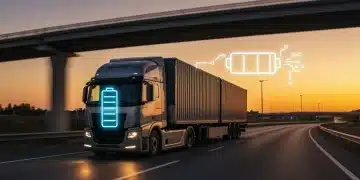
Solid-State Batteries: 20% EV Range Boost Expected Soon

Solid-state battery advancements are poised to extend electric vehicle range by 20% within the next three months, marking a significant leap for sustainable transportation.
The landscape of electric vehicles (EVs) is on the cusp of a monumental transformation. For years, range anxiety has been a primary concern for potential EV buyers, but recent breakthroughs in solid-state battery advancements promise to alleviate this worry significantly. We are now entering an exciting period where a 20% extension in EV range is not just a distant dream but an imminent reality, expected to materialize within the next three months, fundamentally reshaping the future of sustainable transportation.
The Promise of Solid-State Technology
Solid-state batteries represent a paradigm shift from traditional lithium-ion batteries. While current EV batteries rely on liquid electrolytes, solid-state variants replace these with solid materials, offering a host of benefits that could revolutionize electric mobility. This fundamental change in chemistry and architecture is what unlocks the potential for greater energy density and enhanced safety.
The transition to solid electrolytes mitigates many of the issues plaguing conventional batteries, such as flammability and degradation over time. This makes solid-state batteries inherently safer and more durable, appealing to both manufacturers and consumers. Moreover, their compact nature allows for more efficient packaging, potentially freeing up space within the vehicle for other components or simply reducing the overall weight.
Understanding the Core Difference
- Electrolyte Composition: Liquid electrolytes in lithium-ion batteries vs. solid electrolytes in solid-state batteries.
- Energy Density: Solid-state batteries can pack more energy into a smaller volume, leading to extended range.
- Safety Profile: Elimination of flammable liquid electrolytes significantly reduces fire risks.
- Cycle Life: Improved stability often translates to a longer lifespan and better performance over many charge cycles.
In essence, solid-state technology moves beyond incremental improvements, offering a foundational change that addresses the core limitations of existing battery solutions. This innovation is not merely about increasing power but about redefining what is possible for electric vehicles, setting the stage for a new era of performance and reliability.
Why a 20% Range Increase is a Game Changer
A 20% increase in electric vehicle range, driven by solid-state battery advancements, is far more than just a numerical upgrade; it’s a psychological and practical breakthrough. For many consumers, a significant hurdle to EV adoption has been the perceived limitation of range, often referred to as ‘range anxiety.’ This substantial boost can transform how people view and use electric cars, making them a more viable and attractive option for a broader audience.
Imagine a typical EV currently offering 250 miles on a single charge. A 20% increase would push that to 300 miles, effectively bridging the gap for many longer commutes and road trips. This enhancement reduces the frequency of charging stops, making travel more convenient and less stressful. It also expands the practical usability of EVs into areas previously dominated by gasoline-powered vehicles.
Impact on Consumer Adoption
- Reduced Range Anxiety: Longer distances between charges make EVs more appealing for everyday use and extended travel.
- Increased Market Share: A more competitive range directly challenges traditional internal combustion engine vehicles.
- Enhanced Convenience: Fewer charging stops and faster charging times improve the overall user experience.
This anticipated jump in range directly addresses one of the most persistent criticisms leveled against electric vehicles. By moving beyond current limitations, solid-state batteries position EVs not just as an alternative, but as a superior choice for many drivers. This improvement is crucial for accelerating the global transition to sustainable transportation.
Key Players and Their Progress
The race to commercialize solid-state batteries is intense, with numerous companies and research institutions pouring billions into development. Major automotive manufacturers, established battery giants, and innovative startups are all vying for leadership in this transformative field. Their collective efforts are bringing us closer to the widespread adoption of this technology.
Companies like Toyota, QuantumScape, Solid Power, and Samsung SDI are at the forefront of this innovation. Each approaches the challenge with unique material science and manufacturing techniques, but all share the common goal of delivering a safer, more energy-dense, and cost-effective battery solution. The significant investments by these players underscore the belief in solid-state technology’s potential.
Leading Innovators in Solid-State Batteries
- Toyota: Known for extensive patent applications and significant R&D, aiming for a market-ready product in the near future.
- QuantumScape: A well-funded startup focused on ceramic solid electrolytes, demonstrating promising performance metrics.
- Solid Power: Collaborating with automotive giants like Ford and BMW, working on sulfide-based solid electrolytes.
- Samsung SDI: Actively developing solid-state solutions, leveraging its extensive experience in battery manufacturing.
The rapid progress made by these entities suggests that the projected 20% range increase is not merely speculative, but rather a direct outcome of dedicated research and development. Their advancements are critical to seeing solid-state batteries move from laboratory prototypes to mass-produced automotive components, driving the next wave of electric vehicle evolution.
Manufacturing Challenges and Solutions
While the theoretical benefits of solid-state batteries are compelling, translating them into mass-producible, cost-effective units presents significant manufacturing challenges. The delicate nature of solid electrolytes and the need for precise material handling require entirely new production processes, distinct from those used for traditional lithium-ion batteries. Scaling up production without compromising performance or safety is a complex endeavor.
One primary challenge lies in achieving intimate contact between the solid electrolyte and electrode materials. Any gaps or imperfections can lead to increased resistance and reduced performance. Furthermore, the cost of raw materials and the complexity of manufacturing techniques currently make solid-state batteries more expensive than their liquid-electrolyte counterparts. Overcoming these hurdles is crucial for widespread commercialization.

Innovations in Production
- Advanced Material Deposition: Developing new methods to precisely apply solid electrolyte layers.
- Automated Assembly: Utilizing robotics and AI to ensure consistency and reduce human error in manufacturing.
- Cost Reduction Strategies: Researching alternative, more abundant materials and optimizing production yields.
Companies are investing heavily in innovative manufacturing techniques, including advanced material deposition, automated assembly lines, and novel bonding processes, to address these issues. The goal is to create scalable and efficient production methods that can bring down costs and increase output. Success in these areas will directly impact the timeline for when these batteries become standard in EVs.
Beyond Range: Other Benefits of Solid-State Batteries
While an extended range is a headline-grabbing benefit, solid-state battery advancements offer a multitude of other advantages that will profoundly impact electric vehicles and sustainable transportation as a whole. These benefits extend to safety, charging speed, and overall vehicle design, painting a picture of a much-improved EV experience.
One of the most significant non-range benefits is enhanced safety. By replacing flammable liquid electrolytes with solid materials, the risk of thermal runaway and battery fires is drastically reduced. This inherent safety feature not only provides peace of mind for consumers but also simplifies battery management systems, potentially leading to lighter and more compact battery packs.
Additional Advantages
- Faster Charging: Solid-state batteries can often accept and deliver charge at higher rates, leading to quicker recharging times.
- Longer Lifespan: Improved chemical stability means batteries can endure more charge cycles before significant degradation.
- Compact Design: Higher energy density allows for smaller battery packs, freeing up vehicle space or reducing weight.
- Environmental Impact: Potentially using more sustainable materials and offering better recyclability in the long run.
Moreover, the increased stability of solid-state cells can lead to a longer overall lifespan for the battery, reducing the need for frequent replacements and decreasing the environmental footprint associated with battery manufacturing. The ability to charge faster is another critical factor, addressing another common pain point for current EV owners. These combined benefits underscore the comprehensive upgrade solid-state technology brings to the EV ecosystem.
The Road Ahead: Integration and Future Outlook
The next three months are critical for solid-state battery advancements, with expectations of a 20% EV range extension becoming a tangible reality. However, the journey doesn’t end there. Full integration into mainstream electric vehicles will involve rigorous testing, regulatory approvals, and a strategic rollout by automotive manufacturers. This phased approach ensures both safety and reliability for the end consumer.
Initial implementations of solid-state batteries may target premium EV models or specific commercial applications before broader adoption. This allows manufacturers to gather real-world data and fine-tune their integration strategies. As production scales and costs decrease, we can expect to see solid-state technology becoming standard across a wider range of electric vehicles, democratizing its benefits.
Anticipated Milestones
- Pilot Programs: Initial deployment in limited vehicle fleets or high-end models.
- Cost Reduction: Continuous efforts to lower manufacturing costs to enable mass market adoption.
- Standardization: Development of industry standards for solid-state battery performance and safety.
The long-term outlook for solid-state batteries is exceptionally bright, promising not just extended range but also a foundation for even more advanced EV capabilities. This technology is a cornerstone of the future of sustainable transportation, pushing us closer to a world where electric vehicles are not only commonplace but superior in every aspect to their fossil fuel-powered predecessors. The impending 20% range boost is just the beginning of this exciting new chapter.
| Key Aspect | Description of Impact |
|---|---|
| Range Extension | Up to 20% increase in EV driving range expected within three months. |
| Enhanced Safety | Solid electrolytes reduce fire risks compared to liquid lithium-ion batteries. |
| Faster Charging | Potential for quicker recharge times due to improved battery stability. |
| Market Impact | Accelerates EV adoption by alleviating range anxiety and improving performance. |
Frequently Asked Questions About Solid-State Batteries
Solid-state batteries replace the liquid electrolyte found in traditional lithium-ion batteries with a solid material. This fundamental change allows for higher energy density, meaning more power in a smaller space, and significantly reduces the risk of fire, enhancing overall safety compared to current EV battery technology.
A 20% range extension will drastically reduce ‘range anxiety’ for EV drivers, making electric vehicles more practical for longer journeys and daily commutes. It means fewer charging stops and greater confidence in an EV’s ability to cover necessary distances, thus making electric cars a more attractive and viable option for a wider audience.
Significant advancements leading to a 20% EV range increase are expected to materialize within the next three months, with initial integrations likely in high-end or specialized EV models. Broader commercial availability is anticipated within the next few years as manufacturing scales up and costs become more competitive for mass production.
The main challenges involve scaling up manufacturing processes to meet demand, ensuring cost-effectiveness compared to existing technologies, and achieving consistent performance and longevity. Developing reliable interfaces between solid components and optimizing mass production techniques are crucial hurdles that researchers and manufacturers are actively addressing.
Absolutely. Beyond increased range, solid-state batteries offer enhanced safety due to non-flammable solid electrolytes, potentially faster charging times, and a longer overall lifespan. Their higher energy density also allows for more compact battery designs, which can lead to lighter vehicles and more flexible cabin space for future EV models.
Conclusion
The imminent arrival of solid-state battery advancements, promising a substantial 20% extension in EV range within the next three months, marks a pivotal moment for sustainable transportation. This technological leap addresses long-standing concerns about electric vehicle practicality, making them more attractive and accessible to a broader consumer base. Beyond just range, these batteries herald a future of safer, faster-charging, and more efficient electric vehicles, underscoring their transformative potential for the automotive industry and our collective move towards a greener future. The journey is ongoing, but the horizon for electric mobility appears brighter than ever.