Smart Street Lighting Solutions: Comparing Energy Savings and Public Safety Gains in 2026
In the rapidly evolving landscape of urban development, cities worldwide are grappling with the dual challenges of reducing energy consumption and enhancing public safety. The solution increasingly lies in the innovative deployment of Smart Street Lighting. This article delves into the profound impact of these advanced systems, comparing their energy-saving capabilities with their significant contributions to public safety, and offering a glimpse into their projected influence by 2026.
The concept of a ‘smart city’ is no longer a futuristic dream but a tangible reality, with intelligent infrastructure forming its backbone. Among the myriad of smart technologies, Smart Street Lighting stands out as a foundational element, offering immediate and measurable benefits. Traditional streetlights, often antiquated and inefficient, are being systematically replaced by sophisticated LED-based systems integrated with a network of sensors, communication modules, and central management platforms. This transformation is not merely about brighter lights; it’s about creating a responsive, efficient, and safer urban environment.
The Evolution of Street Lighting: From Basic Illumination to Intelligent Networks
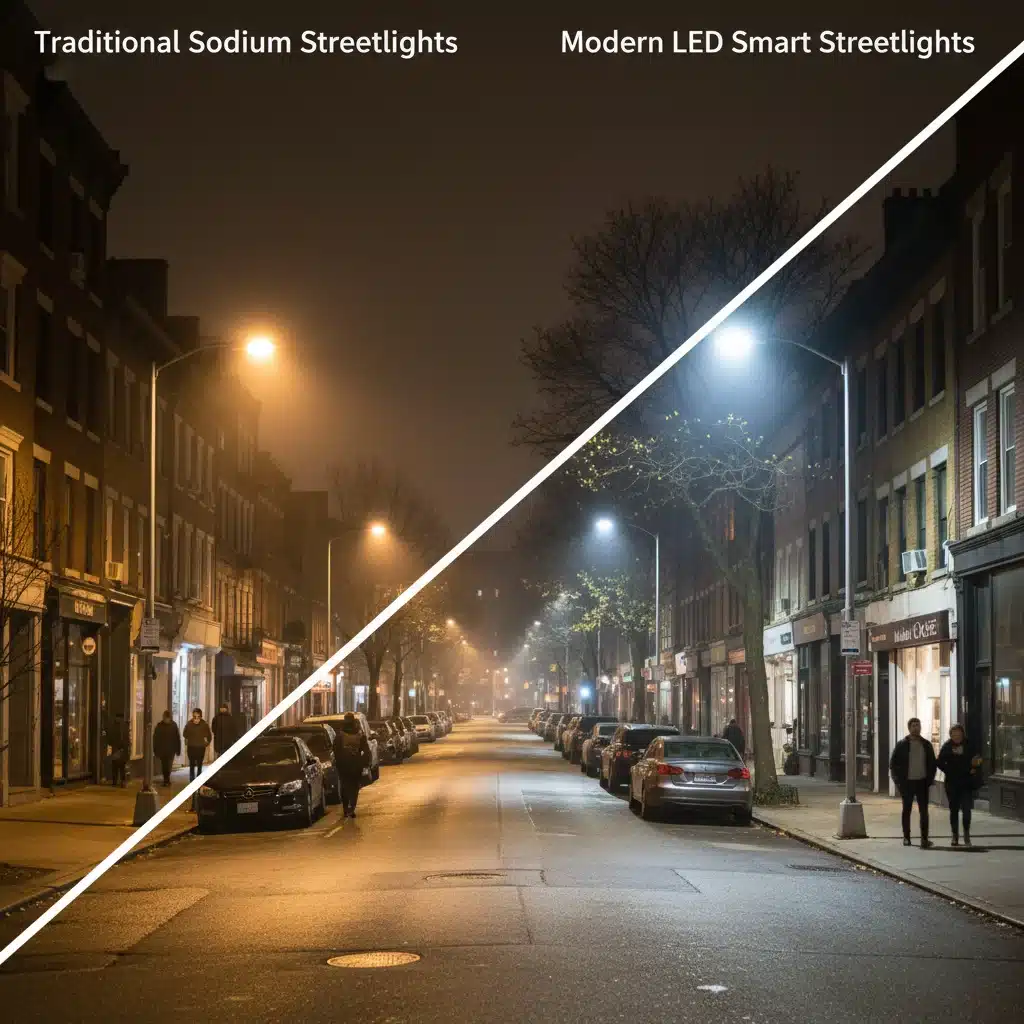
For centuries, street lighting served a singular purpose: to dispel darkness. From gas lamps to incandescent bulbs and later high-pressure sodium (HPS) lamps, the technology slowly advanced. However, these conventional systems were characterized by high energy consumption, limited control, and considerable maintenance costs. The advent of Light Emitting Diodes (LEDs) marked a pivotal moment, offering superior energy efficiency and longevity. But it was the integration of LEDs with Information and Communication Technologies (ICT) that truly revolutionized street lighting, giving rise to the era of Smart Street Lighting.
These intelligent systems are far more than just energy-efficient lights. They are interconnected nodes within an urban data network, capable of sensing, communicating, and responding to their environment. This network allows for real-time monitoring, remote control, and adaptive lighting schemes, paving the way for truly dynamic urban illumination. The journey from static, energy-guzzling lamps to these sophisticated, responsive systems underscores a paradigm shift in how cities approach their infrastructure – moving towards proactive, data-driven management.
By 2026, it is projected that the global market for Smart Street Lighting will continue its exponential growth, driven by increasing urbanization, environmental concerns, and the desire for enhanced public services. Cities that embrace these technologies are positioning themselves at the forefront of sustainable and safe urban living.
Unlocking Energy Savings with Smart Street Lighting
One of the most compelling arguments for adopting Smart Street Lighting is its unparalleled ability to generate significant energy savings. Traditional streetlights consume vast amounts of electricity, often accounting for 30-40% of a city’s total energy bill. Smart systems drastically alter this landscape through several key mechanisms:
- LED Efficiency: The foundation of smart lighting is LED technology, which is inherently more energy-efficient than older lamp types. LEDs consume up to 70% less energy than HPS lamps and have a much longer lifespan, reducing replacement costs and energy waste.
- Adaptive Dimming: Smart streetlights are equipped with sensors that can detect ambient light levels, pedestrian and vehicular traffic. This allows them to dim or brighten lights dynamically. For instance, lights can be dimmed during off-peak hours or in areas with minimal activity, and instantly brighten when motion is detected, ensuring illumination only when and where it’s needed. This adaptive control can lead to additional energy savings of 20-30% beyond the inherent efficiency of LEDs.
- Centralized Control and Monitoring: A central management system (CMS) provides city officials with real-time data on the operational status of each light fixture. This allows for precise control over individual or groups of lights, scheduling, and immediate fault detection. Instead of costly, time-consuming manual patrols to identify non-functioning lights, issues can be pinpointed and addressed proactively, minimizing energy waste from continuously powered but broken lights.
- Optimized Maintenance: The extended lifespan of LEDs (typically 50,000 to 100,000 hours) combined with predictive maintenance capabilities of smart systems significantly reduces maintenance costs. The CMS can alert technicians to potential failures before they occur, allowing for scheduled repairs rather than emergency call-outs, thereby optimizing resources and reducing operational energy expenditure associated with maintenance vehicles.
- Data-Driven Insights: The data collected by Smart Street Lighting systems can be analyzed to identify patterns of energy consumption, allowing cities to further optimize lighting schedules and strategies for maximum efficiency. This continuous feedback loop ensures ongoing improvements in energy management.
Cities like Los Angeles, which implemented a massive Smart Street Lighting project, reported annual savings of millions of dollars in electricity costs and a substantial reduction in carbon emissions. By 2026, as more cities transition to these intelligent systems, the cumulative global energy savings are expected to be staggering, contributing significantly to climate change mitigation efforts and freeing up municipal budgets for other critical services.
Enhancing Public Safety with Intelligent Illumination
Beyond energy savings, the public safety benefits of Smart Street Lighting are equally transformative. A well-lit environment is a fundamental deterrent to crime and a crucial factor in preventing accidents. Smart systems elevate this by offering:
- Improved Visibility and Uniformity: LED lights provide a brighter, clearer, and more uniform light distribution compared to older technologies. This enhanced visibility helps drivers and pedestrians identify obstacles, navigate safely, and feel more secure after dark. The color temperature of LED lighting can also be optimized to improve visual acuity.
- Crime Deterrence: Studies consistently show a correlation between improved street lighting and a reduction in crime rates. Smart Street Lighting, with its ability to adapt brightness and provide consistent illumination, creates an environment where potential offenders are less likely to operate, fostering a greater sense of security among residents. Some systems can even be integrated with emergency services to flash lights in a specific pattern during an incident, guiding first responders.
- Emergency Response Integration: Advanced Smart Street Lighting systems can be integrated with emergency services. In the event of an accident or crime, the nearest smart lights can be programmed to increase brightness, flash in a specific sequence, or even activate integrated cameras to provide real-time information to first responders, significantly reducing response times and improving situational awareness.
- Traffic and Pedestrian Safety: Better visibility directly translates to fewer traffic accidents. Drivers have more time to react to hazards, and pedestrians are more visible. Furthermore, some smart poles can incorporate sensors to monitor traffic flow and pedestrian movement, providing data that can be used for urban planning and traffic management to further enhance safety.
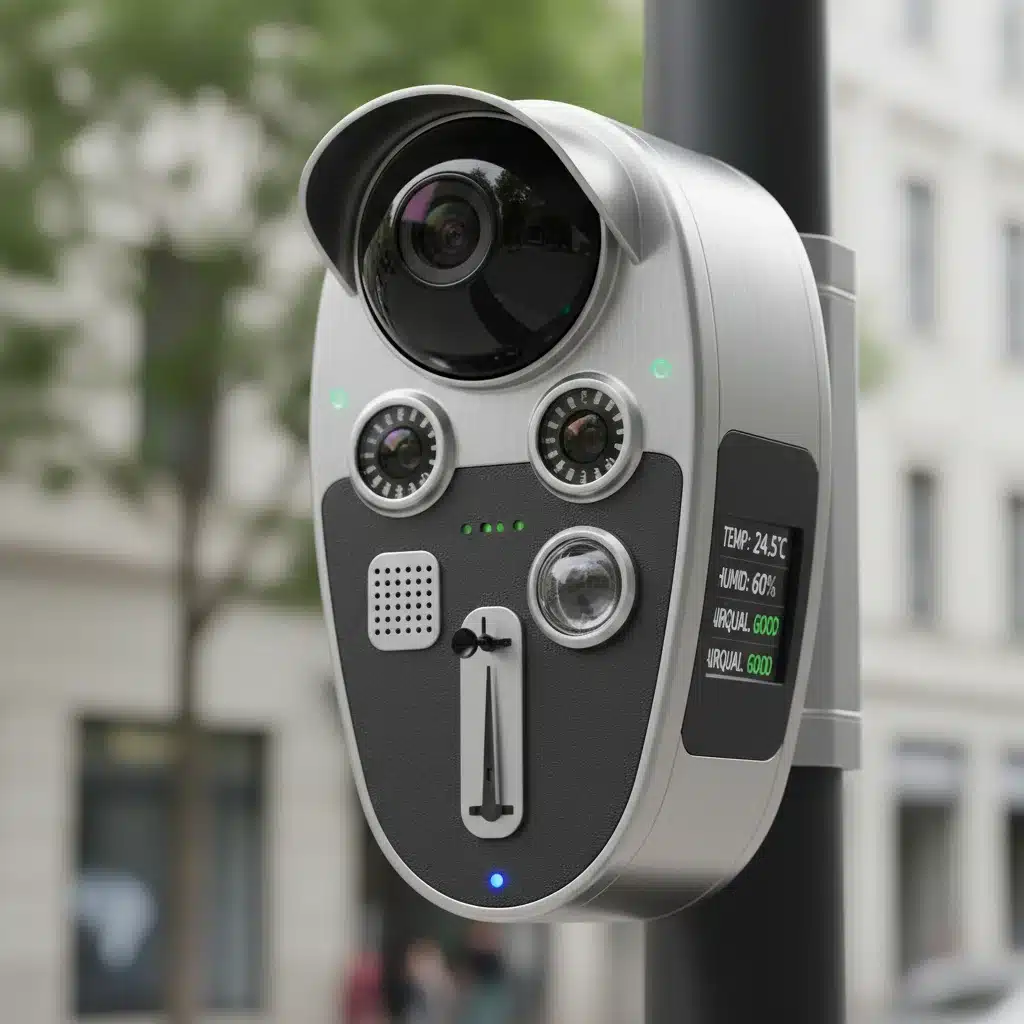
- Environmental Monitoring for Health and Safety: Beyond light, many smart poles are equipped with additional sensors that monitor air quality, noise levels, and even detect gunshots. This broader environmental monitoring contributes to public health and safety by alerting authorities to hazardous conditions or critical incidents, allowing for rapid intervention.
The psychological impact of well-lit public spaces is also significant. Citizens feel safer and more comfortable venturing out after dark, which can boost local economies and foster community engagement. By 2026, these integrated safety features are expected to become standard components of new Smart Street Lighting deployments, making urban areas not just brighter, but inherently safer.
Comparing Smart Street Lighting Solutions: Key Features and Considerations
The market for Smart Street Lighting solutions is diverse, with various vendors offering different functionalities and integration capabilities. When comparing these solutions, cities must consider several key factors:
- Connectivity Options: Solutions vary in their communication protocols, including Wi-Fi, cellular (4G/5G), LoRaWAN, NB-IoT, and powerline communication (PLC). The choice depends on existing infrastructure, coverage requirements, and scalability needs. Robust and secure connectivity is paramount for reliable operation.
- Sensor Integration: The range and type of sensors integrated into the smart poles are crucial. Beyond basic motion and ambient light sensors, some solutions offer environmental sensors (air quality, temperature), acoustic sensors (gunshot detection, glass breaking), and even cameras for security and traffic monitoring.
- Central Management System (CMS): The CMS is the brain of the operation, providing a user interface for monitoring, control, and data analysis. A good CMS should be intuitive, scalable, secure, and offer comprehensive reporting features. Integration with other city management platforms (e.g., traffic management, emergency services) is also a significant advantage.
- Scalability and Future-Proofing: As cities grow and technology evolves, the chosen solution should be scalable to accommodate new fixtures and integrate future smart city applications. Open standards and interoperability are key to future-proofing investments.
- Security: With interconnected devices and data collection, cybersecurity is a critical concern. Solutions must incorporate robust security measures to protect against unauthorized access, data breaches, and system manipulation.
- Cost-Effectiveness and ROI: While the initial investment in Smart Street Lighting can be substantial, the long-term energy savings and reduced maintenance costs typically provide a strong return on investment (ROI). Cities must conduct thorough cost-benefit analyses, considering not just hardware but also software licenses, installation, and ongoing operational costs.
- Vendor Support and Ecosystem: The reliability of the vendor, their technical support, and the broader ecosystem of compatible devices and services are important considerations for long-term success.
By carefully evaluating these aspects, cities can select a Smart Street Lighting solution that best fits their specific needs and strategic goals for energy efficiency and public safety.
Case Studies: Real-World Impact and Success Stories
Numerous cities worldwide have already reaped the benefits of deploying Smart Street Lighting. Here are a few examples illustrating the tangible gains:
- Copenhagen, Denmark: Known for its ambitious smart city initiatives, Copenhagen implemented an intelligent street lighting system that led to a 50% reduction in energy consumption for streetlights. The system uses sensors to adjust lighting levels based on traffic and weather, significantly enhancing both energy efficiency and comfort for residents.
- San Diego, USA: San Diego deployed thousands of smart sensors on its streetlights, transforming them into a ‘sensor network’ for the city. Beyond dimming capabilities, these sensors collect data on traffic patterns, parking availability, and air quality, and even assist in identifying available parking spots, showcasing the multi-functional potential of Smart Street Lighting.
- Barcelona, Spain: Barcelona’s smart lighting project focuses on dynamic control and remote management, resulting in substantial energy savings and reduced CO2 emissions. Their system allows for precise control of lighting zones, adapting to specific urban events or requirements, thus improving both efficiency and public safety in various scenarios.
- Jabalpur, India: In a prime example of emerging market adoption, Jabalpur implemented a large-scale smart LED streetlight project, resulting in a dramatic 80% reduction in energy consumption for street lighting. This project not only saved significant municipal funds but also improved the quality of life for its citizens through better illumination and enhanced safety.
These case studies underscore that Smart Street Lighting is not just a theoretical concept but a proven technology delivering real-world benefits across diverse urban environments. The success stories serve as blueprints for other cities looking to embark on their own smart lighting journeys.
Challenges and Future Outlook for Smart Street Lighting in 2026
While the benefits of Smart Street Lighting are undeniable, its widespread adoption is not without challenges. These include:
- Initial Investment Costs: The upfront capital expenditure for hardware, software, and installation can be a barrier for some municipalities, particularly smaller ones. However, various financing models, including public-private partnerships (PPPs) and energy performance contracts (EPCs), are emerging to mitigate this.
- Data Privacy and Security: With integrated cameras and sensors collecting vast amounts of data, concerns about data privacy and cybersecurity are paramount. Robust regulatory frameworks and secure system architectures are essential to build public trust.
- Interoperability and Standardization: The lack of universal standards can lead to vendor lock-in and challenges in integrating different smart city components. Efforts are underway to develop open standards to ensure greater interoperability.
- Technical Expertise: Managing and maintaining sophisticated Smart Street Lighting systems requires specialized technical expertise, which may not always be readily available within municipal departments. Training and partnerships with technology providers are crucial.
Despite these challenges, the future of Smart Street Lighting by 2026 looks exceptionally bright. We can anticipate several key trends:
- Increased Integration with 5G: The rollout of 5G networks will provide the high-bandwidth, low-latency connectivity necessary for even more sophisticated smart lighting applications, including real-time video analytics and autonomous vehicle support.
- AI and Machine Learning: Artificial intelligence and machine learning will play an increasingly vital role in optimizing lighting patterns, predicting maintenance needs, and analyzing complex urban data to enhance both energy efficiency and public safety.
- Multi-functional Smart Poles: Streetlight poles will evolve into multi-functional urban hubs, hosting not just lighting but also EV charging stations, Wi-Fi hotspots, small cell 5G antennas, environmental sensors, and digital signage, becoming critical components of the urban IoT infrastructure.
- Enhanced Resilience and Sustainability: Future systems will incorporate more renewable energy sources (e.g., solar panels on poles) and be designed with greater resilience against power outages and cyber threats, contributing to overall urban sustainability.
- Citizen Engagement Platforms: Smart lighting systems will increasingly integrate with citizen engagement platforms, allowing residents to report issues, provide feedback, and even customize certain aspects of their local environment, fostering a more participatory smart city.
Conclusion: A Brighter, Safer, and More Efficient Urban Future
The journey towards smarter cities is intrinsically linked with the advancement and widespread adoption of Smart Street Lighting. The comparison of energy savings and public safety gains unequivocally highlights the dual benefits these solutions offer. By significantly reducing electricity consumption and operational costs, they free up valuable municipal resources, while simultaneously creating safer, more secure, and more livable urban environments.
As we look towards 2026, the trajectory of Smart Street Lighting is one of continuous innovation and integration. These intelligent systems are set to become even more sophisticated, interconnected, and indispensable components of urban infrastructure, driving the evolution of smart cities. For municipalities, investing in Smart Street Lighting is not merely an upgrade; it’s a strategic imperative for fostering sustainable growth, enhancing the quality of life for residents, and building a resilient, future-ready urban landscape. The path ahead is illuminated by efficiency, safety, and the promise of a truly intelligent urban experience.