Smart parking sensors for urban mobility solutions

Smart parking sensors for urban mobility optimize parking space usage, reduce traffic congestion, enhance safety, and promote sustainable transport options through real-time data and advanced technology integration.
Smart parking sensors for urban mobility are changing how we navigate city streets. Have you ever circled a block endlessly looking for a parking spot? These innovative solutions aim to tackle that problem by streamlining the parking process and improving overall traffic flow.
Understanding smart parking sensors
Smart parking sensors play an essential role in modern urban mobility. These devices help drivers find available parking spaces quickly, thus reducing time spent searching for parking. This advancement leads to less congestion on city streets and enhances overall traffic flow.
These sensors function by using various technologies such as ultrasonic sensors, radar, and infrared to detect the presence of vehicles. They send real-time data to a central system, allowing for efficient space management. As cities grow and populations increase, ensuring accessible parking is crucial for sustainable urban development.
How Smart Parking Sensors Work
The operation of smart parking sensors revolves around collecting data about occupied and free spots. This data is then processed and communicated to drivers via mobile apps or digital signs. By informing drivers about parking availability, these systems significantly decrease idle times and emissions from vehicles.
- Utilize real-time updates for drivers
- Integrate with mobile apps for convenience
- Support city planners in managing busy areas
- Enhance overall driving experience
Smart parking sensors are not just about ease for drivers; they also assist in planning urban spaces more effectively. Cities can leverage the data collected to identify high-demand areas and implement solutions to improve parking infrastructure. This is a vital step toward creating smarter, more livable cities.
Benefits of Using Smart Parking Sensors
One significant advantage is the reduction in traffic congestion. When drivers can easily find parking, it minimizes the stop-and-go patterns that contribute to heavy traffic. Additionally, by decreasing the time spent searching for parking, cities can lower their carbon footprint.
- Promote environmental sustainability
- Reduce stress for drivers
- Enhance public safety by decreasing congestion
- Support local businesses with better access
Benefits for urban mobility

The benefits of smart parking sensors extend far beyond just convenience. These devices significantly enhance urban mobility by improving traffic flow and reducing the environmental impact of car travel. Imagine a city where drivers spend less time searching for parking—this leads to less frustration and a smoother daily commute.
Furthermore, smart parking sensors help decrease air pollution by reducing vehicle emissions linked to idle cruising. When people can find parking spaces quickly, they spend less time with their engines running and contribute to cleaner air. This is a vital step toward making cities healthier places to live.
Improved Traffic Flow
One of the most notable advantages of these sensors is their impact on traffic flow. By providing real-time information about parking availability, smart sensors eliminate the need for drivers to circle around looking for spots. This change leads to a significant reduction in traffic congestion.
- Less time spent searching for parking brings quicker commutes.
- Improves the overall efficiency of city transportation systems.
- Encourages more people to visit city centers, boosting local economies.
As drivers find parking faster, the streets become less congested, allowing for smoother vehicular movement. This efficiency not only benefits drivers but also public transport systems, as buses and other forms of transport can navigate without delay.
Enhancing Safety
Smart parking sensors also play a crucial role in enhancing safety within urban environments. With fewer cars cruising the streets looking for parking, there are reduced risks of accidents. A decrease in traffic congestion helps protect pedestrians and cyclists, creating a safer atmosphere for everyone.
- Fewer accidents mean safer neighborhoods.
- Improved visibility for all street users—drivers, cyclists, and pedestrians.
- Encourages public transport use, reducing the number of cars on the road.
In addition, these systems promote more responsible driving behaviors by providing clear information on available spaces. Drivers are less tempted to engage in risky maneuvers just to secure parking, resulting in safer driving overall.
How smart parking systems work
Smart parking systems utilize advanced technology to streamline the process of finding and managing parking spaces. These systems combine various tools such as ultrasonic sensors, cameras, and radar to detect whether a parking spot is occupied or available. By transforming raw data into actionable information, these systems improve urban mobility significantly.
The technology behind smart parking systems begins with sensors that monitor spaces in real-time. When a car enters or leaves a spot, the sensors detect this change and relay the information to a central management system. This data can then be accessed by drivers through mobile apps or digital signage, guiding them to available parking spots.
Components of Smart Parking Systems
Several key components work together to make smart parking effective. Understanding these components helps to see how they contribute to better urban planning and mobility solutions.
- Parking Sensors: Devices that detect the presence of vehicles in parking spots.
- Mobile Applications: User-friendly apps that inform drivers of available spaces in real-time.
- Data Management Software: Systems that aggregate data from sensors and analyze parking trends.
- Digital Signage: Displays that show real-time parking availability to drivers on the street.
With the integration of these components, smart parking systems not only help drivers find spaces faster but also provide valuable insights into parking patterns within cities. This information can assist city planners in making informed decisions regarding urban development.
Real-Time Monitoring
One of the standout features of smart parking systems is their ability to offer real-time monitoring. This capability means that drivers receive updates instantly about parking space availability. Such information reduces the likelihood of congestion since drivers aren’t wasting time looking for spaces that are already taken.
Data analytics also plays a vital role here. By examining trends in parking usage, cities can adjust policies and improve infrastructures, such as adding more spaces where needed. For example, if a particular area is constantly full, city planners can explore creating additional parking structures.
These advancements in smart parking technology ensure that as urban areas grow, the struggles with parking can be alleviated. With less time spent searching for spaces, residents can enjoy smoother commutes and enhanced urban experiences.
Future trends in smart urban parking
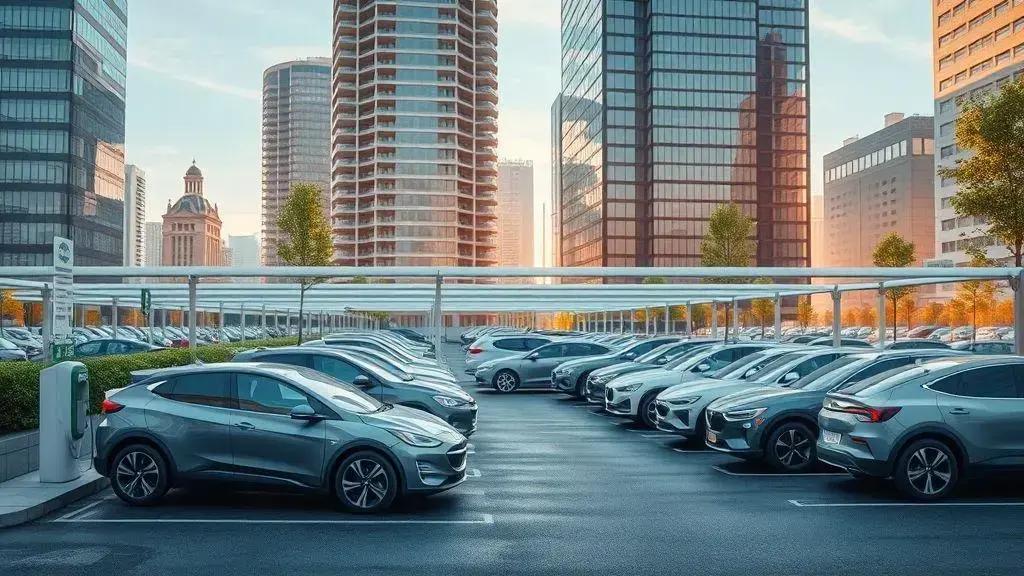
Future trends in smart urban parking indicate a shift towards even greater efficiency and user-friendliness. As cities expand and technology evolves, smart parking systems will likely incorporate advanced features that make urban mobility easier for everyone. These innovations are essential for addressing the growing demands of urban life.
One emerging trend is the integration of artificial intelligence (AI) in parking management. AI can analyze data from parking sensors to predict availability and guide drivers to open spaces before they arrive. This proactive approach can help reduce traffic congestion as drivers receive timely navigation updates.
Smart Parking Solutions
An increase in the use of app-based parking solutions is also on the horizon. These apps will not only show space availability but will allow users to reserve spots in advance. By booking a parking space ahead of time, drivers can reduce the uncertainty and stress associated with finding a place to park.
- Mobile payment options: Users will be able to pay for parking directly from their smartphones, incorporating contactless payment methods.
- Enhanced user interfaces: Apps will feature user-friendly designs, making it easier for drivers to find and reserve parking.
- Real-time notifications: Drivers will receive alerts about parking availability in their area.
- Route optimization: Directions to the nearest available parking spot will be simplified, saving time.
Another significant trend is the integration of smart parking with other transport systems. For example, combining smart parking with public transport information can guide users on how to complete their journeys. If a parking lot is full, the system can suggest nearby public transport options or alternative parking locations.
Moreover, sustainability will also influence future developments. Many cities are looking to implement green parking solutions. Technologies like electric vehicle charging stations integrated into parking areas will encourage the use of clean energy and support eco-friendly transportation options.
The Role of Data Analytics
The use of data analytics will grow significantly in shaping smart parking solutions. By analyzing parking patterns over time, cities can make informed decisions about where to expand parking facilities or adjust parking policies. This strategic planning can lead to better land use and more efficient urban environments.
Overall, the future of smart urban parking will hinge on technological advancements, user-centric designs, and a focus on sustainability. As these elements come together, cities can expect to enhance mobility and improve the overall experience for residents and visitors alike.
FAQ – Frequently Asked Questions about Smart Parking Systems
What are smart parking systems?
Smart parking systems use technology to help drivers find available parking spaces quickly and efficiently, reducing congestion and improving traffic flow.
How do smart parking sensors work?
Smart parking sensors detect whether a parking spot is occupied using various technologies like ultrasonic sensors and cameras, providing real-time information to drivers.
What are the benefits of using smart parking solutions?
Benefits include reduced traffic congestion, enhanced safety, better user experience through apps, and the promotion of sustainable transport options.
What trends are shaping the future of urban parking?
Future trends include the integration of AI, mobile reservations, improved data analytics, and a focus on sustainability with electric vehicle charging stations.