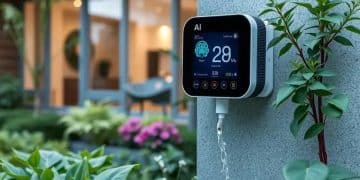
Smart Metering for U.S. Cities: 18% Water Savings by 2026
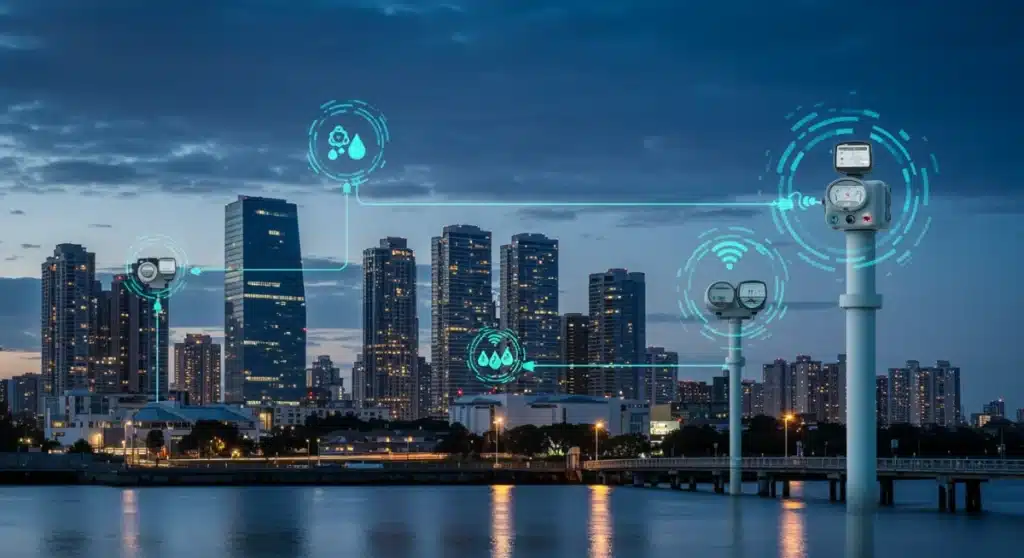
Implementing smart water metering strategies offers U.S. cities a practical pathway to achieve substantial water conservation goals, aiming for an 18% reduction in water usage by 2026 through enhanced efficiency and leak detection.
Achieving Water Conservation Goals: Smart Metering Strategies for U.S. Cities in 2026 Yielding 18% Savings (PRACTICAL SOLUTIONS) is not just an aspiration; it’s a tangible objective within reach. As urban populations grow and climate patterns shift, the imperative to manage water resources more intelligently becomes increasingly critical for the sustainability and resilience of communities across the United States. This article delves into the practical strategies and technological advancements that can transform this vision into reality.
The Urgent Need for Water Conservation in U.S. Cities
Water is a finite resource, and its prudent management is paramount for urban centers. Many U.S. cities face escalating challenges related to water scarcity, aging infrastructure, and increasing demand. These issues are compounded by unpredictable weather patterns, including prolonged droughts and intense rainfall events, which strain existing water systems and highlight the need for more adaptive solutions.
Traditional water management practices often fall short in providing the granular data needed for efficient resource allocation and proactive problem-solving. This leads to significant water losses through undetected leaks, inefficient usage by consumers, and a general lack of real-time insight into consumption patterns. Addressing these inefficiencies is not merely an environmental concern but also an economic imperative, as water utilities grapple with rising operational costs and the pressure to deliver reliable service.
The urgency for robust water conservation strategies extends beyond environmental stewardship; it directly impacts public health, economic stability, and urban resilience. Cities that fail to adapt risk severe consequences, including water rationing, increased utility rates, and compromised public trust. Therefore, proactive measures are essential to secure a sustainable water future for urban populations.
Understanding Smart Water Metering Technology
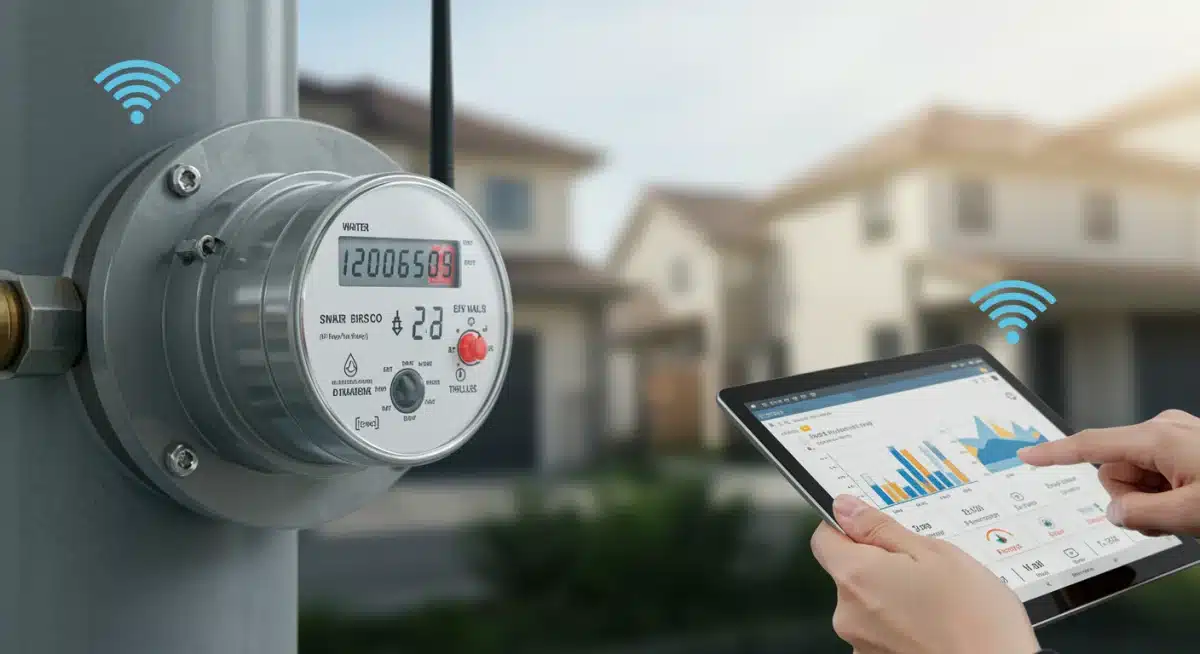
Smart water metering represents a significant leap forward from conventional metering systems. These advanced devices utilize digital technology to measure water consumption at regular intervals, often hourly or even more frequently, and transmit this data wirelessly to a central utility system. This real-time data collection contrasts sharply with traditional meters, which typically require manual readings on a monthly or quarterly basis.
The core of smart metering lies in its ability to provide granular, timely information. This empowers both utilities and consumers with actionable insights into water usage. For utilities, it means faster leak detection, improved billing accuracy, and better demand forecasting. For consumers, it offers the opportunity to monitor their own consumption, identify wasteful habits, and ultimately reduce their water bills.
Key Components of Smart Metering Systems
- Advanced Metering Infrastructure (AMI): This network includes smart meters, communication networks, and data management systems.
- Real-time Data Collection: Meters automatically transmit usage data, eliminating manual readings.
- Communication Technologies: Utilizes various methods like cellular, radio frequency (RF), or fixed networks to send data.
- Data Analytics Platforms: Software that processes raw data into understandable reports and actionable insights.
The integration of these components creates a comprehensive ecosystem that transforms water management from a reactive process into a proactive, data-driven operation. By understanding the intricate details of water flow and consumption, cities can pinpoint areas of inefficiency and deploy targeted interventions, leading to substantial conservation gains.
Practical Implementation Strategies for U.S. Cities
Implementing smart water metering systems requires a carefully planned and executed strategy. It’s not just about installing new hardware; it involves a comprehensive approach that addresses technology, infrastructure, public engagement, and financial considerations. Cities must assess their existing infrastructure, identify funding sources, and build a strong case for the long-term benefits.
A phased rollout often proves most effective, allowing utilities to learn and adapt as they go. Starting with pilot programs in specific areas can help identify potential challenges and refine implementation processes before a city-wide deployment. This iterative approach minimizes risks and ensures that the system is optimized for local conditions and community needs.
Critical Steps for Successful Deployment
- Initial Assessment and Planning: Evaluate current infrastructure, define project scope, and set clear conservation targets.
- Technology Selection: Choose smart meters and communication networks that align with city size, budget, and data needs.
- Funding and Partnerships: Secure financing through grants, bonds, or public-private partnerships.
- Public Engagement and Education: Inform residents about the benefits of smart meters and how to use the data effectively.
Beyond the technical aspects, securing public buy-in is crucial. Residents need to understand how smart meters will benefit them, both in terms of water bill savings and contributing to a more sustainable community. Educational campaigns and accessible data portals can play a vital role in fostering this understanding and encouraging active participation in conservation efforts. This proactive engagement helps overcome resistance and builds a foundation for long-term success.
Leveraging Data Analytics for 18% Savings by 2026
The true power of smart water metering lies in the data it generates. Raw consumption data, when analyzed effectively, can unlock unprecedented insights into water usage patterns, identify anomalies, and pinpoint areas where conservation efforts will have the greatest impact. Achieving ambitious targets like an 18% reduction by 2026 hinges on harnessing these analytics.
Utilities can use data analytics to detect leaks within their distribution networks, often before they become major issues. By analyzing flow rates and pressure changes, systems can flag potential leaks, allowing maintenance crews to respond quickly and minimize water loss. This proactive leak detection is a cornerstone of significant conservation gains, as non-revenue water (water that is produced and lost before it reaches the customer) can account for a substantial portion of a city’s water supply.
Data-Driven Conservation Strategies
- Anomaly Detection: Algorithms identify unusual spikes or continuous flow, indicating leaks or abnormal usage.
- Demand Forecasting: Predictive models optimize water treatment and distribution based on anticipated consumption.
- Customer Engagement Platforms: Online portals allow consumers to view their usage, set alerts, and compare against similar households.
- Targeted Conservation Programs: Identify high-usage areas or specific industries for customized water-saving initiatives.
Furthermore, data analytics empower utilities to optimize their infrastructure investments. By understanding where and when water is used most, cities can make informed decisions about pipe replacement, pressure management, and reservoir operations. This strategic allocation of resources ensures that conservation efforts are not only effective but also cost-efficient, maximizing the return on investment in smart metering technology.
Overcoming Challenges and Ensuring Equity
While the benefits of smart water metering are clear, implementation is not without its challenges. Technical hurdles, such as ensuring robust network coverage and integrating new systems with legacy infrastructure, need careful consideration. Moreover, the initial capital investment can be substantial, requiring creative financing solutions and long-term budgetary planning.
A critical aspect of any smart city initiative, especially one involving essential services like water, is ensuring equity. Not all residents have equal access to technology or the resources to adapt to new systems. Cities must implement programs to support vulnerable populations, ensuring that smart metering benefits everyone, not just those with immediate access to digital tools.
Addressing Common Hurdles
- Cybersecurity Concerns: Protecting sensitive data from breaches is paramount.
- Data Privacy: Establishing clear policies on how consumer data is collected, stored, and used.
- Public Acceptance: Overcoming skepticism and building trust through transparent communication.
- Workforce Training: Equipping utility staff with the skills to manage and maintain new smart systems.
Engaging with community leaders and advocacy groups can help identify potential disparities and develop inclusive strategies. Providing educational materials in multiple languages, offering assistance programs for low-income households, and ensuring accessible digital platforms are all vital steps towards an equitable smart water future. Ultimately, the goal is to enhance water security for all residents.
Case Studies and Future Outlook for Smart Water Metering
Numerous U.S. cities have already embarked on their smart water metering journeys, demonstrating tangible results and providing valuable lessons for others. These early adopters showcase the potential for significant water savings and operational efficiencies. For example, some cities have reported reductions in non-revenue water by over 15% within just a few years of full deployment, directly contributing to conservation goals.
Looking ahead, the future of smart water metering is bright, with continuous advancements in sensor technology, artificial intelligence, and network capabilities. The integration of smart meters with other smart city initiatives, such as smart irrigation systems and smart grid technologies, promises even greater synergies and holistic resource management. The trend is towards more interconnected and intelligent urban ecosystems.
Emerging Trends and Innovations
- AI-Powered Leak Prediction: Advanced algorithms predicting leaks before they occur based on historical data and environmental factors.
- Edge Computing: Processing data closer to the source (the meter) for faster insights and reduced network load.
- Gamification of Conservation: Engaging consumers through interactive platforms that reward water-saving behaviors.
- Integration with Other Utilities: Harmonizing water data with electricity and gas usage for a comprehensive resource view.
By 2026, it is highly feasible for U.S. cities to achieve an 18% reduction in water consumption through widespread adoption of these practical solutions. The continuous evolution of smart metering technology, coupled with a commitment to thoughtful implementation and community engagement, will be key to unlocking these significant conservation gains and building more resilient, sustainable urban environments.
| Key Aspect | Brief Description |
|---|---|
| Conservation Goal | Aim for 18% water savings in U.S. cities by 2026. |
| Smart Metering | Real-time water usage monitoring and data transmission. |
| Data Analytics | Leveraging insights for leak detection, demand forecasting, and efficiency. |
| Implementation | Phased rollout, public engagement, and addressing equity concerns. |
Frequently Asked Questions About Smart Water Metering
Smart water metering offers numerous benefits, including real-time leak detection, improved billing accuracy, enhanced operational efficiency for utilities, and empowering consumers with detailed usage data to manage their consumption and reduce water bills, leading to significant conservation.
By providing granular data, smart meters enable rapid identification and repair of leaks, optimization of water distribution, and targeted conservation programs. This data-driven approach allows cities to make informed decisions and implement effective strategies that collectively contribute to substantial water savings over time.
Challenges include significant upfront capital investment, ensuring robust network infrastructure, integrating new systems with legacy technology, addressing cybersecurity and data privacy concerns, and fostering public acceptance and understanding of the new system. Careful planning and communication are key.
Ensuring equity involves implementing support programs for low-income households, providing accessible educational materials in multiple languages, and designing user-friendly digital platforms. Cities must actively engage with diverse communities to understand their needs and tailor solutions that benefit every resident, preventing digital divides.
Data analytics transforms raw meter data into actionable insights, facilitating anomaly detection for leaks, accurate demand forecasting, and personalized consumer feedback. This allows utilities to prioritize maintenance, optimize resource allocation, and develop highly effective conservation campaigns, directly contributing to achieving water saving targets.
Conclusion
The journey towards achieving significant water conservation goals, such as an 18% reduction in U.S. cities by 2026, is fundamentally reliant on the strategic adoption and intelligent utilization of smart water metering strategies. These technologies offer a powerful suite of tools for real-time monitoring, proactive leak detection, and data-driven decision-making, transforming traditional water management into a highly efficient and sustainable process. While challenges exist, particularly around initial investment and ensuring equitable access, the long-term benefits in terms of resource preservation, operational efficiency, and urban resilience far outweigh these hurdles. By embracing innovation and fostering strong community engagement, U.S. cities can not only meet but exceed their water conservation targets, securing a vital resource for future generations.