Smart Infrastructure: 30% Cost Savings for Municipalities by 2026
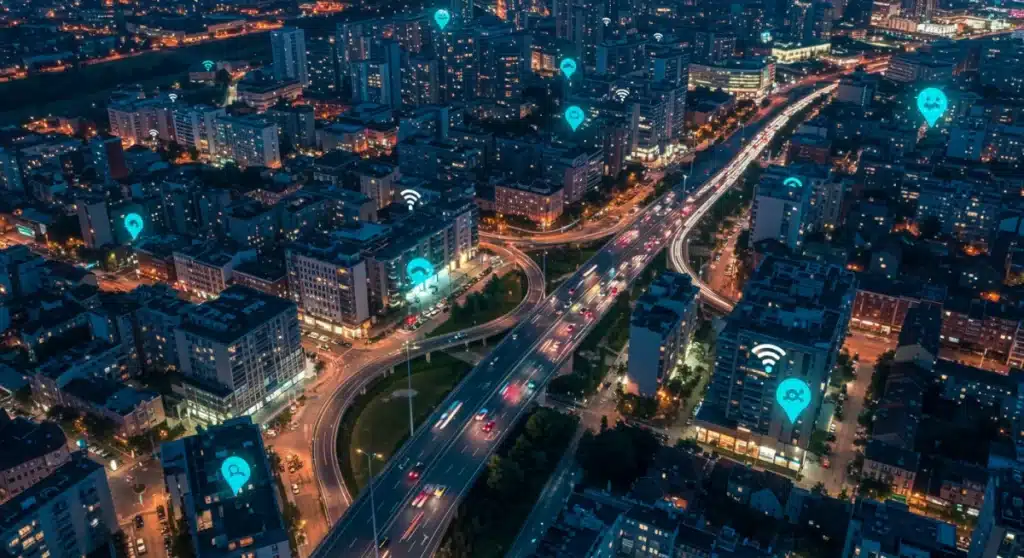
Investing in smart infrastructure is poised to deliver municipalities across the United States up to 30% in cost savings by 2026, primarily by optimizing resource management and operational efficiencies.
The landscape of urban management is rapidly evolving, driven by technological advancements that promise not just convenience but significant financial returns. For municipalities across the United States, the strategic decision to embrace smart infrastructure investment represents a pivotal opportunity to unlock substantial cost savings, potentially reaching an ambitious 30% by 2026. This isn’t merely about upgrading outdated systems; it’s about fundamentally rethinking how cities operate, manage resources, and serve their communities.
Defining Smart Infrastructure and Its Core Components
Smart infrastructure refers to the integration of advanced technologies, such as sensors, data analytics, artificial intelligence, and the Internet of Things (IoT), into traditional urban systems. These technologies enable real-time monitoring, predictive maintenance, and optimized resource allocation, transforming how cities function.
The core components of smart infrastructure are diverse, encompassing everything from intelligent transportation systems to smart utility grids and connected public services. Each component, while distinct, contributes to an overarching goal of creating more efficient, sustainable, and responsive urban environments.
Key Technologies Driving Smart Infrastructure
Several foundational technologies underpin the smart infrastructure revolution. These innovations are not just theoretical; they are being deployed in cities nationwide, demonstrating tangible benefits and paving the way for further advancements.
- IoT Sensors: These devices collect vast amounts of real-time data on everything from traffic flow to air quality, providing crucial insights for decision-making.
- Data Analytics Platforms: Sophisticated software processes the collected data, identifying patterns, predicting issues, and recommending optimal solutions.
- Artificial Intelligence (AI): AI algorithms enable systems to learn from data, automate processes, and make intelligent adjustments without human intervention.
- High-Speed Connectivity (5G): Robust and fast communication networks are essential for transmitting the immense volume of data generated by smart infrastructure.
Understanding these components is the first step towards appreciating the transformative potential of smart infrastructure. By leveraging these technologies, municipalities can move beyond reactive management to proactive governance, anticipating challenges and implementing solutions more effectively.
The Financial Imperative: Why Municipalities Must Invest Now
The financial pressures on municipalities are constant, with rising operational costs and increasing demands for public services. Against this backdrop, smart infrastructure emerges not just as an option, but as a critical financial imperative. Delaying investment can lead to escalating costs, missed opportunities for efficiency, and a decline in service quality.
Investing now means capitalizing on proven technologies that offer a clear return on investment through reduced energy consumption, optimized labor, and minimized waste. The initial outlay, while significant, is quickly offset by long-term savings and enhanced revenue streams.
Projected Cost Savings: A 30% Target by 2026
Achieving a 30% reduction in operational costs by 2026 through smart infrastructure is an ambitious yet attainable goal. This target is not a blanket figure but an aggregate of savings across various municipal departments, each benefiting from tailored smart solutions.
For example, smart street lighting systems can cut energy consumption by 50-70%, while intelligent waste management can reduce collection routes and fuel costs by 20-30%. These individual savings accumulate to a substantial overall reduction, freeing up municipal budgets for other critical initiatives.
The financial benefits extend beyond direct cost reductions. Smart infrastructure can also lead to increased property values, attracting businesses and residents, and boosting local economies. The improved quality of life and enhanced public safety also contribute to a more prosperous and stable community.
Key Areas for Cost Reduction Through Smart Infrastructure
The opportunities for cost reduction through smart infrastructure are manifold, touching almost every aspect of municipal operations. By strategically deploying smart technologies, cities can identify inefficiencies and implement solutions that yield significant financial benefits.
From energy management to water conservation and public safety, the integration of smart systems offers a comprehensive approach to optimizing resource use and reducing operational expenditures. Each area presents unique challenges and corresponding smart solutions.
Optimized Energy Consumption
Energy costs represent a substantial portion of municipal budgets. Smart energy management systems, including smart grids and intelligent street lighting, can dramatically reduce consumption and associated expenses.
- Smart Street Lighting: LED lights with adaptive controls dim or brighten based on real-time conditions, saving energy and extending bulb life.
- Smart Grids: These systems monitor and manage energy use across the city, identifying peak demand times and optimizing distribution to prevent waste.
- Building Management Systems: Automated controls for heating, ventilation, and air conditioning (HVAC) in municipal buildings ensure energy is only used when and where it’s needed.
These initiatives not only save money but also contribute to environmental sustainability by reducing carbon emissions. The transition to smarter energy systems is a win-win for both the municipal budget and the planet.
Enhancing Operational Efficiency and Resource Management
Beyond direct energy savings, smart infrastructure significantly enhances overall operational efficiency and resource management. This translates into more streamlined processes, reduced labor costs, and a more productive use of municipal assets.
By leveraging data and automation, cities can optimize everything from waste collection routes to public transport schedules, ensuring that resources are deployed effectively and efficiently. The goal is to do more with less, without compromising service quality.
Intelligent Transportation Systems
Traffic congestion wastes fuel, increases pollution, and costs cities billions annually. Smart transportation systems use real-time data to alleviate these issues.
- Adaptive Traffic Signals: Adjust timing based on traffic flow, reducing delays and improving commute times.
- Smart Parking: Guides drivers to available spots, cutting down on circling and related emissions.
- Public Transit Optimization: Uses data to refine routes and schedules, making public transport more attractive and efficient.
These systems not only save money on fuel and maintenance but also improve the quality of life for residents by reducing commute times and making urban travel more predictable.
Smart Waste Management
Waste collection is another significant municipal expense. Smart waste management solutions can optimize routes, reduce collection frequency, and improve recycling rates.
Sensors in waste bins can report fill levels, allowing collection services to only empty bins that are full. This eliminates unnecessary trips, saving fuel, labor, and vehicle wear and tear. Furthermore, data analytics can help identify patterns in waste generation, enabling more efficient resource allocation for recycling and disposal.
By integrating these smart solutions, municipalities can achieve substantial reductions in waste management costs while simultaneously improving environmental outcomes. This holistic approach to resource management is a cornerstone of smart city development.
Overcoming Implementation Challenges and Ensuring Success
While the benefits of smart infrastructure are clear, implementing these complex systems is not without its challenges. Municipalities must navigate funding issues, technological integration hurdles, and the need for skilled personnel. However, with careful planning and strategic partnerships, these obstacles can be overcome.
Successful implementation requires a clear vision, strong leadership, and a phased approach that allows for learning and adaptation. Engaging stakeholders, from city departments to local residents, is also crucial for ensuring buy-in and long-term success.
Funding and Investment Strategies
Securing adequate funding is often the biggest hurdle. Municipalities can explore various funding models.
- Public-Private Partnerships (PPPs): Collaborating with private companies can leverage their expertise and capital, sharing both risks and rewards.
- Federal Grants and Programs: Government initiatives often provide grants for smart city projects, especially those focused on sustainability and innovation.
- Green Bonds: Issuing bonds specifically for environmentally friendly projects can attract investors interested in sustainable development.
Diversifying funding sources and demonstrating a clear return on investment are key to securing the necessary capital for smart infrastructure projects. A robust financial plan is essential for moving projects from concept to reality.

Data Security and Privacy Concerns
As smart infrastructure relies heavily on data collection, ensuring data security and protecting citizen privacy are paramount. Municipalities must implement robust cybersecurity measures and adhere to strict data governance policies.
Transparency with residents about what data is collected, how it is used, and how it is protected is crucial for building trust. Adopting privacy-by-design principles and regularly auditing systems for vulnerabilities can mitigate risks and maintain public confidence.
The Future Landscape: Beyond 2026 and Sustainable Urban Living
The journey towards smart infrastructure doesn’t end in 2026; it’s a continuous evolution towards more sustainable, resilient, and livable cities. The initial cost savings achieved by then will serve as a foundation for further innovation and expansion of smart technologies.
Looking beyond the immediate financial benefits, smart infrastructure plays a critical role in addressing global challenges such as climate change, resource scarcity, and rapid urbanization. By building smarter cities, municipalities are investing in a better future for their residents and the planet.
Integration of Renewable Energy and Resilient Systems
Future smart infrastructure will increasingly integrate renewable energy sources, creating self-sustaining urban ecosystems. Smart grids will become even more sophisticated, managing energy from solar panels, wind turbines, and other green technologies.
Furthermore, cities will focus on building more resilient infrastructure capable of withstanding the impacts of climate change, such as extreme weather events. Smart sensors can monitor structural integrity, predict potential failures, and enable rapid response and recovery efforts.
This forward-looking approach ensures that cities are not only efficient but also prepared for the challenges of tomorrow, securing a sustainable and prosperous future for generations to come. The initial push for smart infrastructure investment by 2026 is just the beginning of this transformative journey.
| Key Aspect | Brief Description |
|---|---|
| Cost Savings Target | Municipalities aim for up to 30% operational cost savings by 2026 through smart infrastructure investments. |
| Core Technologies | IoT sensors, data analytics, AI, and 5G connectivity are foundational for smart city development. |
| Key Savings Areas | Energy consumption, transportation, waste management, and public safety offer significant cost reduction potential. |
| Implementation Strategies | Funding, public-private partnerships, and addressing data security are crucial for successful deployment. |
Frequently asked questions about smart infrastructure
▼
Smart infrastructure integrates advanced technologies like IoT sensors, data analytics, and AI into urban systems. It enables real-time monitoring and optimized resource allocation to enhance efficiency and sustainability in cities.
▼
These savings are achieved through various optimizations, including reduced energy consumption from smart lighting, efficient waste management routes, and optimized public transport, cumulatively cutting operational expenses across departments.
▼
Key challenges include securing funding, integrating diverse technologies, ensuring data security and privacy, and acquiring the necessary skilled workforce. Strategic planning and public-private partnerships can help overcome these hurdles.
▼
Data is the backbone of smart infrastructure. Real-time data collected by sensors informs decisions, enables predictive maintenance, optimizes resource use, and provides insights for improving urban services and citizen quality of life.
▼
Beyond financial savings, smart infrastructure enhances urban sustainability, improves public safety, reduces environmental impact, and boosts economic development by attracting businesses and residents to more efficient and modern cities.
Conclusion
The imperative for municipalities to embrace smart infrastructure investment is undeniable. The potential for unlocking up to 30% in operational cost savings by 2026 presents a compelling financial opportunity, allowing cities to reallocate resources towards critical services and community development. Beyond the immediate fiscal benefits, smart infrastructure lays the groundwork for more sustainable, resilient, and responsive urban environments. By addressing implementation challenges through strategic planning, innovative funding models, and a commitment to data security, cities can successfully transform their operations and pave the way for a smarter, more prosperous future for all residents.