Smart Grid Technologies: 25% Energy Optimization in US Urban Centers
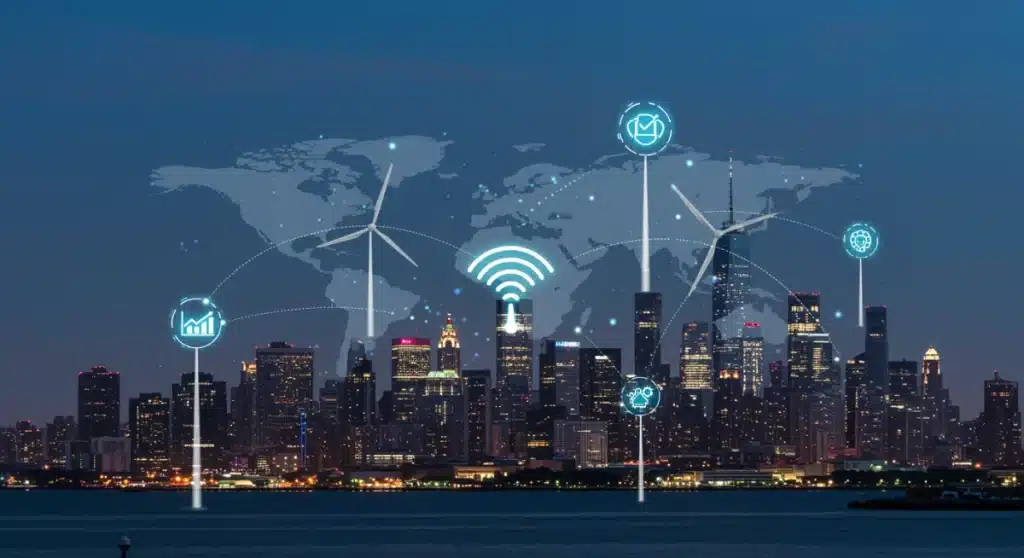
Smart grid technologies are revolutionizing energy management, promising up to 25% energy optimization in US urban centers through integrated digital solutions, renewable energy, and demand-side management.
The pursuit of energy efficiency has never been more critical, especially in the densely populated urban centers across the United States. With growing demands and the urgent need for sustainable practices, the advent of smart grid energy optimization technologies presents a monumental opportunity. These advanced systems are not merely incremental upgrades; they represent a fundamental shift in how we generate, distribute, and consume power, aiming for significant reductions in energy waste and a more resilient infrastructure.
Understanding the Smart Grid Paradigm in Urban Centers
Smart grids represent a sophisticated evolution of traditional electricity networks, integrating digital communication technology to create a two-way flow of electricity and information. This fundamental shift allows for real-time monitoring, control, and optimization of energy resources, particularly crucial in dynamic urban environments. The goal is to enhance reliability, efficiency, and sustainability, paving the way for substantial energy savings.
Core Components of an Urban Smart Grid
The successful implementation of a smart grid in a bustling city relies on several interconnected components working in harmony. These elements ensure that energy is managed intelligently from generation to consumption, adapting to fluctuating demands and supplies.
- Advanced Metering Infrastructure (AMI): These are smart meters that record consumption of electric energy in intervals of an hour or less and communicate that information back to the utility for monitoring and billing.
- Demand Response Systems: Programs that encourage consumers to reduce energy consumption during peak hours in exchange for financial incentives.
- Distribution Automation: Technologies that allow utilities to remotely monitor, coordinate, and operate distribution components, improving reliability and reducing outages.
- Integrated Communications: A robust communication network that enables real-time data exchange between all grid components, essential for rapid decision-making.
The strategic deployment of these components allows urban centers to move beyond reactive energy management to a proactive, predictive model. This integration facilitates a more efficient use of existing infrastructure, reduces transmission losses, and incorporates diverse energy sources more effectively.
Ultimately, a deep understanding of these foundational elements is paramount for any urban center aiming to harness the full potential of smart grid technologies. By meticulously planning and integrating each piece, cities can build a robust and responsive energy ecosystem capable of delivering significant energy optimization.
Demand-Side Management (DSM) and Energy Efficiency
Demand-Side Management (DSM) within smart grids is a cornerstone for achieving significant energy optimization, particularly for the ambitious target of 25% savings in US urban centers. DSM programs empower consumers and utilities to collaboratively manage energy consumption, shifting demand away from peak periods and reducing overall usage. This approach is far more effective than simply pushing more supply onto the grid; it fundamentally alters consumption patterns.
Key Strategies in Urban DSM
Urban environments present unique challenges and opportunities for DSM. High population density, diverse commercial and residential loads, and varying consumption patterns require tailored strategies. Effective DSM involves a combination of technological interventions and behavioral changes.
- Time-of-Use (TOU) Rates: Pricing electricity differently based on the time of day, encouraging users to shift energy-intensive activities to off-peak hours when electricity is cheaper.
- Direct Load Control (DLC): Utilities can remotely cycle specific appliances (like air conditioners or water heaters) during peak demand periods, with prior customer consent and often in exchange for incentives.
- Behavioral Energy Efficiency Programs: Providing consumers with detailed feedback on their energy usage, comparative data with neighbors, and personalized tips to encourage energy-saving habits.
These strategies are not isolated; they often work in conjunction to create a comprehensive DSM framework. For instance, TOU rates become even more effective when paired with smart appliances that can automatically adjust their operation based on price signals. The collective impact of these measures can lead to substantial reductions in overall energy consumption and peak demand, thus contributing significantly to the 25% optimization goal.
Implementing effective DSM programs requires a deep understanding of consumer behavior, robust communication infrastructure, and a commitment from both utilities and residents. When successfully deployed, DSM transforms passive energy consumers into active participants in the energy ecosystem, driving efficiency and sustainability.
Integrating Renewable Energy Sources and Storage
The integration of renewable energy sources, such as solar and wind, coupled with advanced energy storage solutions, is critical for achieving a 25% energy optimization in US urban centers. Smart grids provide the intelligent infrastructure necessary to manage the intermittent nature of renewables, ensuring grid stability and maximizing their contribution to the energy mix. Without robust integration, the full potential of these clean energy sources cannot be realized.
Challenges and Solutions for Renewable Integration
Urban areas face specific hurdles when incorporating renewables, including limited space for large-scale installations and the need for seamless integration with existing infrastructure. Smart grid technologies offer solutions to overcome these challenges.
- Distributed Energy Resources (DER) Management: Smart grids enable the efficient management of numerous small-scale renewable generators, such as rooftop solar panels, treating them as a cohesive part of the grid.
- Microgrids: Self-sufficient energy systems that can operate independently or connected to the main grid, enhancing resilience and allowing for localized renewable energy utilization.
- Predictive Analytics: Using data from weather forecasts and historical patterns to predict renewable energy generation, allowing for better grid balancing and resource allocation.
Energy storage solutions, particularly battery storage, play a pivotal role in buffering the variability of renewables. They can store excess energy generated during periods of high production and release it during peak demand or when renewable output is low. This not only optimizes the use of clean energy but also reduces the reliance on fossil fuel peaker plants, contributing directly to energy efficiency and emissions reduction.
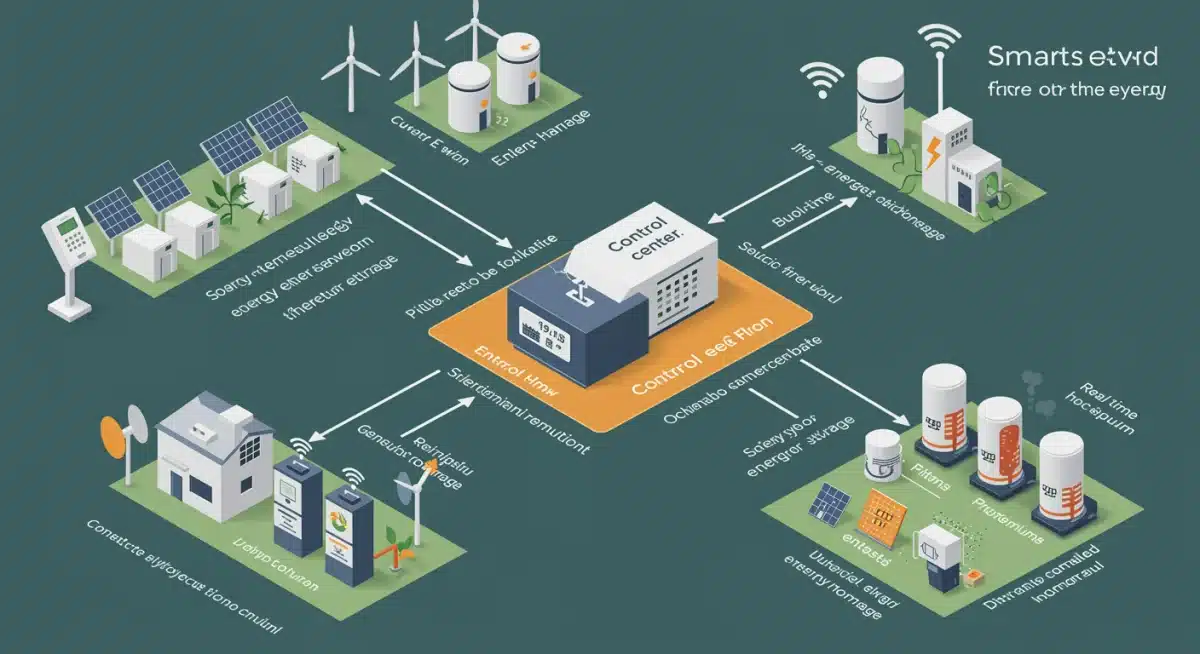
The synergy between smart grid technologies, renewable energy, and energy storage creates a dynamic and sustainable energy landscape. This integrated approach is essential for urban centers looking to meet ambitious energy optimization targets, providing both environmental benefits and enhanced grid reliability.
Advanced Analytics and AI for Grid Optimization
The deployment of advanced analytics and artificial intelligence (AI) is transforming smart grid operations, offering unprecedented opportunities for energy optimization in US urban centers. These technologies analyze vast amounts of data generated by smart meters, sensors, and grid infrastructure, identifying patterns and anomalies that human operators might miss. This data-driven approach is fundamental to achieving the ambitious 25% energy optimization target.
How AI and Analytics Drive Efficiency
AI algorithms can process real-time data to make intelligent decisions, from predicting energy demand to optimizing power flow. This capability allows utilities to operate the grid with greater precision and responsiveness.
- Predictive Maintenance: AI analyzes sensor data to anticipate equipment failures before they occur, reducing downtime and preventing costly outages that can lead to energy waste.
- Load Forecasting: Machine learning models predict future energy demand with high accuracy, enabling utilities to optimize generation and distribution, minimizing excess capacity.
- Fault Detection and Isolation: AI can quickly pinpoint the location of faults on the grid, allowing for faster restoration of service and reducing energy losses during outages.
Furthermore, AI-powered systems can optimize the dispatch of distributed energy resources, such as solar panels and battery storage, ensuring that energy is used most effectively. They can also facilitate dynamic pricing mechanisms, encouraging consumers to adjust their consumption based on real-time grid conditions, thereby enhancing demand-side management efforts.
The integration of advanced analytics and AI into smart grids moves beyond simple automation to intelligent automation. This intellectual layer enables the grid to learn, adapt, and self-optimize, driving continuous improvements in energy efficiency and grid resilience. For urban centers aiming for significant energy savings, these technologies are indispensable tools.
Cybersecurity and Data Privacy in Smart Grids
As smart grids become increasingly interconnected and data-dependent, the issues of cybersecurity and data privacy rise to paramount importance. Achieving 25% energy optimization in US urban centers relies on a secure and trustworthy infrastructure. A breach in a smart grid system could not only compromise energy supply but also expose sensitive consumer data, eroding public trust and hindering further adoption of these critical technologies.
Protecting the Smart Grid Infrastructure
The digital nature of smart grids introduces new vulnerabilities that demand robust security measures. Protecting against cyber threats requires a multi-layered approach that encompasses technology, policy, and human factors.
- End-to-End Encryption: Securing all data transmissions between smart meters, grid components, and control centers to prevent eavesdropping and manipulation.
- Intrusion Detection Systems (IDS): Deploying systems that monitor network traffic for suspicious activity, alerting operators to potential cyberattacks in real-time.
- Regular Vulnerability Assessments: Conducting periodic audits and penetration testing to identify and remediate weaknesses in the grid’s digital infrastructure.
Beyond technical safeguards, robust data privacy policies are essential. Utilities must transparently inform consumers about how their energy consumption data is collected, used, and protected. Adherence to privacy regulations, such as those governing personally identifiable information, is fundamental to maintaining consumer confidence.
Moreover, employee training on cybersecurity best practices is crucial, as human error often remains a significant vector for cyberattacks. A culture of security, extending from engineers to customer service representatives, reinforces the integrity of the smart grid. Without a strong emphasis on cybersecurity and data privacy, the potential benefits of smart grid technologies, including energy optimization, could be severely undermined.
Economic and Environmental Benefits for US Urban Centers
The widespread adoption of smart grid technologies in US urban centers offers a compelling array of economic and environmental benefits, directly contributing to the ambitious goal of 25% energy optimization. These benefits extend far beyond mere cost savings, encompassing greater grid reliability, reduced carbon emissions, and enhanced economic competitiveness for cities that embrace these innovations.
Tangible Gains from Smart Grid Implementation
The economic advantages manifest in several ways, from lower operational costs for utilities to reduced energy bills for consumers. Environmentally, the shift towards a smarter grid supports broader sustainability objectives.
- Reduced Energy Costs: Optimized energy distribution and consumption, coupled with demand-side management, lead to lower overall energy expenditures for both utilities and end-users.
- Enhanced Grid Reliability and Resilience: Smart grids can self-heal and isolate faults, reducing the frequency and duration of power outages, which translates to economic stability for businesses and essential services.
- Lower Carbon Emissions: Greater integration of renewable energy sources and more efficient energy use significantly decrease reliance on fossil fuels, leading to a substantial reduction in greenhouse gas emissions.
Furthermore, the development and deployment of smart grid infrastructure stimulate job creation in engineering, manufacturing, and IT sectors. Cities that invest in these technologies position themselves as leaders in innovation, attracting businesses and talent. The ability to efficiently manage energy resources also provides a competitive edge, particularly for energy-intensive industries.
From an environmental perspective, the smart grid facilitates the transition to a cleaner energy future. By enabling more renewables and promoting energy conservation, it plays a vital role in meeting climate change targets and improving urban air quality. The combined economic and environmental dividends make smart grid technologies an indispensable investment for the sustainable future of US urban centers.
The Future Outlook: Scaling Smart Grid Solutions
The trajectory for smart grid technologies in US urban centers points towards continued expansion and refinement, with the ultimate aim of scaling solutions to achieve and surpass the 25% energy optimization target. As cities grow and energy demands intensify, the imperative for smarter, more resilient grids becomes even more pronounced. The future outlook involves not just technological advancements but also policy innovation and greater public engagement.
Key Trends Shaping Tomorrow’s Smart Grids
Several emerging trends are poised to further revolutionize the smart grid landscape, pushing the boundaries of what’s possible in urban energy management. These advancements will make grids even more intelligent, responsive, and sustainable.
- Greater Interoperability: Future smart grids will feature enhanced interoperability between diverse systems and devices, enabling seamless data exchange and coordinated operations across different energy sectors.
- Edge Computing Integration: Processing data closer to its source (at the ‘edge’ of the network) will allow for faster decision-making and real-time control, crucial for managing distributed energy resources in dense urban settings.
- Blockchain for Energy Transactions: Exploring blockchain technology to secure and transparently manage peer-to-peer energy trading and other micro-transactions within localized energy communities.
Beyond technology, supportive regulatory frameworks are essential to incentivize investment in smart grid infrastructure and promote innovative business models. Public awareness and participation will also be key, as consumers become more active prosumers (producers and consumers) of energy. Educational campaigns can foster greater understanding of smart grid benefits and encourage the adoption of energy-efficient behaviors.
The journey towards a fully optimized, intelligent grid is ongoing, but the foundation laid by current smart grid technologies is robust. By embracing continuous innovation, fostering collaborative ecosystems, and prioritizing scalability, US urban centers can look forward to a future where energy is not only optimized by 25% but managed with unprecedented efficiency and sustainability.
| Key Aspect | Brief Description |
|---|---|
| Smart Grid Core | Digital integration for two-way energy and information flow, enhancing efficiency and reliability. |
| Demand-Side Management | Strategies like TOU rates and direct load control to reduce peak energy consumption. |
| Renewable Integration | Seamless incorporation of solar/wind with energy storage for grid stability and optimization. |
| AI & Analytics | Utilizing data for predictive maintenance, load forecasting, and real-time grid optimization. |
Frequently Asked Questions About Smart Grid Energy Optimization
Smart grid energy optimization refers to the use of advanced digital technology to monitor, control, and manage energy flow on the electricity grid. Its goal is to maximize efficiency, integrate renewable sources, and reduce waste, often leading to significant energy savings for urban centers.
Achieving 25% energy optimization is possible through a combination of demand-side management, optimized integration of renewable energy, advanced analytics for predictive maintenance, and real-time load balancing. These strategies collectively minimize energy loss and enhance overall efficiency across the grid.
Beyond energy savings, smart grids offer enhanced grid reliability and resilience, faster outage restoration, better integration of distributed energy resources, reduced carbon emissions, and improved data for more informed energy management decisions, benefiting both utilities and consumers.
Yes, cybersecurity is a critical concern. The increased connectivity of smart grids creates new vulnerabilities for cyberattacks. Robust encryption, intrusion detection systems, and strict data privacy protocols are essential to protect the grid’s integrity and sensitive consumer information from potential threats.
US urban centers benefit economically through reduced energy costs for businesses and residents, increased grid reliability minimizing economic disruptions, job creation in new tech sectors, and enhanced competitiveness by attracting businesses seeking sustainable and efficient infrastructure. These factors contribute to long-term economic growth.
Conclusion
The journey towards a smarter, more sustainable energy future for US urban centers is unequivocally linked to the widespread adoption and continuous evolution of smart grid technologies. The potential for 25% energy optimization is not merely an ambitious target but a tangible outcome achievable through the strategic integration of advanced metering, demand-side management, renewable energy sources, artificial intelligence, and robust cybersecurity measures. As cities continue to grow and face increasing demands for energy, these intelligent systems offer a pathway to enhanced efficiency, greater resilience, and a significantly reduced environmental footprint, cementing their role as a cornerstone of modern urban infrastructure.