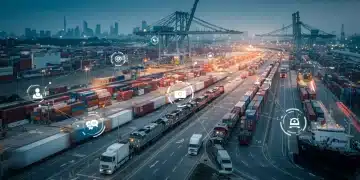
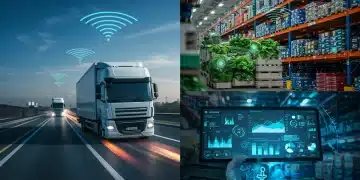
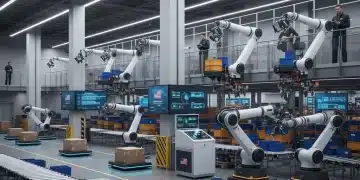
Smart container tracking with IoT sensors: a game changer

Smart container tracking with IoT sensors enhances logistics by providing real-time visibility, reducing costs, and improving safety while allowing companies to optimize their supply chains and respond quickly to challenges.
Smart container tracking with IoT sensors is reshaping how businesses manage their logistics. Imagine being able to monitor your shipments in real-time, significantly boosting your operational efficiency and decision-making. Curious about how this works? Let’s dive deeper.
Understanding smart container technology
Understanding smart container technology is essential for those involved in logistics and supply chain management. This innovative approach uses advanced technologies to enhance efficiency and visibility. Let’s explore how these technologies work.
What Makes Containers Smart?
Smart containers are equipped with various IoT sensors that collect and transmit data. These sensors can monitor factors such as temperature, humidity, and location in real-time. This means you always know where your cargo is and how it’s doing during transit.
Key Features of Smart Containers
- Real-time tracking: Location data helps manage shipments effectively.
- Environmental monitoring: Sensors ensure conditions are optimal for sensitive cargo.
- Predictive analytics: Data helps forecast delivery issues before they occur.
- Automated alerts: Notifications are sent for issues like temperature changes.
By utilizing these features, companies can greatly reduce losses and improve service quality. Moreover, they can enhance decision-making by leveraging stored data.
How It Works
The technology relies on a combination of cloud computing, data analytics, and machine learning. Data collected from the containers is sent to cloud platforms. There, sophisticated algorithms analyze the information to deliver actionable insights. This interconnected system allows for proactive management of logistics operations.
Moreover, the integration of blockchain technology can further ensure the security and authenticity of the data collected. This additional layer helps build trust across supply chain partners.
As businesses increasingly adopt smart container technology, they discover new ways to innovate and streamline their operations. This transformation leads to reduced operational costs and improved customer satisfaction.
Benefits of IoT sensors in logistics
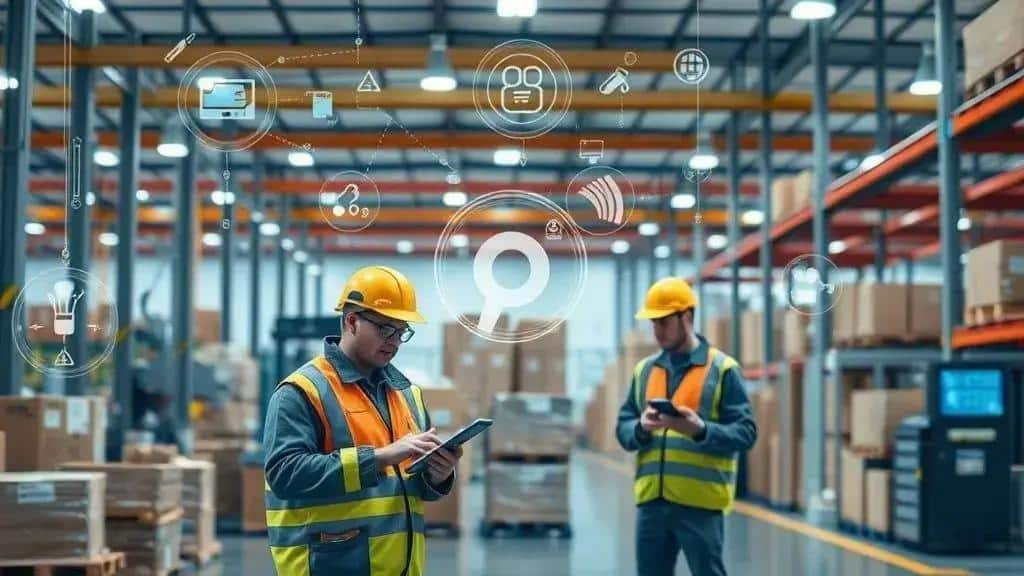
The benefits of IoT sensors in logistics are transforming the industry by enhancing efficiency and traceability. These sensors play a vital role in monitoring shipments as they travel through different phases of the supply chain.
Enhanced Visibility
With IoT sensors, companies gain real-time visibility into their operations. This allows logistics managers to track shipments from origin to destination continuously. By using these insights, they can react swiftly to any issues that arise.
Cost Reduction
One significant advantage of IoT sensors is cost reduction. By keeping track of inventory more effectively, businesses can reduce excess stock and avoid unnecessary expenses. Additionally, timely alerts about potential delays can help companies save on fines and expedite shipping costs.
- Optimized routes: Better planning leads to fuel savings.
- Reduced spoilage: Sensors can monitor conditions for perishable goods.
- Improved maintenance: Predictive analytics can minimize equipment downtime.
Moreover, the data collected can foster better decision-making, making logistics operations smoother. Companies can adjust their strategies based on historical data, forecast demand, and improve customer satisfaction.
Increased Safety
Safety becomes a priority with IoT technology. Sensors can alert teams to hazardous conditions or potential theft. By maintaining security, businesses can protect their investments and ensure safety during transport.
The integration of IoT sensors is increasingly seen as a competitive advantage in logistics. Companies leveraging this technology find themselves ahead of their rivals, capitalizing on efficiency and reliability. As the industry evolves, embracing IoT sensors will be crucial for success.
Real-world applications of smart tracking
Real-world applications of smart tracking through IoT technology showcase how industries are revolutionizing their operations. Businesses are now more capable of monitoring their assets than ever before, which has substantial implications for efficiency.
Supply Chain Management
In supply chain management, smart tracking allows companies to follow products from manufacturer to consumer. This visibility helps ensure everything moves as planned. By using IoT sensors, businesses gather data that aids in identifying bottlenecks.
Cold Chain Logistics
Especially crucial in food and pharmaceutical industries, cold chain logistics utilizes smart tracking to monitor temperature-sensitive products. Sensors provide real-time updates on conditions that affect product safety. This is vital for compliance and customer satisfaction.
- Pharmaceutical shipping: Ensures medications stay at proper temperatures.
- Fresh produce: Maintains quality during transport.
- Automated alerts: Sends warnings if conditions are not met.
Through these systems, businesses can reduce waste and ensure product integrity. This leads to improved trust from customers and lower return rates.
Asset Tracking
Beyond shipments, smart tracking also applies to valuable assets within a company’s infrastructure. For example, construction companies track tools and equipment to prevent loss. This not only saves money but also enhances productivity.
By integrating smart tracking solutions, organizations can create a competitive edge, adapting quickly to market demands. As more sectors embrace this technology, the future of operations looks increasingly data-driven.
Challenges and future of container tracking
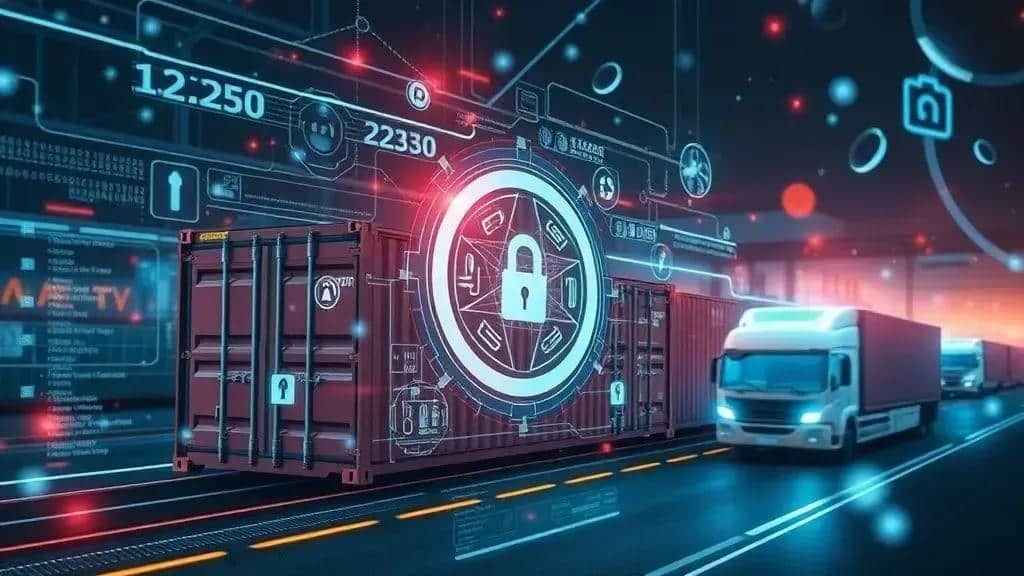
The challenges and future of container tracking are key considerations for companies looking to optimize their logistics. As the industry embraces new technologies, there are hurdles to overcome to fully realize the benefits.
Challenges in Container Tracking
One major challenge is data integration. Many companies use different systems for tracking, which can lead to inconsistencies and errors. When data from multiple sources do not communicate smoothly, it can hinder the visibility companies need.
Cost of Implementation
Another challenge is the cost associated with implementing IoT sensors and smart tracking solutions. While these technologies can save money in the long run, the initial investment can be a barrier for smaller businesses looking to adopt them.
- Training personnel: Employees need to understand how to use new systems effectively.
- Infrastructure adjustments: Existing logistics setups may need modifications.
- Ongoing maintenance: Sensors require regular upkeep to function optimally.
Additionally, cybersecurity is a concern. As more data gets shared across platforms, the risk of breaches increases. Companies must invest in security measures to protect sensitive information from potential threats.
The Future of Container Tracking
Looking ahead, the future of container tracking seems promising. Advances in artificial intelligence will improve predictive analytics, allowing companies to anticipate supply chain disruptions before they occur. There’s also a trend toward using blockchain technology for enhanced transparency and security in tracking shipments.
Integration between various IoT devices will likely become more seamless, allowing different systems to work together effectively. As these technologies mature, logistics operations will become more efficient, resilient, and responsive to customer needs.
FAQ – Frequently Asked Questions about Smart Container Tracking
What are IoT sensors and how do they help in container tracking?
IoT sensors are devices that collect and transmit data about shipments, enabling real-time tracking and monitoring of container conditions.
What are the main benefits of using smart container tracking?
The main benefits include enhanced visibility, reduced costs, increased safety, and improved decision-making in logistics operations.
What challenges do companies face when implementing smart tracking technology?
Companies often face challenges like data integration issues, high upfront costs, and concerns about cybersecurity.
How does the future look for smart container tracking?
The future is promising, with advances in AI and blockchain technology expected to enhance transparency, security, and efficiency in logistics.