Smart city technology for urban efficiency: what to know
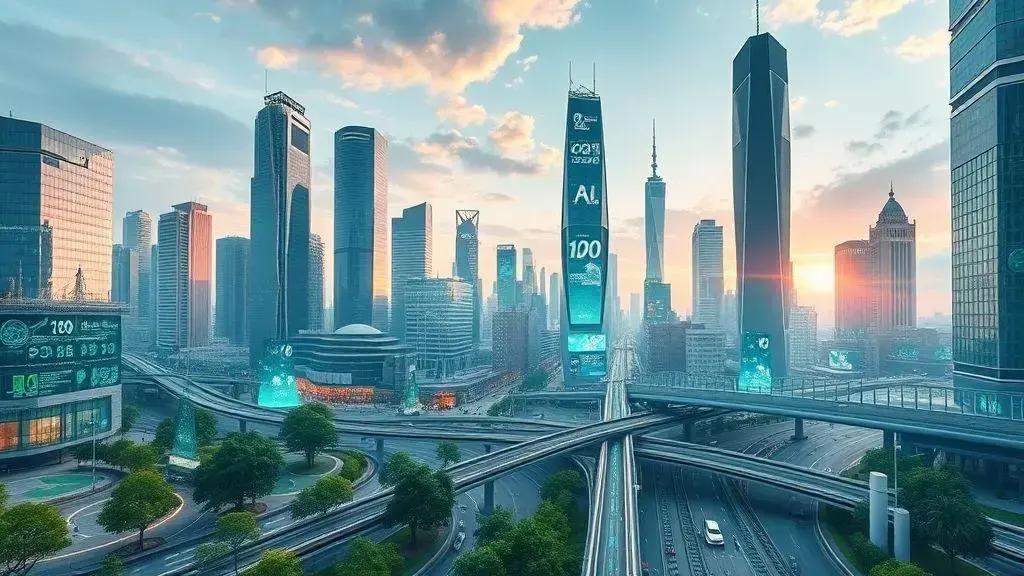
Smart city technology enhances urban efficiency through innovations like AI, IoT, and sustainable practices, driving better resource management, improved mobility, and higher quality of life for residents.
Smart city technology for urban efficiency is transforming the way cities operate and interact with their residents. Ever wondered how these innovations tackle urban challenges and improve daily life? Let’s dive in.
Understanding smart city technology
Understanding smart city technology involves comprehending the systems that integrate digital solutions into urban life. Cities today are embracing various technologies to enhance living conditions, improve efficiency, and promote sustainability. Interesting, right? These advancements are shaping how we engage with our surroundings.
Let’s explore some core components of smart city technology and see how they function cohesively.
Key Components of Smart City Technology
Smart city technology relies on several essential elements to operate effectively:
- IoT Devices: Sensors and interconnected devices collect real-time data.
- Data Analytics: Analyzing this data helps cities make informed decisions.
- Connectivity: Integrated systems ensure seamless communication among various stakeholders.
- Integration: Different applications—like public transport tracking and energy management—work together to enhance service delivery.
Moreover, cities utilize smart infrastructure, which includes smart grids, smart lighting, and smart traffic systems. These technologies not only cut costs but also decrease energy consumption and improve overall urban experiences.
When we examine how cities are becoming “smart”, the importance of data governance surfaces. Data collected from various sensors must be managed adequately to protect citizens’ privacy while maintaining transparency between the government and the public. By ensuring responsible use of this data, technological innovations can provide real benefits.
The Role of Citizen Engagement
An essential part of smart cities is the engagement of residents. By effectively communicating, cities can receive feedback and foster a sense of community. Digital platforms allow residents to share insights and report issues in real-time, leading to prompt responses and better urban management.
Furthermore, educational programs on smart city initiatives can empower citizens to contribute actively to local developments. In turn, this collaboration creates a synergy vital for transforming urban areas into highly efficient and livable spaces.
In conclusion, as we explore smart city technology, it becomes evident that multiple elements work together to create innovative solutions for urban challenges. Through essential components like IoT devices and citizen engagement, cities can significantly improve efficiency and quality of life.
Key benefits for urban efficiency
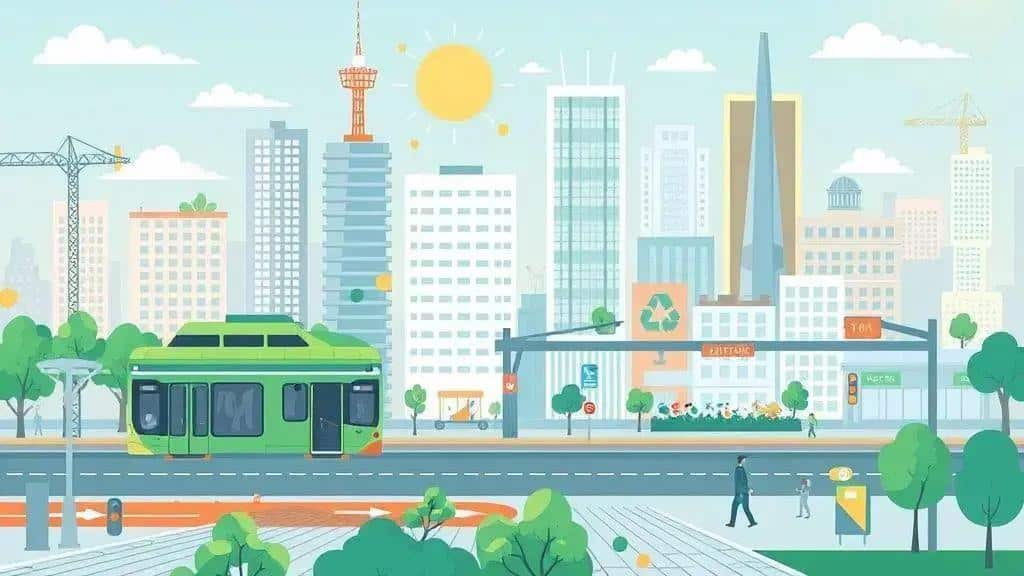
The key benefits for urban efficiency lie in the ability of smart city technology to optimize resource management and enhance quality of life. By using data-driven solutions, cities can address daily challenges more effectively.
One prominent advantage is improved mobility. With smart traffic management systems, cities can reduce congestion and ensure smoother traffic flow. This technology adapts to real-time conditions, allowing for quick adjustments to traffic signals.
Enhancing Public Safety
Another significant benefit is the enhancement of public safety. Cities are implementing surveillance systems and emergency response technologies that facilitate rapid reactions to incidents. They help create safer urban environments through:
- Real-time monitoring of public spaces.
- Quick response to emergencies.
- Better coordination among law enforcement agencies.
- Enhanced surveillance to deter crime.
Sustainability is also crucial for urban efficiency. Smart city technologies promote the use of renewable energy sources and sustainable infrastructure. For example, smart grids track energy use and optimize consumption, while smart water systems manage water supply and conservation effectively.
Boosting Economic Development
With improved services, cities become more attractive to businesses and investors. By creating a reliable infrastructure, cities can foster entrepreneurship and innovation. This leads to more job opportunities, which ultimately contributes to the economic growth of the region.
Moreover, efficient waste management systems help reduce costs and environmental impacts. Smart waste bins equipped with sensors notify collection services when they are full, reducing unnecessary trips and promoting efficient resource allocation.
Through these benefits, urban efficiency transforms cities into smart, responsive, and sustainable environments, enhancing the overall well-being of their residents.
Challenges in implementing smart city solutions
Implementing smart city solutions comes with its own set of challenges. Many cities face hurdles that can slow down progress or complicate the integration of new technologies. Identifying these challenges is crucial to creating effective strategies for overcoming them.
One major issue is funding. Building a smart city requires significant investment in technology, infrastructure, and ongoing maintenance. Many local governments struggle to allocate budgets for these long-term projects. Prioritizing funding can lead to delays and limit the scope of ambitious smart city initiatives.
Resistance to Change
Another challenge that cities encounter is resistance to change from both residents and local government officials. People can be skeptical about new technologies and their impact on daily life. Education and awareness can help in this area, but changing mindsets often takes time. Additionally, city officials may hesitate to adopt new systems due to concerns over job security or the perceived complexity of managing smart technologies.
- The fear of job loss among public sector workers.
- Mistrust in technology and data privacy issues.
- Lack of support from stakeholders.
- Complicated bureaucratic processes.
Data management also presents a significant challenge. Smart city solutions rely heavily on data collection and analysis, which raises concerns about privacy and security. Cities must create robust data governance policies to protect citizens while still utilizing the information to improve services.
Interoperability Issues
Interoperability between different technologies is essential in a smart city. However, many existing systems are outdated or incompatible with newer solutions. This can lead to integration problems that hinder efficiency. Cities must invest in flexible platforms that can accommodate a wide range of technologies.
Moreover, establishing collaborations between various stakeholders adds complexity to the implementation process. Successful smart city initiatives require coordination among government agencies, businesses, and the community. Balancing these diverse interests often leads to conflicts or delays.
Factors like political differences, competing priorities, and varying levels of technological expertise can complicate coordination.
Future trends in urban technology

The future trends in urban technology show a promising shift toward more sustainable and efficient city living. As cities continue to grow, leveraging cutting-edge technologies will be essential for addressing urban challenges. One of the most exciting developments is the increasing use of artificial intelligence (AI) in various systems.
AI can streamline city operations, from traffic management to public safety. Cities are integrating smart algorithms to predict traffic patterns, which helps reduce congestion and improve mobility. This foresight can also lead to more effective public transport solutions, making it easier for residents to get around.
Focus on Sustainability
As climate change remains a pressing concern, cities are prioritizing sustainable technology. Innovations like solar panels, green roofs, and energy-efficient buildings will become standard. Urban areas are exploring renewable energy sources to power their infrastructures, reducing reliance on fossil fuels.
- Solar energy implementations on municipal buildings.
- Smart waste management systems to optimize recycling.
- Water conservation technologies to reduce usage and waste.
- Improved public transportation powered by green energy.
Alongside sustainability, another trend is the rise of the Internet of Things (IoT). From smart streetlights to connected traffic signals, IoT devices collect real-time data to enhance urban life. They allow cities to monitor infrastructure and services effectively, making management proactive rather than reactive.
Citizen-Centric Solutions
Citizen engagement will also play a significant role in future urban technologies. Smart city initiatives are moving toward platforms that involve residents in decision-making processes. By collecting feedback through apps and digital forums, cities can tailor services to meet the community’s needs better.
Moreover, the development of augmented reality (AR) and virtual reality (VR) technologies will provide unique ways for citizens to interact with their urban environments. These technologies can enhance urban planning and development through immersive experiences, allowing residents to visualize future city projects before they are built.
As we look ahead, the intersection of technology and everyday life in urban areas will transform cities into more efficient, sustainable, and livable spaces. Trust in data privacy and collaborative approaches will be vital in shaping these future trends.
FAQ – Frequently Asked Questions about Smart City Technology
What are smart city technologies?
Smart city technologies are systems and solutions that use digital innovations to manage urban areas more efficiently, improving services like transportation, utilities, and public safety.
How do smart cities enhance sustainability?
Smart cities enhance sustainability by utilizing renewable energy, optimizing resource usage, and implementing eco-friendly practices to reduce environmental impact.
What role does data play in smart city solutions?
Data is crucial in smart city solutions as it informs decision-making, improves service delivery, and allows for real-time monitoring of city operations.
How can residents get involved in smart city initiatives?
Residents can get involved in smart city initiatives by providing feedback through digital platforms, participating in community discussions, and engaging with local decision-makers.