Smart city sensors for real time data will transform urban living

Smart city sensors provide real-time data to improve urban management, enhancing transportation, monitoring environmental conditions, and ensuring public safety while facing challenges like high costs and data privacy concerns.
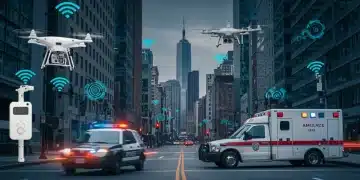
Smart city sensors for real time data are changing how we experience urban life. Imagine walking through a city where traffic flows smoothly and environmental conditions are continuously monitored. Sounds intriguing, right? Let’s explore this technology and its potential.
Understanding smart city sensors
Understanding smart city sensors is crucial for grasping how modern urban environments operate more efficiently. These sensors are integral to smart city infrastructure and play a vital role in gathering real-time data.
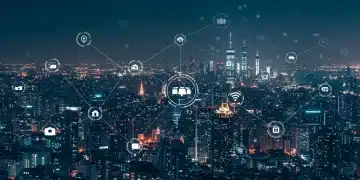
This data helps city planners improve various aspects of urban life, from traffic management to environmental monitoring. With the integration of IoT technology, these sensors provide insights that were previously unattainable.
Types of Smart City Sensors
Different types of sensors are utilized in smart cities, each serving unique purposes. They include:
- Traffic sensors that monitor vehicle flow and optimize traffic lights.
- Environmental sensors that track air quality and noise levels.
- Weather sensors that provide real-time data on atmospheric conditions.
- Smart waste management sensors that indicate when bins need emptying.
These types of sensors collectively create a network that promotes efficient urban management.
How Smart City Sensors Are Implemented
Implementing these sensors involves careful planning and integration with existing infrastructure. City officials often conduct feasibility studies to determine the best locations for the sensors to maximize their impact. Collaboration between technology providers and municipal governments is essential for successful deployment.
Once installed, sensors continuously transmit data to city management systems, allowing for prompt responses to any arising issues. This real-time capability greatly enhances the decision-making processes and improves overall urban living.
Additionally, public engagement with smart city initiatives fosters a sense of community involvement. Residents can access data from these sensors, enhancing transparency and trust in governance.
Ultimately, understanding smart city sensors not only highlights their importance but also emphasizes their role in shaping a sustainable urban future.
Benefits of real time data
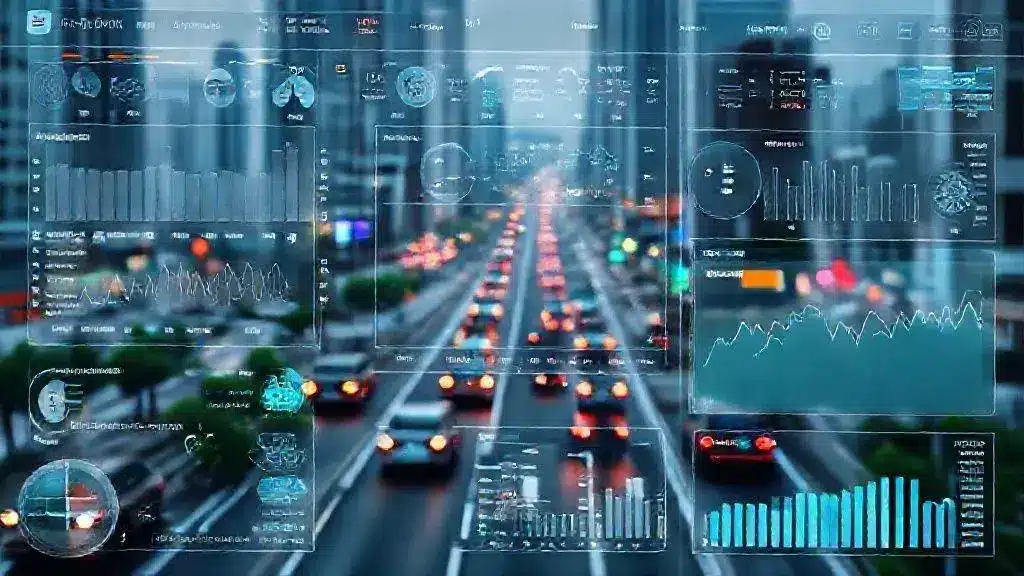
Benefits of real time data in smart cities are immense and transformative. This data allows city officials to make informed decisions, enhancing urban living for residents.
Real time data helps improve public safety, manage resources efficiently, and optimize transportation systems. By leveraging these benefits, cities can foster sustainable growth and improve the overall quality of life.
Enhanced Decision-Making
Having access to data as events happen enables faster and more accurate decision-making. City managers can respond to emergencies more efficiently, addressing challenges such as traffic accidents or severe weather.
Additionally, real time data facilitates better resource allocation. For instance, when public transport systems receive data on passenger loads, they can adjust schedules to meet demand.
- Quick responses to potential emergencies promote safety.
- Resource management becomes more effective through data-driven insights.
- Traffic flow can be optimized with instant reporting from sensors.
- Sustainability initiatives can be monitored in real time, aiding in environmental goals.
Improved Quality of Life
Real time data directly enhances the quality of life for city dwellers. For example, when air quality sensors detect pollution spikes, city officials can issue alerts to the public, advising them to take precautions.
Moreover, real time updates on public transport can lead to reduced wait times, making commuting more convenient. Overall, when residents are informed about their environment, they feel empowered.
In addition, the accessibility of real time data fosters a sense of community engagement. Citizens can participate in discussions about urban planning and safety, leading to better outcomes for everyone.
Real life applications of sensors
Real life applications of sensors in smart cities showcase how technology can enhance urban living. These sensors play a pivotal role in numerous areas, making cities more efficient and responsive to the needs of their residents.
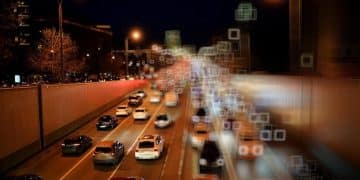
For instance, traffic management systems utilize sensors to monitor vehicle flow in real time. This data helps to adjust traffic signals dynamically, reducing congestion and improving travel times for commuters.
Urban Mobility
Sensors are essential in improving urban mobility. They provide data that helps city planners understand traffic patterns. By analyzing this data, cities can make informed decisions about where to build new roads or bike lanes.
- Real-time traffic updates help drivers find the best routes.
- Public transportation can be optimized based on passenger load data.
- Parking sensors indicate available spaces, reducing time spent searching for parking.
These applications significantly enhance the commuting experience, easing frustration for residents.
Environmental Monitoring
Another important application of sensors is in environmental monitoring. Cities are increasingly concerned about air and noise pollution levels. Sensors that measure air quality can alert officials and the public when pollution reaches harmful levels.
This information is vital for initiating necessary actions, such as issuing health advisories or increasing public transport options during high pollution days. Additionally, sensors can measure temperature and humidity, which helps cities prepare for extreme weather events.
By integrating these sensors, cities can not only respond effectively to immediate environmental challenges but also contribute to long-term sustainability goals.
Challenges in implementing smart sensors
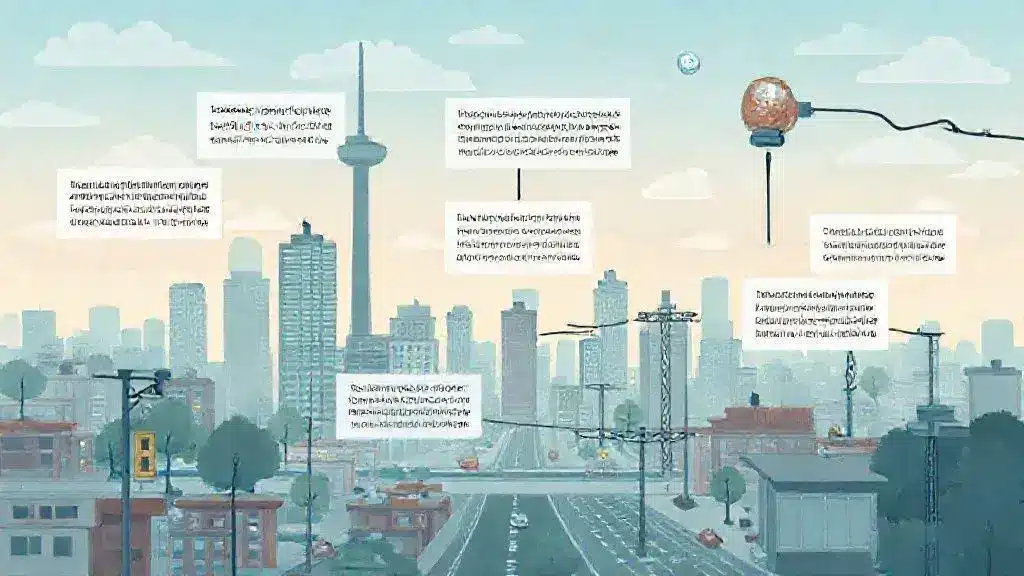
Challenges in implementing smart sensors are significant and can hinder the progress of smart city initiatives. Even though these sensors offer amazing benefits, their deployment comes with various obstacles.
One of the primary challenges is the integration of new technologies into existing urban infrastructure. Cities are often faced with outdated systems that make it difficult to install and operate these advanced sensors effectively.
High Costs
The initial investment required for smart sensors can be substantial. Costs include not only the sensors themselves but also installation and maintenance. Cities with limited budgets may struggle to allocate funds for these expenses, preventing the implementation of these technologies.
- Funding limitations can delay or cancel projects.
- Budget overruns may lead to unexpected financial strain.
- Long-term maintenance can become an ongoing concern.
Without appropriate funding, the potential benefits of smart city sensors may never be fully realized.
Data Privacy and Security
Another significant challenge is ensuring data privacy and security. As more data is collected by sensors, there is an increased risk of breaches or misuse of this information. Residents may have concerns about how their data is used and whether it is secure.
To address these issues, cities must implement robust security measures. This includes encryption, regular audits, and clear policies on data usage.
Trust between residents and city officials is crucial; hence, transparency regarding data handling practices must be prioritized.
In addition, public awareness and education about how data is collected and used will enhance acceptance of smart sensors in urban environments.
In conclusion, the journey toward implementing smart city sensors is filled with both opportunities and challenges. These technologies have the potential to significantly enhance urban living by improving transportation, monitoring the environment, and fostering community engagement. However, cities must navigate obstacles such as high costs and data privacy concerns. By addressing these challenges with innovative solutions and engaging the community, cities can harness the power of smart sensors effectively. The future of urban life is promising with the right steps taken today.
FAQ – Frequently Asked Questions About Smart City Sensors
What are smart city sensors used for?
Smart city sensors are used to monitor various aspects of urban life, including traffic flow, air quality, and public safety, enhancing city management.
How do smart sensors improve urban mobility?
They provide real-time data about traffic patterns, helping to optimize traffic signals, reduce congestion, and improve public transportation schedules.
What challenges do cities face when implementing smart sensors?
Challenges include high initial costs, data privacy concerns, and the need for integration with existing infrastructure.
How can residents benefit from smart city sensor data?
Residents benefit through improved services, such as better traffic management, timely alerts on environmental conditions, and more efficient public services.