Smart City Sensor Networks: 2025 Deployment Strategies for Urban Efficiency

Advanced smart city sensor networks are pivotal for urban environments, with 2025 deployment strategies poised to deliver a 15% increase in urban efficiency through practical, data-driven solutions across various sectors.
As urban populations continue to grow, the demand for more efficient, sustainable, and livable cities becomes increasingly urgent. Smart city sensor networks represent the backbone of this evolution, offering unprecedented opportunities to optimize urban services and infrastructure. By leveraging these advanced systems, cities across the United States are setting ambitious targets for 2025, aiming for significant urban efficiency gains through practical and innovative deployment strategies.
The Foundation of Smart Urbanism: Understanding Sensor Networks
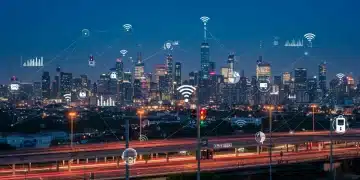
Smart city sensor networks are essentially interconnected systems of devices that collect and transmit data about various aspects of the urban environment. These sensors can range from simple temperature gauges to sophisticated traffic cameras and air quality monitors. The data gathered provides real-time insights, enabling city officials to make informed decisions and implement proactive solutions.
The core concept revolves around creating a digital nervous system for the city. By strategically placing these sensors, cities can gain a comprehensive understanding of their operational dynamics, identifying bottlenecks, inefficiencies, and areas for improvement. This foundational understanding is critical for any successful smart city initiative.
Types of Sensors and Their Applications
The diversity of sensor technology available today allows for a wide array of applications, each contributing to a more efficient urban landscape. Understanding these different types is key to effective deployment.
- Environmental Sensors: Monitor air quality, noise levels, and water purity, helping cities address pollution and improve public health.
- Traffic and Parking Sensors: Detect vehicle movement, density, and available parking spaces, alleviating congestion and optimizing urban mobility.
- Utility Sensors: Track energy consumption, water leakage, and waste levels, leading to significant resource conservation and cost savings.
- Public Safety Sensors: Include surveillance cameras and gunshot detectors, enhancing emergency response times and overall security.
The integration of these diverse sensor types into a cohesive network is what truly unlocks their potential, transforming raw data into actionable intelligence for urban planners and residents alike. This integrated approach ensures a holistic view of city operations.
Strategic Deployment: Planning for 15% Urban Efficiency Gains by 2025
Achieving a 15% urban efficiency gain by 2025 with smart city sensor networks is an ambitious yet attainable goal for American cities. This requires meticulous planning, a phased approach, and a clear understanding of specific urban challenges.
The strategy begins with identifying critical areas where efficiency improvements will have the most significant impact. This often includes transportation, energy management, waste collection, and public safety. By focusing on these high-impact sectors, cities can demonstrate tangible benefits and build momentum for broader adoption.
Key Steps in Deployment Planning
Successful deployment of sensor networks involves several crucial steps, from initial assessment to ongoing maintenance and optimization. Each step must be carefully considered to maximize return on investment and achieve desired outcomes.
- Needs Assessment: Identify specific urban challenges and determine which sensor technologies can best address them.
- Pilot Programs: Implement small-scale deployments to test technology effectiveness and gather initial data before wider rollout.
- Infrastructure Integration: Ensure seamless integration of new sensor systems with existing urban infrastructure and data platforms.
- Data Governance: Establish clear policies for data collection, storage, security, and privacy to build public trust.
By following these steps, cities can create a robust framework for deploying and managing their sensor networks, ensuring they are not just technological marvels but also practical tools for urban improvement.
Optimizing Urban Mobility with Sensor Networks
Urban mobility is a prime candidate for efficiency improvements through smart city sensor networks. Traffic congestion, parking shortages, and inefficient public transportation exact a heavy toll on cities, impacting productivity, air quality, and quality of life. Sensors offer solutions to these persistent problems.
Real-time traffic data, collected by strategically placed sensors, can feed into intelligent transportation systems. These systems can then dynamically adjust traffic light timings, reroute vehicles, and inform commuters of optimal routes, significantly reducing travel times and fuel consumption. This dynamic management transforms how people navigate the city.
Practical Applications in Transportation
The application of sensor technology in urban mobility extends beyond just traffic management, encompassing various aspects of daily transit. These innovations aim to make every journey smoother and more predictable.
- Smart Parking Systems: Sensors in parking spots guide drivers to available spaces, reducing search times and related emissions.
- Public Transit Optimization: Sensors on buses and trains provide real-time location data, allowing for schedule adjustments and more accurate arrival predictions for passengers.
- Pedestrian and Cyclist Safety: Sensors at intersections can detect vulnerable road users and adjust traffic signals, enhancing safety for non-vehicular traffic.
These applications collectively contribute to a more fluid and responsive transportation ecosystem, making urban commuting less stressful and more environmentally friendly. The goal is a truly interconnected and intelligent mobility network.
Enhancing Energy Efficiency and Sustainability
Energy consumption is another critical area where smart city sensor networks can drive substantial efficiency gains. Cities are major consumers of energy, and optimizing resource use is paramount for sustainability and cost reduction. Sensors provide the granular data needed to achieve these goals.
Intelligent street lighting systems, for example, use motion and ambient light sensors to adjust illumination levels, turning lights on only when needed and dimming them during off-peak hours. This simple yet effective approach can lead to significant energy savings, reducing both operational costs and carbon footprint. Such systems represent a visible commitment to green initiatives.

Innovations in Resource Management
Beyond street lighting, sensors are revolutionizing how cities manage their energy, water, and waste resources, leading to more sustainable urban operations. These innovations are fundamental to creating greener cities.
- Smart Grid Integration: Sensors monitor energy demand and supply, enabling utilities to balance the grid more efficiently and integrate renewable energy sources.
- Water Leak Detection: Acoustic and pressure sensors can identify leaks in water pipes, preventing water loss and infrastructure damage.
- Smart Waste Management: Sensors in waste bins indicate fill levels, optimizing collection routes and reducing fuel consumption for sanitation services.
By providing real-time data on resource consumption and infrastructure health, sensor networks empower cities to adopt more sustainable practices and reduce their environmental impact. This proactive management is key to long-term urban resilience.
Public Safety and Emergency Response Advancements
The role of smart city sensor networks in bolstering public safety and enhancing emergency response capabilities cannot be overstated. In an increasingly complex urban environment, timely and accurate information is crucial for protecting citizens and responding effectively to incidents.
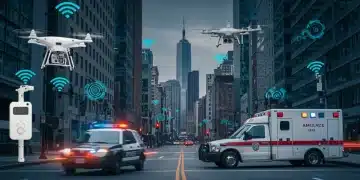
Integrated sensor systems can provide a comprehensive overview of public spaces, enabling rapid detection of anomalies or emergencies. For instance, acoustic sensors can identify gunshots or unusual sounds, automatically alerting law enforcement and pinpointing the exact location of an incident, significantly cutting down response times. This immediate data flow is a game-changer for first responders.
Sensor-Driven Security Solutions
From preventing crime to managing large public gatherings, sensor technology offers a range of tools to make cities safer and more secure for everyone. These solutions are becoming indispensable for modern urban security.
- Intelligent Surveillance: AI-powered cameras can detect suspicious behavior or unattended packages, triggering alerts for security personnel.
- Disaster Preparedness: Environmental sensors can monitor conditions like flood levels or seismic activity, providing early warnings for natural disasters.
- Crowd Management: Sensors can track crowd density and movement in public areas, helping authorities manage large events and prevent overcrowding.
By integrating these safety sensors, cities can create a proactive security posture, enabling faster response to threats and a more secure environment for residents and visitors. This layered approach to safety provides peace of mind.
Addressing Challenges and Ensuring Data Privacy
While the benefits of smart city sensor networks are clear, their deployment is not without challenges. Technical hurdles, funding constraints, and public concerns about data privacy and surveillance must be carefully addressed to ensure successful and ethical implementation.
One significant challenge is the sheer volume of data generated by these networks. Cities need robust data management platforms and analytics capabilities to process this information effectively. Additionally, ensuring interoperability between different sensor systems and platforms is crucial to avoid fragmented data silos. These technical considerations require significant investment and expertise.
Overcoming Obstacles for Broader Adoption
Addressing public trust and securing sensitive data are paramount for the widespread acceptance and effectiveness of smart city initiatives. Transparency and clear communication are vital.
- Cybersecurity Measures: Implement strong encryption and data protection protocols to safeguard sensitive information from cyber threats.
- Privacy by Design: Integrate privacy considerations into the design of sensor systems, including anonymization and aggregation of data where appropriate.
- Public Engagement: Educate citizens about the benefits of smart city technologies and involve them in decision-making processes to build trust and address concerns.
- Sustainable Funding Models: Explore public-private partnerships and grant opportunities to secure long-term funding for sensor network deployment and maintenance.
By proactively tackling these challenges, cities can foster an environment of trust and collaboration, paving the way for more widespread adoption and sustained success of smart city sensor networks. This holistic approach ensures both innovation and responsibility.
| Key Aspect | Brief Description |
|---|---|
| Urban Mobility | Sensors optimize traffic flow, parking, and public transit for reduced congestion and improved travel times. |
| Energy & Sustainability | Smart grids, lighting, and waste management powered by sensors cut consumption and environmental impact. |
| Public Safety | Enhanced surveillance and rapid emergency response through real-time data from integrated sensor networks. |
| Data Management | Addressing challenges like data volume, integration, cybersecurity, and privacy for effective sensor network operation. |
Frequently Asked Questions about Smart City Sensor Networks
A smart city sensor network is an interconnected system of devices that collect and transmit real-time data about various urban parameters, such as traffic, air quality, energy consumption, and public safety. This data helps cities make informed decisions to improve efficiency and livability.
Sensor networks enhance urban efficiency by providing data for optimized traffic management, smart parking, energy-efficient street lighting, waste collection, and faster emergency response. These improvements lead to reduced operational costs, lower environmental impact, and better public services.
Key sensor types include environmental sensors (air, noise, water), traffic and parking sensors, utility sensors (electricity, water, waste), and public safety sensors (cameras, acoustic detectors). Each type contributes unique data for comprehensive urban management.
Challenges include managing vast data volumes, ensuring interoperability between systems, securing data from cyber threats, addressing privacy concerns, and securing sustainable funding. Public engagement and clear data governance policies are crucial for success.
They contribute to sustainability by optimizing energy use in lighting and grids, detecting water leaks to conserve resources, and improving waste collection efficiency. This reduces resource consumption, lowers carbon footprints, and promotes greener urban environments.
Conclusion
The strategic deployment of smart city sensor networks by 2025 holds immense potential for transforming urban landscapes, driving significant efficiency gains, and fostering more livable, sustainable communities. By focusing on practical solutions in mobility, energy, and public safety while proactively addressing challenges like data privacy and cybersecurity, cities can harness the power of these networks to improve the quality of life for their residents. The future of urban development is undeniably intertwined with intelligent, data-driven infrastructure, making sensor networks an indispensable tool for progress.