Smart City Mobility: AI for Sustainable Transport in US Cities
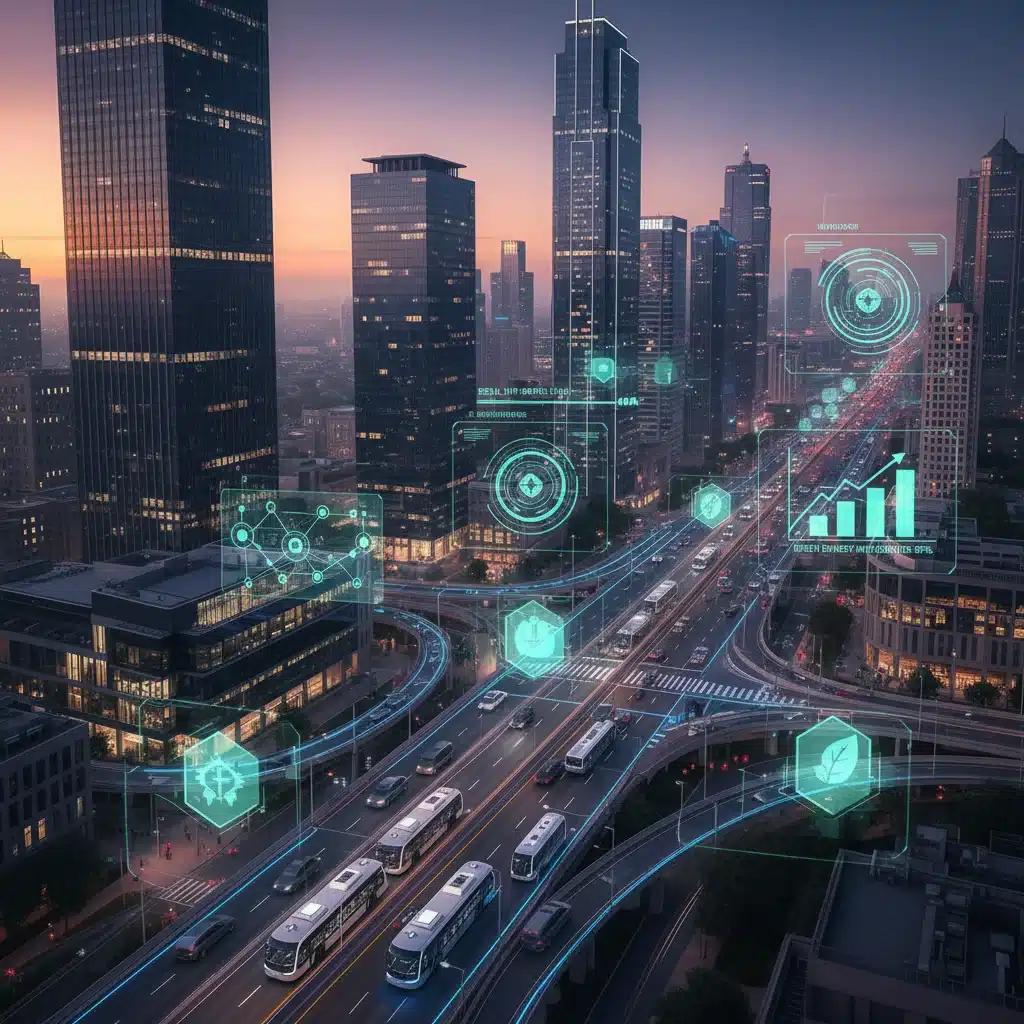
Smart City Mobility: AI for Sustainable Transport in US Cities
The urban landscape of the 21st century is undergoing a profound transformation, driven by an imperative for efficiency, sustainability, and improved quality of life. At the heart of this evolution lies the concept of smart city mobility. As populations burgeon and environmental concerns escalate, cities worldwide, particularly in the United States, are grappling with the complex challenges of traffic congestion, pollution, and inefficient transportation systems. The answer, increasingly, is found in the intelligent integration of artificial intelligence (AI) to revolutionize how we move within our urban environments.
By 2026, the vision for US urban centers is not merely to alleviate traffic woes but to fundamentally reshape urban transport into a seamless, sustainable, and highly optimized network. This ambitious goal hinges on leveraging AI to analyze vast datasets, predict patterns, and make real-time decisions that enhance public transportation routes, reduce congestion, and ultimately foster a greener, more livable city. The promise of an 18% reduction in congestion is not just a statistic; it represents a tangible improvement in daily lives, economic productivity, and environmental health.
The Genesis of Smart City Mobility: Why AI is Indispensable
For decades, urban planners have sought solutions to the perennial problem of traffic congestion. Traditional approaches, such as building more roads or expanding public transit lines, often prove to be costly, time-consuming, and sometimes, ultimately insufficient. The sheer volume of vehicles and the dynamic nature of urban travel demand a more sophisticated, adaptive approach. This is where AI steps in as a game-changer for smart city mobility.
AI’s capacity to process and interpret massive amounts of data from diverse sources – traffic sensors, GPS devices, public transit schedules, weather forecasts, and even social media – allows for an unprecedented level of insight into urban mobility patterns. This data-driven intelligence is the bedrock upon which truly smart transportation systems are built. Without AI, the vision of a seamlessly integrated, responsive, and sustainable urban transport network would remain largely aspirational.
The imperative for sustainable mobility is also driving this AI adoption. Transportation is a significant contributor to greenhouse gas emissions and air pollution. By optimizing routes, encouraging public transit use, and facilitating the adoption of electric and shared mobility options, AI directly supports environmental sustainability goals. The goal of an 18% reduction in congestion in US urban centers by 2026 is not just about faster commutes; it’s about cleaner air, quieter streets, and a healthier urban ecosystem.
AI-Powered Public Transportation: Reshaping Urban Commutes
One of the most impactful applications of AI in smart city mobility is the optimization of public transportation. Historically, public transit routes and schedules have been relatively static, struggling to adapt to fluctuating demand, unexpected disruptions, or evolving urban development. AI changes this entirely.
Dynamic Route Optimization and Scheduling
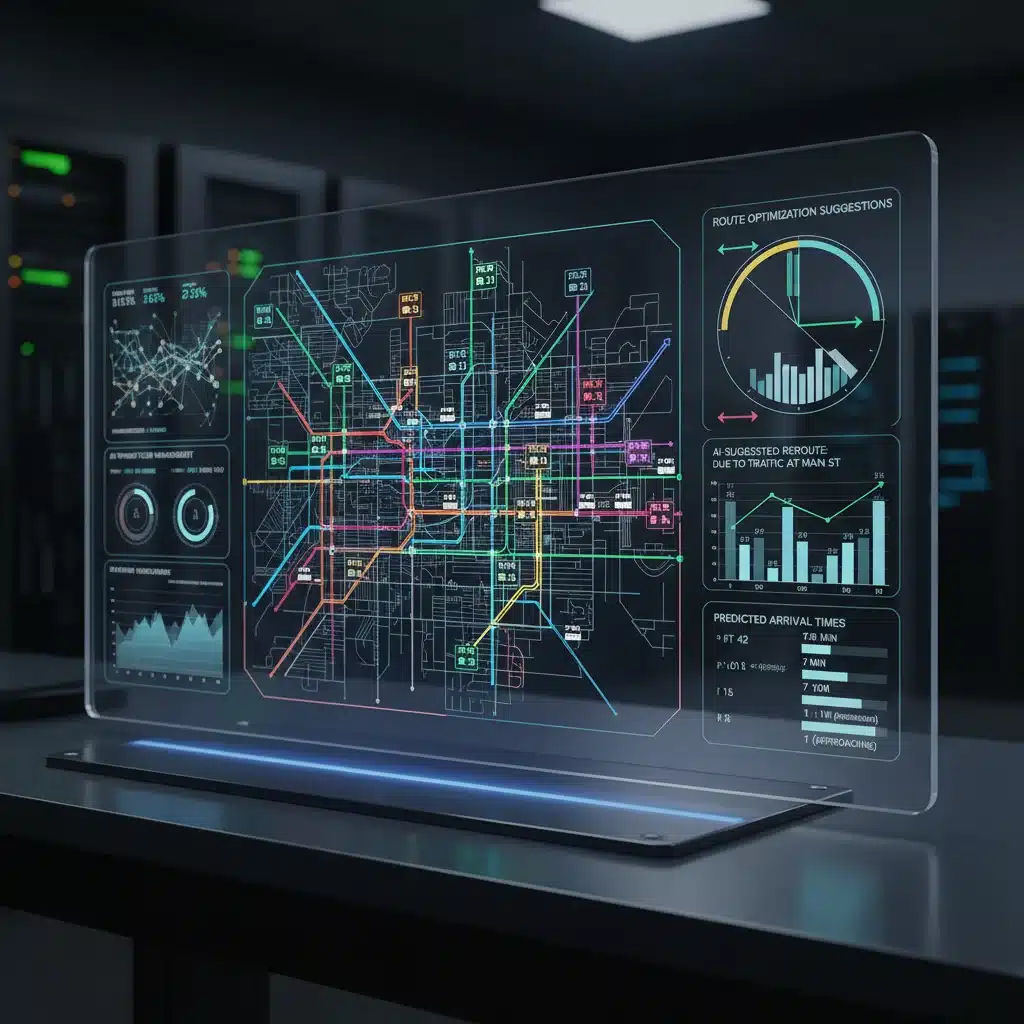
AI algorithms can analyze real-time data on passenger demand, traffic conditions, and vehicle availability to dynamically adjust bus, tram, and subway routes and schedules. This means public transport can become more responsive, deploying resources where and when they are most needed. For instance, during peak hours, AI can identify areas with surging demand and dispatch additional vehicles or modify existing routes to reduce waiting times and overcrowding. Similarly, during off-peak hours, routes can be consolidated to improve efficiency and reduce operational costs.
Predictive Maintenance for Transit Fleets
Beyond routes, AI is revolutionizing the maintenance of public transit fleets. By analyzing sensor data from vehicles, AI can predict potential equipment failures before they occur. This allows for proactive maintenance, significantly reducing unexpected breakdowns, minimizing service disruptions, and extending the lifespan of vehicles. This predictive capability ensures a more reliable and consistent public transportation experience for commuters.
Enhanced Passenger Experience and Information
AI also plays a crucial role in improving the passenger experience. Real-time information on vehicle locations, estimated arrival times, and potential delays, powered by AI, can be delivered directly to commuters via mobile apps and digital displays. This transparency builds trust and allows passengers to make informed decisions about their travel. Furthermore, AI-driven chatbots and virtual assistants can provide instant support and answer passenger queries, making public transit more accessible and user-friendly.
Combating Congestion: AI’s Role in Traffic Management
Traffic congestion is a notorious drain on urban economies, leading to lost productivity, increased fuel consumption, and elevated stress levels. AI offers a multi-faceted approach to tackling this persistent challenge, making it a cornerstone of effective smart city mobility strategies.
Intelligent Traffic Signal Systems
Traditional traffic light systems operate on fixed timers, often exacerbating congestion during fluctuating traffic conditions. AI-powered intelligent traffic signal systems, however, can dynamically adjust signal timings based on real-time traffic flow. Using sensors and cameras, these systems monitor vehicle queues and pedestrian movements, optimizing signal phases to keep traffic moving smoothly. Studies have shown that such systems can reduce delays by 10-25% at intersections, a significant step towards the 18% overall congestion reduction target.
Adaptive Lane Management and Road Network Optimization
Beyond intersections, AI can optimize entire road networks. By analyzing traffic patterns across a city, AI can identify bottlenecks and suggest adaptive lane management strategies, such as reversible lanes during peak hours. Furthermore, AI can predict congestion hotspots before they form, allowing traffic management centers to proactively reroute traffic or issue advisories to drivers, distributing traffic more evenly across the network.
Integration with Navigation and Ride-Sharing Services
The power of AI extends to its integration with popular navigation apps and ride-sharing platforms. By sharing real-time traffic data and predictive insights, cities can encourage drivers to choose less congested routes or opt for shared mobility options. This collaborative approach, facilitated by AI, helps to manage demand and optimize the use of existing road infrastructure.
The Data Ecosystem: Fueling AI for Smart City Mobility
The effectiveness of AI in transforming smart city mobility is directly proportional to the quality and quantity of data it can access and process. Building a robust data ecosystem is therefore paramount.
Sensors and IoT Devices
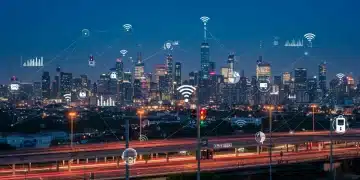
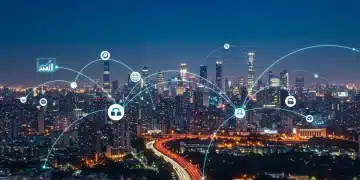
Modern cities are becoming vast networks of sensors and Internet of Things (IoT) devices. These include traffic cameras, inductive loops embedded in roads, GPS trackers on vehicles, public transit fare card data, and environmental sensors monitoring air quality. Each device contributes a piece of the puzzle, feeding continuous streams of information into AI systems.
Big Data Analytics and Machine Learning
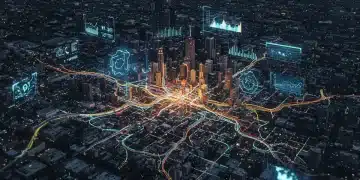
Once collected, this raw data is processed using big data analytics and machine learning algorithms. These algorithms identify correlations, predict future trends, and uncover insights that would be impossible for humans to discern. For example, machine learning models can predict the likelihood of congestion on a particular route at a specific time of day, allowing for proactive interventions. They can also identify patterns in public transit usage that inform optimal service adjustments.
Data Privacy and Security Considerations
While the benefits of data collection are clear, cities must also prioritize data privacy and security. Robust frameworks and technologies are essential to protect sensitive personal information while still harnessing the power of aggregated, anonymized data for public benefit. Transparency in data usage and clear policies are crucial for building public trust in smart city mobility initiatives.
Challenges and Opportunities in US Urban Centers by 2026
Achieving an 18% reduction in congestion and widespread adoption of sustainable mobility by 2026 presents both significant challenges and immense opportunities for US urban centers.
Infrastructure Investment and Technological Integration
Implementing sophisticated AI-powered systems requires substantial investment in new infrastructure, including high-speed communication networks, advanced sensors, and powerful computing resources. Furthermore, integrating these new technologies with existing legacy systems can be complex and requires careful planning and execution. Cities must also invest in training their workforce to manage and maintain these advanced systems.
Interoperability and Standardization
For AI systems to operate effectively across different jurisdictions and modes of transport, there is a need for greater interoperability and standardization of data formats and communication protocols. This ensures that data can flow seamlessly between various city departments, public transit agencies, and private mobility providers, creating a truly integrated smart city mobility ecosystem.
Public Acceptance and Behavioral Change
Technological solutions alone are not enough. Public acceptance and a willingness to embrace new mobility options are critical. Cities need to engage with residents, educate them on the benefits of new systems, and ensure that these solutions are equitable and accessible to all segments of the population. Encouraging the shift from private vehicle ownership to shared, electric, and public transportation requires a concerted effort to change long-standing behavioral patterns.
Case Studies and Future Outlook
Several US cities are already making significant strides in implementing AI for smart city mobility. For example, Pittsburgh’s Surtrac intelligent traffic signal system has demonstrated impressive results in reducing travel times and emissions. Los Angeles is investing heavily in its transportation management center, leveraging AI to manage its vast road network and public transit systems. These early successes provide valuable blueprints for other urban centers.
Looking towards 2026, we can anticipate a future where AI-driven mobility is not just an add-on but an intrinsic part of urban life. Expect to see:
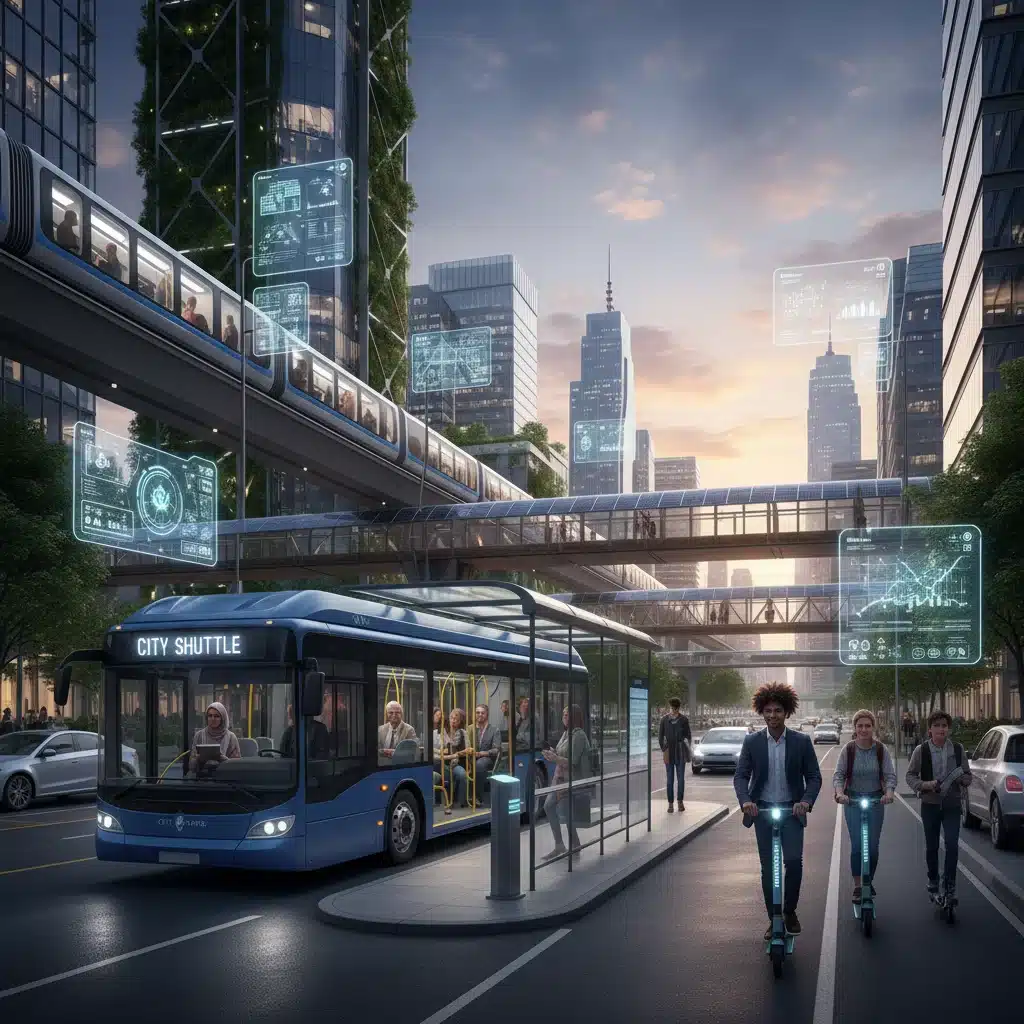
- Autonomous Public Transportation: Self-driving buses and shuttles operating on optimized routes, further enhancing efficiency and safety.
- Personalized Mobility-as-a-Service (MaaS): AI-powered platforms that integrate various transport options (public transit, ride-sharing, bike-sharing, scooters) into a single, seamless service, tailored to individual needs.
- Enhanced Predictive Capabilities: AI systems becoming even more sophisticated, predicting not just traffic but also potential infrastructure failures, adverse weather impacts on transit, and even public health emergencies that affect mobility.
- Hyper-Localized Solutions: AI adapting mobility solutions to the unique characteristics and needs of individual neighborhoods and communities within a larger urban area.
- Integration with Urban Planning: Mobility data and AI insights informing urban development decisions, leading to more pedestrian-friendly areas, better public space utilization, and strategically located transit hubs.
The journey towards full smart city mobility is ongoing, but the trajectory is clear. AI is not just a tool; it is the intelligence that will orchestrate the complex symphony of urban movement, creating cities that are not only more efficient and less congested but also more equitable, environmentally friendly, and ultimately, more enjoyable places to live.
Conclusion: A Smarter, More Sustainable Tomorrow
The integration of AI into urban transportation systems represents a pivotal moment for US cities. The ambitious target of reducing congestion by 18% by 2026 is within reach, provided that cities continue to embrace innovation, invest in the necessary infrastructure, and foster collaboration between public and private sectors. The benefits extend far beyond simply saving time; they encompass improved air quality, reduced carbon emissions, enhanced economic productivity, and a higher quality of life for urban residents.
Smart city mobility, powered by AI, is not just about technology; it’s about reimagining the urban experience. It’s about creating a future where commuting is less of a chore and more of an effortless journey, where public spaces are reclaimed from traffic, and where every journey contributes to a healthier, more sustainable planet. As we move closer to 2026, the promise of AI-driven sustainable transportation shines brightly, paving the way for truly intelligent and livable cities across the United States.