Smart Charging Networks: Optimize US EV Fleet Energy Costs by 18% in 6 Months
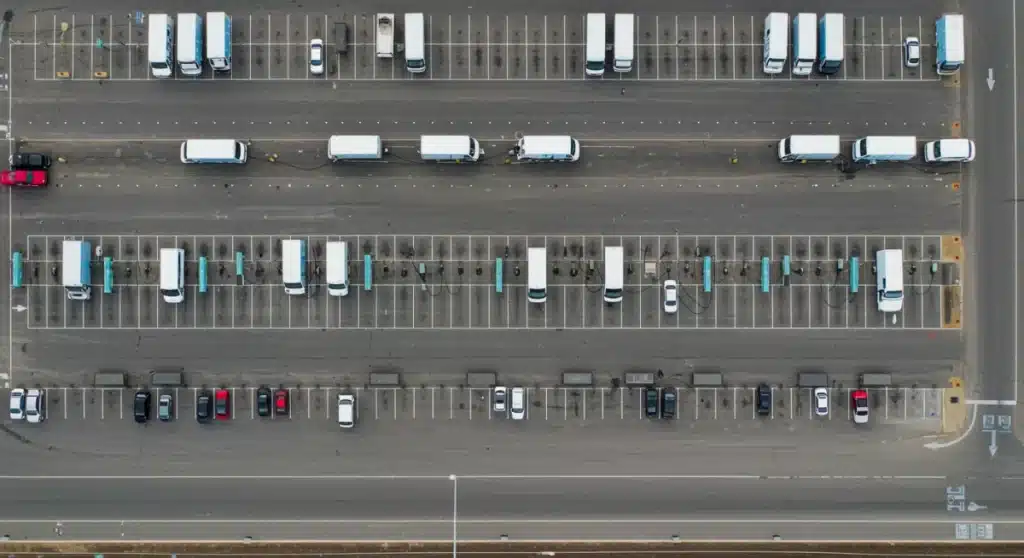
Smart charging networks provide US EV fleets with practical strategies to significantly reduce energy costs, potentially by 18% within six months, by intelligently managing charging schedules and energy consumption.
For US EV fleets, the promise of optimizing energy costs is no longer a distant dream, but an achievable reality, especially with the strategic implementation of smart charging networks. This article delves into practical, actionable solutions designed to help fleet managers significantly reduce operational expenses, targeting an impressive 18% cost reduction within the next six months.
Understanding Smart Charging Networks for EV Fleets
Smart charging networks represent a sophisticated approach to managing electric vehicle charging, moving beyond simple plug-and-charge. They integrate digital communication between EVs, charging stations, and the utility grid, enabling intelligent control over when and how vehicles charge. This interconnected system is crucial for large-scale EV fleet operations, offering unprecedented control over energy consumption.
The core benefit of these networks lies in their ability to respond dynamically to various factors, including electricity prices, grid demand, and vehicle operational schedules. By doing so, they ensure that vehicles are charged optimally, minimizing costs and maximizing efficiency without compromising fleet readiness. This intelligent management is fundamental to unlocking significant savings for US EV fleets.
Key Components of a Smart Charging System
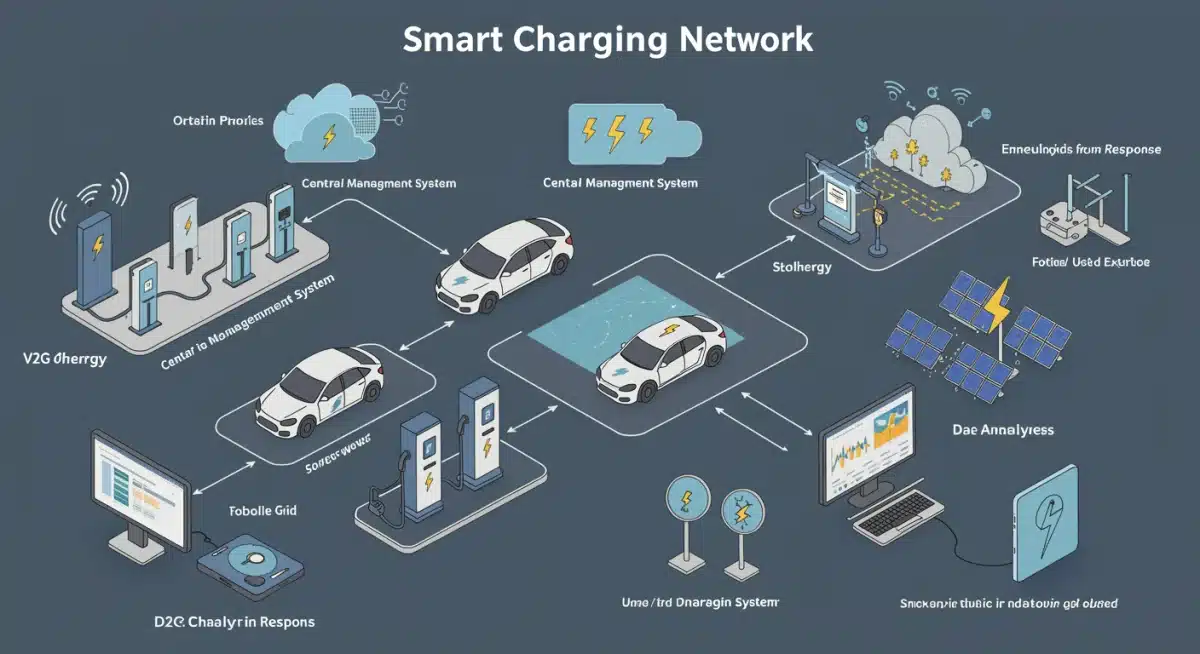
A robust smart charging network comprises several interdependent elements, each playing a vital role in its overall functionality and cost-saving potential. Understanding these components is the first step towards successful implementation and optimization.
- Centralized Management Software: This is the brain of the operation, coordinating all charging activities, analyzing data, and executing charging strategies based on predefined parameters and real-time conditions.
- Intelligent Charging Stations (EVSE): These stations are equipped with communication capabilities, allowing them to receive instructions from the management software and report charging status.
- Data Analytics and Reporting: Continuous data collection and analysis provide insights into energy consumption patterns, cost savings, and potential areas for further optimization.
- Grid Integration Modules: These modules facilitate communication with the utility grid, enabling participation in demand response programs and leveraging dynamic pricing.
In essence, smart charging networks transform the fragmented process of vehicle charging into a cohesive, data-driven operation. This integration allows fleet managers to make informed decisions that directly impact their bottom line, fostering both economic and environmental sustainability.
Leveraging Dynamic Energy Pricing and Time-of-Use Rates
One of the most impactful strategies for reducing EV fleet energy costs involves intelligently navigating dynamic energy pricing and time-of-use (TOU) rates. Utilities across the US often implement these pricing structures to encourage off-peak electricity consumption, which can be a significant advantage for EV fleets.
By scheduling charging during periods of lower demand, typically overnight or during specific off-peak hours, fleets can drastically reduce their electricity bills. Smart charging networks automate this process, ensuring vehicles are charged when energy is cheapest, without requiring manual intervention from fleet personnel.
Implementing Off-Peak Charging Strategies
Successful implementation of off-peak charging requires a deep understanding of your fleet’s operational needs and the specific TOU rates offered by your utility provider. The goal is to align charging schedules with the lowest cost periods, while still ensuring vehicles are ready for their next shifts.
This often involves a shift in operational planning, where vehicles return to the depot and are immediately plugged in, allowing the smart charging system to manage the actual charging initiation. The system can prioritize vehicles based on their next scheduled use, ensuring critical vehicles are always fully charged.
Fleet managers should also explore demand response programs offered by their local utilities. These programs often provide financial incentives for reducing electricity consumption during peak demand events. Smart charging networks can automatically participate in these programs, temporarily pausing charging to earn credits or payments, further reducing overall energy expenditure. This proactive approach to energy management yields substantial financial benefits for the fleet.
Vehicle-to-Grid (V2G) Technology: A Revenue Stream
Vehicle-to-Grid (V2G) technology represents a groundbreaking opportunity for EV fleets, transforming electric vehicles from mere energy consumers into active participants in grid stability and potential revenue generators. V2G allows bidirectional energy flow, meaning EVs can not only draw power from the grid but also send stored energy back when needed.
This innovative capability opens up new avenues for cost optimization and revenue generation. Fleets can strategically discharge power during peak demand periods when electricity prices are highest, earning credits or direct payments from utility providers. This turns parked vehicles into valuable assets, contributing to grid resilience while simultaneously benefiting the fleet’s bottom line.
How V2G Enhances Fleet Economics
Integrating V2G technology into a smart charging network requires specialized charging infrastructure and sophisticated management software. However, the investment can yield significant returns by creating a new revenue stream and further reducing net energy costs. Fleets can monetize their battery storage capacity, effectively selling excess energy back to the grid.
- Peak Shaving: V2G can help fleets avoid high demand charges by discharging power during peak consumption times, reducing the overall load drawn from the grid.
- Ancillary Services: Fleets can provide ancillary services to the grid, such as frequency regulation, earning compensation for helping maintain grid stability.
- Energy Arbitrage: By charging when electricity prices are low and discharging when prices are high, fleets can engage in energy arbitrage, profiting from price differentials.
The strategic deployment of V2G technology positions EV fleets at the forefront of energy innovation, allowing them to play a vital role in the evolving energy landscape while securing substantial economic advantages. This dual benefit of cost reduction and revenue generation makes V2G a compelling solution for forward-thinking fleet operators.
Load Balancing and Demand Management
Effective load balancing and demand management are critical for preventing costly peak demand charges and ensuring the efficient operation of a large EV fleet charging infrastructure. Without intelligent management, simultaneous charging of multiple vehicles can create significant spikes in electricity demand, leading to exorbitant utility bills.
Smart charging networks address this challenge by distributing the charging load intelligently across the entire fleet. They prioritize vehicles based on their departure times and battery state of charge, ensuring all vehicles are ready when needed while carefully managing the total power drawn from the grid at any given moment.
Strategies for Optimized Load Management
Implementing sophisticated load balancing algorithms is key to achieving significant cost savings. These algorithms consider various factors to optimize charging schedules and power distribution.
- Real-time Monitoring: Continuous monitoring of energy consumption across the entire charging depot allows the system to make immediate adjustments to prevent exceeding demand thresholds.
- Prioritized Charging: Vehicles with earlier dispatch times or lower battery levels can be given priority, ensuring operational readiness without overstraining grid capacity.
- Staggered Charging: Instead of charging all vehicles simultaneously, the system can stagger charging times, spreading the load over a longer period and reducing peak demand.
By proactively managing the charging load, fleets can avoid costly penalties associated with high peak demand. This not only results in direct cost savings but also contributes to a more stable and efficient local grid, fostering a mutually beneficial relationship between the fleet and its energy provider.
Integrating Renewable Energy Sources
The integration of renewable energy sources, such as solar or wind power, into a smart charging network offers an additional layer of cost optimization and sustainability for US EV fleets. By generating a portion of their own electricity, fleets can reduce their reliance on grid power, especially during expensive peak hours.
When combined with smart charging capabilities, renewable energy integration becomes even more powerful. The system can intelligently prioritize charging with self-generated renewable energy whenever it’s available, further lowering operational costs and reducing the fleet’s carbon footprint.
Benefits of On-Site Renewable Generation
On-site renewable energy generation provides multiple advantages beyond simple cost reduction. It enhances energy independence and resilience, making the fleet less susceptible to grid outages or fluctuating electricity prices. Furthermore, it significantly boosts the fleet’s environmental credentials.
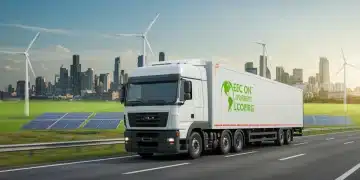
For example, a fleet depot equipped with solar panels can charge its vehicles using clean energy during daylight hours. A smart charging system can then manage any remaining charging needs during off-peak grid hours, creating a highly efficient and sustainable energy ecosystem. This hybrid approach maximizes both economic and environmental benefits, aligning with modern corporate sustainability goals.
Data Analytics and Continuous Optimization
The true power of smart charging networks lies in their ability to collect, analyze, and act upon vast amounts of data. Continuous data analytics provide fleet managers with invaluable insights into their energy consumption patterns, charging behavior, and the effectiveness of their cost-saving strategies.
This data-driven approach enables ongoing optimization. By regularly reviewing performance metrics, identifying inefficiencies, and adjusting charging parameters, fleets can fine-tune their operations to achieve even greater cost reductions over time. The goal is a feedback loop where data informs decisions, leading to continuous improvement.
Key Metrics for Performance Evaluation
To effectively optimize a smart charging network, fleet managers should focus on several key performance indicators. These metrics provide a clear picture of energy usage, cost efficiency, and overall system effectiveness.
- Energy Consumption per Vehicle: Tracking this helps identify vehicles or routes that are more energy-intensive, allowing for route optimization or driver training.
- Peak Demand Charges: Monitoring these charges directly quantifies the effectiveness of load balancing strategies.
- Cost per Mile/kWh: This fundamental metric reveals the true operational cost of electricity for the fleet.
- Uptime and Reliability: Ensuring the charging infrastructure is consistently operational is crucial for fleet readiness and avoiding costly delays.
By diligently tracking and analyzing these metrics, fleet managers can make informed decisions, adjust their smart charging strategies as needed, and ensure they are consistently achieving the targeted 18% energy cost optimization, or even surpassing it. This commitment to data-driven decision-making is paramount for long-term success in EV fleet management.
| Key Strategy | Benefit for EV Fleets |
|---|---|
| Dynamic Pricing & TOU | Automates charging during low-cost periods, significantly reducing electricity bills. |
| Vehicle-to-Grid (V2G) | Generates revenue by selling stored energy back to the grid during peak demand. |
| Load Balancing | Prevents expensive peak demand charges by distributing charging load intelligently. |
| Renewable Integration | Reduces reliance on grid power and lowers carbon footprint with on-site generation. |
Frequently Asked Questions About Smart Charging Networks
Smart charging networks are integrated systems that manage EV charging intelligently. They use software to communicate with vehicles, chargers, and the grid, optimizing charging times based on electricity prices, grid demand, and fleet operational needs to reduce costs and enhance efficiency.
Achieving 18% cost reduction is possible by leveraging dynamic pricing, scheduling charging during off-peak hours, implementing load balancing to avoid peak demand charges, and potentially integrating V2G technology for revenue generation. Consistent data analysis helps fine-tune these strategies for maximum savings.
V2G technology offers significant benefits, but suitability depends on fleet size, vehicle battery capacity, and local utility regulations. It requires specific bidirectional charging infrastructure. Fleets should assess their operational profile and consult with energy experts to determine if V2G integration is economically viable for their specific context.
Initial steps include assessing your current fleet’s energy consumption, understanding your utility’s pricing structures, identifying suitable smart charging solution providers, and planning for necessary infrastructure upgrades. A pilot program with a portion of the fleet can be a good starting point to evaluate effectiveness.
Data analytics provides continuous insights into charging patterns, energy usage, and cost drivers. By analyzing this data, fleet managers can identify inefficiencies, adjust charging algorithms, optimize operational schedules, and refine strategies to achieve sustained and even greater cost reductions over time, ensuring continuous improvement.
Conclusion
The journey towards optimizing energy costs for US EV fleets is undeniably complex, yet the potential for significant savings, particularly the targeted 18% reduction, is well within reach through the strategic adoption of smart charging networks. By embracing dynamic pricing, integrating innovative technologies like V2G, meticulously managing charging loads, and leveraging comprehensive data analytics, fleet operators can transform their energy consumption into a competitive advantage. These practical solutions not only ensure operational efficiency and reliability but also pave the way for a more sustainable and economically viable future for electric transportation across the United States.