Renewable Diesel for Commercial Vehicles: Future Efficiency & Emissions
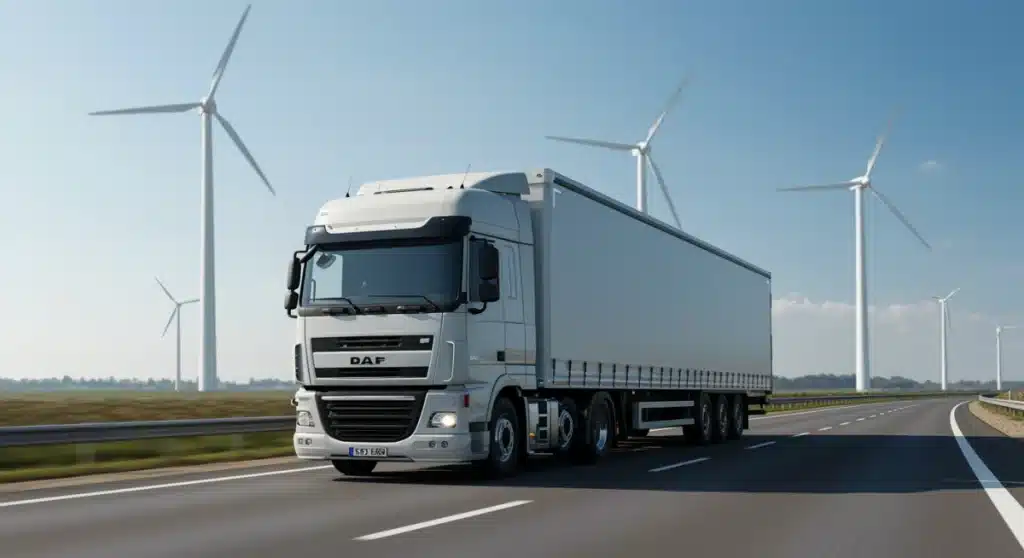
Renewable diesel is poised to be a pivotal solution for commercial vehicles by 2025, offering substantial emission reductions and efficiency comparable to conventional diesel, making it a viable sustainable fuel option.
Is renewable diesel the future? This question is increasingly relevant as commercial vehicle operators seek sustainable solutions for their fleets. With growing environmental concerns and stricter regulations, the transportation sector is under immense pressure to reduce its carbon footprint. Renewable diesel emerges as a strong contender, promising significant emission reductions and operational efficiency comparable to traditional fossil fuels. By 2025, its adoption could redefine the landscape of commercial transport.
Understanding Renewable Diesel and Its Production
Renewable diesel, often confused with biodiesel, is a distinct and highly promising biofuel. It’s chemically identical to petroleum diesel, meaning it can be used as a direct drop-in replacement in existing diesel engines without modifications. This compatibility is a major advantage for commercial fleets looking to transition to more sustainable operations without costly infrastructure overhauls.
The production process for renewable diesel involves hydrotreating various feedstocks, which chemically alters them to produce a fuel indistinguishable from fossil diesel. This process removes oxygen, nitrogen, and sulfur, resulting in a cleaner-burning fuel.
Key Feedstocks for Renewable Diesel
- Used Cooking Oil: A widely available and effective feedstock, diverting waste from landfills.
- Animal Fats: Another waste-based source, offering a sustainable pathway for fuel production.
- Non-Food Grade Vegetable Oils: Oils like camelina and jatropha that do not compete with food crops.
- Algae: An emerging feedstock with high potential for future scalability and efficiency.
The distinction from biodiesel is crucial. Biodiesel is an ester, produced through transesterification, and typically requires blending with petroleum diesel or engine modifications. Renewable diesel, however, is a hydrocarbon, offering superior cold-weather performance and storage stability, making it ideal for the demanding conditions of commercial transportation. The refining process ensures a high-quality fuel that meets stringent specifications, paving the way for its broader acceptance and integration into the commercial vehicle sector.
Efficiency Comparison: Renewable Diesel vs. Traditional Diesel
One of the primary concerns for commercial fleet managers considering a switch to alternative fuels is efficiency. Any reduction in fuel economy or power output can significantly impact operational costs and delivery schedules. Fortunately, renewable diesel stands out in this regard, offering performance characteristics that closely mirror, and in some cases even surpass, those of traditional petroleum diesel.
Because renewable diesel is chemically identical to fossil diesel, it has a similar energy density. This means that a gallon of renewable diesel contains roughly the same amount of energy as a gallon of traditional diesel, leading to comparable fuel economy. Fleet operators can expect consistent mileage and power output from their vehicles, ensuring that their logistical operations remain uninterrupted and cost-effective. This ‘drop-in’ capability minimizes the financial risk associated with adopting new fuel types.
Performance Metrics for Commercial Vehicles
- Energy Content: Renewable diesel typically has a higher cetane number, leading to more complete combustion.
- Fuel Economy: Vehicles often achieve similar or slightly improved miles per gallon compared to fossil diesel.
- Power and Torque: No noticeable reduction in engine power or torque, crucial for heavy-duty applications.
- Cold Flow Properties: Superior performance in cold weather compared to biodiesel, reducing operational issues.
The high cetane number of renewable diesel contributes to a more efficient and cleaner burn, potentially extending engine life and reducing maintenance intervals. This improved combustion also plays a role in the significant emission reductions discussed in the next section. For commercial fleets, maintaining efficiency is paramount, and renewable diesel provides a compelling argument for adoption by delivering performance without compromise.
Emission Reductions: A Key Advantage for 2025
The most compelling argument for the widespread adoption of renewable diesel in commercial vehicles by 2025 lies in its dramatic potential for emission reductions. As regulatory bodies tighten environmental standards and corporate sustainability goals become more ambitious, fuels that can deliver substantial cuts in greenhouse gas (GHG) and tailpipe emissions are highly sought after. Renewable diesel offers a significant advantage over traditional diesel in this critical area.
Life-cycle analyses consistently show that renewable diesel can reduce GHG emissions by 50% to 80% compared to petroleum diesel. This impressive reduction is achieved by considering emissions from feedstock cultivation, production, transportation, and combustion. The carbon absorbed by the plants used as feedstock helps offset the carbon released during combustion, creating a much smaller net carbon footprint.
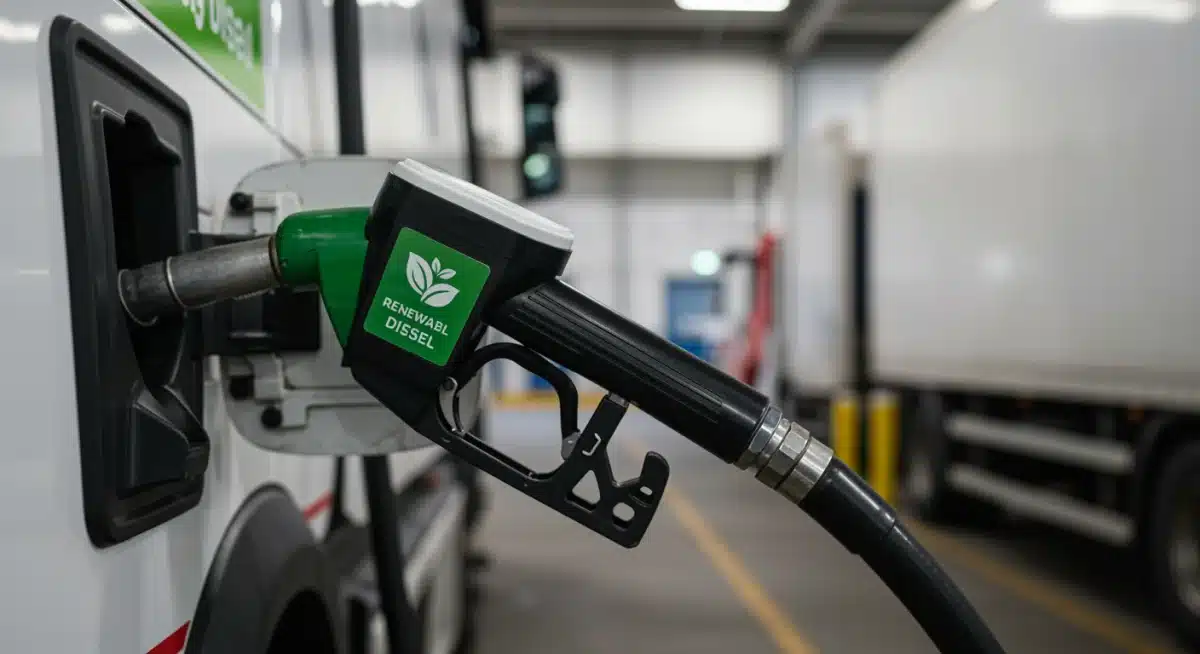

Impact on Harmful Emissions
- Particulate Matter (PM): Up to 40% reduction, improving air quality, especially in urban areas.
- Hydrocarbons (HC): Significant reductions, contributing to cleaner exhaust.
- Carbon Monoxide (CO): Decreased levels, another benefit for local air quality.
- Nitrogen Oxides (NOx): While not always reduced directly, the cleaner burn can lead to lower overall NOx formation in some engine types.
Beyond GHG reductions, renewable diesel also significantly lowers tailpipe emissions of harmful pollutants such as particulate matter, unburned hydrocarbons, and carbon monoxide. These reductions have immediate benefits for public health, particularly in communities near busy transportation corridors. For commercial operators, meeting future emission standards becomes much more achievable with renewable diesel, providing a clear path to compliance and enhanced corporate social responsibility.
Infrastructure and Supply Chain Readiness for Renewable Diesel
The practical implementation of any new fuel source hinges heavily on the existing infrastructure and the robustness of its supply chain. For renewable diesel, its ‘drop-in’ nature provides a significant head start, as it can utilize much of the current petroleum diesel infrastructure. This minimizes the need for extensive new investments in pipelines, storage tanks, and dispensing equipment, making the transition smoother and more cost-effective for commercial fleets.
However, scaling up production to meet the growing demand for renewable diesel requires careful planning and investment. Current production capacity, while growing, is still limited compared to traditional diesel. Expanding feedstock availability and building new hydrotreating facilities are crucial steps to ensure a reliable and ample supply for commercial vehicles by 2025 and beyond. Government incentives and corporate commitments are playing a vital role in stimulating this growth.
Challenges and Opportunities in Supply Chain
- Feedstock Availability: Ensuring sustainable and scalable sources without competing with food production.
- Production Capacity: Increasing refinery output to meet rising demand.
- Logistics and Distribution: Optimizing transport from production sites to fueling stations.
- Policy Support: Government mandates and tax credits are essential for market growth.
The existing distribution network for petroleum diesel can largely accommodate renewable diesel, simplifying logistics for fleet operators. Fuel terminals, pipelines, and even existing retail fueling stations can handle renewable diesel without significant modifications. This seamless integration capability positions renewable diesel as a highly practical solution for decarbonizing the commercial transportation sector, overcoming many of the infrastructure hurdles faced by other alternative fuels like hydrogen or electricity.
Economic Implications and Incentives for Adoption
The economic viability of renewable diesel is a critical factor for its widespread adoption in commercial fleets. While the initial production costs can be higher than traditional diesel, various economic incentives and the long-term benefits often offset these differences, making it an attractive option for operators by 2025.
Government policies, particularly at the state and federal levels in the United States, play a crucial role in balancing the economics. Programs like the Low Carbon Fuel Standard (LCFS) in California and other states, as well as federal tax credits, provide significant financial benefits for producers and users of renewable diesel. These incentives help bridge the price gap with conventional diesel, making renewable diesel competitive and sometimes even more cost-effective for fleets.
Financial Benefits and Support Mechanisms
- Government Incentives: Federal tax credits and state-level LCFS programs reduce overall costs.
- Carbon Credits: Opportunities to generate and sell carbon credits, providing additional revenue streams.
- Reduced Maintenance: Cleaner-burning fuel can lead to lower engine wear and fewer maintenance issues.
- Brand Reputation: Enhanced corporate image and customer loyalty from demonstrating environmental responsibility.
Beyond direct financial incentives, the adoption of renewable diesel can also lead to indirect economic benefits. Companies that demonstrate a commitment to sustainability often see improved brand perception, which can attract environmentally conscious customers and talent. Furthermore, anticipating future carbon pricing or stricter emission regulations, early adopters of renewable diesel may find themselves better positioned to comply and avoid potential penalties, securing a competitive advantage in the evolving market.
Future Outlook and Challenges for Renewable Diesel in 2025
Looking towards 2025 and beyond, renewable diesel is poised for significant growth and increased integration into the commercial transportation sector. Its unique blend of high efficiency, substantial emission reductions, and compatibility with existing infrastructure makes it a leading contender in the race for sustainable fuels. However, its future is not without its challenges, which must be addressed for its full potential to be realized.
One of the primary challenges remains feedstock availability. While current sources like used cooking oil and animal fats are effective, scaling up production globally will require diversifying feedstocks to include advanced options such as agricultural residues, forestry waste, and potentially purpose-grown energy crops without impacting food security. Research and development in these areas are critical to ensure a sustainable and abundant supply.
Key Future Challenges and Opportunities
- Feedstock Diversification: Expanding sustainable sources beyond current limits.
- Technological Advancements: Improving production efficiency and exploring new conversion pathways.
- Policy Consistency: Ensuring stable and long-term government support to encourage investment.
- Global Adoption: Overcoming regional differences in regulations and economic incentives.
Another crucial aspect is the continued evolution of policy and regulatory frameworks. Consistent and predictable government incentives are necessary to de-risk investments in renewable diesel production and infrastructure. Furthermore, as the market matures, there will be a need for international collaboration to standardize fuel specifications and facilitate cross-border trade. Despite these hurdles, the trajectory for renewable diesel is overwhelmingly positive, positioning it as a cornerstone of sustainable commercial transport for the foreseeable future.
| Key Aspect | Brief Description |
|---|---|
| Drop-in Compatibility | Direct replacement for traditional diesel, requires no engine modifications. |
| Emission Reductions | Reduces GHG emissions by 50-80% and significant tailpipe pollutants. |
| Operational Efficiency | Offers comparable fuel economy and power to conventional diesel. |
| Economic Incentives | Government policies and carbon credits support its market competitiveness. |
Frequently Asked Questions About Renewable Diesel
Renewable diesel is chemically identical to petroleum diesel, produced through hydrotreating, making it a direct ‘drop-in’ fuel. Biodiesel is an ester, made via transesterification, and typically requires blending or engine modifications due to its different chemical properties and cold-weather performance.
Yes, one of the significant advantages of renewable diesel is its ‘drop-in’ capability. It is chemically identical to fossil diesel, allowing commercial vehicles to use it directly without any engine modifications, special infrastructure, or warranty concerns, simplifying fleet transitions.
Renewable diesel can reduce life-cycle greenhouse gas emissions by 50% to 80% compared to traditional petroleum diesel. This substantial reduction is a key driver for its adoption, helping commercial fleets meet ambitious sustainability targets and comply with environmental regulations.
Key challenges include ensuring a sufficient and diverse supply of sustainable feedstocks, scaling up production capacity to meet demand, and maintaining consistent policy support and economic incentives. Overcoming these will be crucial for widespread integration into commercial fleets.
No, renewable diesel typically offers comparable or even slightly improved performance and fuel economy compared to traditional diesel. Its similar energy density and higher cetane number ensure consistent power, torque, and mileage, making it a reliable choice for commercial operations.
Conclusion
The journey towards sustainable transportation is complex, but renewable diesel presents a clear and viable pathway for commercial vehicles. Its inherent compatibility with existing infrastructure, combined with significant emission reductions and comparable operational efficiency, positions it as a frontrunner in the quest for cleaner fleets by 2025. While challenges remain in feedstock availability and scaling production, ongoing innovation and supportive policies are paving the way for renewable diesel to become a cornerstone of the future of logistics. For commercial operators, embracing renewable diesel is not just an environmental choice, but a strategic move towards a more resilient and responsible future.