Real-time supply chain visibility: why it matters
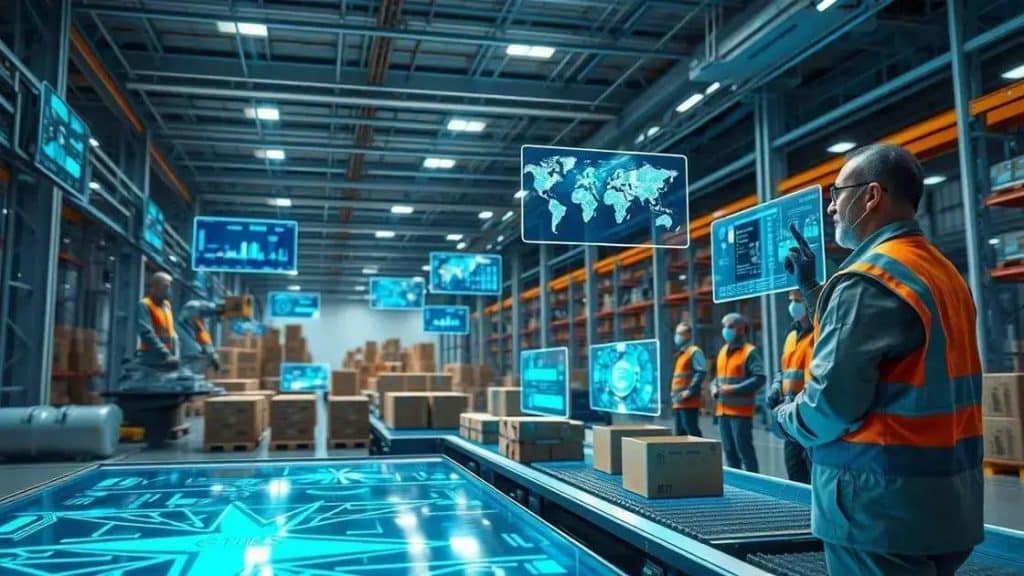
Real-time supply chain visibility enables businesses to track products and manage inventory efficiently, enhancing operational effectiveness and customer satisfaction by providing immediate updates and insights throughout the supply chain.
Real-time supply chain visibility is essential for any business looking to thrive in today’s competitive landscape. It allows companies to track their products at every stage, ensuring efficiency and responsiveness. Have you ever wondered how this can impact your operations?
Understanding real-time supply chain visibility
Understanding real-time supply chain visibility is crucial for businesses aiming to enhance their operational efficiency. It provides insight into every step of the supply chain, allowing companies to respond quickly to changes.
To grasp this concept, think about how real-time data transforms logistics. In the past, delays often went unnoticed until it was too late. Now, with the right tools, businesses can monitor their supply chains and anticipate problems before they escalate.
Key Components of Real-time Supply Chain Visibility
There are several components that contribute to effective visibility in the supply chain:
- Data Collection: Gathering information from all points in the supply chain helps in making informed decisions.
- Tracking Technology: Using GPS and RFID allows businesses to keep tabs on their products throughout the transit process.
- Analytics: Analyzing data in real-time helps in identifying bottlenecks and potential issues.
- Collaboration: Communication between suppliers and logistics partners can enhance responsiveness.
With these components working together, businesses can streamline their operations. Imagine a manufacturing company that detects a delay in delivery. Instead of waiting to find out manually, they receive an immediate alert. This capability allows them to adjust production schedules swiftly, thus avoiding unnecessary downtimes.
Real-time visibility also enhances customer satisfaction. When customers can track their orders, they have more confidence in the service. They know exactly when to expect their products, leading to a positive business relationship. Satisfied customers are likely to return, benefiting the business in the long run.
Key benefits for businesses

The key benefits of real-time supply chain visibility for businesses are significant and transformative. By having clear insights into their supply chains, companies can make better decisions and streamline operations.
One major advantage is improved efficiency. With real-time data, businesses can quickly respond to changes, such as delays or shortages. This agility minimizes potential disruptions, leading to smoother operations.
Enhanced Customer Satisfaction
When customers know where their orders are, they are more satisfied. They feel informed and valued, which boosts their trust in the brand. This can lead to stronger customer loyalty and repeat business, crucial for long-term success.
Cost Reduction
Another key benefit is the reduction of costs. By utilizing real-time visibility, businesses can identify inefficiencies and eliminate waste. This not only saves money but also helps in resource allocation, ensuring optimal use.
- Reduced delays: Faster response to issues reduces downtime.
- Optimal inventory management: Avoid stockouts and overstock situations.
- Lower operational costs: Streamlined processes cut unnecessary expenses.
The ability to predict demand is also enhanced. With real-time insights, companies can analyze trends and adjust their strategies proactively. This leads to better inventory management, ensuring that products are available when customers need them.
Finally, real-time supply chain visibility fosters collaboration. When all stakeholders, including suppliers and distributors, have access to the same information, they can work together more effectively. This collaboration not only improves relationships but also enhances supply chain performance.
Tools and technology for effective visibility
Having the right tools and technology is essential for achieving effective visibility in the supply chain. By leveraging modern solutions, businesses can gather, analyze, and use data seamlessly.
One important tool is Real-Time Tracking Software. This software allows organizations to monitor the location and status of products as they move through the supply chain. It provides updates on delays or issues, helping companies react promptly.
Data Analytics Tools
Data analytics tools play a critical role as well. They help businesses understand patterns and trends in their supply chain data. By analyzing this information, companies can make more informed decisions about inventory management and delivery schedules.
- Predictive Analytics: This helps forecast demand and optimize inventory levels.
- Reporting Tools: These provide insights into key performance indicators (KPIs) and operational efficiency.
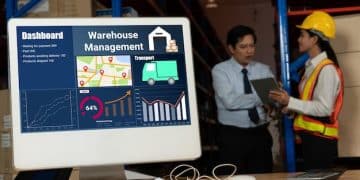
- Visualization Dashboards: Dashboards display data in user-friendly formats, making it easy to spot trends.
Additionally, collaboration platforms enhance communication among supply chain partners. These platforms allow for real-time sharing of information, which leads to quicker response times and more efficient problem-solving.
Incorporating Internet of Things (IoT) devices has changed the game for visibility. These devices can monitor the conditions of goods during transportation, such as temperature and humidity. This ensures products reach their destination in optimal condition.
Lastly, integrating cloud technology with supply chain systems streamlines data access. Cloud solutions allow all stakeholders to view and analyze data in real time, improving collaborative efforts and decision-making.
Challenges and best practices

When implementing real-time supply chain visibility, businesses face various challenges that can hinder their effectiveness. Identifying these challenges is the first step to overcoming them and ensuring optimal operations.
One major challenge is data integration. Many companies use different systems for tracking and managing supply chain processes, which can make it hard to share data effectively. This leads to inconsistencies and a lack of clarity regarding the status of products.
Data Security
Another significant concern is data security. With the increase in data collection, businesses must protect their information from unauthorized access. Implementing robust cybersecurity measures is essential to safeguard sensitive details about inventory and logistics.
Cost of Technology
Cost is also a major factor. The investment in advanced technologies and tools can be substantial. Companies must weigh the benefits against the expenses to ensure they make a sound financial decision.
- Software Implementation: Proper training and adaptation to new systems are crucial for success.
- Change Management: Employees may resist new technologies; effective communication can help ease transitions.
- Scalability: Businesses should choose solutions that can grow with them.
Despite these challenges, there are best practices that organizations can adopt to ensure they maximize visibility in their supply chain. First and foremost, businesses should establish clear communication channels among all stakeholders. This collaboration leads to better information sharing and quicker problem resolution.
Regular training sessions can also help employees stay updated on new tools and technologies. This way, everyone is on the same page, and operational efficiency improves. Moreover, companies should consistently evaluate their processes and technologies. Regular assessments can identify areas for improvement and ensure that they are using the best possible solutions for their needs.
Embracing a culture of continuous improvement can drastically enhance supply chain visibility. By fostering innovation and encouraging employee feedback, organizations can adapt to challenges effectively and maintain a competitive edge.
In conclusion, real-time supply chain visibility offers many benefits to businesses, but it also presents specific challenges. By understanding these issues, organizations can adopt best practices that help them achieve effective visibility. Clear communication among stakeholders and continuous improvement are key to overcoming barriers. Embracing modern tools and technologies can greatly enhance efficiency, customer satisfaction, and overall supply chain performance. By taking these steps, businesses can stay competitive and responsive in a rapidly evolving market.
FAQ – Frequently Asked Questions about Real-time Supply Chain Visibility
What is real-time supply chain visibility?
Real-time supply chain visibility refers to the ability to track products and inventory at all stages of the supply chain, providing immediate updates and insights.
How can real-time visibility improve customer satisfaction?
By keeping customers informed about the status of their orders, businesses can enhance trust and reliability, leading to higher customer satisfaction.
What challenges do businesses face when implementing real-time visibility?
Challenges include data integration, security concerns, and the costs associated with new technology, which can impact implementation.
What are the best practices for achieving effective supply chain visibility?
Best practices include clear communication among stakeholders, regular training for employees, and continuous evaluation of processes and technologies.