Public transport sustainability initiatives for a greener future
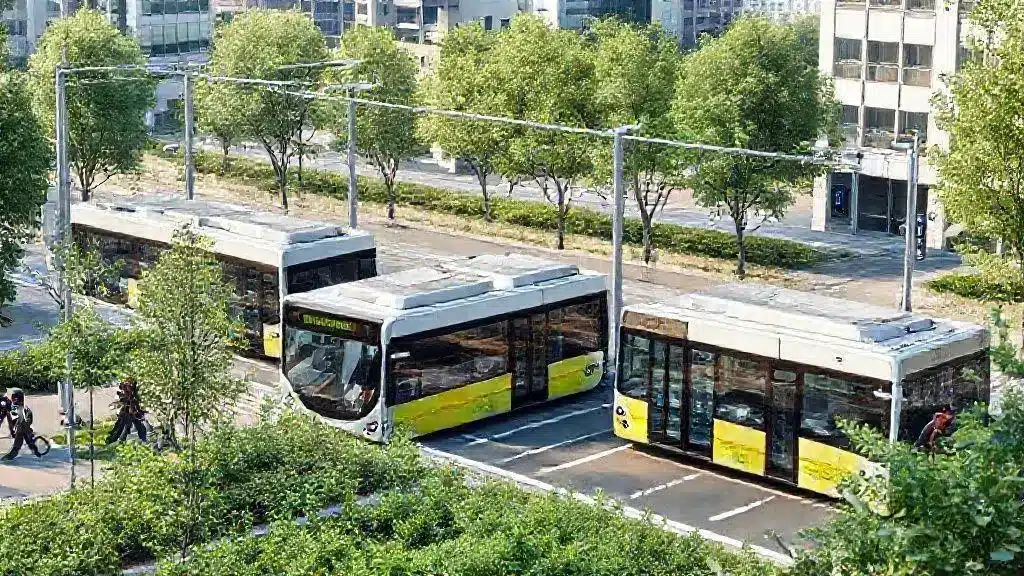
Sustainable public transport initiatives reduce emissions, enhance urban mobility, and improve community health, while facing challenges such as funding and public engagement.
Public transport sustainability initiatives play a crucial role in combating climate change and enhancing urban living conditions. Have you ever wondered how these projects can transform your daily commute and reduce pollution? Let’s explore their significance.
Understanding sustainability in public transport
Sustainability in public transport is an essential aspect of urban development today. With increasing awareness of environmental issues, cities are focusing on adopting sustainable practices in their transportation systems.
This movement aims to reduce emissions and enhance the efficiency of transit systems. Key elements of sustainability in public transport include using renewable energy sources, promoting public transit use, and encouraging active transportation modes.
Key Principles of Sustainable Transportation
To effectively understand sustainability in public transport, it’s crucial to consider its key principles:
- Environmental impact: Reducing greenhouse gas emissions and pollution.
- Economic viability: Ensuring that public transport systems are affordable and financially sustainable.
- Social equity: Providing access to all community members, regardless of income.
- Safety and comfort: Offering a secure and pleasant travel experience.
By implementing these principles, cities can significantly improve their overall sustainability. For example, adopting electric buses not only cuts emissions but can also lower operating costs in the long run. Furthermore, investing in well-designed bike lanes and pedestrian paths enhances multimodal connectivity, making public transport systems more efficient.
Benefits of Sustainable Public Transport
Understanding the benefits of sustainable public transport is also crucial. Some notable advantages include:
- Reduced traffic congestion: Efficient public transport systems encourage fewer cars on the road.
- Lower transportation costs: Public transit is generally more affordable compared to owning and maintaining a car.
- Enhanced air quality: By reducing emissions, cities can improve the overall air quality.
In summary, understanding sustainability in public transport involves recognizing its principles and benefits. As cities seek to adapt to climate change, implementing sustainable practices will be vital for creating innovative and resilient urban environments.
Innovative practices in urban transportation
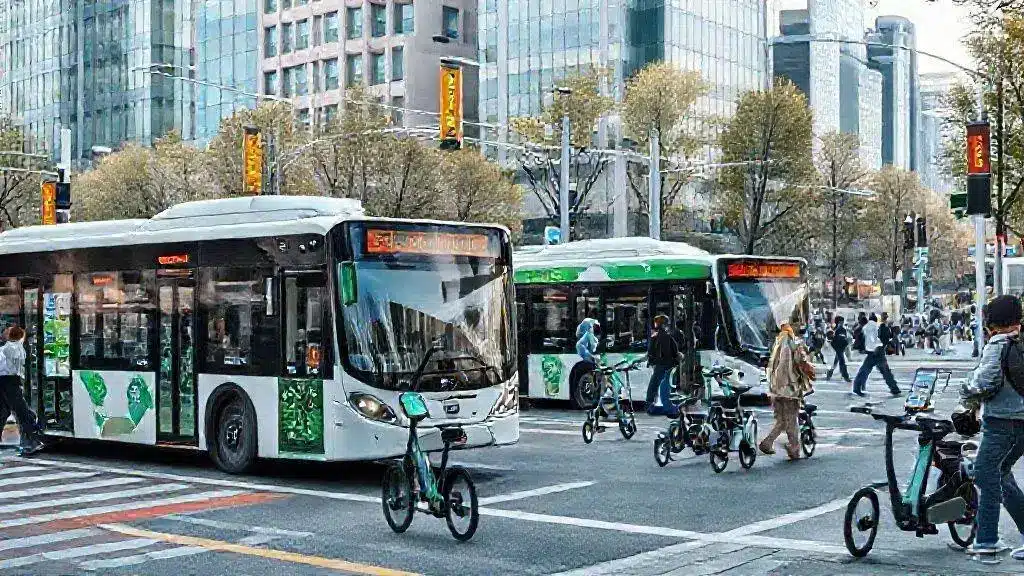
Innovative practices in urban transportation are vital for creating efficient, sustainable cities. These practices enhance mobility while reducing the environmental impact of transportation. Cities around the world are adopting cutting-edge solutions to address the challenges of growing populations and traffic congestion.
One emerging trend is the use of smart technology in public transit systems. This includes real-time tracking apps that inform riders of bus or train arrivals, making commuting more convenient. Moreover, digital payment methods simplify the ticketing process, encouraging more people to use public transport.
Examples of Innovative Practices
Several cities have implemented remarkable practices that showcase the future of urban transportation:
- Mobility as a Service (MaaS): Integrating various transport services into a single accessible platform, allowing users to plan, book, and pay for their trips.
- Electric scooters and bikes: Offering shared electric scooters and bikes has provided individuals an environmentally friendly option to get around.
- Dedicated bus lanes: Creating exclusive lanes for buses increases their efficiency and encourages public transit use over personal vehicles.
- Car-free zones: Implementing pedestrian-only areas in city centers not only improves air quality but also boosts local businesses.
Transportation innovations often share a common goal: enhancing sustainability. For instance, cities are embracing electric vehicles (EVs) for public transport. Electric buses have transformed transit fleets by reducing emissions and operating costs. This shift not only benefits the environment but also improves public health.
Community Involvement in Transportation Planning
Engaging the community is essential to ensure that transportation solutions meet the needs of all residents. Public forums allow citizens to voice their opinions and provide input on proposed projects. By incorporating feedback, city planners can develop transportation systems that reflect the desires and needs of the community.
Ultimately, the focus on innovative practices in urban transportation emphasizes adaptability and forward-thinking solutions. As cities evolve, these practices can shape how residents navigate their environments, reinforcing the importance of sustainable transit options for future generations.
Key benefits of sustainable public transport
The key benefits of sustainable public transport extend beyond just environmental impacts. These benefits contribute significantly to the quality of urban life by promoting healthier communities and efficient mobility. Understanding these advantages is essential for cities looking to implement sustainable practices.
First and foremost, reducing carbon emissions is a critical benefit. Public transport systems, especially those that use electric or hybrid vehicles, help minimize greenhouse gas emissions. This contributes to cleaner air and mitigates climate change effects.
Economic Advantages
Another important aspect is the economic efficiency offered by sustainable public transport. When more people use public transportation, it reduces traffic congestion. This leads to:
- Lower transportation costs: Public transit is often cheaper than driving and owning a car.
- Increased productivity: Less time spent in traffic means more time for work or leisure activities.
- Boost in local businesses: easy access to shops and services increases foot traffic in commercial areas.
Community health is also improved through sustainable public transport. As cities encourage walking or biking to transit stops, residents engage in more physical activity. This leads to healthier lifestyles overall. Moreover, less reliance on cars helps decrease noise pollution, creating quieter and more pleasant environments.
Social Benefits
In addition to health and economic advantages, sustainable public transport promotes social equity. It ensures that all individuals, regardless of income, have access to vital services, making commuting easier for everyone. Public transport can serve as a lifeline for residents without cars, connecting them to jobs, education, and healthcare.
Furthermore, sustainable public transport systems enhance the quality of life in urban settings. With well-planned routes and efficient services, residents benefit from shorter travel times and greater comfort. This encourages community engagement and strengthens bonds among city residents.
In summary, the key benefits of sustainable public transport encompass environmental, economic, social, and health aspects. As cities move towards more sustainable practices, recognizing the value of these benefits is vital for creating vibrant urban spaces.
Challenges and future of public transport initiatives
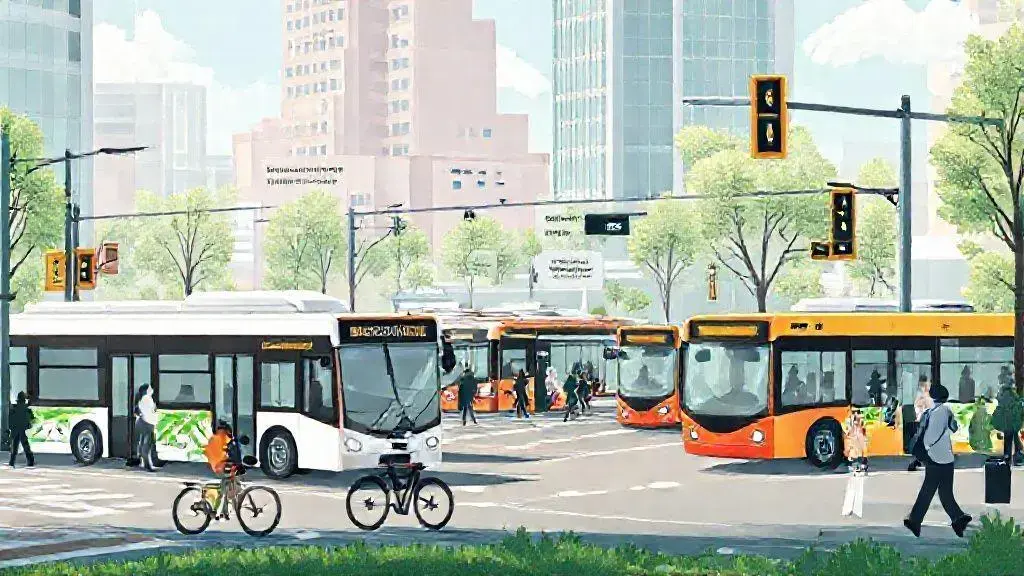
The challenges and future of public transport initiatives are crucial topics for cities aiming to enhance their transportation systems. As urban populations grow, many cities face significant hurdles in providing efficient and sustainable public transit.
One major challenge is funding. Developing and maintaining public transport networks requires substantial financial investment. Many cities struggle to allocate resources effectively, which can hinder the implementation of necessary upgrades. Additionally, political support is essential for advancing transportation initiatives. Without a strong commitment from local leaders, it can be difficult to ensure projects receive the attention and funding they need.
Technology Adoption
Another challenge is the adoption of new technologies. While innovations like smart transit systems and electric buses hold great potential, integrating them into existing infrastructure can be complex. Cities must also consider cybersecurity to protect sensitive user data. This often requires training staff and rethinking operational procedures to ensure a smooth transition.
Public perception can also pose challenges. Some residents may be resistant to changes in public transit tactics, preferring to rely on personal vehicles. Creating awareness about the environmental benefits of public transport is essential. Education campaigns can highlight how these initiatives contribute to a sustainable future and improve air quality.
Future Directions
Looking ahead, the future of public transport initiatives must embrace sustainability at its core. This involves not only adopting green technologies but also fostering public engagement. Communities must be included in the planning process to ensure that the systems meet their needs and preferences.
Furthermore, cities can explore innovative funding models, such as public-private partnerships, to help finance projects. Collaborating with private firms can introduce new ideas and resources, making public transport more resilient and adaptable.
The integration of multimodal transport options will also be key. Combining different types of transportation, like buses, cycling, and walking, creates a comprehensive network that enhances connectivity and accessibility across urban areas. By addressing these challenges and focusing on the future, cities can develop public transport systems that are effective, inclusive, and sustainable.
FAQ – Frequently Asked Questions about Public Transport Sustainability Initiatives
What are sustainable public transport initiatives?
Sustainable public transport initiatives aim to reduce emissions and improve urban mobility through eco-friendly vehicles, smart technology, and community engagement.
How do these initiatives benefit the environment?
They reduce carbon emissions and air pollution, helping to combat climate change and improve overall air quality in urban areas.
What challenges do cities face in implementing these initiatives?
Cities often struggle with funding, political support, and public perception, which can impede the development of sustainable transport systems.
How can the community be involved in public transport planning?
Community involvement can occur through public forums, surveys, and feedback sessions, allowing residents to voice their needs and preferences for transportation options.