Predictive maintenance for public transport fleets: a game changer
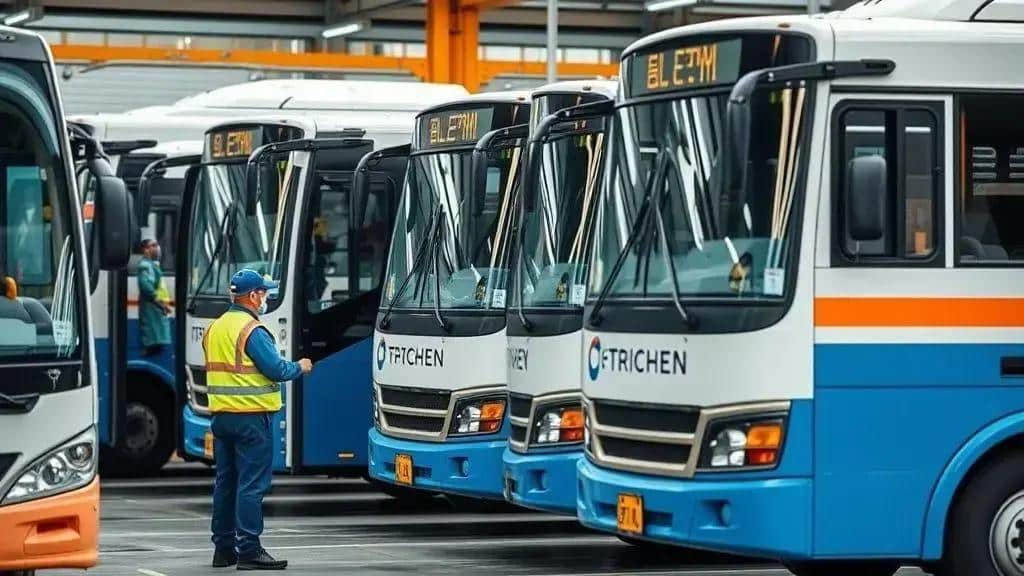
Predictive maintenance for public transport fleets optimizes vehicle performance by utilizing data analytics and IoT technology to foresee maintenance needs, thus enhancing safety, reducing costs, and preventing breakdowns.
Predictive maintenance for public transport fleets is reshaping how we think about reliability and efficiency on the roads. Have you ever wondered how cities ensure their buses and trains run smoothly? Let’s explore the innovative approaches reshaping transit systems.
Understanding predictive maintenance
Understanding predictive maintenance is crucial for enhancing efficiency in public transport fleets. This innovative approach uses data analysis to predict when maintenance should occur. By doing so, it helps prevent breakdowns before they happen.
This method is different from traditional maintenance schedules, which often rely on set intervals. Instead, predictive maintenance focuses on the actual condition of each vehicle, monitoring performance in real-time.
Key Components of Predictive Maintenance
To effectively implement predictive maintenance, several key components are essential.
- Data Collection: Sensors gather data on vehicle performance and conditions.
- Data Analysis: Advanced algorithms analyze this data to predict potential issues.
- Real-time Monitoring: Continuous tracking of the vehicle’s health ensures timely interventions.
- Actionable Insights: The system provides guidance on when to perform maintenance.
With these components in place, public transport companies can significantly reduce costs associated with repairs and downtime. This proactive strategy leads to safer and more reliable transportation options for passengers.
Benefits of Understanding Predictive Maintenance
The benefits of understanding predictive maintenance are profound. First, it greatly reduces unexpected failures. This not only improves safety but also enhances trust in public transport systems. When vehicles run smoothly, passengers are more likely to rely on these services.
Furthermore, predictive maintenance can lead to cost savings. By addressing potential issues before they escalate, companies can minimize repair costs and extend the lifespan of their vehicles. Additionally, efficient fleet management becomes achievable, optimizing scheduling and resource allocation.
Moreover, embracing technology in maintenance strategies encourages a culture of innovation within transport organizations. It empowers staff with better tools to make informed decisions, ultimately enhancing overall performance.
As more public transport fleets adopt this approach, the industry is likely to witness a shift toward smarter, data-driven operations.
Key benefits for public transport fleets
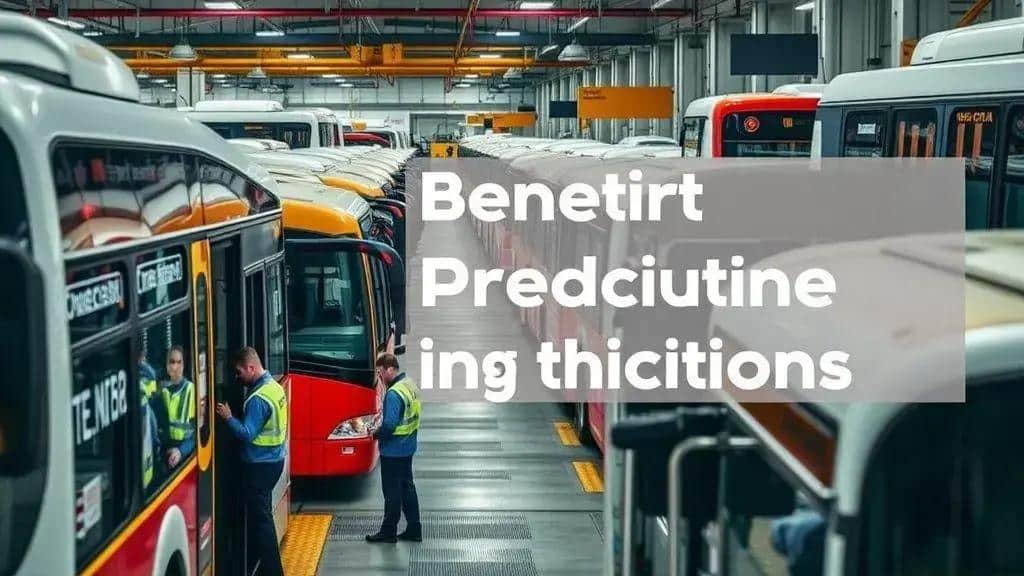
The key benefits for public transport fleets utilizing predictive maintenance are significant. By adopting this strategy, transport companies can enhance their operations and provide better services to passengers. Predictive maintenance not only reduces downtime but also improves the overall reliability of the fleet.
One major advantage is the substantial cost savings generated by early problem detection. This prevents minor issues from escalating into major repairs, which can be quite expensive. Furthermore, less unexpected downtime means that buses and trains remain in service for longer periods, improving efficiency.
Enhanced Safety Measures
Safety is another critical benefit. When maintenance is performed based on real-time data, the risk of accidents caused by mechanical failures is greatly minimized. Transportation authorities can ensure that vehicles meet safety standards consistently.
- Lower accident rates: Fewer mechanical failures lead to safer journeys for passengers.
- Increased preventive actions: Timely maintenance keeps vehicles in optimal condition.
- Higher passenger confidence: A well-maintained fleet encourages more people to use public transport.
Additionally, implementing predictive maintenance helps in resource management. Fleet managers can strategically allocate resources based on data analytics, leading to smarter operational decisions. This efficiency extends not only to maintenance but also to scheduling and staffing, making the entire system more efficient.
Environmental Sustainability
Predictive maintenance also contributes to environmental goals. By keeping vehicles running efficiently, fuel consumption is optimized. This reduction in fuel use leads to lower emissions, benefiting the environment. Moreover, regular maintenance ensures that the systems operate at peak efficiency, which further reduces the environmental impact.
Overall, the implementation of predictive maintenance in public transport fleets translates into tangible benefits that are not only good for business but also beneficial for the community and the environment.
Technologies behind predictive maintenance
The technologies behind predictive maintenance play a vital role in ensuring public transport fleets operate efficiently. These technologies gather and analyze data to forecast when maintenance should take place, thus improving overall fleet performance. The integration of various technologies allows for a comprehensive approach to vehicle maintenance.
At the core of predictive maintenance are IoT sensors. These sensors collect real-time data from vehicles, monitoring aspects such as engine performance, fuel efficiency, and wear and tear. This continuous flow of information is crucial for accurate predictions.
Data Analytics and Machine Learning
Once data is collected, it undergoes analysis. This is where data analytics and machine learning come into play. Algorithms process the data to identify patterns and trends that can indicate potential issues. By analyzing historical data, the system learns which signs precede failures.
- Predictive Algorithms: These algorithms assess the likelihood of failures based on collected data.
- Real-time Monitoring: Constant observation of vehicle conditions allows for immediate alerts when issues arise.
- Maintenance Scheduling: Maintenance tasks can be planned based on predictions, ensuring minimal disruption.
This ability to predict maintenance needs not only enhances safety but also reduces costs. Fleet managers can make informed decisions about when and how to perform maintenance, which leads to less downtime and better resource allocation.
Cloud Computing and Data Storage
Another critical aspect of predictive maintenance technologies is cloud computing. This allows for vast amounts of data to be stored and processed efficiently. Cloud solutions enable easy access to data from any location, facilitating collaboration among team members and enhancing decision-making.
Furthermore, integration with other technologies, like Artificial Intelligence (AI), supports advanced processing capabilities. AI analyzes complex datasets quickly, learning from data to improve predictive accuracy over time. This combination of technologies creates a robust system that transforms maintenance practices in public transport fleets.
Implementing predictive maintenance strategies
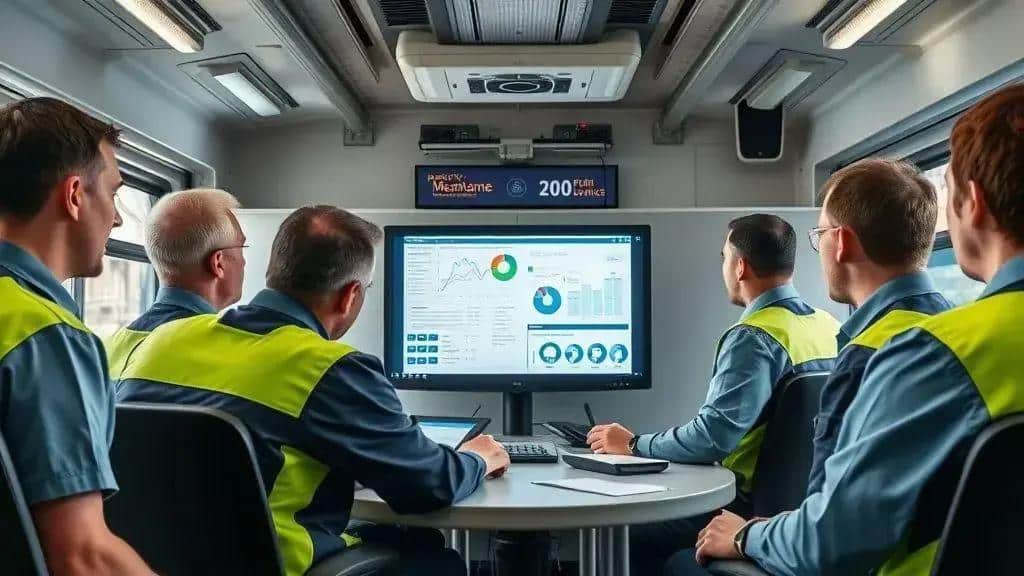
Implementing predictive maintenance strategies in public transport fleets requires careful planning and execution. This approach not only enhances operational efficiency but also contributes to safety and cost-effectiveness. The first step is to establish a clear understanding of the fleet’s current maintenance practices.
After assessing the existing processes, the next crucial step is to integrate technology that supports predictive maintenance. This involves setting up sensors and data collection systems across vehicles to gather real-time information on their condition. By doing this, fleet managers can obtain valuable insights into their operation and maintenance needs.
Training Staff and Developing Procedures
Another essential component is training staff in the use of new technologies. Employees must be comfortable with data analytics tools and understand how to interpret the results. Developing clear procedures for responding to data insights is equally important.
- Regular Training Sessions: Hold ongoing workshops to help staff stay updated on technology.
- Clear Protocols: Establish guidelines to direct personnel on maintenance tasks based on data analytics.
- Feedback Loops: Create channels for staff to provide input on technology performance and suggestions for improvement.
Once training is complete, operators can begin to implement predictive maintenance schedules. These schedules should be flexible and based on the data received. Instead of adhering strictly to calendar-based maintenance, adjustments can be made according to the actual condition of each vehicle.
Monitoring Progress and Adjusting Strategies
Monitoring the effectiveness of predictive maintenance strategies is essential. This means regularly evaluating the condition of vehicles and reviewing maintenance records to ensure goals are being met. When necessary, adjustments should be made to improve performance.
Additionally, sharing data across departments can enhance communication and collaboration. When teams work together and share insights, they can better address potential issues before they escalate. Implementing a culture of continuous improvement helps ensure that predictive maintenance strategies remain effective over time.
FAQ – Frequently Asked Questions about Predictive Maintenance for Public Transport Fleets
What is predictive maintenance in public transport?
Predictive maintenance uses data and analytics to determine when maintenance should be performed, helping to prevent breakdowns and improve safety.
How does predictive maintenance reduce costs?
By identifying potential issues early, predictive maintenance minimizes expensive repairs and reduces vehicle downtime, leading to overall cost savings.
What technologies are involved in predictive maintenance?
Technologies include IoT sensors for data collection, data analytics for processing information, and machine learning algorithms for predicting maintenance needs.
How can we ensure staff are prepared for predictive maintenance?
Staff can be trained on new technologies and data analytics tools, ensuring they understand how to interpret data and apply maintenance strategies effectively.