Optimize Last-Mile Delivery US: 4 Strategies to Cut Costs by 10% by 2027
Optimizing Last-Mile Delivery in the US: 4 Strategies to Reduce Costs by 10% Before January 2027
The last mile. It’s the final, most critical, and often most expensive leg of the supply chain. In the bustling landscape of the United States, where e-commerce continues its meteoric rise and customer expectations for speedy, seamless delivery are at an all-time high, optimizing last-mile delivery isn’t just a goal—it’s an imperative. Businesses across various sectors are grappling with the complexities of navigating urban congestion, managing diverse fleets, and meeting tight delivery windows, all while trying to keep costs in check. The challenge is clear: how can companies streamline their last-mile operations to achieve significant cost reductions without compromising service quality?
This comprehensive guide delves into four powerful strategies designed to help businesses operating in the US achieve a remarkable 10% reduction in last-mile delivery costs by January 2027. We’ll explore how leveraging cutting-edge technology, embracing innovative operational models, and fostering a culture of continuous improvement can transform your logistics network from a cost center into a competitive advantage. The goal is not just to cut expenses but to build a more resilient, efficient, and customer-centric delivery ecosystem.
The stakes are high. According to industry reports, last-mile delivery can account for over 50% of total shipping costs. Any reduction in this area directly translates to improved profitability and enhanced market positioning. By focusing on strategic interventions, companies can not only mitigate the escalating costs associated with fuel, labor, and maintenance but also enhance customer satisfaction through more reliable and predictable delivery services. Let’s embark on this journey to unlock the full potential of your last-mile delivery operations.
The Last-Mile Challenge in the US: Understanding the Landscape
Before we dive into solutions, it’s crucial to understand the unique challenges that define last-mile delivery in the United States. The sheer geographical expanse of the country, coupled with its diverse urban, suburban, and rural environments, presents a multifaceted logistical puzzle. Moreover, the fragmented nature of the US market, with its myriad local regulations, infrastructure variations, and consumer demographics, adds layers of complexity that require tailored approaches.
Rising Consumer Expectations
Today’s consumers expect more than just delivery; they demand speed, flexibility, and transparency. Same-day, next-day, and even hourly delivery windows are becoming standard, placing immense pressure on logistics providers. This expectation often translates into higher operational costs as companies strive to meet these demands, sometimes at the expense of efficiency. The cost of failed deliveries, re-deliveries, and customer service inquiries related to delivery issues further inflates expenses. Moreover, the rise of personalized delivery options, such as scheduled delivery times and specific drop-off locations, adds another layer of complexity to route planning and driver management.
Urban Congestion and Infrastructure
Major metropolitan areas in the US are notoriously congested, leading to longer transit times, increased fuel consumption, and higher labor costs. Navigating these dense environments requires sophisticated planning and real-time adaptability. Furthermore, aging infrastructure in some regions can lead to unexpected delays and maintenance issues for delivery vehicles. The lack of adequate parking, especially for larger delivery vehicles, also contributes to inefficiencies and can result in fines and wasted time. The growth of e-commerce has exacerbated these issues, with an ever-increasing number of packages flooding urban centers, straining existing transportation networks.
Labor Shortages and Costs
The logistics industry, particularly in the last mile, is facing significant labor shortages. Attracting and retaining qualified delivery drivers is a constant challenge, and rising wages and benefits contribute substantially to operational costs. Training, onboarding, and managing a large, distributed workforce also add to the expense. The gig economy has introduced new models for driver engagement, but these also come with their own set of management complexities and cost considerations. Ensuring driver safety and compliance with labor laws further adds to the administrative and financial burden.
Fuel Price Volatility
Fuel is a major variable cost in last-mile delivery. Fluctuations in fuel prices can significantly impact profitability, making it difficult to forecast expenses accurately. Companies must implement strategies to mitigate these risks, such as optimizing routes to reduce mileage and exploring alternative fuel vehicles. The transition to electric vehicles, while offering long-term environmental and operational benefits, also requires significant upfront investment in charging infrastructure and new fleet acquisition. This makes fuel efficiency and strategic fuel purchasing critical components of cost management.
Technological Integration and Data Management
While technology offers immense opportunities for optimization, its effective integration and data management present their own challenges. Many companies still rely on outdated systems or struggle to integrate disparate technologies, leading to data silos and inefficient workflows. The ability to collect, analyze, and act upon real-time data is crucial for informed decision-making and continuous improvement. Without robust data infrastructure, identifying bottlenecks, optimizing routes, and personalizing delivery experiences becomes incredibly difficult. The complexity of managing large datasets and ensuring data security also adds to the technological overhead.
Addressing these challenges head-on with strategic planning and technological adoption is the cornerstone of successful last-mile delivery optimization. The following strategies are designed to tackle these pain points directly, paving the way for substantial cost reductions and operational excellence.
Strategy 1: Advanced Route Optimization and Dynamic Planning
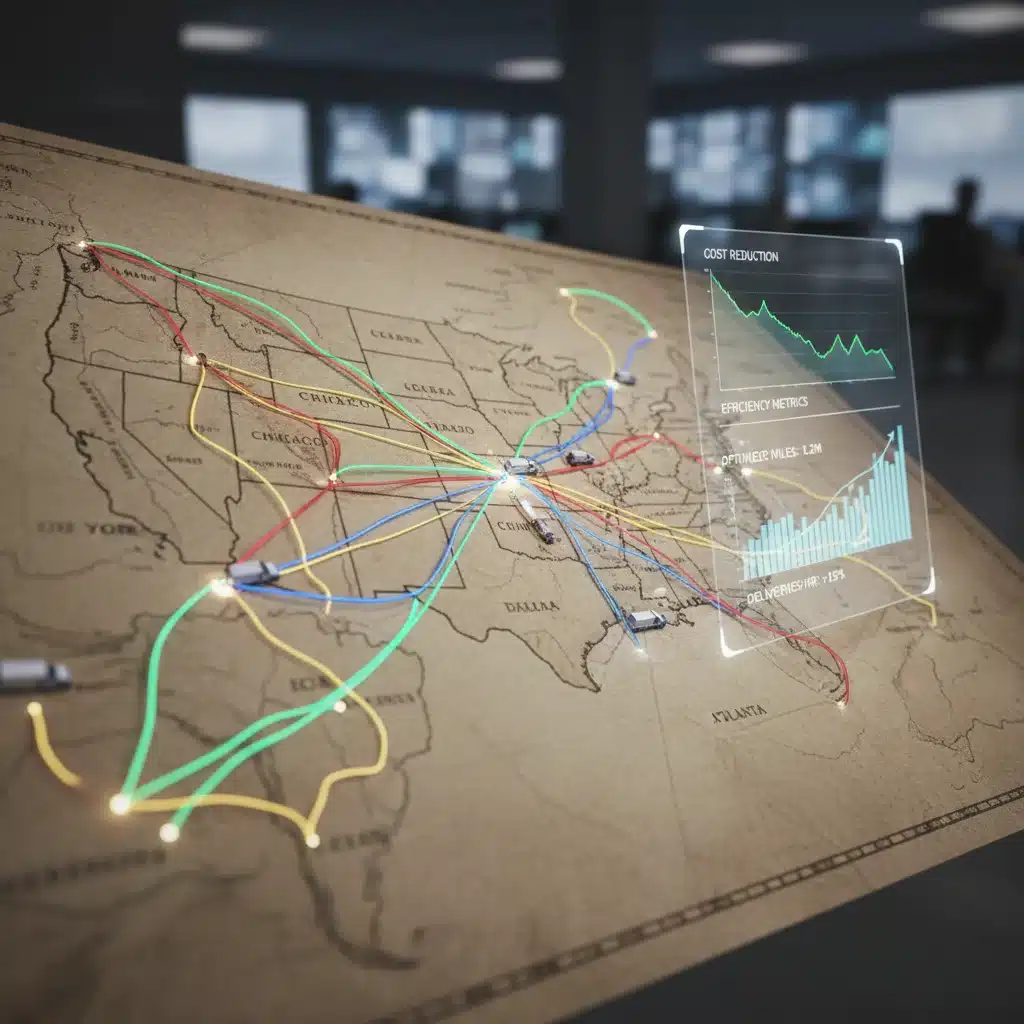
At the heart of efficient last-mile delivery is intelligent route planning. Manual route creation is not only time-consuming but also inherently inefficient. Advanced route optimization software leverages sophisticated algorithms to create the most efficient delivery paths, considering a multitude of variables. This is a cornerstone of effective last-mile delivery optimization.
Leveraging AI and Machine Learning
Modern route optimization platforms go beyond simple shortest-path calculations. They incorporate AI and machine learning to analyze historical data, real-time traffic conditions, weather forecasts, delivery time windows, vehicle capacities, and driver availability. This dynamic approach allows for continuous adjustments, ensuring routes remain optimal even when unforeseen circumstances arise. For example, if a road closure occurs, the system can instantly re-route affected vehicles, minimizing delays and wasted fuel. Using predictive analytics, these systems can even anticipate traffic patterns based on time of day and historical data, allowing for proactive route adjustments.
Benefits of Dynamic Route Optimization:
- Reduced Mileage and Fuel Consumption: Optimized routes mean fewer miles driven, directly translating to significant savings on fuel costs. A 10% reduction in mileage can lead to a proportional decrease in fuel expenses.
- Improved Driver Productivity: Drivers spend less time on the road and more time making deliveries, increasing the number of deliveries per shift. This boosts overall productivity and can reduce the need for overtime.
- Enhanced On-Time Delivery Rates: Accurate route planning and real-time adjustments lead to more predictable delivery times, improving customer satisfaction and reducing customer service inquiries.
- Lower Vehicle Maintenance Costs: Less mileage and smoother routes reduce wear and tear on vehicles, extending their lifespan and lowering maintenance expenses.
- Reduced Carbon Footprint: Fewer miles driven also contribute to a greener operation, aligning with corporate sustainability goals.
Implementation Steps:
- Invest in Robust Software: Select a route optimization platform that offers real-time tracking, dynamic re-routing, and integration capabilities with existing systems.
- Integrate with Telematics: Connect your route optimization software with vehicle telematics systems to feed real-time data on vehicle location, speed, and status back into the planning system.
- Train Your Team: Ensure dispatchers and drivers are proficient in using the new tools. Training should cover how to interpret routes, use in-cab navigation, and report issues effectively.
- Continuous Monitoring and Adjustment: Regularly analyze performance data to identify areas for further optimization and refine routing parameters.
By embracing advanced route optimization, businesses can make substantial strides in their last-mile delivery optimization efforts, directly impacting the bottom line and contributing to the target of a 10% cost reduction.

Strategy 2: Fleet Modernization and Management
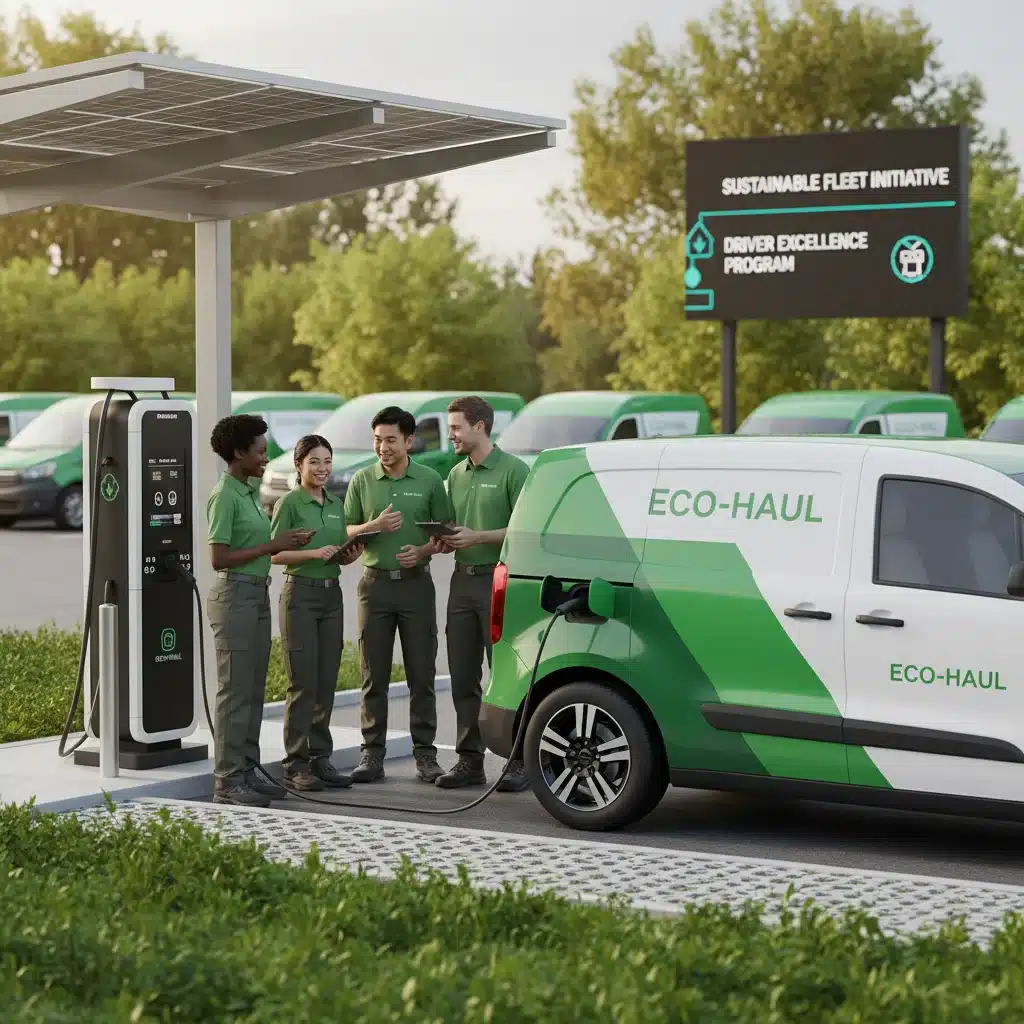
The vehicles that comprise your delivery fleet are a significant operational cost. Modernizing your fleet and implementing smart management practices can yield substantial savings in fuel, maintenance, and operational efficiency. This pillar of last-mile delivery optimization focuses on the physical assets.
Transitioning to Fuel-Efficient and Electric Vehicles (EVs)
Investing in newer, more fuel-efficient internal combustion engine (ICE) vehicles or transitioning to electric vehicles (EVs) can dramatically reduce fuel costs. While the upfront cost of EVs may be higher, the long-term savings on fuel and maintenance, coupled with potential government incentives, make them an attractive option. The US government offers various tax credits and grants for EV adoption, which can significantly offset initial investments. Furthermore, EVs have fewer moving parts, leading to lower maintenance requirements and reduced downtime.
Optimizing Vehicle Sizing and Type
Using the right vehicle for the right job is crucial. Over-sizing vehicles leads to wasted fuel and capacity, while under-sizing can result in multiple trips or damaged goods. Analyze your typical delivery volumes and package sizes to determine the optimal mix of vehicle types, from cargo vans to smaller, more agile vehicles for urban deliveries. Consider specialized vehicles for temperature-controlled goods or oversized items to ensure efficient and safe transport. This strategic matching of vehicle to task is vital for last-mile delivery optimization.
Proactive Maintenance and Telematics
Implementing a proactive maintenance schedule, rather than reactive repairs, can prevent costly breakdowns and extend the life of your fleet. Telematics systems provide invaluable data on vehicle performance, driver behavior, and diagnostic alerts. This data can be used to:
- Monitor Fuel Efficiency: Identify vehicles or drivers with poor fuel economy.
- Track Driver Behavior: Identify aggressive driving, excessive idling, or speeding, which contribute to higher fuel consumption and wear and tear.
- Predict Maintenance Needs: Receive alerts for potential mechanical issues before they escalate into major problems.
- Improve Vehicle Utilization: Ensure vehicles are being used optimally and identify underutilized assets.
Benefits of Fleet Modernization and Management:
- Reduced Fuel Costs: More efficient vehicles and better driving habits directly lower fuel expenses.
- Lower Maintenance and Repair Costs: Proactive maintenance and less wear and tear mean fewer expensive repairs and less downtime.
- Extended Vehicle Lifespan: Well-maintained and properly utilized vehicles last longer, delaying the need for costly replacements.
- Enhanced Safety: Newer vehicles often come with advanced safety features, and telematics can help identify and correct unsafe driving behaviors.
- Improved Brand Image: A modern, well-maintained, and potentially eco-friendly fleet projects a positive image to customers.
Implementation Steps:
- Conduct a Fleet Audit: Assess the age, efficiency, and maintenance history of your current vehicles.
- Develop a Phased Transition Plan: Gradually replace older vehicles with more efficient or electric alternatives, budgeting for the investment over time.
- Install Telematics Systems: Equip all vehicles with telematics devices and train staff on how to use the data for decision-making.
- Implement Driver Training Programs: Focus on defensive driving, fuel-efficient techniques, and proper vehicle handling.
By strategically managing and modernizing your fleet, you can unlock significant cost savings and improve the overall efficiency of your last-mile delivery operations, moving closer to the 10% cost reduction target.
Strategy 3: Optimizing Delivery Models and Network Design
The traditional hub-and-spoke model for last-mile delivery is evolving. Companies are exploring new delivery models and optimizing their network design to bring products closer to customers, reduce transit times, and lower costs. This is a critical aspect of last-mile delivery optimization.
Micro-Fulfillment Centers (MFCs) and Dark Stores
Instead of dispatching from large, centralized warehouses, MFCs and dark stores are smaller distribution points located in urban or suburban areas. These facilities significantly reduce the distance goods need to travel for the final mile, leading to faster delivery times and lower transportation costs. They are particularly effective for high-volume, quick-turnaround items. MFCs can be integrated into existing retail spaces or purpose-built in strategic locations, leveraging automation for efficient order fulfillment.
Crowdsourced Delivery and Gig Economy Platforms
For certain types of deliveries, especially during peak demand or for specific geographic areas, leveraging crowdsourced delivery platforms and gig economy drivers can provide a flexible and cost-effective solution. This model allows companies to scale their delivery capacity up or down as needed, without the overhead of maintaining a large, permanent fleet. While it offers flexibility, careful management is required to ensure service quality and brand consistency. Integrating these platforms with your existing order management system is key to seamless operations.
Strategic Partnerships and Consolidations
Collaborating with other businesses or logistics providers can create efficiencies. For example, pooling resources for deliveries in specific areas or utilizing third-party logistics (3PL) providers with established local networks can reduce costs. Consolidating deliveries from multiple orders into fewer routes also maximizes vehicle capacity and reduces the number of trips. This can involve partnerships with local couriers or even sharing delivery infrastructure with non-competing businesses. This collaborative approach enhances overall last-mile delivery optimization.
Benefits of Optimized Delivery Models:
- Reduced Delivery Distances: Shorter last-mile distances mean lower fuel costs and faster delivery times.
- Increased Flexibility and Scalability: Ability to adapt to fluctuating demand without significant capital investment.
- Lower Fixed Costs: Reduced need for large, centralized warehouses and permanent fleet expansions.
- Improved Customer Experience: Faster delivery and more flexible options enhance satisfaction.
- Access to Specialized Services: Partnerships can provide access to specialized delivery capabilities (e.g., temperature-controlled, oversized).
Implementation Steps:
- Analyze Demand Patterns: Identify high-density delivery zones and peak demand periods to determine optimal MFC locations or crowdsourcing needs.
- Pilot New Models: Start with small-scale implementations of MFCs or crowdsourcing in specific areas to test viability and refine processes.
- Establish Partnership Agreements: Clearly define terms, service level agreements (SLAs), and integration requirements with partners or gig platforms.
- Integrate Technology: Ensure seamless integration between your order management system and any new delivery platforms or partners.
By rethinking traditional delivery models and strategically designing your network, businesses can achieve significant operational efficiencies and cost savings in their last-mile delivery optimization efforts.
Strategy 4: Enhancing Visibility and Customer Communication
While often overlooked as a direct cost-reduction strategy, improving visibility and customer communication can indirectly lead to substantial savings by reducing failed deliveries, customer service inquiries, and returns. It’s a vital component of holistic last-mile delivery optimization.
Real-Time Tracking and Transparency
Providing customers with real-time tracking of their orders significantly reduces the number of ‘Where is my order?’ (WISMO) calls to customer service. This transparency builds trust and allows customers to plan for package arrival, minimizing the chances of a missed delivery. Advanced tracking systems can show the exact location of the delivery vehicle on a map, estimated time of arrival (ETA), and even driver contact information for direct communication. This proactive approach significantly enhances the customer experience and reduces operational overhead.
Proactive Notifications and Alerts
Automated notifications via SMS, email, or in-app messages keep customers informed at every stage of the delivery process—from order confirmation and dispatch to out-for-delivery and successful delivery. More importantly, proactive alerts about potential delays due to traffic, weather, or other unforeseen circumstances allow customers to adjust their plans, preventing failed delivery attempts. These notifications can also include options for customers to reschedule a delivery or provide specific instructions, further reducing the likelihood of issues.
Proof of Delivery (POD) and Feedback Mechanisms
Digital proof of delivery, such as photos of the package at the doorstep or electronic signatures, provides clear evidence of successful delivery, reducing disputes and claims. Integrating customer feedback mechanisms directly into the delivery process allows companies to quickly identify and address issues, preventing negative experiences from escalating. This data can also be used to improve driver performance and identify systemic problems in the delivery process. This feedback loop is essential for continuous last-mile delivery optimization.
Benefits of Enhanced Visibility and Communication:
- Reduced Failed Deliveries: Informed customers are more likely to be available to receive packages, cutting down on costly re-delivery attempts.
- Lower Customer Service Costs: Fewer WISMO calls and delivery dispute inquiries mean less burden on customer support teams.
- Improved Customer Satisfaction: Transparency and proactive communication lead to a better overall experience, fostering loyalty.
- Fewer Returns and Claims: Clear POD reduces disputes, and the ability to address issues quickly can prevent returns.
- Better Data for Optimization: Feedback and delivery data provide insights for further operational improvements.
Implementation Steps:
- Invest in a Customer-Facing Tracking Portal: Provide a user-friendly interface for real-time order tracking.
- Automate Notification Systems: Set up automated alerts for key delivery milestones and potential issues.
- Implement Digital POD Solutions: Equip drivers with devices for electronic signatures and photo capture.
- Integrate Feedback Channels: Make it easy for customers to provide feedback on their delivery experience.
By prioritizing transparency and effective communication, businesses can significantly reduce the hidden costs associated with last-mile delivery, contributing to the overarching goal of a 10% cost reduction by January 2027.
Measuring Success and Continuous Improvement
Achieving a 10% reduction in last-mile delivery costs by January 2027 requires more than just implementing these strategies; it demands a commitment to continuous measurement, analysis, and adaptation. Establishing clear Key Performance Indicators (KPIs) and regularly reviewing them is paramount.
Key Performance Indicators (KPIs) to Track:
- Cost Per Delivery: This is the ultimate metric for cost reduction. Track it rigorously.
- Miles Driven Per Delivery: A direct indicator of route efficiency and fuel consumption.
- Deliveries Per Hour/Shift: Measures driver productivity.
- First Attempt Delivery Rate: A high rate indicates efficient planning and effective customer communication.
- Fuel Consumption Per Mile: Tracks fleet efficiency and the impact of fuel prices.
- Vehicle Maintenance Costs Per Mile: Monitors fleet health and the effectiveness of proactive maintenance.
- Customer Satisfaction Score (CSAT) or Net Promoter Score (NPS): Ensures cost reductions aren’t coming at the expense of service quality.
- On-Time Delivery Rate: Crucial for meeting customer expectations.
Data Analytics and Reporting
Leverage your logistics software and telematics data to generate comprehensive reports on these KPIs. Regular analysis will help identify trends, pinpoint inefficiencies, and highlight areas where further optimization is needed. Dashboards that provide real-time insights can empower managers to make quick, informed decisions. Artificial intelligence and machine learning can further enhance this by uncovering hidden patterns and predicting future outcomes, allowing for proactive adjustments.
Feedback Loops and Iteration
Create internal feedback loops involving drivers, dispatchers, and customer service teams. Their on-the-ground insights are invaluable for identifying practical challenges and suggesting improvements. Regularly review customer feedback to understand pain points and areas where service can be enhanced. Use this collective intelligence to iterate on your strategies, refine processes, and continuously improve your last-mile delivery optimization efforts.
Embracing Agility
The logistics landscape is constantly evolving, influenced by technological advancements, market shifts, and unforeseen global events. Adopting an agile mindset allows businesses to quickly adapt to changes, experiment with new approaches, and pivot strategies when necessary. This flexibility is essential for sustaining cost reductions and maintaining a competitive edge in the long run. The ability to quickly test new routing algorithms, try different delivery models, or integrate new technologies will be a key differentiator.
Conclusion: A Path to Profitable Last-Mile Delivery
Optimizing last-mile delivery in the US to achieve a 10% cost reduction by January 2027 is an ambitious yet entirely achievable goal. It requires a multi-faceted approach that integrates advanced technology, smart fleet management, innovative delivery models, and transparent customer communication. By systematically implementing the four strategies outlined in this guide—advanced route optimization, fleet modernization, optimized delivery models, and enhanced visibility—businesses can transform their last-mile operations from a significant cost burden into a strategic asset.
The benefits extend far beyond just cost savings. A streamlined last-mile process leads to higher customer satisfaction, a stronger brand reputation, and a more resilient and sustainable supply chain. The investment in these areas will yield substantial returns, positioning your business for long-term success in an increasingly competitive market. Start today by assessing your current operations, identifying key areas for improvement, and gradually implementing these transformative strategies. The future of profitable last-mile delivery is within your reach.