NTSB Urges Stricter Drone Delivery Regulations After US Incidents
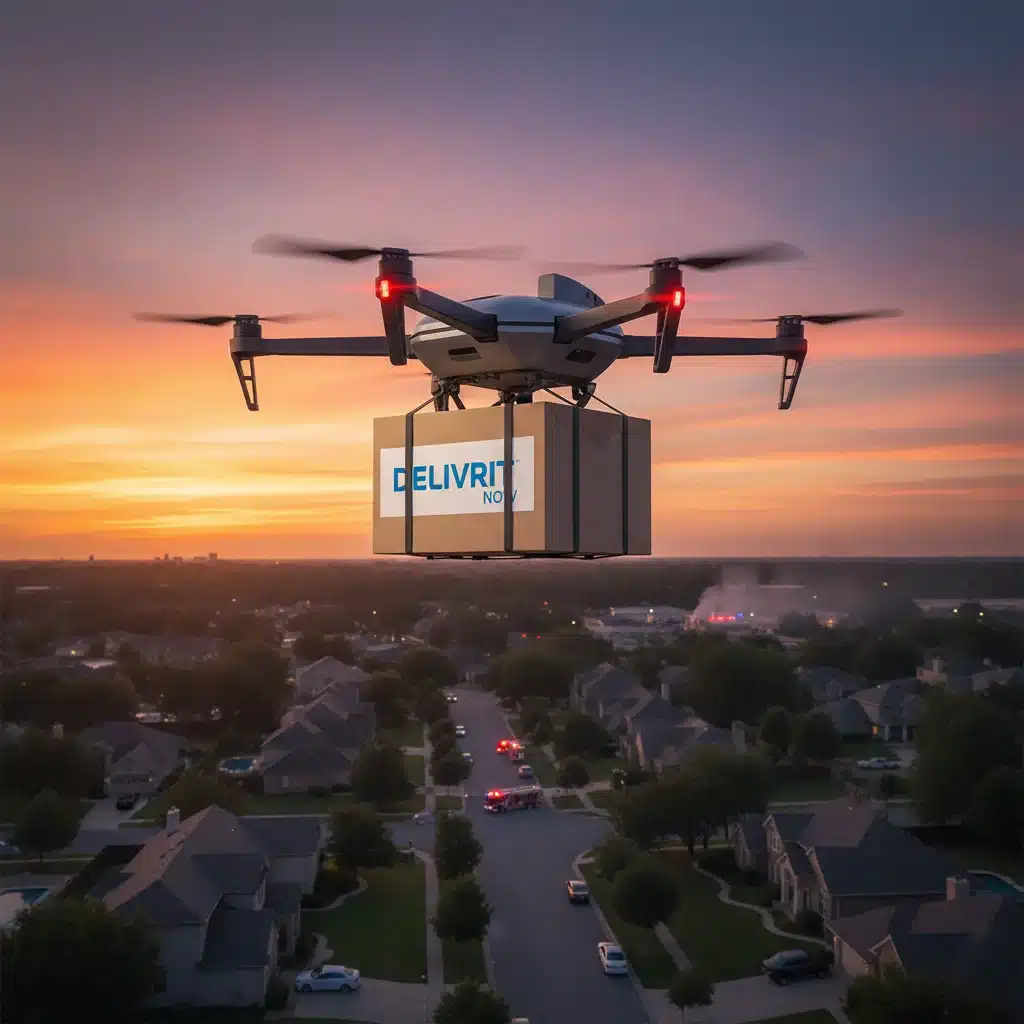
The skies above us are rapidly changing. What was once the exclusive domain of birds and traditional aircraft is now increasingly shared with a new generation of aerial vehicles: drones. Specifically, the burgeoning industry of drone delivery has captured the imagination of consumers and investors alike, promising unprecedented speed and efficiency in logistics. However, this rapid technological advancement is not without its challenges, particularly concerning safety and regulation. Recent incidents in the United States have brought these concerns into sharp focus, leading the National Transportation Safety Board (NTSB) to issue urgent recommendations on Drone Delivery Regulations.
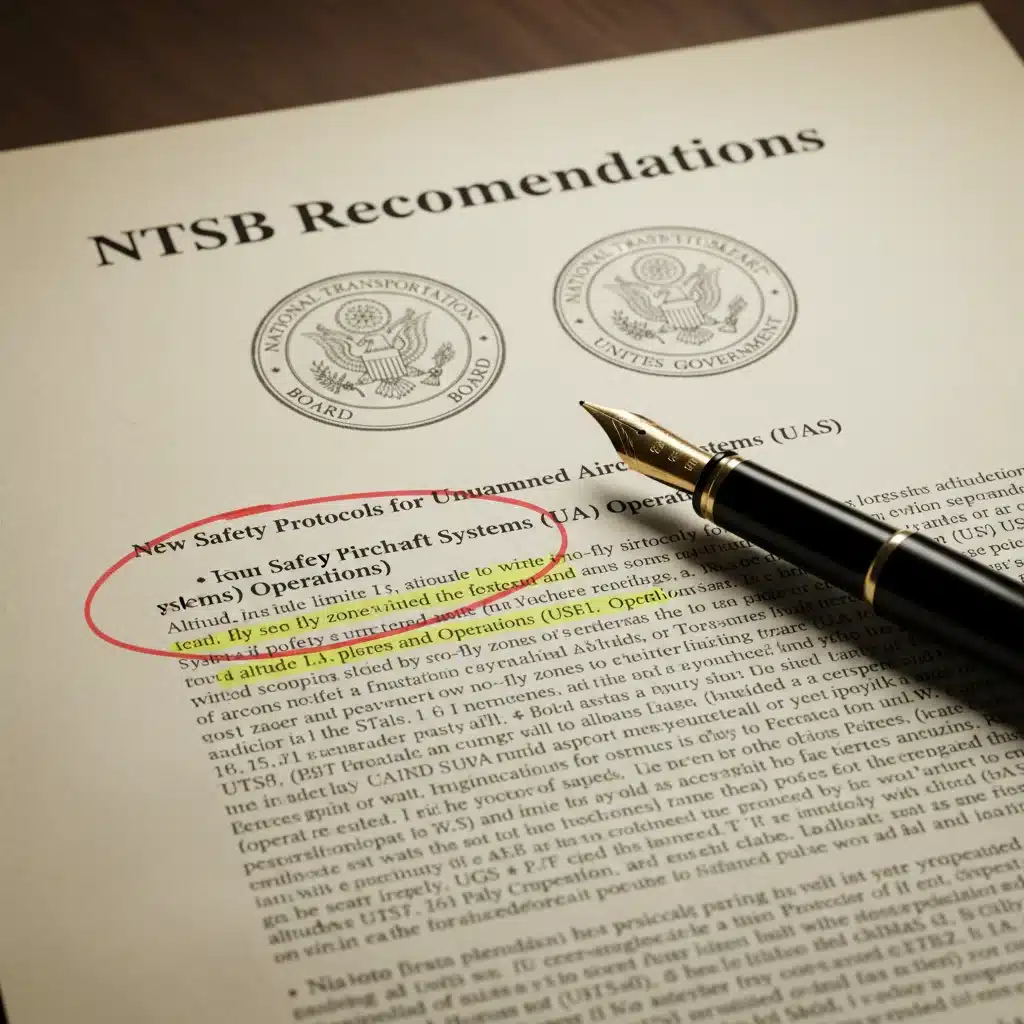
The NTSB, renowned for its meticulous investigations into transportation accidents, has taken a proactive stance, highlighting critical gaps in the current regulatory framework. Their recommendations are not merely suggestions; they are a clarion call for immediate action to ensure that the promise of drone delivery does not come at the expense of public safety. This comprehensive article will delve into the NTSB’s findings, explore the specifics of their recommendations, analyze the implications for the drone industry, and discuss the path forward for establishing a robust and secure ecosystem for drone delivery in the US.
The Genesis of Concern: Recent Drone Incidents in the US
To understand the urgency behind the NTSB’s recommendations, it’s crucial to examine the events that precipitated them. While the specifics of individual incidents are often kept confidential for ongoing investigations or proprietary reasons, the NTSB’s report points to a pattern of occurrences that underscore systemic vulnerabilities. These incidents range from unexpected drone malfunctions and uncontrolled descents to near-misses with manned aircraft and unauthorized incursions into restricted airspace. Each event, regardless of its severity, serves as a stark reminder of the potential for catastrophic consequences if Drone Delivery Regulations are not adequately addressed.
One notable incident, though not necessarily the sole trigger, involved a delivery drone reportedly experiencing a loss of control and impacting a residential area, thankfully without serious injury. Another highlighted concerns about battery fires in drones during flight, raising questions about material safety and containment protocols. Furthermore, the increasing volume of drone traffic, even in limited test environments, has brought to light the complexities of air traffic management for unmanned aerial systems (UAS) and the critical need for a sophisticated, integrated system that can prevent mid-air collisions and manage airspace effectively.
These incidents, collectively, have painted a picture of an industry moving at a breakneck pace, sometimes outpacing the regulatory and safety infrastructure designed to govern it. The NTSB’s role is not to stifle innovation but to ensure that this innovation is pursued responsibly, with public safety as the paramount concern. Their recommendations are therefore a direct response to these real-world challenges, aiming to preempt future, potentially more severe, accidents.
NTSB’s Urgent Recommendations: A Deep Dive into Proposed Drone Delivery Regulations
The NTSB’s report outlines a series of critical recommendations, each targeting a specific area of concern identified through their investigations. These recommendations are comprehensive, touching upon various aspects of drone operation, design, and oversight. Understanding these proposals is key to grasping the future landscape of Drone Delivery Regulations.
Enhanced Aircraft Design and Certification Standards
Perhaps one of the most significant recommendations revolves around the need for more rigorous design and certification standards for delivery drones. Unlike recreational drones, delivery drones carry payloads, operate over populated areas, and often fly beyond the visual line of sight (BVLOS). The NTSB suggests that current certification processes may not be sufficient to address the unique risks associated with these operations. They advocate for standards that mirror, in principle, those applied to manned aircraft, albeit tailored to the specific characteristics of UAS.
This includes demanding more robust testing for structural integrity, propulsion system reliability, and redundancy in critical flight control systems. The NTSB also emphasizes the importance of standardized procedures for evaluating software and hardware integrity, given the increasing reliance on complex autonomous systems. Furthermore, robust battery safety standards, including fire suppression and containment, are highlighted as crucial, especially after incidents involving battery thermal runaway.
Improved Operator Training and Licensing
The human element remains a critical factor in aviation safety, even with autonomous systems. The NTSB recommends a re-evaluation of operator training and licensing requirements for commercial drone delivery pilots. While current regulations address basic drone operation, the complexities of BVLOS flights, emergency procedures, and interaction with air traffic control (where applicable) necessitate a higher level of training and proficiency.
The recommendations call for more comprehensive training modules that cover advanced navigation, risk management in diverse weather conditions, and effective decision-making under pressure. Furthermore, the NTSB suggests a tiered licensing system that reflects the complexity and risk level of different drone delivery operations, ensuring that operators are adequately qualified for the specific tasks they undertake.
Robust Airspace Integration and Traffic Management
The vision of a sky filled with delivery drones necessitates a sophisticated and secure system for airspace integration and traffic management. The NTSB’s recommendations emphasize the urgent need for a unified UAS Traffic Management (UTM) system that can seamlessly integrate drone operations with existing air traffic control for manned aircraft. This system must be capable of dynamic airspace allocation, conflict detection and resolution, and real-time tracking of all active drones.
Crucially, the NTSB calls for standardized communication protocols between drones, ground control, and the UTM system to prevent misunderstandings and ensure coordinated operations. The development of geofencing technologies that automatically prevent drones from entering restricted areas or flying into unsafe conditions is also a key component of these recommendations, aiming to reduce the likelihood of unauthorized incursions and potential collisions.
Enhanced Incident Reporting and Investigation
A fundamental pillar of aviation safety is the robust reporting and investigation of incidents. The NTSB recommends that the current reporting requirements for drone incidents be strengthened and clarified. This includes establishing clear thresholds for reporting, ensuring comprehensive data collection, and protecting whistleblowers or those who report incidents in good faith.
Furthermore, the NTSB advocates for dedicated resources and expertise within regulatory bodies to investigate drone incidents thoroughly. This would ensure that lessons learned from each event are effectively disseminated across the industry, leading to continuous improvement in safety practices and the evolution of Drone Delivery Regulations.
Public Awareness and Community Engagement
The successful integration of drone delivery into daily life also depends on public acceptance and understanding. The NTSB subtly touches upon the need for greater public awareness campaigns regarding drone operations, safety protocols, and the benefits of regulated drone delivery. Engaging with communities, addressing their concerns about noise, privacy, and safety, will be crucial for the long-term viability of the industry.
The Impact on the Drone Delivery Industry
The NTSB’s recommendations, if adopted, will undoubtedly have a profound impact on the drone delivery industry. While some might view these as additional hurdles, the industry’s more forward-thinking players recognize that robust Drone Delivery Regulations are essential for long-term growth and public trust.
Increased Costs and Development Time
Meeting more stringent design, certification, and operational standards will likely lead to increased research and development costs for drone manufacturers and delivery operators. The certification process itself, if it becomes more akin to manned aircraft certification, could be lengthy and expensive. This might favor larger companies with greater resources, potentially creating barriers to entry for smaller startups.
Enhanced Safety and Public Trust
On the positive side, stricter regulations will significantly enhance the safety profile of drone delivery operations. This, in turn, will build greater public trust and acceptance, which is crucial for the widespread adoption of the technology. A public that feels secure about drones flying overhead is more likely to embrace the convenience they offer, paving the way for market expansion.
Standardization and Interoperability
The NTSB’s push for standardized systems, particularly in airspace management and communication protocols, will foster greater interoperability within the industry. This could lead to a more cohesive and efficient drone delivery network, where different operators can share airspace and infrastructure more effectively, ultimately benefiting consumers.
Innovation Focused on Safety
Rather than stifling innovation, these regulations could redirect it towards safety-critical areas. Companies will be incentivized to develop more robust, reliable, and secure drone systems, leading to advancements in areas like autonomous emergency landing systems, advanced sensor technology for obstacle avoidance, and secure data transmission.
The Regulatory Landscape: Who Governs Drones in the US?
Understanding the NTSB’s recommendations also requires an appreciation of the complex regulatory landscape for drones in the United States. The primary regulatory body responsible for aviation safety, including UAS, is the Federal Aviation Administration (FAA).
The Role of the FAA
The FAA is tasked with setting rules and standards for all aspects of civil aviation. They have already established regulations for commercial drone operations under Part 107, which covers basic operational requirements, pilot certification, and airspace restrictions. However, Part 107 was primarily designed for visual line of sight (VLOS) operations and does not fully address the complexities of large-scale BVLOS drone delivery networks.
The FAA has been working on developing more comprehensive regulations for BVLOS operations, package delivery, and UAS traffic management. The NTSB’s recommendations serve as a critical input to this ongoing regulatory development process, providing an independent safety perspective based on incident investigations.
NTSB and FAA: A Collaborative Relationship
It’s important to note that the NTSB does not create regulations; rather, it investigates accidents and issues safety recommendations to regulatory bodies like the FAA. While the FAA is not legally bound to adopt NTSB recommendations, they typically give them significant consideration due to the NTSB’s expertise and independent position. The NTSB’s urgent call for action is likely to accelerate the FAA’s efforts in finalizing and implementing robust Drone Delivery Regulations.
Global Perspectives on Drone Delivery Regulations
While the NTSB’s recommendations are specific to the US, it’s beneficial to consider how other nations are approaching Drone Delivery Regulations. The global nature of technology means that regulatory best practices often emerge from international collaboration and observation.
European Union Approaches
The European Union Aviation Safety Agency (EASA) has been at the forefront of developing comprehensive drone regulations, categorizing operations based on risk (Open, Specific, and Certified). Their framework aims to be flexible enough to accommodate innovation while ensuring a high level of safety. EASA’s emphasis on operational authorizations for higher-risk activities, which includes many drone delivery scenarios, aligns with the NTSB’s call for more rigorous oversight.
Canada’s Progressive Stance
Canada has also adopted a progressive approach, with Transport Canada implementing regulations that allow for BVLOS operations under specific conditions and with appropriate safety justifications. Their focus on pilot certification, airworthiness, and operational risk assessments provides valuable insights for the US regulatory framework.
Lessons from Other Regions
Countries like Australia and some in Asia are also actively developing their own frameworks, often experimenting with different models for airspace integration and community engagement. Learning from these diverse approaches can help the US tailor its own Drone Delivery Regulations to be both effective and globally competitive.

The Road Ahead: Implementing Comprehensive Drone Delivery Regulations
The NTSB’s urgent recommendations mark a pivotal moment for the drone delivery industry in the US. The path forward will require concerted effort from all stakeholders: regulators, industry players, and the public.
Collaboration Between Stakeholders
Effective implementation of these recommendations will necessitate close collaboration between the FAA, NTSB, drone manufacturers, delivery companies, and even local communities. Open dialogue and a shared commitment to safety are paramount. Industry expertise will be crucial in developing practical and implementable standards, while regulatory bodies must ensure these standards are robust and enforceable.
Technological Advancements as Enablers
Technology itself will play a significant role in addressing many of the NTSB’s concerns. Advancements in artificial intelligence for autonomous navigation, improved sensor technology for obstacle detection, more reliable battery chemistries, and sophisticated cybersecurity measures will all contribute to safer drone operations. The regulatory framework should be flexible enough to incorporate these innovations as they emerge.
Phased Implementation
It is likely that comprehensive Drone Delivery Regulations will be implemented in phases, starting with the most critical safety aspects. This allows the industry to adapt gradually while continuously enhancing safety. Pilots and operators will need time to train, manufacturers to redesign, and infrastructure providers to develop and deploy new systems.
Continuous Monitoring and Adaptation
The regulatory landscape for drones cannot be static. As technology evolves and operational experience grows, regulations must also adapt. A framework for continuous monitoring, data analysis, and periodic review of the regulations will be essential to ensure they remain relevant and effective in addressing emerging risks and opportunities.
Conclusion: A Safer Future for Drone Delivery
The National Transportation Safety Board’s urgent recommendations on Drone Delivery Regulations following recent incidents in the US are a critical step towards ensuring the safe and sustainable growth of this innovative industry. While the immediate impact may involve increased scrutiny and potentially higher operational costs, the long-term benefits of a robust regulatory framework are undeniable. Enhanced safety standards, improved operator training, sophisticated airspace management, and a culture of continuous improvement will build public trust, foster responsible innovation, and ultimately unlock the full potential of drone delivery.
The future of logistics is undoubtedly airborne, but for that future to be secure and widely accepted, it must be built on a foundation of uncompromising safety. The NTSB’s call to action serves as a timely reminder that as we reach for the skies, we must do so with caution, foresight, and a steadfast commitment to protecting those on the ground. The next few years will be crucial in shaping the regulatory environment that will define the trajectory of drone delivery, and with these recommendations, the industry has a clear roadmap towards a safer, more efficient, and ultimately more successful future.