Net-Zero Warehousing: Powering U.S. Distribution with Renewable Energy by 2035
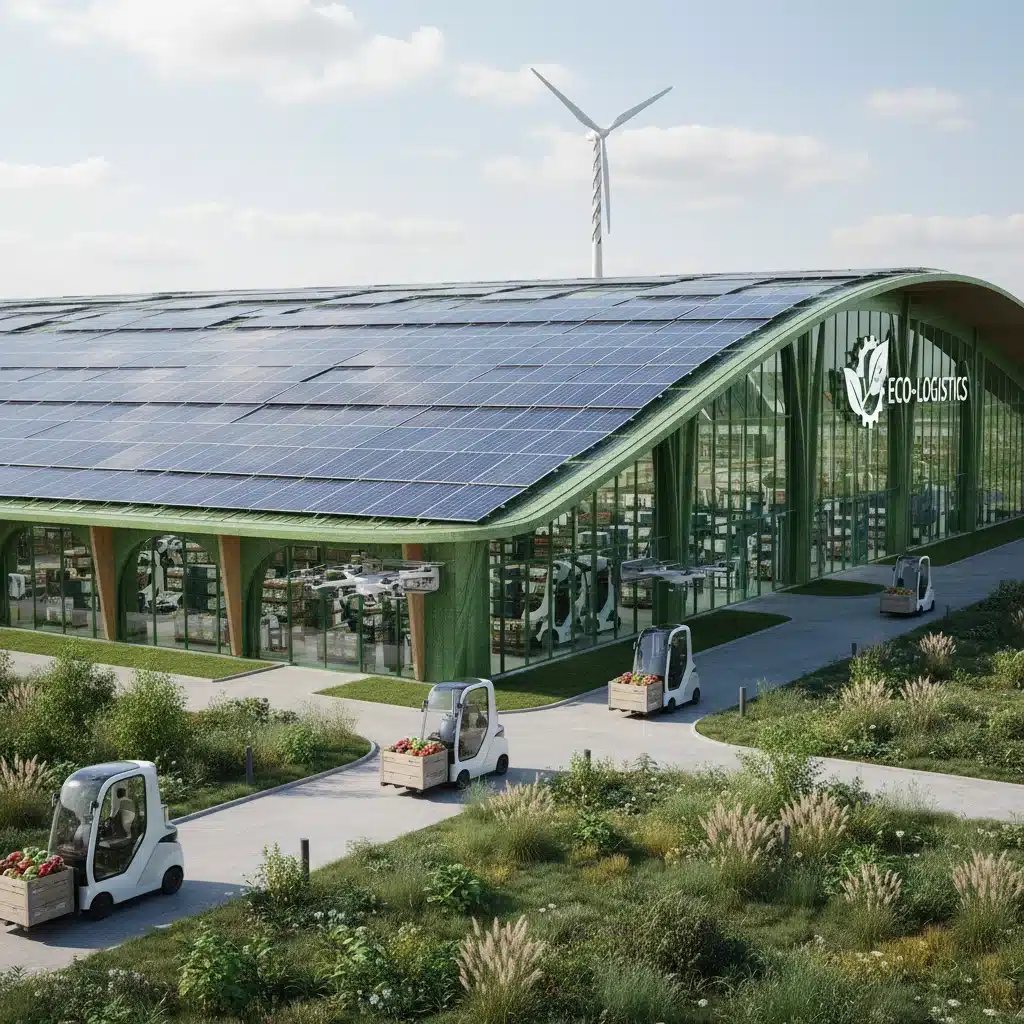
The logistics and supply chain sectors are under increasing pressure to reduce their environmental footprint. With global climate targets looming and consumer demand for sustainable practices growing, the concept of Net-Zero Warehousing has moved from an aspirational goal to an urgent imperative. Specifically, the ambitious objective of powering 100% of U.S. distribution centers with renewable energy by 2035 represents a monumental shift towards a truly sustainable future. This comprehensive article will explore the pathways, technologies, challenges, and immense benefits associated with achieving this transformative vision.
Warehouses, as the backbone of modern commerce, are significant energy consumers. From lighting and heating/cooling to material handling equipment and sophisticated automation systems, their energy demands are substantial. Transitioning these facilities to net-zero status, meaning they produce as much energy as they consume on an annual basis, primarily through on-site or off-site renewable sources, is a complex yet achievable endeavor. The 2035 target is not merely a hypothetical benchmark; it is a call to action for every stakeholder in the supply chain to embrace innovation and collaboration.
The Imperative for Net-Zero Warehousing
Why is the push for Net-Zero Warehousing so critical? The reasons are multifaceted, encompassing environmental responsibility, economic viability, and regulatory compliance. The logistics industry accounts for a significant portion of global greenhouse gas emissions. Warehouses, specifically, contribute through their direct energy consumption and the embodied energy in their construction and equipment. Decarbonizing these operations is essential to combating climate change and achieving broader national and international sustainability goals.
Environmental Stewardship and Climate Change Mitigation
The primary driver for net-zero initiatives is the urgent need to mitigate climate change. By transitioning to renewable energy sources, warehouses can drastically reduce their carbon emissions, contributing to cleaner air and a healthier planet. This move aligns with global efforts to limit global warming to well below 2°C above pre-industrial levels, as outlined in the Paris Agreement. Companies that embrace net-zero practices demonstrate strong environmental stewardship, enhancing their brand reputation and attracting environmentally conscious consumers and employees.
Economic Advantages and Operational Resilience
Beyond environmental benefits, Net-Zero Warehousing offers significant economic advantages. Investing in renewable energy technologies can lead to substantial long-term cost savings by reducing reliance on volatile fossil fuel markets. Generating electricity on-site or procuring it through long-term renewable energy contracts provides price stability and predictability. Furthermore, these investments can increase operational resilience, safeguarding facilities against power outages and grid instability, a growing concern in many regions. Government incentives, tax credits, and grants also sweeten the deal, making the financial case for renewable energy adoption even stronger.
Regulatory Compliance and Future-Proofing
As governments worldwide enact stricter environmental regulations, companies that proactively adopt net-zero strategies are better positioned for future compliance. Early adoption can provide a competitive advantage, avoiding potential fines, carbon taxes, and reputational damage associated with non-compliance. Moreover, investors and stakeholders are increasingly scrutinizing companies’ ESG (Environmental, Social, and Governance) performance. A strong commitment to Net-Zero Warehousing enhances a company’s ESG profile, making it more attractive to investors and fostering long-term value creation.
Key Technologies for Achieving Net-Zero Warehousing
The journey to Net-Zero Warehousing by 2035 hinges on the widespread adoption and integration of proven and emerging renewable energy technologies. A holistic approach combining energy generation, storage, and intelligent management is crucial.
Solar Photovoltaic (PV) Systems
Solar PV is arguably the most accessible and widely deployed renewable energy technology for warehouses. The vast, flat roof spaces characteristic of many distribution centers are ideal for installing large-scale solar arrays. These systems convert sunlight directly into electricity, providing a clean, on-site power source. Advances in solar panel efficiency, durability, and cost-effectiveness have made PV an increasingly attractive option. Ground-mounted solar farms adjacent to warehouses are also viable where space permits, offering additional generation capacity.
Wind Energy Solutions
While large utility-scale wind farms are common, smaller, distributed wind turbines can also play a role in powering individual warehouses, particularly in regions with consistent wind resources. Technological advancements have led to more efficient and quieter small-scale turbines suitable for industrial settings. Integrating wind energy complements solar power, as wind often blows more strongly at night or during cloudy periods, providing a more consistent renewable energy supply.
Battery Energy Storage Systems (BESS)
_n
The intermittency of solar and wind power necessitates robust energy storage solutions. Battery Energy Storage Systems (BESS) are critical for achieving true Net-Zero Warehousing. BESS allows warehouses to store surplus renewable energy generated during peak production times (e.g., sunny afternoons) and discharge it when demand is high or renewable generation is low (e.g., evenings, cloudy days). This not only maximizes self-consumption of renewable energy but also provides grid services, such as peak shaving and demand response, which can generate additional revenue or reduce utility costs.
Geothermal Energy
Geothermal systems leverage the stable temperature of the earth to provide highly efficient heating and cooling for warehouses. While the initial installation costs can be higher than traditional HVAC systems, geothermal offers significant long-term energy savings and a drastically reduced carbon footprint for temperature control, a major energy consumer in warehouses.
Bioenergy and Waste-to-Energy
In certain contexts, particularly for warehouses handling organic waste, bioenergy solutions can be viable. Anaerobic digestion can convert organic waste into biogas, which can then be used to generate heat and electricity. While less universally applicable than solar or wind, bioenergy can offer a localized, circular economy solution for specific types of distribution centers.
Implementing Renewable Energy: Strategies and Best Practices
Achieving the 2035 target requires a strategic, phased approach to renewable energy integration across the U.S. warehousing landscape.
Energy Audits and Efficiency First
Before investing heavily in renewable energy generation, warehouses must prioritize energy efficiency. Conducting comprehensive energy audits helps identify areas of high consumption and opportunities for reduction. Upgrades such as LED lighting, high-efficiency HVAC systems, improved insulation, smart building management systems, and optimized equipment scheduling can significantly reduce a warehouse’s overall energy demand, making the net-zero goal more attainable and cost-effective.
On-Site vs. Off-Site Renewable Energy Procurement
While on-site generation (e.g., rooftop solar) is ideal for direct energy consumption and lower transmission losses, it may not always be sufficient or feasible for all facilities. Off-site renewable energy procurement offers an alternative. This can involve:
- Power Purchase Agreements (PPAs): Long-term contracts to purchase electricity directly from a renewable energy project (solar farm, wind farm).
- Virtual PPAs (VPPAs): Financial contracts where the warehouse agrees to pay a fixed price for renewable energy, providing financial stability for renewable energy developers.
- Renewable Energy Certificates (RECs): Purchasing RECs allows companies to claim the environmental attributes of renewable electricity generation, even if they don’t directly consume it.
A combination of on-site generation and off-site procurement will likely be necessary to meet the 100% renewable energy target for many large distribution networks.
Smart Energy Management Systems (EMS)
An intelligent EMS is crucial for optimizing energy consumption and generation. These systems use data analytics, AI, and machine learning to monitor real-time energy flows, predict demand, and control various building systems (HVAC, lighting, equipment) to maximize efficiency and renewable energy self-consumption. An EMS can also manage battery storage, ensuring optimal charging and discharging cycles.
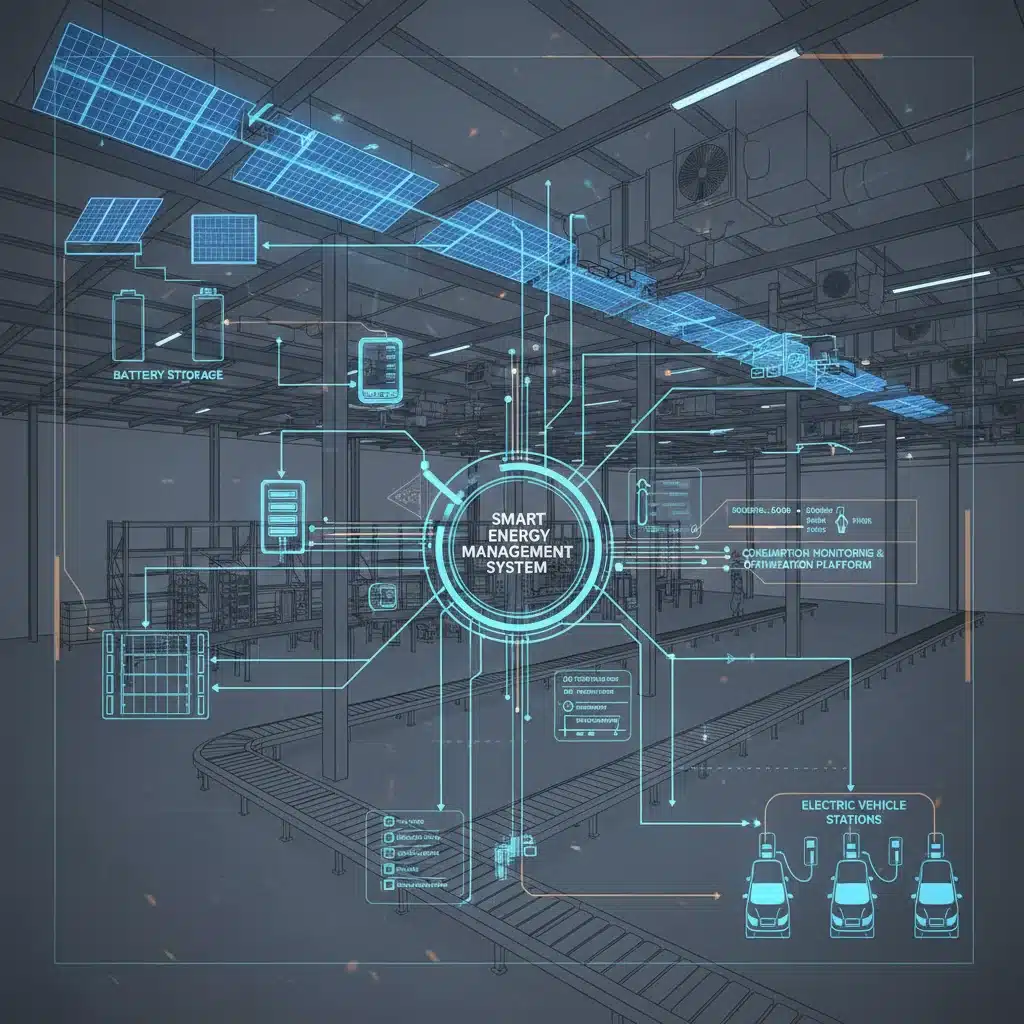
Electrification of Fleet and Equipment
Achieving true Net-Zero Warehousing extends beyond building operations to include the electrification of material handling equipment (forklifts, pallet jacks) and last-mile delivery fleets. Charging electric vehicles (EVs) and equipment with renewable energy generated on-site further reduces the overall carbon footprint of the distribution center. Integrating EV charging infrastructure with the warehouse’s renewable energy system and battery storage can create a powerful ecosystem for clean logistics.
Challenges and Solutions on the Path to Net-Zero Warehousing
While the vision is clear, several challenges must be addressed to achieve 100% renewable energy for U.S. distribution centers by 2035.
Initial Capital Investment
The upfront cost of installing large-scale solar arrays, battery storage, and other renewable energy infrastructure can be substantial. However, various financing models, such as third-party ownership (where a developer owns and maintains the system, selling electricity back to the warehouse), leases, and green loans, can help mitigate this barrier. Government incentives and tax credits also play a vital role in improving project economics.
Grid Interconnection and Permitting
Connecting large on-site renewable energy systems to the grid can be complex, involving intricate permitting processes, utility approvals, and grid modernization requirements. Streamlining these processes at local and state levels is essential to accelerate deployment. Collaboration between warehouse operators, renewable energy developers, and utilities is key to navigating these challenges efficiently.
Space Constraints
While many warehouses have ample roof space, some older or smaller facilities may have limitations. Creative solutions like solar carports, vertical solar installations, or off-site renewable energy procurement become crucial in such cases. Optimizing every available square foot for energy generation is a design imperative.
Technological Integration and Management
Integrating diverse renewable energy technologies with existing warehouse infrastructure and managing them efficiently requires specialized expertise. The complexity of balancing generation, storage, and demand necessitates advanced energy management systems and skilled personnel. Investing in training and leveraging experienced energy consultants can help overcome this challenge.
Policy and Regulatory Support
Consistent and supportive policy frameworks at federal, state, and local levels are paramount. This includes stable tax incentives, clear interconnection standards, favorable net metering policies, and streamlined permitting processes. Policy certainty encourages long-term investment and widespread adoption of renewable energy in the logistics sector.
The Broader Impact: Benefits of Net-Zero Warehousing
The successful transition to Net-Zero Warehousing will yield far-reaching benefits that extend beyond individual companies.
Enhanced Brand Reputation and Customer Loyalty
In an era of increasing environmental awareness, companies demonstrating genuine commitment to sustainability enjoy enhanced brand reputation and stronger customer loyalty. Consumers are increasingly willing to support brands that align with their values, making net-zero initiatives a powerful differentiator in a competitive market.
Talent Attraction and Retention
A strong sustainability ethos also makes companies more attractive to top talent, particularly among younger generations who prioritize working for socially responsible organizations. Employees are more engaged and motivated when they feel their work contributes positively to the world, leading to improved retention rates.
Contribution to a Resilient National Grid
The distributed nature of renewable energy generation on warehouse rooftops contributes to a more decentralized and resilient national power grid. By generating power locally and potentially feeding surplus back into the grid, warehouses can help stabilize the electricity supply, reduce strain on central power plants, and decrease the risk of widespread outages.
Innovation and Economic Growth
The pursuit of Net-Zero Warehousing stimulates innovation in renewable energy technologies, energy storage, smart grid solutions, and sustainable building materials. This drives economic growth, creates new jobs in green industries, and positions the U.S. as a leader in sustainable logistics.
Case Studies and Early Adopters
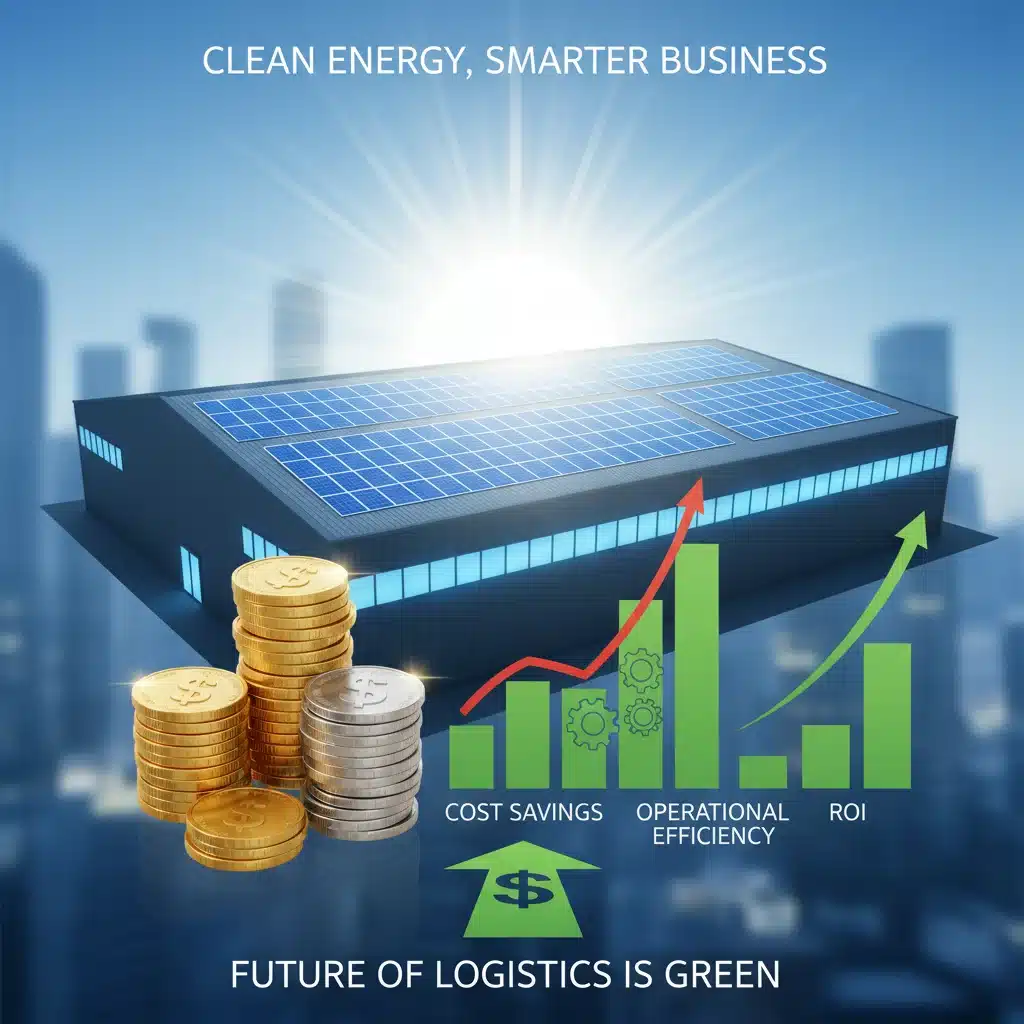
Many leading companies are already making significant strides towards Net-Zero Warehousing, providing valuable blueprints for others. Companies like Amazon, Walmart, and Prologis have invested heavily in rooftop solar, energy efficiency upgrades, and renewable energy procurement across their vast logistics networks. These early adopters demonstrate the feasibility and economic viability of such initiatives, showcasing how large-scale implementation is not only possible but also beneficial for the bottom line and the planet.
For example, Amazon has committed to powering its operations with 100% renewable energy, utilizing extensive solar installations on its fulfillment centers and investing in large-scale off-site wind and solar projects. Prologis, a major owner of logistics real estate, has implemented numerous solar installations across its portfolio, actively pursuing net-zero goals for its buildings. These examples prove that with strategic planning and investment, the 2035 target is within reach for the entire U.S. warehousing sector.
The Road Ahead: A Collaborative Effort
Achieving 100% renewable energy for U.S. distribution centers by 2035 is an ambitious goal that requires unprecedented collaboration among various stakeholders:
- Warehouse Operators and Owners: Must commit to investing in renewable energy, conducting energy audits, and implementing efficiency measures.
- Renewable Energy Developers and Technology Providers: Need to continue innovating, improving efficiency, and reducing costs of solar, wind, storage, and smart energy management systems.
- Government and Policy Makers: Crucial for establishing supportive policies, incentives, and streamlined regulatory frameworks that accelerate adoption.
- Utilities: Play a pivotal role in modernizing the grid, facilitating interconnection, and offering programs that support distributed renewable energy.
- Financial Institutions: Essential for providing accessible and attractive financing options for renewable energy projects.
The logistics industry must also foster a culture of knowledge sharing and best practices. Industry associations and forums can facilitate the exchange of information, lessons learned, and successful strategies, helping to accelerate the transition across the sector.
Conclusion: A Sustainable Future for Logistics
The vision of Net-Zero Warehousing, powered entirely by renewable energy across all U.S. distribution centers by 2035, is not merely an environmental aspiration; it is an economic opportunity and a strategic imperative. The technologies are available, the economic case is strengthening, and the environmental urgency is undeniable. While challenges exist, they are surmountable through innovation, strategic investment, and collaborative action.
Embracing this transformation will not only allow the logistics sector to meet its climate responsibilities but will also create a more resilient, efficient, and economically vibrant supply chain. The journey to Net-Zero Warehousing is a testament to human ingenuity and our collective commitment to building a sustainable future, one distribution center at a time. The time to act is now, paving the way for a greener, cleaner, and more robust logistics ecosystem for generations to come.