Low-emission freight corridors implementation: a sustainable approach
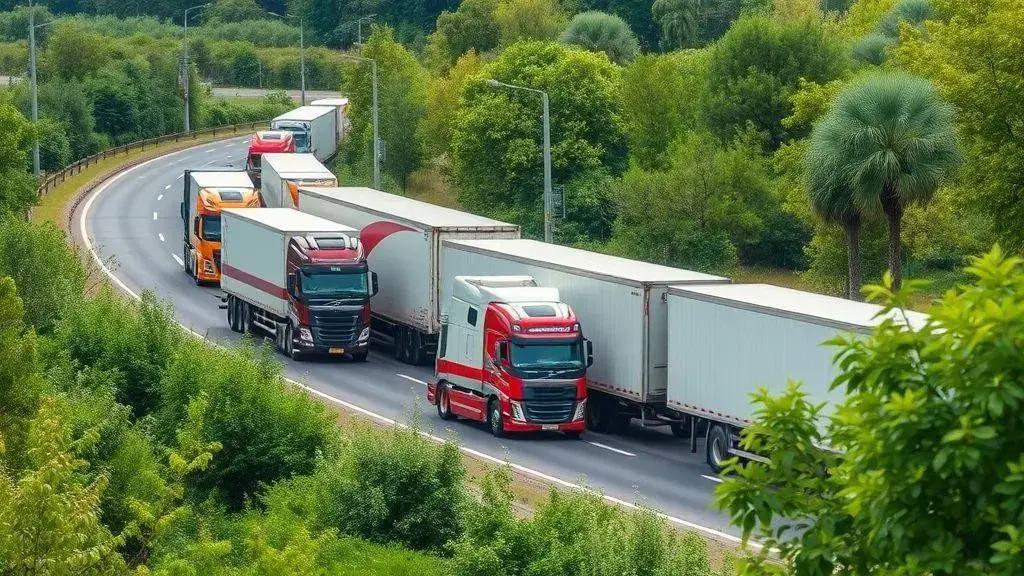
Low-emission freight corridors implementation focuses on creating sustainable transport routes that reduce emissions while promoting economic growth through advanced technologies and stakeholder collaboration.
Low-emission freight corridors implementation is gaining attention as a crucial step in sustainable logistics. Have you ever thought about how these corridors can transform freight transport? Let’s dive into their significance and practical applications.
Understanding low-emission freight corridors
Understanding low-emission freight corridors is essential for a greener future. These corridors represent a proactive approach to reducing pollution and improving logistics efficiency. By focusing on alternative transport options, we can significantly lower emissions while meeting our freight demands.
What are low-emission freight corridors?
Low-emission freight corridors are designated routes where sustainable transportation methods are prioritized. This includes electric and hybrid vehicles, as well as the use of rail networks that utilize clean energy. The aim is to decrease greenhouse gas emissions from freight transport, making it more environmentally friendly.
Benefits of low-emission freight corridors
Implementing these corridors offers numerous advantages. Here are some key benefits:
- Reduction in emissions: Lowering the carbon footprint of freight transport.
- Enhanced air quality: Significant improvements in urban areas.
- Cost savings: Potential reductions in fuel costs and maintenance.
These corridors also help to encourage the development of green technologies, which can further promote sustainable logistics practices. By investing in low-emission freight corridors, companies can improve their public image while also complying with regulations aimed at reducing environmental impact.
Moreover, local communities benefit from better air quality and reduced noise levels. This creates a positive environment for residents and promotes healthier lifestyles. As more businesses adopt low-emission strategies, the cumulative impact can lead to substantial long-term benefits.
In essence, understanding low-emission freight corridors means recognizing their crucial role in shaping a sustainable future for transport. As society moves towards greater environmental awareness, these corridors are likely to become an integral part of our logistics networks.
Key benefits for the environment and economy
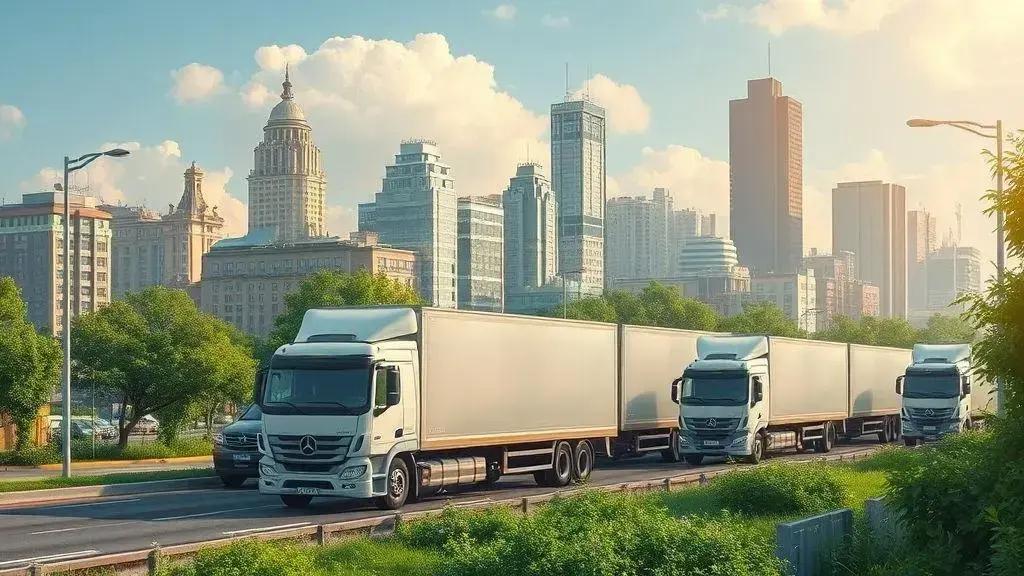
The key benefits for the environment and economy of low-emission freight corridors are significant and far-reaching. These corridors not only help reduce carbon emissions but also promote economic growth through sustainable practices. By adopting greener logistics strategies, businesses can enhance their competitiveness while contributing to a healthier planet.
Environmental impacts
One of the most notable benefits is the improvement in air quality. Reduced emissions lead to fewer pollutants in the atmosphere, which can decrease respiratory issues in urban areas. This has a direct positive impact on public health. Furthermore, low-emission corridors contribute to mitigating climate change, as they align with global emissions reduction targets.
Economic advantages
On the other hand, there are significant economic benefits associated with these freight corridors:
- Cost efficiency: Using alternative fuels and technologies often results in lower fuel costs.
- Job creation: Transitioning to green logistics creates jobs in new sectors, such as renewable energy and electric vehicle manufacturing.
- Increased trade: Sustainable transport methods can attract more businesses looking for eco-friendly shipping options.
Moreover, customers are increasingly favoring businesses that demonstrate a commitment to sustainability. This shift in consumer preferences can drive companies to adopt low-emission practices, ultimately benefiting the economy. The interdependence between environmental health and economic growth is clear: healthy ecosystems support thriving economies, and low-emission freight corridors exemplify this relationship.
By prioritizing these routes, companies not only fulfill their corporate social responsibilities but also position themselves for future success in an increasingly eco-conscious market. The synergy between environmental and economic benefits makes low-emission freight corridors a win-win solution for all stakeholders involved.
Implementation strategies for successful corridors
Implementation strategies for successful low-emission freight corridors involve a multi-faceted approach that addresses planning, technology adoption, and stakeholder engagement. By taking the right steps, organizations can ensure the success of these sustainable routes.
Planning and design
Effective planning is crucial for creating successful corridors. This includes assessing routes, identifying potential obstacles, and understanding local regulations. Collaboration with local governments can lead to better infrastructure planning that supports sustainable transport systems.
Technology integration
Incorporating advanced technologies is essential. Here are key technologies to consider:
- Electric vehicles: Utilizing electric trucks and vans can significantly reduce emissions.
- Smart logistics: Implementing logistics software helps in route optimization, reducing travel time and fuel consumption.
- Alternative fuels: Exploring biofuels and hydrogen as shipment options can further drive emissions down.
By integrating these technologies, companies can significantly enhance the operational efficiency of their low-emission freight corridors. The ongoing development of electric charging stations and alternative fuel infrastructure will also play a vital role in sustaining these corridors.
Engaging stakeholders, including freight operators, local businesses, and the community, is equally important. Creating a cohesive strategy involves clear communication and collaboration to ensure all parties can contribute effectively. Regular updates and feedback sessions can help refine processes and address any challenges that arise.
Investing in employee training is another crucial element. Workers must understand how to operate new technologies and adapt to changing logistics systems. Providing training programs ensures that the workforce can make the most of low-emission initiatives.
Challenges and solutions in developing these corridors
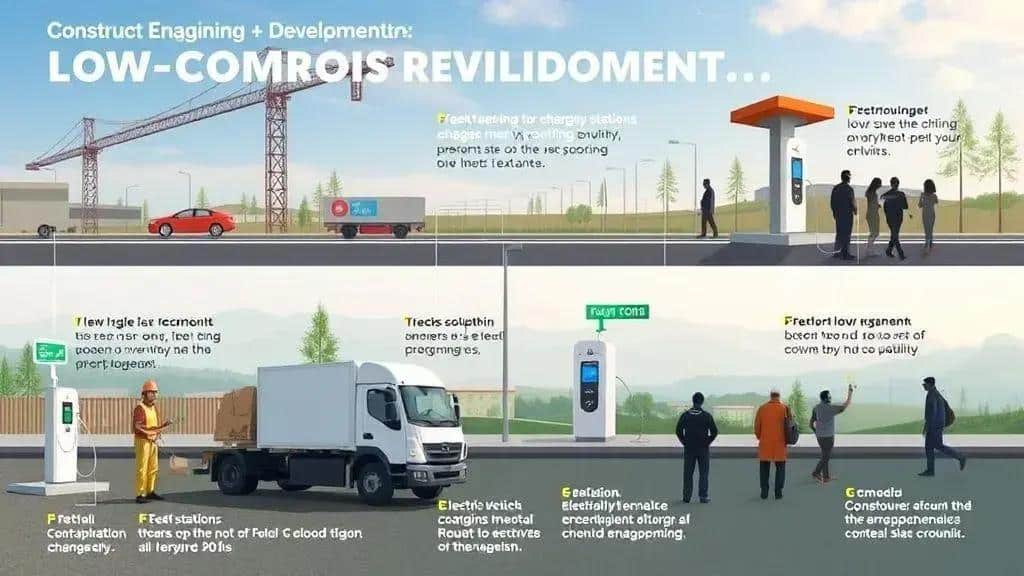
Developing low-emission freight corridors comes with challenges that need careful consideration. Understanding these obstacles is key to implementing effective solutions. As cities strive for sustainability, overcoming these hurdles ensures the success of these vital transport routes.
Common challenges
One major challenge is the initial cost of establishing low-emission infrastructure. Investments in electric charging stations and alternative fuel facilities can be substantial. Many businesses are hesitant to make these investments without immediate returns. Another challenge is the transition of current fleets. Upgrading to electric or hybrid vehicles involves not only financial costs but also training for drivers and maintenance staff.
Solutions to overcome obstacles
There are several effective strategies to address these challenges:
- Government incentives: Providing subsidies or tax breaks can encourage companies to invest in low-emission technologies.
- Public-private partnerships: Collaborations between government and private companies can help share costs and resources for infrastructure development.
- Phased implementation: Gradually rolling out upgrades allows businesses to adjust without overwhelming financial burdens.
Additionally, educating stakeholders about the long-term benefits of low-emission corridors can foster enthusiasm and support for these initiatives. Creating awareness about the positive impacts on health and the environment helps shift perspectives. Engaging with community members through public forums can also promote buy-in from residents. Their support is critical for the acceptance of changes in local transportation systems.
Furthermore, comprehensive planning and pilot projects can provide valuable data on the effectiveness of various approaches. Implementing a few test corridors can help identify best practices and potential pitfalls before wider deployment. This incremental approach allows organizations to refine strategies, ensuring efficiency and effectiveness.
FAQ – Frequently Asked Questions about Low-Emission Freight Corridors
What are low-emission freight corridors?
Low-emission freight corridors are designated routes that prioritize sustainable transportation methods to reduce emissions and environmental impact.
How do low-emission corridors benefit the economy?
They promote economic growth by creating jobs in green technologies and encouraging businesses to adopt sustainable practices.
What challenges do low-emission corridors face?
Challenges include high initial costs, the need for infrastructure upgrades, and the transition of existing fleets to low-emission technologies.
What solutions exist for implementing low-emission corridors?
Solutions include government incentives, public-private partnerships, and phased implementation of new technologies.