Low-emission ferry propulsion: the future of green travel
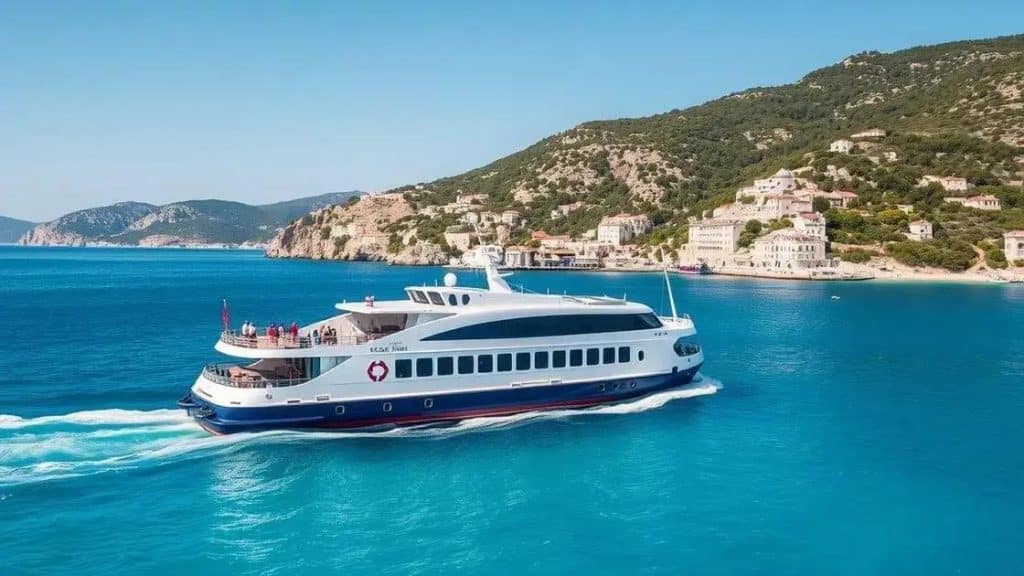
Low-emission ferry propulsion utilizes advanced technologies, such as electric and hydrogen systems, to reduce emissions, enhance air quality, and promote sustainable maritime travel, despite challenges like high costs and infrastructure needs.
Imagine traveling across the water on a ferry that doesn’t harm the environment. Low-emission ferry propulsion is making this a reality. Curious about how it works and the benefits it brings? Let’s explore.
Understanding low-emission ferry propulsion
Understanding low-emission ferry propulsion is key to grasping how modern ferries can operate more sustainably. These innovative technologies aim to reduce the environmental impact of maritime transportation. To appreciate this advancement, we need to explore the various systems in use.
What are low-emission systems?
Low-emission systems utilize alternative energy sources and advanced technologies. Common types include:
- Battery-electric systems: Ferries powered entirely by batteries provide quiet, pollution-free travel.
- Hydrogen fuel cells: These cells convert hydrogen into electricity, emitting only water vapor.
- Hybrid propulsion: Combining conventional engines with electric motors promotes efficiency.
Each system plays a vital role in enhancing sustainability. For example, battery-electric ferries significantly cut down on greenhouse gas emissions while providing similar range and performance to traditional vessels.
Benefits of low-emission ferry propulsion
The advantages of adopting low-emission ferry propulsion extend beyond environmental impact. These ferries can lead to:
- Lower operating costs: Alternative energy sources can reduce fuel expenses.
- Increased public health: Less air pollution contributes to cleaner air for communities.
- Regulatory compliance: As regulations become stricter, these vessels help operators stay ahead.
In addition to cost savings, many passengers enjoy the quietness and smoother rides offered by these systems. As more ferry operators consider low-emission technologies, we can expect to see even more improvements and innovations.
Investing in low-emission ferry propulsion isn’t just smart; it reflects a commitment to a greener future. As advancements continue, we will likely see a broader adoption of these transformative technologies in the maritime industry.
Technologies driving low-emission ferries
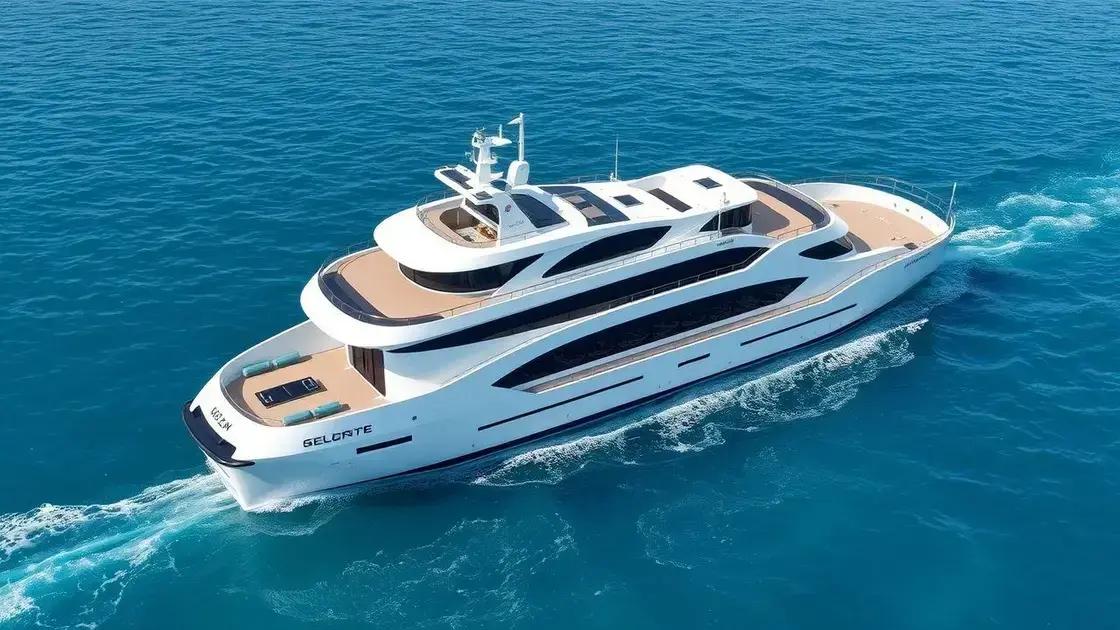
Technologies driving low-emission ferries are at the forefront of transforming maritime travel. By employing innovative solutions, these ferries significantly reduce their environmental footprint while enhancing efficiency.
Electric propulsion systems
At the heart of many low-emission ferries is electric propulsion. Battery-powered systems are becoming more common. These systems utilize rechargeable batteries, allowing ferries to operate without emissions during their journey. As battery technology continues to advance, these vessels can travel longer distances on a single charge.
Hydrogen fuel cells
Hydrogen fuel cells represent another promising technology. They generate electricity through a chemical reaction between hydrogen and oxygen, producing only water as a byproduct. This tech allows ferries to sail long distances while being environmentally friendly. With infrastructure improvements, hydrogen fueling stations could soon be commonplace.
Hybrid systems
Another option is hybrid propulsion, which combines traditional fuel engines with electric motors. These systems optimize fuel efficiency and reduce pollution. By running on electric power for short distances and switching to fuel for longer trips, ferries can balance performance with environmental responsibility.
Other technologies include advanced hull designs that improve aerodynamics and reduce drag, allowing ferries to travel more efficiently. Additionally, software systems for monitoring energy usage help operators maximize the efficiency of these vessels. By incorporating these technologies, the future of ferry travel looks promising and sustainable.
Environmental benefits of low-emission propulsion
The environmental benefits of low-emission propulsion are significant and far-reaching. These technologies not only enhance ferry operations but also contribute to healthier ecosystems and communities.
Reduction of greenhouse gases
One of the primary advantages of low-emission propulsion is its ability to drastically reduce greenhouse gas emissions. Traditional ferries emit a large amount of carbon dioxide (CO2) and other harmful gases. In contrast, vessels that use electric or hydrogen fuel cell systems can operate with little to no emissions, helping to combat climate change.
Improved air quality
By utilizing low-emission technologies, ferries help improve air quality in coastal areas. Diesel engines produce nitrogen oxides (NOx) and particulate matter that can harm health. Ferries powered by cleaner energy sources minimize these pollutants, resulting in better health outcomes for nearby populations. Cleaner air leads to lower rates of respiratory diseases and other health issues.
Preservation of marine ecosystems
Pollution from traditional ferry engines can have severe impacts on marine life. The shift to low-emission propulsion helps protect delicate marine ecosystems. With fewer pollutants entering the water, marine animals and plants can thrive. Furthermore, quieter operations reduce noise pollution, benefiting sensitive species such as whales and dolphins.
These ferries also support sustainable tourism. As travelers become more environmentally conscious, they seek eco-friendly options. Low-emission ferries attract tourists who appreciate green travel, creating a positive economic impact on communities. The combined benefits of improved air quality, reduced emissions, and the preservation of natural resources make a compelling case for adopting these technologies in ferry operations.
Challenges in implementing green ferry technologies
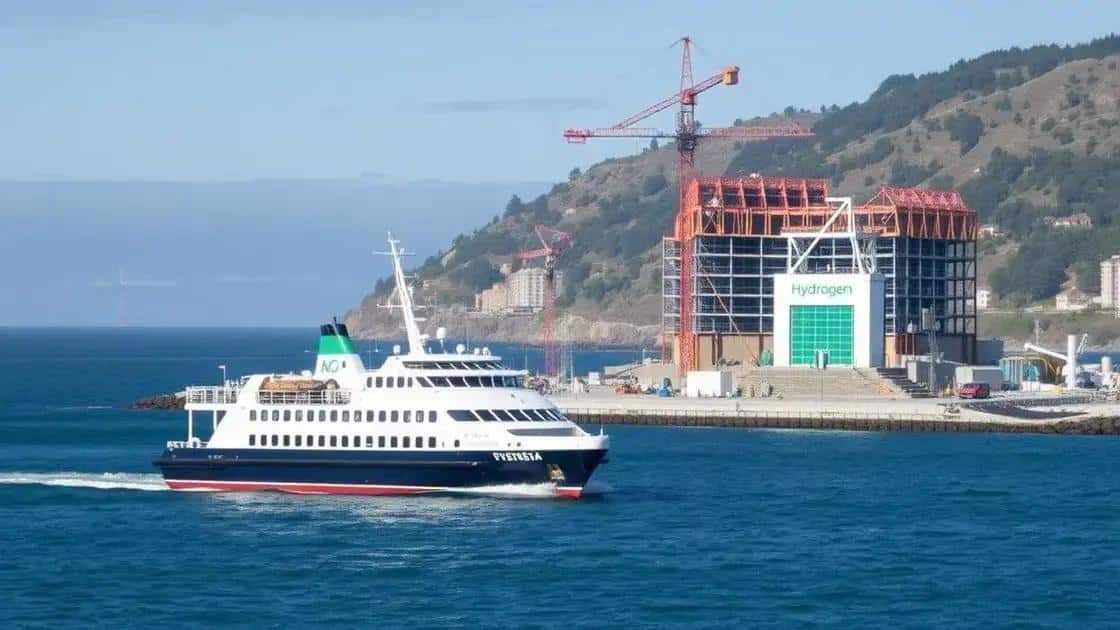
While green ferry technologies promise many benefits, there are significant challenges to overcome. Understanding these obstacles is essential for promoting the adoption of low-emission solutions in the maritime industry.
High initial costs
One of the main barriers is the high initial cost of implementing green technologies. Upgrading or building new ferries that utilize electric or hydrogen propulsion requires substantial investment. Many ferry operators rely on traditional methods that are less expensive in the short term, making it difficult to justify the switch. However, as technology advances, prices are expected to decrease.
Limited infrastructure
The success of low-emission ferries also depends on adequate infrastructure. For example, charging stations for electric ferries and fueling stations for hydrogen vessels are not widespread. Building this infrastructure demands additional investment and coordination with various stakeholders. Without proper facilities, operators may be hesitant to transition to green technologies.
Regulatory hurdles
Navigating regulations can pose another challenge. Different regions have varying rules regarding emissions and vessel operations. This complexity makes it difficult for operators to align with all the legal requirements, potentially hindering progress on adopting these technologies.
Additionally, there is often a lack of incentives for ferry operators to make the switch. While some government programs exist, many operators remain unaware of the potential funding or support available. Education on the benefits of low-emission propulsion is essential in this context. Collaborating with governments to create clear guidelines and support systems can help ease the transition.
Despite these challenges, the move towards green ferry technologies is vital. Identifying solutions to these issues will pave the way for a cleaner maritime future.
FAQ – Frequently Asked Questions about Low-Emission Ferry Propulsion
What are the main benefits of low-emission ferry technologies?
Low-emission ferry technologies reduce greenhouse gas emissions, improve air quality, and protect marine ecosystems, contributing to a healthier environment.
What challenges do ferry operators face when adopting green technologies?
Ferry operators encounter high initial costs, limited infrastructure, and complex regulations that can make the transition difficult.
How do electric and hydrogen ferries differ from traditional ferries?
Electric and hydrogen ferries operate with little to no emissions, while traditional ferries rely on fossil fuels, leading to higher pollution levels.
What role does government support play in implementing green ferry technologies?
Government support can provide incentives, funding opportunities, and clear regulations, helping ferry operators make the switch to low-emission technologies.