Latest logistics industry mergers and acquisitions revealed

The latest logistics industry mergers and acquisitions are reshaping market dynamics by enhancing efficiency, expanding service offerings, and responding to evolving consumer demands through technology and sustainable practices.
Latest logistics industry mergers and acquisitions are shaking up the supply chain landscape, sparking both opportunities and challenges for businesses. Have you considered how these changes might affect your operations?
Recent trends in mergers and acquisitions
In recent years, the landscape of the logistics industry has been transformed by a wave of mergers and acquisitions. Understanding these changes is crucial for businesses to stay competitive. Companies are consolidating, which can lead to significant shifts in market power and influence.
Current Trends Shaping the Industry
One noticeable trend is the focus on technology integration. Firms are aiming to enhance operational efficiency by combining their technological resources.
- Increased investment in automation
- Greater emphasis on data analytics
- Strategic partnerships to boost innovation
Moreover, environmental sustainability is becoming a key driver in these transactions. Companies are motivated to merge with or acquire firms that excel in green logistics practices.
Impact on Market Dynamics
The importance of geographical reach is also evident. Firms are attempting to expand their footprint, allowing broader service areas and improved customer satisfaction. As companies merge, the ability to offer comprehensive logistics solutions becomes paramount.
- Expansion into emerging markets
- Enhanced supply chain visibility
- Improved customer service options
These changes not only affect the logistics companies but also ripple through their client base. As operational capabilities enhance, clients experience improved product delivery and service reliability.
These ongoing mergers and acquisitions signify a shift towards a more integrated and responsive logistics sector. As we observe these trends, it becomes clear that adaptability and innovation are essential for all players in the market.
Major players in the logistics sector
The logistics sector is filled with influential players who drive the industry forward. Recognizing these major players and their roles is essential for understanding the market’s dynamics. Companies are collaborating and competing, creating a vibrant landscape.
Key Companies Shaping the Market
Some of the key companies in the logistics sector include global leaders like UPS, FedEx, and DHL. These firms have established strong networks and advanced technologies, allowing them to remain competitive.
- UPS: Known for its extensive ground service.
- FedEx: Offers reliable express delivery options.
- DHL: Specializes in international shipping.
In addition to these giants, regional players also carve out significant niches. They often focus on specific markets or offer specialized services. This diversity adds strength to the logistics ecosystem.
Emerging Competitors
Startups and tech companies are another driving force, leveraging innovation to disrupt traditional models. Many of these emerging players emphasize technology to enhance supply chain efficiencies. They are quickly gaining market share and challenging established norms.
- Technology integration for real-time tracking.
- Data-driven decision-making for better efficiency.
- Sustainable practices promoting green logistics.
The mix of established companies and innovative newcomers creates a dynamic environment where collaboration often leads to better solutions. As the logistics landscape continues to evolve, understanding these major players and their strategies is vital for businesses at all levels.
Impact of mergers on logistics efficiency
Mergers in the logistics industry have a profound impact on operational efficiency. When companies combine their resources, they can streamline processes and reduce costs. This leads to improved performance, which benefits both the companies involved and their customers.
Benefits of Mergers
One significant advantage of mergers is the increased scale of operations. Larger companies can spread their fixed costs over a greater volume of goods, lowering per-unit costs. This often results in better pricing for consumers.
- Enhanced supply chain management through combined networks.
- Improved service offerings cover a wider range of logistics needs.
- Increased bargaining power with suppliers.
Additionally, merging companies often share best practices and technologies. For instance, one company may excel in inventory management software, while another has superior delivery tracking systems. By combining these strengths, the new entity becomes more efficient.
Challenges of Mergers
However, mergers also present challenges that can impact logistics efficiency. Integrating different corporate cultures may lead to initial disruptions. Employees need to adapt to new systems and processes, which can temporarily slow operations.
- Potential delays during the transition phase.
- Training and integration costs can be substantial.
- Loss of operational focus if not managed carefully.
Despite these hurdles, the long-term benefits of mergers typically outweigh the short-term difficulties. Companies that effectively manage the transition can achieve greater operational efficiencies, positioning themselves for future success.
Future outlook for the logistics industry
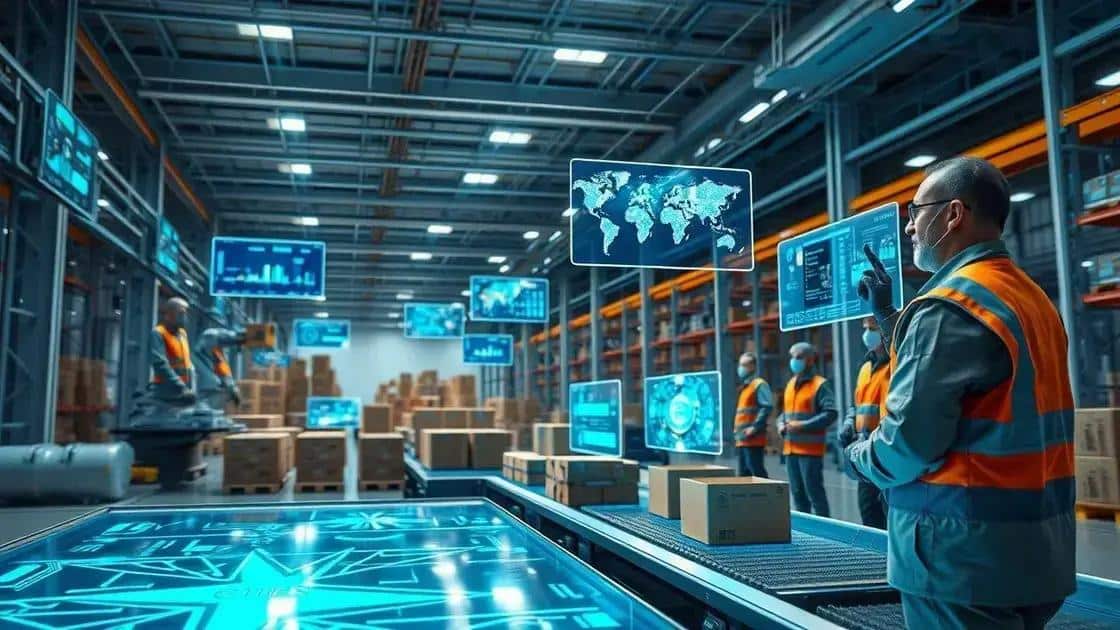
The future outlook for the logistics industry is promising, driven by advancements in technology and changing consumer expectations. As businesses adapt to these shifts, it is essential to understand what lies ahead.
Technological Innovations
The integration of new technologies is reshaping logistics. Automation is at the forefront of this evolution, improving efficiency and reducing costs. Companies are investing in robotics and artificial intelligence to streamline operations.
- Automated warehouses for faster order fulfillment.
- Smart shipping solutions using data analytics.
- Drone delivery systems to enhance last-mile logistics.
Moreover, the rise of the Internet of Things (IoT) is allowing for real-time tracking of shipments. This capability not only improves transparency but also enhances customer service by providing accurate delivery estimates.
Shifting Consumer Demands
Consumer behavior is rapidly evolving, with an increasing demand for quick and reliable service. E-commerce growth has accelerated, leading to higher expectations for delivery speed and flexibility. Companies must adapt their logistics strategies to keep pace.
- Increased focus on same-day and next-day delivery.
- Flexible return policies to enhance customer experience.
- Sustainable practices to meet consumer preferences.
These trends indicate that companies need to embrace agility in their logistics operations. The ability to quickly respond to changes in demand will be crucial for success in the coming years.
As the logistics industry looks to the future, companies that leverage technology and prioritize customer needs will likely thrive. The integration of innovative solutions will pave the way for a more efficient and responsive industry.
The logistics industry is evolving rapidly, responding to both technological advancements and changing consumer behavior. As we look to the future, it is clear that companies that embrace innovation and adaptability will have a competitive edge. By integrating new technologies and enhancing customer service, the logistics sector can continue to thrive. Collaboration among major players, along with the rise of emerging competitors, will shape the landscape. Ultimately, staying ahead of these trends will be crucial for success in a dynamic market.
FAQ – Frequently Asked Questions about the Future of the Logistics Industry
What role does technology play in the future of logistics?
Technology will drive efficiency and innovation, with tools like automation and IoT being crucial for improving operations.
How are consumer demands changing logistics operations?
As e-commerce grows, consumers expect faster and more flexible delivery options, pushing companies to adapt their logistics strategies.
Who are the major players influencing the logistics industry?
Large established companies like UPS and FedEx, along with innovative startups, shape the market’s landscape and competitive dynamics.
What trends should logistics companies focus on for sustainability?
Logistics companies should prioritize green practices, such as reducing emissions and improving supply chain transparency, to meet customer preferences.