Mastering Last-Mile Delivery: Achieve 99% On-Time Rates in the U.S. by 2026
In the rapidly evolving landscape of e-commerce and consumer expectations, the significance of last-mile delivery solutions has never been more pronounced. For businesses operating in the United States, mastering this final, often most challenging, leg of the supply chain is not merely a competitive advantage; it’s a fundamental requirement for survival and growth. As we look towards 2026, the aspiration for 99% on-time delivery rates is no longer a distant dream but an achievable target through strategic planning, technological adoption, and continuous optimization.
The last mile, defined as the movement of goods from a transportation hub to their final destination, typically a customer’s doorstep, is fraught with complexities. Traffic congestion, unpredictable weather, inefficient routing, high fuel costs, labor shortages, and rising customer expectations all contribute to making this segment the most expensive and time-consuming part of the delivery process. Estimates suggest that the last mile can account for up to 53% of the total shipping cost. However, with these challenges come immense opportunities for innovation and improvement.
This comprehensive guide delves into practical strategies and last-mile delivery solutions designed to help businesses in the U.S. not only navigate these obstacles but also achieve an impressive 99% on-time delivery rate by 2026. We will explore the technological advancements, operational best practices, and customer-centric approaches that are redefining what’s possible in the world of logistics.
Understanding the Core Challenges of Last-Mile Delivery in the U.S.
Before diving into solutions, it’s crucial to thoroughly understand the multifaceted challenges that make last-mile delivery such a formidable task in the U.S. context. A clear grasp of these hurdles is the first step towards developing effective last-mile delivery solutions.
Urban Congestion and Infrastructure Limitations
American cities, particularly major metropolitan areas, are notorious for traffic congestion. This not only delays deliveries but also increases fuel consumption and operational costs. The existing road infrastructure, while extensive, wasn’t originally designed for the sheer volume of e-commerce deliveries we see today. Parking restrictions, narrow streets, and limited access in certain areas further exacerbate these issues.
Rising Customer Expectations
Thanks to giants like Amazon, customers now expect faster, cheaper, and more flexible delivery options, often including same-day or next-day delivery. They also demand real-time tracking, accurate estimated times of arrival (ETAs), and convenient return processes. Failing to meet these expectations can lead to customer dissatisfaction, negative reviews, and ultimately, lost business.
High Operational Costs
The last mile is inherently expensive due to several factors: fuel costs, vehicle maintenance, labor wages, and the inefficiency of delivering individual packages to scattered addresses. The high cost per stop, coupled with the need for specialized vehicles (e.g., refrigerated vans for groceries), significantly impacts profitability. Finding cost-effective last-mile delivery solutions is paramount.
Labor Shortages and Driver Retention
The demand for delivery drivers continues to outpace supply, leading to labor shortages. Attracting and retaining qualified drivers is a significant challenge, especially with the demanding nature of the job, long hours, and competitive wages offered by larger logistics companies. High turnover rates lead to increased training costs and operational inefficiencies.
Inefficient Routing and Planning
Without sophisticated tools, manual routing and planning can be highly inefficient, leading to suboptimal routes, missed delivery windows, and increased fuel consumption. The dynamic nature of delivery operations, with last-minute orders, cancellations, and traffic changes, requires agile and adaptive planning.
Package Security and Damage
Ensuring the safe and secure delivery of packages is another critical challenge. Package theft (porch piracy) is a growing concern, particularly in residential areas. Additionally, improper handling during the last mile can lead to damaged goods, resulting in returns, refunds, and a tarnished brand reputation.
Environmental Concerns and Regulations
As environmental awareness grows, so do regulations concerning emissions and noise pollution from delivery vehicles. Businesses are increasingly expected to adopt sustainable practices, such as electric vehicles (EVs) and eco-friendly packaging, adding another layer of complexity and cost to last-mile operations.
Strategic Pillars for Achieving 99% On-Time Delivery Rates by 2026
To overcome these challenges and achieve an ambitious 99% on-time delivery rate, businesses must adopt a multi-pronged approach built upon several strategic pillars. These last-mile delivery solutions are interconnected and mutually reinforcing.
1. Advanced Route Optimization and Planning Software
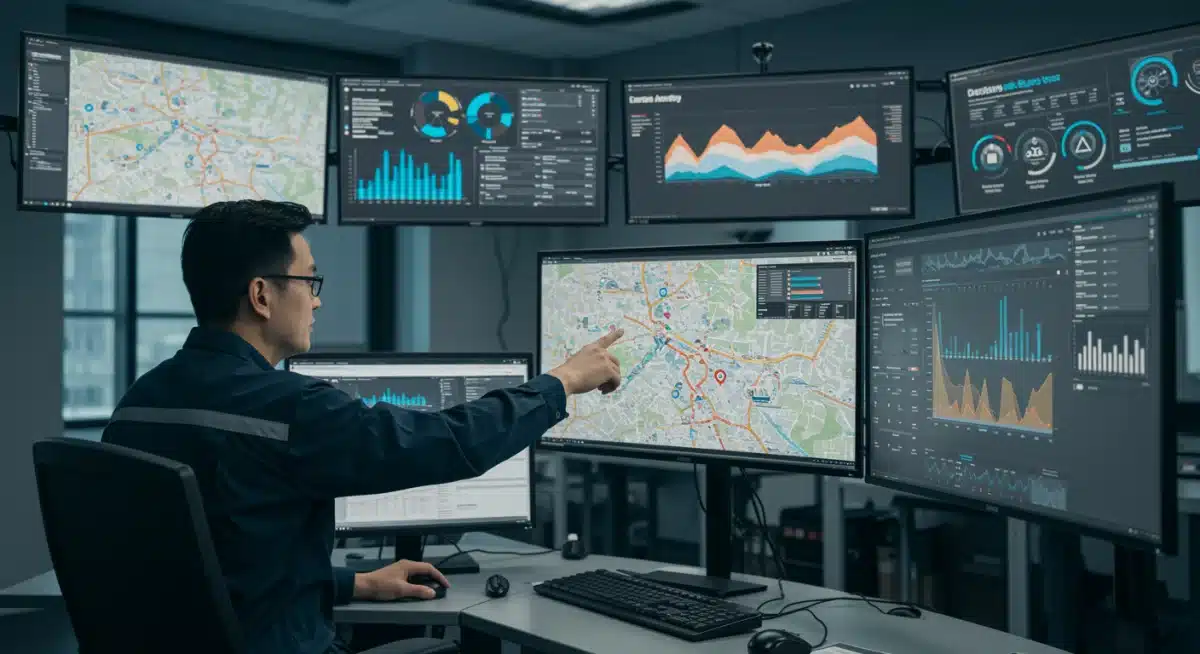
At the heart of efficient last-mile delivery lies sophisticated route optimization software. These platforms utilize artificial intelligence (AI) and machine learning (ML) algorithms to analyze vast amounts of data, including traffic patterns, road closures, delivery windows, driver availability, vehicle capacity, and customer locations, to generate the most efficient routes in real-time.
Key Features and Benefits:
- Dynamic Route Planning: Adapts to real-time changes like traffic, weather, and new orders, ensuring optimal routes are always in use.
- Multi-Stop Optimization: Plans routes for multiple stops, minimizing mileage and fuel consumption.
- Time Window Management: Ensures deliveries are scheduled within customer-specified time windows, significantly boosting on-time performance.
- Load Balancing: Distributes packages efficiently among drivers and vehicles to maximize capacity utilization.
- Geocoding Accuracy: Pinpoints exact delivery locations, reducing missed deliveries and improving efficiency.
Investing in robust route optimization software is arguably the most impactful of all last-mile delivery solutions, directly addressing inefficiencies in planning and execution.
2. Real-Time Tracking and Visibility
Transparency is key in modern logistics. Real-time tracking provides end-to-end visibility for both businesses and customers. For businesses, it allows for proactive problem-solving, monitoring driver performance, and making informed decisions. For customers, it offers peace of mind and reduces inquiries, enhancing the overall delivery experience.
Components of Effective Tracking:
- GPS Tracking for Drivers: Monitors driver location, speed, and adherence to routes.
- Customer-Facing Portals: Allows customers to track their packages in real-time, often with an estimated time of arrival (ETA).
- Automated Notifications: SMS or email alerts for customers regarding delivery status updates (e.g., ‘out for delivery,’ ‘delivered,’ ‘expected delay’).
- Proof of Delivery (POD): Digital signatures, photo capture, or barcode scanning upon delivery ensure accountability and resolution of disputes.
3. Diversified Delivery Models and Network Optimization
Relying on a single delivery model is no longer sufficient. Businesses must explore and implement a variety of last-mile delivery solutions to cater to diverse customer needs and optimize costs.
Innovative Delivery Approaches:
- Micro-Fulfillment Centers (MFCs): Smaller, strategically located warehouses in urban areas reduce the distance goods need to travel for the last mile.
- Click-and-Collect/BOPIS (Buy Online, Pick Up In-Store): Allows customers to pick up orders at a convenient location, eliminating the last-mile delivery cost for the business.
- Locker Networks: Secure, automated lockers provide a safe and convenient alternative for package retrieval, especially for customers who are not home during delivery hours.
- Crowdsourced Delivery: Partnering with gig economy drivers for peak periods or specific delivery types offers flexibility and scalability.
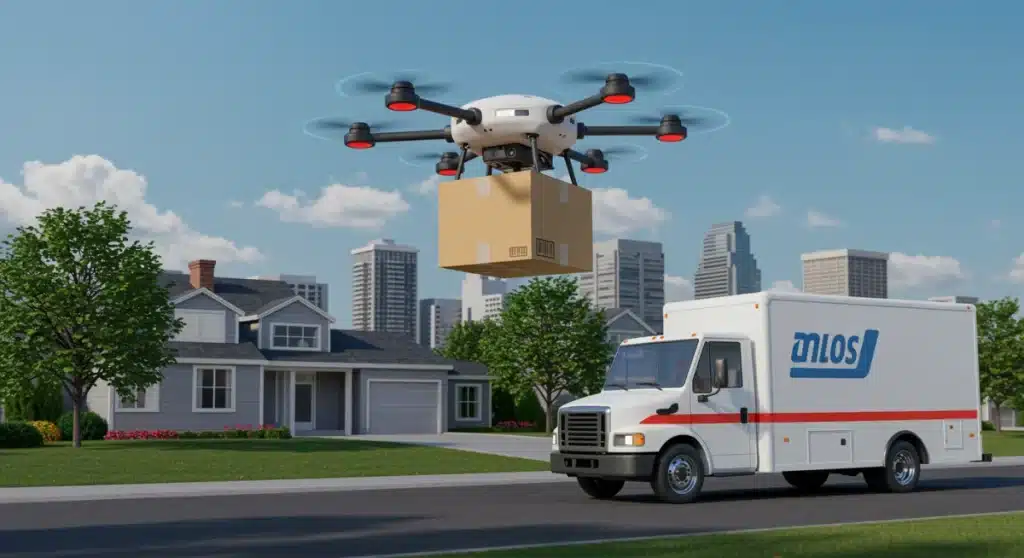
- Autonomous Delivery (Drones, Robots): While still in nascent stages, autonomous vehicles and drones hold immense potential for future last-mile efficiency, especially in less dense areas or for specific package types.
- Consolidated Deliveries: Grouping multiple orders for a single customer or within a close geographic area to reduce the number of trips.
4. Predictive Analytics and AI Integration
Leveraging predictive analytics and AI can transform last-mile operations from reactive to proactive. These technologies analyze historical data and real-time inputs to forecast demand, identify potential bottlenecks, and optimize resource allocation.
Applications of AI/ML:
- Demand Forecasting: Predicts future order volumes, allowing for better staffing and inventory planning.
- Predictive Maintenance: Anticipates vehicle breakdowns, enabling proactive maintenance and reducing downtime.
- Dynamic Pricing: Adjusts delivery fees based on demand, distance, and urgency.
- Personalized Delivery Options: Offers customers tailored delivery slots based on their preferences and historical data.
5. Enhanced Communication and Customer Experience
Exceptional customer experience is a differentiator. Clear, proactive communication and flexible options are crucial for achieving high satisfaction and reducing failed deliveries.
Customer-Centric Strategies:
- Proactive Communication: Regular updates via preferred channels (SMS, email, app notifications) about order status, delays, and delivery attempts.
- Flexible Delivery Options: Allowing customers to reschedule deliveries, change delivery addresses (within limits), or specify preferences (e.g., leave at back door).
- Two-Way Communication: Enabling customers to communicate directly with drivers or support teams for specific instructions or issues.
- Seamless Returns Process: A hassle-free return policy and easy pickup options contribute significantly to customer loyalty.
6. Driver Training and Empowerment
Well-trained, motivated drivers are essential for successful last-mile operations. Investing in your delivery workforce pays dividends in efficiency and customer satisfaction.
Empowering Your Drivers:
- Comprehensive Training: Covering safe driving practices, customer service protocols, use of delivery technology, and handling various package types.
- User-Friendly Apps: Providing drivers with intuitive mobile apps for route guidance, delivery instructions, proof of delivery, and communication.
- Performance Incentives: Rewarding drivers for on-time performance, positive customer feedback, and safe driving.
- Feedback Mechanisms: Allowing drivers to provide input on routes, delivery locations, and operational challenges.
7. Sustainable Last-Mile Practices
Adopting sustainable last-mile delivery solutions is not just good for the planet; it can also be a significant brand differentiator and lead to long-term cost savings.
Green Initiatives:
- Electric Vehicles (EVs): Phasing in electric vans and bikes for urban deliveries reduces emissions and fuel costs.
- Optimized Routing: Reduces mileage, thereby decreasing fuel consumption and emissions.
- Package Consolidation: Fewer trips mean less environmental impact.
- Eco-Friendly Packaging: Using recyclable, biodegradable, or reusable packaging materials.
- Bicycle and Walking Couriers: For very dense urban areas, these options offer zero-emission delivery and can often navigate traffic more efficiently.
Implementing Last-Mile Delivery Solutions: A Roadmap to 99% On-Time Rates
Achieving a 99% on-time delivery rate by 2026 requires a structured implementation plan. Here’s a roadmap to guide your efforts:
Phase 1: Assessment and Strategy (Q1-Q2 2024)
- Current State Analysis: Evaluate your existing last-mile operations, identifying pain points, costs, and current on-time delivery rates.
- Technology Audit: Assess current logistics software, fleet management systems, and communication tools.
- Define KPIs: Establish clear Key Performance Indicators beyond just on-time rates, including cost per delivery, customer satisfaction scores, and delivery success rates.
- Set Goals: Articulate specific, measurable, achievable, relevant, and time-bound (SMART) goals for each aspect of last-mile improvement.
- Budget Allocation: Allocate necessary resources for technology investments, training, and potential fleet upgrades.
Phase 2: Technology Integration and Pilot Programs (Q3-Q4 2024)
- Software Procurement: Select and implement advanced route optimization, real-time tracking, and delivery management software.
- Data Integration: Ensure seamless integration of new systems with existing order management, inventory, and CRM platforms.
- Pilot Programs: Conduct pilot programs for new delivery models (e.g., micro-fulfillment, locker networks) in specific geographic areas to test feasibility and gather data.
- Driver Training: Train drivers and dispatch teams on new technologies and operational procedures.
Phase 3: Optimization and Expansion (2025)
- Data-Driven Refinement: Continuously analyze data from tracking systems and customer feedback to identify areas for improvement and refine routes, schedules, and delivery processes.
- Scale Successful Pilots: Expand successful pilot programs to wider areas or integrate them fully into operations.
- Fleet Modernization: Begin incorporating more fuel-efficient or electric vehicles into the fleet as part of sustainable last-mile delivery solutions.
- Partnership Development: Explore strategic partnerships with third-party logistics (3PL) providers, crowdsourced delivery platforms, or local businesses for expanded reach and flexibility.
Phase 4: Continuous Improvement and Innovation (2026 and Beyond)
- AI and Predictive Analytics Deployment: Fully leverage AI and machine learning for demand forecasting, predictive maintenance, and dynamic pricing.
- Customer Feedback Loop: Establish robust mechanisms for collecting and acting on customer feedback to continuously enhance the delivery experience.
- Stay Ahead of Trends: Monitor emerging technologies like drone delivery, autonomous vehicles, and advanced robotics, and assess their potential integration into your future last-mile strategy.
- Regular Performance Reviews: Conduct quarterly or bi-annual reviews of all KPIs to ensure sustained performance and identify new opportunities for optimization.
Case Studies and Success Stories in Last-Mile Delivery
Numerous companies have already started making significant strides in their last-mile operations by implementing advanced last-mile delivery solutions. Examining their successes can provide valuable insights.
Large E-commerce Retailer: Dynamic Routing and Micro-Hubs
A prominent e-commerce retailer in the U.S. faced challenges with increasing delivery costs and missed ETAs in dense urban areas. By implementing dynamic route optimization software combined with a network of micro-fulfillment centers (MFCs) in key cities, they dramatically reduced average delivery times by 30% and improved on-time rates from 85% to 96% within 18 months. The MFCs allowed them to store popular items closer to customers, cutting down the final leg of the journey significantly.
Grocery Delivery Service: AI-Powered Demand Forecasting and Flexible Options
A national grocery delivery service struggled with fluctuating demand, leading to inefficient scheduling and food waste. They adopted an AI-powered demand forecasting system that predicted order volumes with 90% accuracy. This allowed them to optimize staffing, vehicle allocation, and inventory. Furthermore, by offering customers flexible delivery windows and real-time tracking with the ability to adjust delivery times via an app, they boosted customer satisfaction scores by 25% and reduced failed deliveries due to customer unavailability by 15%.
Specialty Retailer: Crowdsourcing and Locker Networks
A specialty apparel retailer, aiming to offer same-day delivery without investing heavily in its own fleet, partnered with a crowdsourced delivery platform for urgent orders. Simultaneously, they implemented a network of smart lockers in collaboration with local businesses and transit hubs for non-urgent deliveries. This hybrid approach allowed them to offer competitive delivery speeds and convenience, achieving a 98% on-time rate for same-day deliveries and a 99% success rate for locker pickups, all while keeping operational costs manageable.
The Future of Last-Mile Delivery: What to Expect Beyond 2026
While achieving 99% on-time rates by 2026 is an ambitious goal, the evolution of last-mile delivery won’t stop there. The industry is on the cusp of even more transformative changes:
- Hyper-Personalization: Deliveries will become even more tailored to individual customer preferences, from preferred delivery spots to specific interaction instructions.
- Increased Automation: Expect to see a greater integration of autonomous vehicles, delivery robots, and drones, especially in zones optimized for their operation.
- Shared Economy Models: Collaboration between different retailers and logistics providers to consolidate deliveries and optimize routes will become more common.
- Enhanced Data Security: As more data is collected, robust cybersecurity measures will be paramount to protect customer information and operational integrity.
- Urban Air Mobility (UAM): Advanced drone systems and potentially even flying cars could revolutionize package transport in congested urban environments.
Conclusion: Your Path to Last-Mile Excellence
The journey to achieving 99% on-time last-mile delivery solutions in the U.S. by 2026 is challenging but entirely feasible. It demands a holistic approach that integrates cutting-edge technology, strategic operational planning, a customer-centric mindset, and a commitment to sustainability.
By investing in advanced route optimization software, embracing real-time tracking, diversifying delivery models, leveraging AI and predictive analytics, and empowering your workforce, businesses can transform their last-mile operations from a logistical headache into a powerful competitive advantage. The future of e-commerce hinges on the ability to deliver not just products, but also exceptional experiences, right to the customer’s doorstep, on time, every time.
Start planning your strategic overhaul today, and position your business at the forefront of last-mile delivery excellence. The 99% on-time rate isn’t just a number; it’s a testament to operational mastery and a promise of unparalleled customer satisfaction.