IoT for Public Safety: A 7-Step Guide for U.S. Smart Cities in 2026
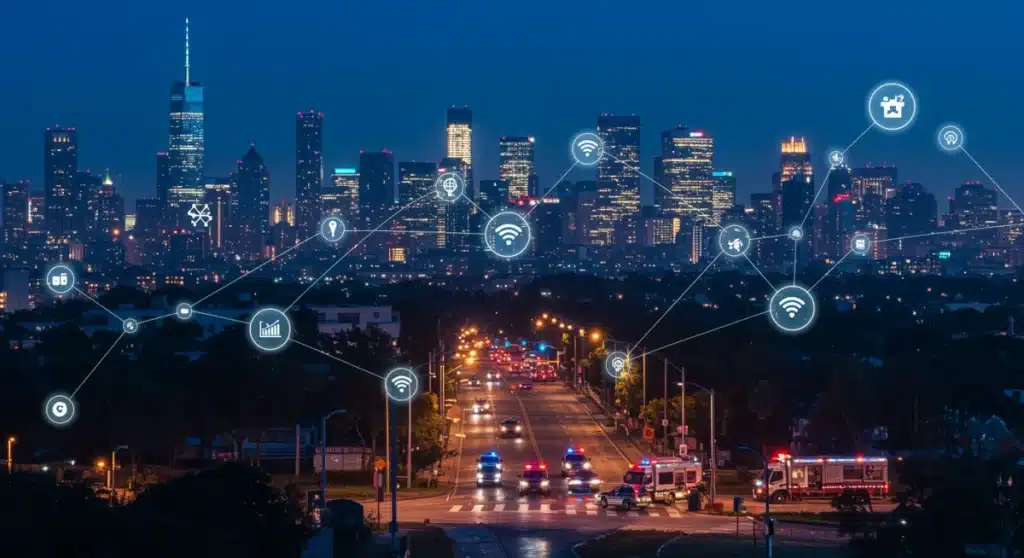
Implementing IoT for Public Safety: A 7-Step Guide for U.S. Smart Cities in 2026 (PRACTICAL SOLUTIONS)
The landscape of urban living is undergoing a profound transformation, driven by the relentless march of technological innovation. At the heart of this evolution lies the concept of the “smart city,” a connected urban environment where data and technology converge to enhance efficiency, sustainability, and, critically, public safety. As we look towards 2026, the integration of the Internet of Things (IoT) into public safety strategies is no longer a futuristic vision but a present imperative for U.S. cities striving for resilience and security. This comprehensive guide will walk you through a practical, 7-step framework for successfully implementing IoT Public Safety solutions, ensuring your city is not just smart, but also safe.
The promise of IoT Public Safety is immense. Imagine a city where sensors can detect gunshots and automatically alert emergency services, where smart cameras can identify suspicious behavior in real-time, or where environmental sensors can warn of impending floods or air quality hazards. This isn’t science fiction; these are tangible benefits that IoT can deliver today. However, the path to achieving such a sophisticated level of urban security requires careful planning, strategic investment, and a thorough understanding of both the opportunities and challenges involved.
This guide is designed for city planners, public safety officials, technology leaders, and anyone interested in the future of urban security. We will delve into each step, from initial assessment to ongoing optimization, providing actionable insights and best practices to help U.S. smart cities leverage IoT Public Safety technologies effectively and responsibly by 2026.
Understanding the “Smart City” and IoT’s Role in Public Safety
Before diving into the implementation steps, it’s crucial to establish a foundational understanding of what constitutes a “smart city” in the context of public safety and the transformative role of IoT. A smart city utilizes interconnected devices, sensors, and data analytics to improve urban services and the quality of life for its residents. When applied to public safety, this means deploying a network of intelligent devices that collect and transmit data, enabling proactive incident response, enhanced situational awareness, and ultimately, a safer urban environment.
What is IoT?
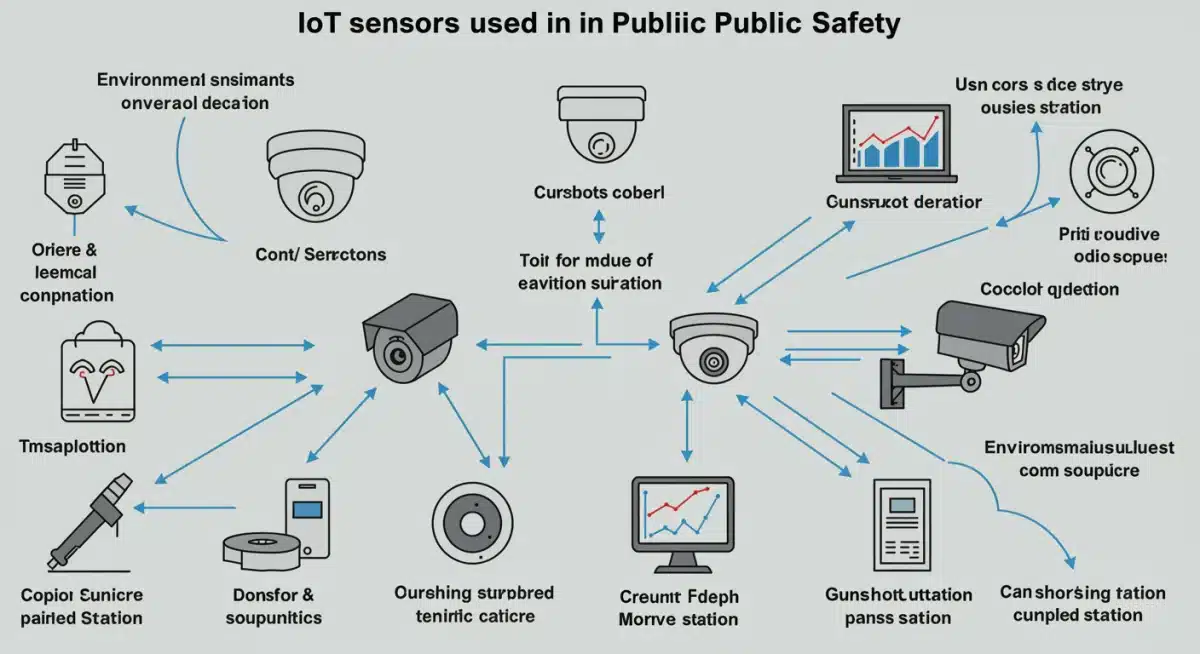
The Internet of Things (IoT) refers to a network of physical objects embedded with sensors, software, and other technologies for the purpose of connecting and exchanging data with other devices and systems over the internet. In a public safety context, this can include:
- Connected Surveillance Cameras: Beyond traditional CCTV, smart cameras can incorporate AI for facial recognition, license plate recognition, and unusual activity detection.
- Environmental Sensors: Monitoring air quality, water levels, temperature, and even seismic activity to predict and alert about natural disasters or environmental hazards.
- Gunshot Detection Systems: Acoustic sensors that can pinpoint the location of gunshots in real-time, significantly reducing response times for law enforcement.
- Smart Lighting: Streetlights that can adjust brightness based on ambient light and pedestrian traffic, and in emergencies, can flash or change color to guide first responders.
- Wearable Devices for First Responders: Providing real-time biometric data, location tracking, and communication capabilities to enhance safety and coordination during operations.
- Connected Infrastructure: Smart traffic signals that can prioritize emergency vehicles, or structural health monitoring of bridges and buildings.
The integration of these diverse devices creates a powerful ecosystem for IoT Public Safety, moving beyond reactive responses to a more predictive and preventive approach.
Step 1: Conduct a Comprehensive Needs Assessment and Feasibility Study
The first and most critical step in any successful IoT Public Safety implementation is to thoroughly understand your city’s unique public safety challenges and assess the feasibility of IoT solutions. This isn’t a one-size-fits-all endeavor; what works for one city may not be appropriate for another.
Identify Key Public Safety Challenges
Begin by mapping out the specific public safety issues your city faces. This might include:
- High crime rates in certain neighborhoods (e.g., property crime, violent crime).
- Vulnerability to natural disasters (e.g., floods, wildfires, earthquakes).
- Traffic congestion and related accidents.
- Challenges in emergency response times.
- Public health concerns (e.g., air pollution, disease outbreaks).
- Specific threats like active shooters or terrorist activities.
Engage with various stakeholders, including law enforcement, fire departments, emergency medical services, city planning, public works, and community leaders. Their insights are invaluable in painting a holistic picture of the current state of public safety.
Evaluate Existing Infrastructure
Assess your city’s current technological infrastructure. Do you have a robust fiber optic network? What is the current state of your wireless communication systems? Are there existing sensor networks that could be integrated or upgraded? Understanding your technological foundation will help determine the scope and cost of new deployments.
Feasibility and Cost-Benefit Analysis
Once you’ve identified challenges and existing infrastructure, conduct a detailed feasibility study for potential IoT Public Safety solutions. This involves:
- Technological Feasibility: Can the desired IoT solutions be effectively implemented with current or planned technology?
- Operational Feasibility: How will these solutions integrate with existing public safety protocols and personnel? What training will be required?
- Financial Feasibility: Develop a comprehensive budget, including initial deployment costs, ongoing maintenance, data storage, and personnel training. Conduct a cost-benefit analysis to demonstrate the return on investment (ROI) – not just in monetary terms, but also in improved safety outcomes, reduced crime, and faster emergency response.
- Regulatory and Ethical Considerations: Research local, state, and federal regulations regarding data privacy, surveillance, and civil liberties. This is a critical aspect often overlooked, and addressing it upfront can prevent significant hurdles later.
Step 2: Develop a Comprehensive Strategy and Roadmap
With a clear understanding of your needs and feasibility, the next step is to create a detailed strategy and roadmap for your IoT Public Safety initiatives. This plan should be strategic, phased, and adaptable.
Define Clear Objectives and KPIs
What do you want to achieve? “Improve public safety” is too vague. Specific objectives might include:
- Reduce violent crime in District X by 15% within 2 years.
- Decrease emergency response times by 20% for traffic accidents.
- Provide early warning for 90% of significant flood events.
Establish Key Performance Indicators (KPIs) to measure progress towards these objectives. These will be crucial for evaluating the success of your IoT Public Safety programs.
Select Appropriate IoT Technologies
Based on your needs assessment, identify the specific IoT devices and platforms that best address your challenges. Consider:
- Sensor Types: Which sensors are most relevant (e.g., acoustic, environmental, motion, video)?
- Connectivity: What communication protocols will be used (e.g., LoRaWAN, NB-IoT, 5G, Wi-Fi)?
- Data Platforms: How will data be collected, stored, processed, and analyzed? This often involves cloud-based platforms and powerful analytics tools.
Phased Implementation Plan
Rather than a “big bang” approach, plan for a phased rollout. Start with pilot projects in specific areas or for particular use cases. This allows for testing, learning, and refining before scaling up. Define clear milestones and timelines for each phase, aiming for completion by 2026.
Data Governance and Privacy Framework
Crucially, develop a robust data governance framework. This includes policies for data collection, storage, access, usage, and retention. Address privacy concerns head-on by establishing clear guidelines on how personal data will be protected, anonymized where possible, and used only for its intended public safety purpose. Transparency with the public is key here.
Step 3: Secure Funding and Build Partnerships
Implementing large-scale IoT Public Safety initiatives requires significant investment and collaboration.
Explore Funding Opportunities
Look beyond municipal budgets. Potential funding sources include:
- Federal Grants: Programs from agencies like the Department of Homeland Security (DHS), Department of Justice (DOJ), and FEMA often have grants for technology and public safety initiatives.
- State and Local Grants: Many states offer grants for smart city development and public safety enhancements.
- Public-Private Partnerships (PPPs): Collaborate with technology companies, telecommunication providers, and other private entities. They might offer expertise, infrastructure, or co-funding in exchange for access to data (anonymized, of course) or other benefits.
- Bond Measures: Presenting a compelling case to voters for bond measures can secure local funding.
Forge Strategic Partnerships
No city can do this alone. Build a coalition of partners:
- Technology Providers: Work with reputable vendors for sensors, networking equipment, software platforms, and cybersecurity solutions.
- Academic Institutions: Universities can offer research expertise, pilot program support, and access to talent.
- Community Organizations: Involve community groups from the outset to build trust and address concerns about surveillance and privacy.
- Neighboring Jurisdictions: Regional collaboration can lead to shared resources and broader impact.
Step 4: Infrastructure Development and Deployment
This is where the physical and digital infrastructure for IoT Public Safety begins to take shape.
Network Build-Out
Ensure your city has the necessary connectivity – whether it’s expanding fiber optics, deploying 5G small cells, or establishing LoRaWAN gateways. A robust and reliable network is the backbone of any IoT system.
Sensor and Device Installation
Strategically deploy sensors and devices according to your phased plan. This requires careful planning to ensure optimal coverage, power supply, and physical security for the devices.
Data Platform and Analytics Integration
Implement the chosen data platform – this could be a cloud-based solution or an on-premise data center. Integrate it with advanced analytics tools capable of processing large volumes of real-time data. This platform should be able to:
- Ingest data from diverse IoT sources.
- Perform real-time data processing and anomaly detection.
- Run predictive analytics models.
- Provide intuitive dashboards for public safety personnel.
Cybersecurity Implementation
From day one, prioritize cybersecurity. IoT devices are often vulnerable entry points for cyberattacks. Implement a multi-layered security strategy that includes:
- Device-level Security: Secure boot, strong authentication, and encryption for individual devices.
- Network Security: Firewalls, intrusion detection systems, and segmentation of IoT networks.
- Data Security: Encryption of data in transit and at rest, access controls, and regular backups.
- Incident Response Plan: A clear plan for responding to and recovering from cyberattacks.
Step 5: Training and Operational Integration
Technology is only as good as the people using it. Effective training and seamless integration are paramount for successful IoT Public Safety operations.
Personnel Training
Train public safety personnel (police, fire, EMS, dispatchers) on how to effectively use the new IoT systems. This includes:
- Operating new software and dashboards.
- Interpreting data and alerts.
- Understanding new protocols for incident response.
- Troubleshooting common issues.
Ongoing training and refresher courses should be part of the long-term plan.
Integration with Existing Systems
Ensure the new IoT Public Safety systems integrate seamlessly with existing Computer-Aided Dispatch (CAD) systems, records management systems (RMS), and other critical public safety platforms. This avoids creating data silos and ensures a unified operational picture.
Develop Standard Operating Procedures (SOPs)
Update or create new SOPs that incorporate the use of IoT technologies. These procedures should clearly define roles, responsibilities, and workflows for using IoT data in various public safety scenarios.
Step 6: Monitoring, Evaluation, and Optimization
Implementation is not the end; it’s the beginning of a continuous cycle of monitoring, evaluation, and optimization. IoT Public Safety systems should be dynamic and adaptable.
Continuous Performance Monitoring
Regularly monitor the performance of your IoT devices and systems. Track uptime, data integrity, and system responsiveness. Proactively address any technical issues or outages.
Evaluate Against KPIs
Periodically evaluate your IoT Public Safety initiatives against the KPIs established in Step 2. Are you meeting your objectives? Where are there shortfalls? What are the success stories?
Gather Feedback
Collect feedback from public safety personnel, community members, and other stakeholders. Their practical experiences and perspectives are invaluable for identifying areas for improvement.
Iterative Optimization
Use the data from monitoring and evaluation, along with stakeholder feedback, to continuously optimize your systems. This might involve:
- Adjusting sensor placement.
- Refining analytics algorithms.
- Updating software and firmware.
- Modifying operational procedures.
- Exploring new IoT technologies as they emerge.

Step 7: Public Engagement, Transparency, and Ethical Governance
The success and sustainability of IoT Public Safety initiatives hinge on public trust and ethical considerations. This step is ongoing throughout the entire process.
Foster Public Dialogue
Engage the community in open and honest discussions about the deployment of IoT technologies. Explain the benefits, address concerns, and be transparent about data collection and usage policies. Public forums, workshops, and clear communication channels are essential.
Ensure Data Privacy and Security
Reiterate and continuously enforce your data privacy and security policies. Regularly audit systems for compliance and vulnerabilities. Make it clear how personal data is protected and that it is not being used for purposes other than enhancing public safety.
Establish an Oversight Committee
Consider forming an independent oversight committee composed of community leaders, privacy advocates, technology experts, and public safety officials. This committee can provide an additional layer of accountability and ensure ethical guidelines are upheld.
Address Bias and Fairness
Be vigilant about potential biases in data or algorithms, particularly with AI-powered surveillance or predictive policing tools. Regularly audit these systems to ensure they are fair and do not disproportionately impact certain demographic groups. Work to mitigate any discovered biases.
Challenges and Considerations for U.S. Smart Cities
While the benefits are clear, implementing IoT Public Safety solutions in U.S. smart cities comes with its own set of challenges:
- Fragmented Jurisdictions: U.S. cities often have complex jurisdictional boundaries, making coordinated large-scale deployments challenging.
- Funding Constraints: Despite grants, securing long-term funding for maintenance and upgrades can be difficult.
- Legacy Infrastructure: Integrating new IoT systems with outdated legacy infrastructure can be a technical and financial hurdle.
- Cybersecurity Threats: The expanding attack surface created by numerous IoT devices makes cybersecurity a constant, evolving challenge.
- Public Acceptance and Privacy Concerns: Balancing security needs with individual privacy rights is a delicate act that requires ongoing communication and trust-building.
- Vendor Lock-in: Cities must carefully choose vendors to avoid being locked into proprietary systems that limit future flexibility.
- Data Overload: Managing and extracting meaningful insights from the vast amounts of data generated by IoT devices can be overwhelming without proper analytics tools and skilled personnel.
Addressing these challenges proactively through careful planning, robust policies, and community engagement is crucial for the long-term success of IoT Public Safety initiatives.
The Future of Public Safety: Beyond 2026
As we move past 2026, the evolution of IoT Public Safety will continue at a rapid pace. Expect to see:
- Further AI Integration: More sophisticated AI algorithms for predictive analytics, anomaly detection, and autonomous response systems.
- Edge Computing: Increased processing of data closer to the source (at the “edge”) to reduce latency and improve real-time decision-making.
- Digital Twin Technology: Creation of virtual replicas of cities, allowing for simulations of various scenarios and optimized resource deployment.
- Quantum-Resistant Security: As quantum computing advances, new encryption methods will be needed to protect sensitive public safety data.
- Interoperability Standards: Greater standardization will allow for seamless integration between different IoT devices and platforms from various vendors.
U.S. smart cities that lay a strong foundation for IoT Public Safety now will be well-positioned to adapt to these future advancements and maintain a leading edge in urban security.
Conclusion: Building Safer, Smarter Cities with IoT
The journey to becoming a truly smart and safe city is continuous, but the integration of IoT Public Safety solutions represents a monumental leap forward. By following this 7-step guide, U.S. cities can systematically plan, implement, and optimize IoT technologies to create more secure, responsive, and resilient urban environments by 2026 and beyond.
From initial needs assessment to fostering public trust, each step is vital. The benefits – reduced crime, faster emergency response, enhanced situational awareness, and improved quality of life – are well worth the effort. Embracing IoT Public Safety is not just about adopting new technology; it’s about reimagining urban security for the 21st century, building cities where technology serves humanity to create a safer, brighter future for all residents.