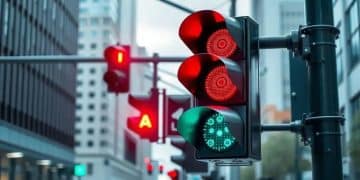
IoT-enabled traffic signal optimization for safer roads

IoT-enabled traffic signal optimization significantly enhances urban traffic management by utilizing real-time data to improve safety, reduce congestion, and integrate with autonomous vehicles for a more efficient transportation system.
IoT-enabled traffic signal optimization is transforming urban traffic management. Imagine a city where signals adapt in real-time to traffic flow, reducing congestion and enhancing safety. Curious how these technologies work?
Understanding IoT technology in traffic management
Understanding IoT technology in traffic management is essential for improving urban transportation systems. With the rise of smart cities, integrating Internet of Things solutions can greatly enhance traffic flow and safety.
What is IoT?
The Internet of Things involves connecting devices to the internet, allowing them to send and receive data. In traffic management, this means traffic signals, cameras, and sensors communicate in real time.
Key Components of IoT in Traffic Management
- Adaptive Traffic Signals: These signals adjust their timings based on traffic conditions.
- Smart Cameras: Cameras analyze traffic patterns and detect incidents.
- Sensors: Road sensors collect data on vehicle counts, speed, and congestion.
With these components, cities can manage traffic more efficiently. By using real-time data, traffic signals can change dynamically, responding to conditions on the ground. For example, if there is a surge in traffic, signals can switch to longer green intervals to ease congestion.
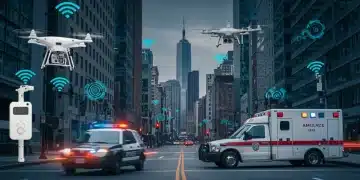
Additionally, IoT technology can improve safety. Smart systems can alert drivers to upcoming hazards and optimize response times for emergency vehicles. The system can prioritize the movement of ambulances or fire trucks, reducing travel time significantly.
Benefits of IoT in Traffic Management
- Reduced Congestion: More efficient traffic flow can lead to shorter travel times.
- Improved Safety: Real-time alerts can decrease the likelihood of accidents.
- Environmental Benefits: Less idle time in traffic can result in lower emissions.
Overall, understanding how IoT technology integrates into traffic management can help cities grow smarter and safer. By adopting these innovative solutions, we can transform our streets into more manageable environments that benefit everyone.
Benefits of optimizing traffic signals with IoT
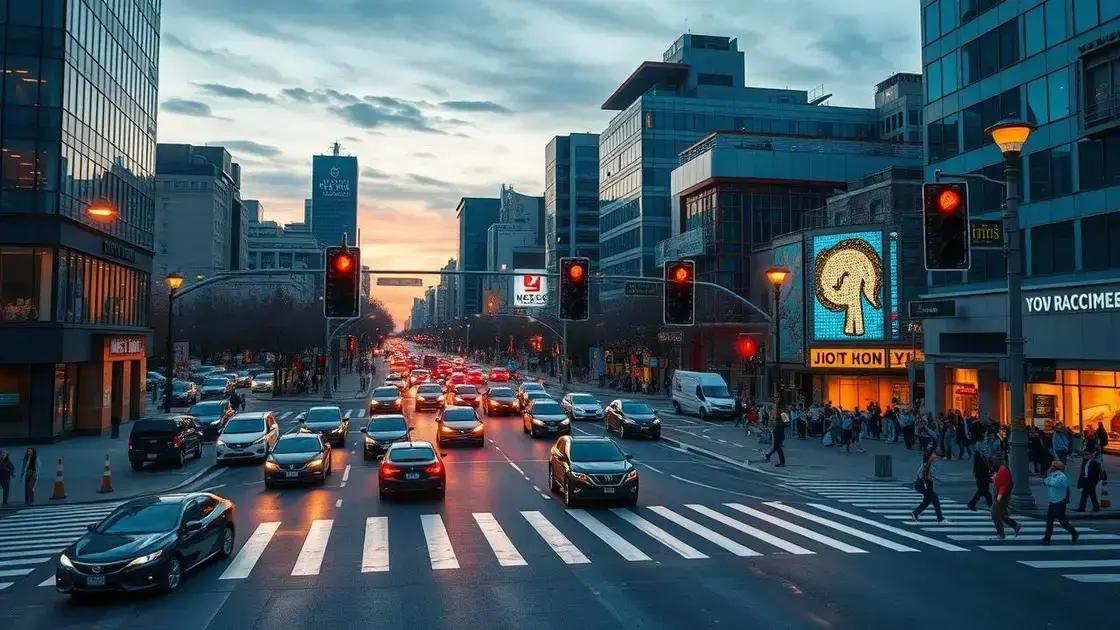
The benefits of optimizing traffic signals with IoT technology are significant and wide-ranging. By utilizing smart systems, cities can enhance efficiency and safety in traffic management.
Improved Traffic Flow
One of the primary advantages is improved traffic flow. With IoT, traffic signals can adapt to real-time conditions, reducing congestion. For instance, if there’s heavy traffic on one road, the signals can extend green lights, allowing more cars to pass through.
Enhanced Safety Features
Another key benefit is enhanced safety. IoT-enabled traffic signals can detect accidents or unusual activities. These signals can then alert drivers of potential hazards, leading to faster reaction times and fewer accidents.
- Real-time Alerts: Signals can communicate with vehicles to warn them about emergencies.
- Pedestrian Safety: Smart signals can prioritize pedestrian crossings during busy times.
- Emergency Vehicle Priority: Traffic can be adjusted to clear the way for ambulances or fire trucks.
Economic benefits also come into play. By reducing idling time through optimized signal management, cities can lower fuel consumption. This translates to lower transportation costs for commuters as well.
Moreover, the environmental impact is positive. By improving traffic flow and minimizing stops and starts, IoT traffic management helps decrease vehicle emissions. This contributes to cleaner air and a more sustainable living environment.
Data Collection and Analysis
Additionally, IoT systems facilitate valuable data collection. Traffic patterns and behaviors can be tracked over time, providing insights for urban planning. This data helps city planners make informed decisions about infrastructure improvements.
Ultimately, optimizing traffic signals using IoT technology creates numerous benefits. From enhanced safety to better environmental outcomes, cities can address the challenges of modern urban mobility more effectively.
Real-world examples of IoT traffic signal systems
Real-world examples of IoT traffic signal systems illustrate how technology is transforming urban mobility. Many cities worldwide are adopting these systems to improve traffic management and enhance safety.
Smart Traffic Signals in Barcelona
In Barcelona, Spain, the city has implemented smart traffic signals that adjust in real time based on traffic conditions. These signals use data from various sensors around the city to optimize traffic flow. If a bus is approaching a traffic signal, it can trigger the light to turn green, ensuring that public transport is prioritized.
Los Angeles Adaptive Traffic Control System
Los Angeles has developed an adaptive traffic control system that uses IoT technology to manage its extensive road network. The system collects data on traffic volume and speed, allowing signals to respond dynamically. This approach has led to a noticeable reduction in congestion and travel times in many areas of the city.
- Reduction in travel times: Commuters have reported significant decreases in their daily travel times due to improved signal timings.
- Improved public transport efficiency: Buses and emergency vehicles benefit from prioritized signal changes.
- Real-time monitoring: City officials can monitor traffic patterns and respond to incidents quickly, enhancing overall safety.
In San Francisco, the city uses a similar IoT-based system to manage its iconic intersections. These signals are integrated with a control center that monitors traffic in real time. This allows for quick adjustments, ensuring smoother flow even during peak hours.
These examples demonstrate that implementing IoT traffic signal systems can lead to more efficient urban transportation. Cities are becoming smarter, and traffic management is improving as a result of these innovative solutions.
Future trends in IoT traffic management

Future trends in IoT traffic management are shaping how cities will handle transportation. As technology advances, we can expect innovative solutions that enhance safety and efficiency on the roads.
Autonomous Vehicle Integration
One significant trend is the integration of autonomous vehicles with IoT traffic systems. These vehicles will communicate with traffic signals, adjusting speeds and routes based on real-time traffic conditions. This integration can potentially lead to smoother traffic flow and reduced congestion.
Vehicle-to-Everything (V2X) Communication
Another exciting development is Vehicle-to-Everything (V2X) communication. This technology allows vehicles to interact not only with traffic signals but also with other vehicles and even pedestrians. By exchanging information, V2X can alert drivers about hazards, improving overall road safety.
- Synchronized Traffic Lights: Future signals may work together in real-time to manage traffic across intersections more efficiently.
- Dynamic Route Adjustment: Smart systems might suggest alternate routes during heavy congestion, guiding drivers around delays.
- Enhanced Data Analysis: Use of big data will help cities understand traffic patterns better and predict issues before they arise.
Improved data collection is also on the horizon. Sensors and connected devices along roadways will gather extensive data, allowing for advanced analytics. Cities can use this information to optimize traffic patterns and infrastructure planning.
Finally, sustainability will play a crucial role. Future IoT traffic management systems will focus on reducing emissions and promoting public transportation. With smart traffic signals prioritizing buses and encouraging carpooling, we can expect a greener future.
In summary, IoT traffic management is reshaping our cities. With smarter traffic signals and better data collection, we can expect safer roads and less congestion. Future innovations, such as autonomous vehicles and V2X communication, will further enhance these systems. As cities embrace these technologies, we move closer to a more efficient and sustainable urban environment. Together, the integration of IoT technology in traffic systems promises a bright future for urban mobility.
FAQ – Frequently Asked Questions about IoT Traffic Management
What are the main benefits of IoT traffic management?
The main benefits include improved safety, reduced congestion, and better data collection for city planning.
How does IoT technology enhance traffic signal efficiency?
IoT technology allows traffic signals to adapt to real-time conditions, optimizing traffic flow and reducing waiting times.
What role do autonomous vehicles play in future traffic management?
Autonomous vehicles will communicate with IoT systems to adjust their routes and speeds based on real-time traffic data.
How can cities use data collected from IoT systems?
Cities can analyze the data to identify traffic patterns, optimize infrastructure, and improve overall transportation efficiency.