Hydrogen Fuel Cell Trucks US: 5-Step 2026 Implementation Plan
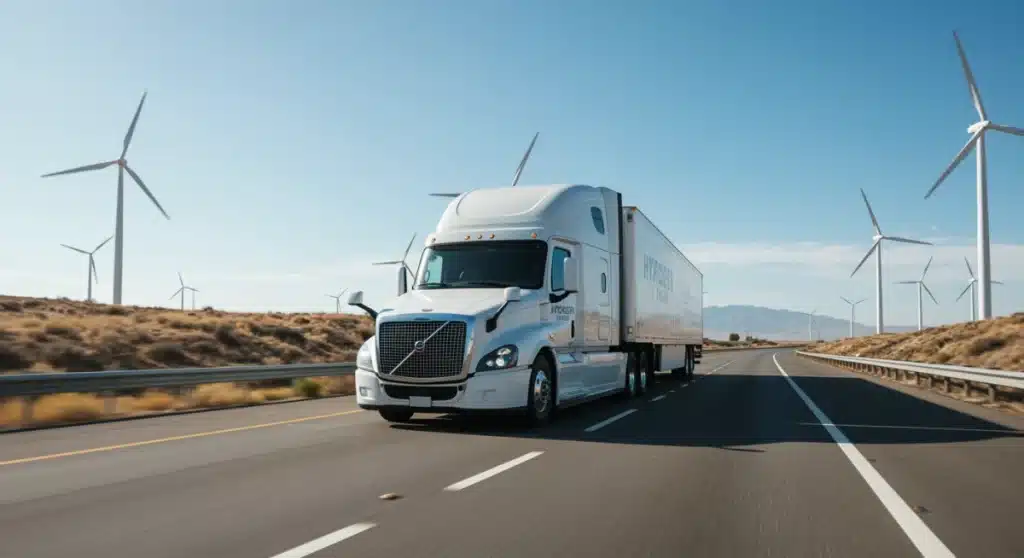
Hydrogen Fuel Cell Trucks in the US: A Practical 5-Step Implementation Plan for 2026 Adoption
The future of heavy-duty transportation in the United States is rapidly evolving, driven by an urgent need for sustainable solutions and reduced emissions. Among the most promising contenders for decarbonizing the trucking industry are hydrogen fuel cell trucks. These innovative vehicles offer a compelling alternative to traditional diesel engines, providing zero tailpipe emissions, comparable range, and rapid refueling times. However, the path to widespread adoption is not without its challenges. This article presents a practical, 5-step implementation plan designed to accelerate the integration of hydrogen truck implementation across the US by the ambitious target of 2026.
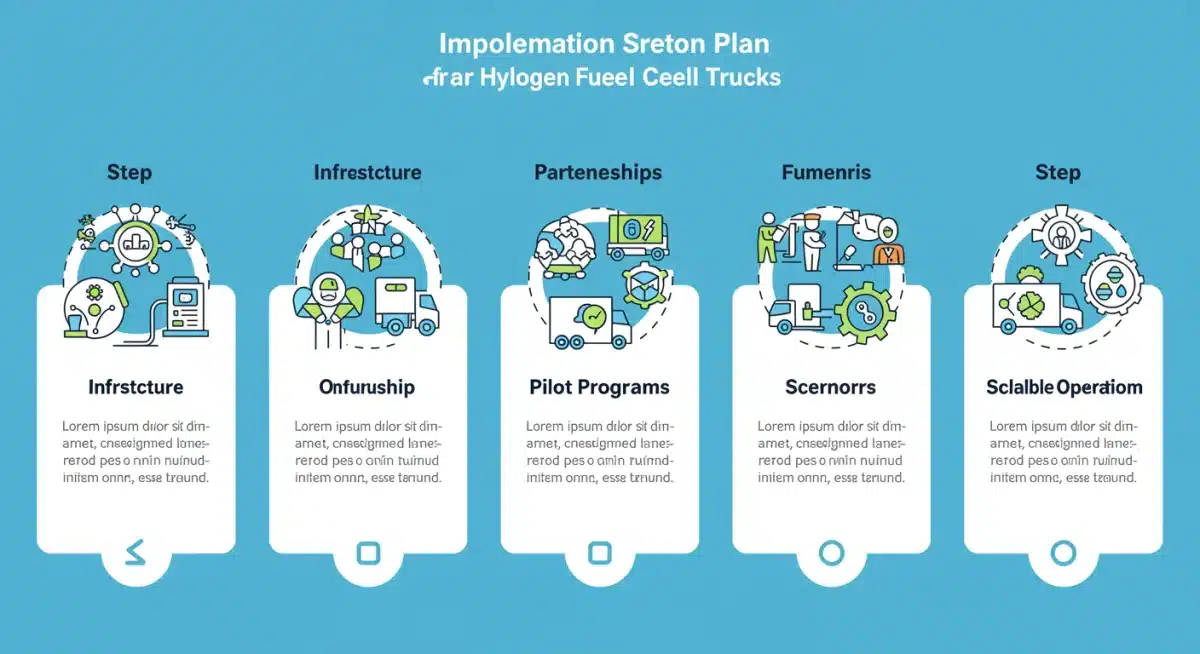
The shift towards hydrogen fuel cell trucks is more than just an environmental imperative; it’s an economic opportunity and a strategic move for logistics companies looking to future-proof their operations. With increasing regulatory pressure, consumer demand for greener supply chains, and significant advancements in hydrogen technology, now is the time for proactive planning and decisive action. Our 5-step plan breaks down the complex journey into actionable strategies, focusing on infrastructure, financing, strategic partnerships, pilot programs, and scalable operations.
The Urgency of Hydrogen Truck Implementation
The transportation sector is one of the largest contributors to greenhouse gas emissions globally, with heavy-duty trucks playing a significant role. In the US, commercial vehicles account for a substantial portion of road transport emissions. Addressing this challenge is crucial for meeting climate goals and improving air quality in communities along major freight corridors. While battery electric trucks offer solutions for shorter hauls, hydrogen fuel cell trucks are uniquely positioned to tackle the demands of long-haul, heavy-duty applications due to their energy density and quick refueling capabilities.
By 2026, the landscape of commercial trucking could look vastly different if the right strategies are put in place. Early adopters of hydrogen truck implementation stand to gain a competitive advantage, demonstrating leadership in sustainability, potentially accessing new markets, and benefiting from emerging incentive programs. This plan aims to provide a clear roadmap for stakeholders, from fleet operators to policymakers, to collectively drive this transformative change.
Step 1: Develop Robust Hydrogen Fueling Infrastructure
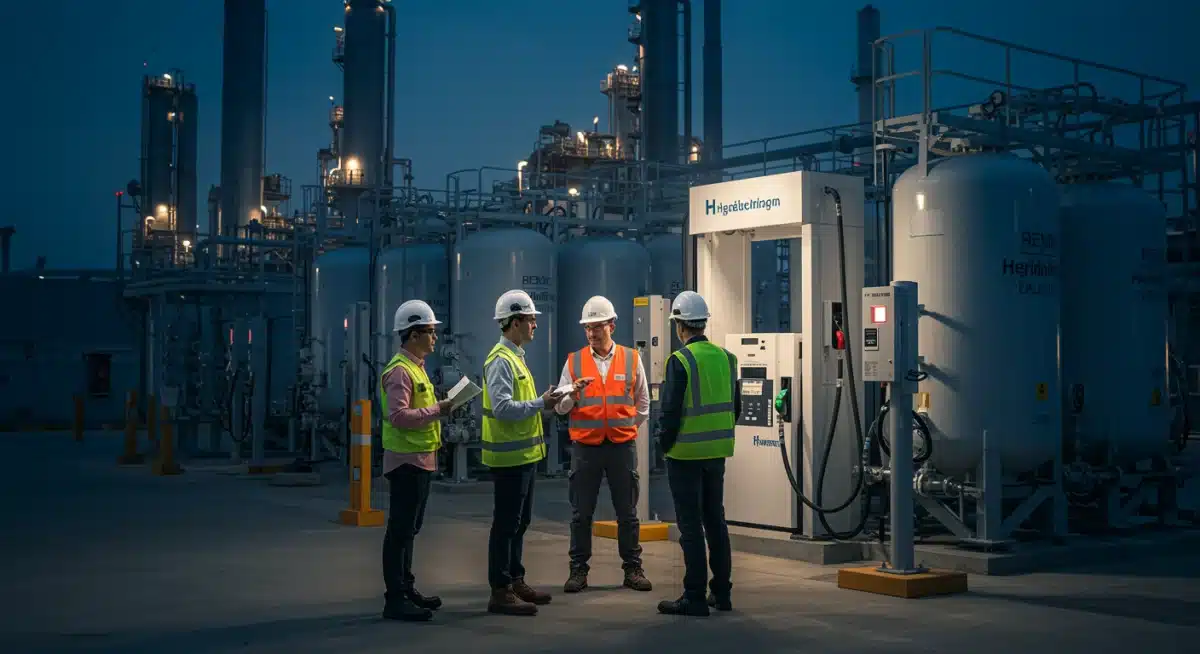
The most critical hurdle for widespread hydrogen truck implementation is the establishment of a comprehensive and reliable fueling infrastructure. Without readily available hydrogen, even the most advanced fuel cell trucks cannot operate efficiently. This step involves a multi-pronged approach:
1.1 Strategic Siting of Refueling Stations
Identify key freight corridors, major logistics hubs, and ports across the US where hydrogen refueling stations would have the greatest impact. Prioritize locations with high truck traffic and existing infrastructure that can be adapted. This requires detailed geospatial analysis and collaboration with state and local transportation authorities. Consider both dedicated truck stops and standalone hydrogen stations.
1.2 Scaling Up Hydrogen Production and Distribution
Increase the production of green hydrogen (produced using renewable energy) to ensure a sustainable and low-carbon fuel source. This involves investments in electrolysis plants powered by solar, wind, or hydropower. Simultaneously, develop efficient and safe distribution networks, including pipelines, liquid hydrogen tankers, and compressed hydrogen tube trailers, to transport hydrogen from production sites to refueling stations.
1.3 Standardizing Fueling Protocols and Equipment
Ensure interoperability across different truck manufacturers and fueling station providers by establishing common fueling protocols, nozzle designs, and pressure standards. This standardization will reduce complexity, increase user confidence, and accelerate the adoption process. Collaboration with industry bodies and regulatory agencies is essential here.
1.4 Public-Private Partnerships for Infrastructure Investment
Government funding and incentives are vital, but private sector investment is equally crucial. Foster public-private partnerships (PPPs) to share the significant capital costs associated with building out hydrogen infrastructure. This can include grants, tax credits, and loan guarantees for companies investing in hydrogen production and distribution.
Step 2: Secure Financing and Incentives for Fleet Conversion
The initial cost of hydrogen fuel cell trucks and associated infrastructure can be higher than conventional diesel trucks. Therefore, robust financial mechanisms and incentives are essential to encourage fleet operators to make the transition. This step focuses on making hydrogen truck implementation economically viable.
2.1 Federal and State Grant Programs
Advocate for and establish dedicated federal and state grant programs specifically for the purchase of hydrogen fuel cell trucks and the development of private or public fueling stations. These grants can help offset the upfront capital expenditure for early adopters.
2.2 Tax Credits and Rebates
Implement generous tax credits and rebates for both the acquisition of hydrogen trucks and the installation of refueling infrastructure. These incentives should be designed to reduce the total cost of ownership (TCO) to be competitive with diesel alternatives over the operational lifespan of the vehicle.
2.3 Innovative Financing Models
Explore and promote innovative financing models such as lease-to-own options, power purchase agreements (PPAs) for hydrogen, and green bonds. These models can reduce the financial burden on fleet operators and make the transition more accessible, especially for smaller and medium-sized enterprises (SMEs).
2.4 Carbon Credit and Emissions Trading Schemes
Integrate hydrogen fuel cell trucks into existing or new carbon credit and emissions trading schemes. This would allow operators to generate revenue from their reduced carbon footprint, providing an additional financial incentive for adoption.
Step 3: Forge Strategic Partnerships and Ecosystem Development
No single entity can achieve widespread hydrogen truck implementation alone. A collaborative ecosystem involving various stakeholders is fundamental for success. This step emphasizes building strong alliances.
3.1 OEM and Fleet Operator Collaboration
Foster closer collaboration between original equipment manufacturers (OEMs) of hydrogen fuel cell trucks and major fleet operators. This ensures that truck designs meet real-world operational needs and that fleet operators have confidence in the vehicles’ performance, reliability, and serviceability.
3.2 Energy Sector and Logistics Company Alliances
Encourage partnerships between energy companies (hydrogen producers and distributors) and logistics firms. These alliances can lead to guaranteed hydrogen supply contracts, optimized refueling logistics, and integrated energy management solutions.
3.3 Research and Development (R&D) Initiatives
Invest in collaborative R&D efforts focused on improving fuel cell efficiency, reducing manufacturing costs, enhancing hydrogen storage solutions, and developing advanced safety protocols. Universities, national labs, and private companies should be encouraged to participate.
3.4 Workforce Training and Development
Develop comprehensive training programs for technicians, mechanics, and drivers to ensure a skilled workforce capable of operating, maintaining, and repairing hydrogen fuel cell trucks and infrastructure. This includes certifications and vocational training in hydrogen safety and fuel cell technology.
Step 4: Implement Pilot Programs and Demonstrate Feasibility
Before full-scale deployment, it is crucial to conduct well-structured pilot programs to test the viability of hydrogen truck implementation in diverse real-world scenarios. These programs provide invaluable data and build confidence.
4.1 Targeted Regional Pilots
Launch pilot programs in specific regions or corridors that are strategically important for freight movement and where some initial hydrogen infrastructure can be established. These pilots should involve a mix of fleet sizes and operational demands to gather comprehensive data.
4.2 Data Collection and Performance Evaluation
Establish robust data collection methodologies to track key performance indicators (KPIs) such as fuel consumption, range, refueling times, maintenance costs, uptime, and emissions reductions. This data will be critical for demonstrating the economic and environmental benefits of hydrogen trucks.
4.3 Feedback Loops for Continuous Improvement
Create mechanisms for continuous feedback between fleet operators, truck manufacturers, and infrastructure providers. This iterative process allows for rapid identification and resolution of issues, leading to improved vehicle design, infrastructure reliability, and operational efficiency.
4.4 Showcasing Success Stories
Publicize and share the successes of pilot programs to build momentum and encourage wider adoption. Case studies, testimonials, and public demonstrations can effectively communicate the practical benefits and address any skepticism surrounding hydrogen technology.
Step 5: Scale Up Operations and Foster Market Growth
Once pilot programs have demonstrated feasibility and a foundational infrastructure is in place, the final step is to scale up operations and drive market growth for hydrogen truck implementation.
5.1 Expand Geographic Coverage of Infrastructure
Based on the success of regional pilots, systematically expand the hydrogen fueling network to cover more freight corridors and logistics hubs across the US. This phased expansion should be guided by demand and strategic importance.
5.2 Increase Truck Production and Availability
Work with OEMs to ramp up the production of hydrogen fuel cell trucks to meet anticipated demand. Ensure a variety of truck configurations (e.g., day cabs, sleeper cabs, different GVWRs) are available to cater to diverse trucking needs.
5.3 Develop Integrated Logistics Solutions
Integrate hydrogen fuel cell trucks into existing logistics planning and optimization software. This includes route planning that accounts for refueling stops, telematics for performance monitoring, and predictive maintenance schedules tailored for fuel cell technology.
5.4 Policy and Regulatory Support for Long-Term Growth
Continue to advocate for supportive policies and regulations that provide long-term certainty for investments in hydrogen infrastructure and vehicles. This includes favorable permitting processes, clear safety regulations, and sustained incentive programs beyond 2026 to ensure continued market growth and stability.
Challenges and Considerations for Hydrogen Truck Implementation
While the 5-step plan provides a clear roadmap, it’s important to acknowledge and address potential challenges. The cost of hydrogen production, especially green hydrogen, needs to decrease further to achieve full cost competitiveness. The energy efficiency of the hydrogen production, storage, and utilization chain is also a factor that needs continuous improvement. Safety concerns related to hydrogen handling and storage must be rigorously addressed through training, robust regulations, and advanced safety systems.
Furthermore, public perception and education play a crucial role. Dispelling myths and providing accurate information about hydrogen safety and its environmental benefits will be essential for gaining public acceptance and support. The political will and consistent policy support at both federal and state levels are paramount for overcoming these hurdles and ensuring the successful hydrogen truck implementation by 2026.
The Economic and Environmental Benefits
The successful implementation of hydrogen fuel cell trucks offers a multitude of benefits. Environmentally, it means a significant reduction in greenhouse gas emissions and air pollutants, contributing to cleaner air and a healthier planet. This aligns with national and international climate goals and corporate sustainability targets.
Economically, while initial investments are substantial, the long-term benefits include reduced operating costs (as hydrogen production scales and becomes more efficient), energy independence, and the creation of new jobs in the hydrogen economy – from production and distribution to manufacturing and maintenance. The US can position itself as a leader in clean transportation technology, fostering innovation and economic growth.
Conclusion: Paving the Way for a Hydrogen-Powered Future
The vision of a decarbonized heavy-duty trucking sector powered by hydrogen fuel cells is within reach. By following this practical 5-step implementation plan – focusing on robust infrastructure development, strategic financing, strong partnerships, rigorous pilot programs, and scalable operations – the United States can significantly accelerate the adoption of hydrogen truck implementation by 2026. This requires concerted effort, collaboration, and commitment from all stakeholders: government agencies, private industry, research institutions, and the public.
The journey towards a hydrogen-powered future for trucking is not just about replacing diesel engines; it’s about building a more sustainable, efficient, and resilient transportation system for generations to come. The time to act is now, laying the groundwork for a transformative shift that will benefit both our economy and our environment.