Hydrogen-powered train deployment: the future of rail travel
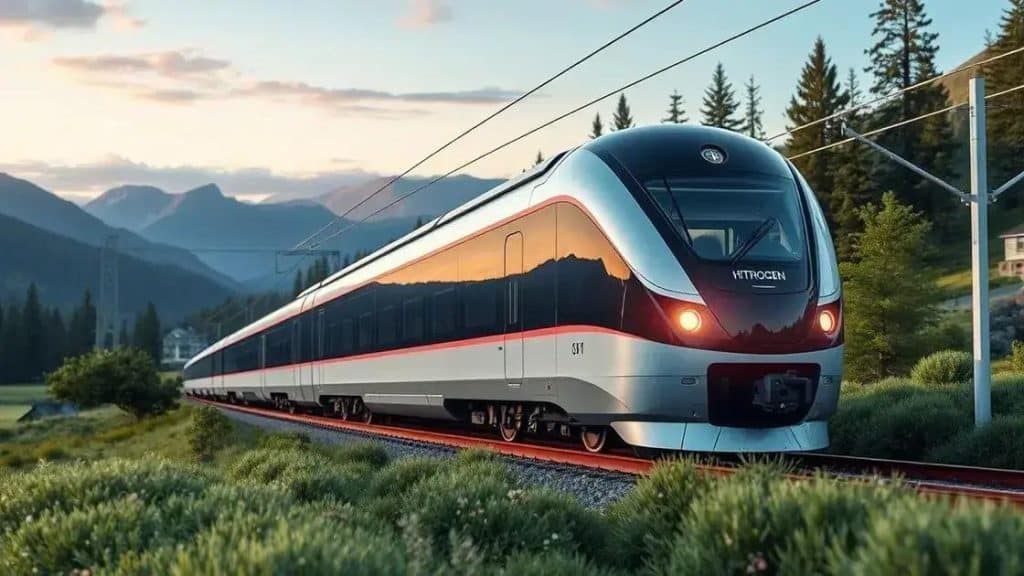
Hydrogen-powered train deployment offers a sustainable and efficient alternative to traditional rail transport, significantly reducing emissions and operational costs while driving innovation in green technology.
Hydrogen-powered train deployment is gaining traction as a cleaner alternative for rail travel. But have you ever wondered how this technology could reshape our transportation landscape? Let’s dive in!
What are hydrogen-powered trains?
Hydrogen-powered trains are an innovative solution for the future of rail transport. These trains use hydrogen fuel cells to generate electricity, promoting a cleaner and more sustainable mode of travel.
Unlike traditional diesel-powered trains, hydrogen trains produce only water vapor as a byproduct, significantly reducing carbon emissions. This is vital in our efforts to combat climate change and promote greener public transport.
How do hydrogen-powered trains work?
Hydrogen-powered trains operate using hydrogen stored in tanks. The hydrogen is then fed into a fuel cell, where it reacts with oxygen from the air to produce electricity. This electricity powers the train’s electric motors, driving the wheels and propelling the train forward.
Advantages of hydrogen-powered trains
- Environmental benefits: Reduced greenhouse gas emissions make hydrogen trains environmentally friendly alternatives.
- Operational efficiency: Hydrogen fuel cells can be refueled quickly, providing greater operational flexibility compared to battery-powered options.
- Energy independence: Hydrogen can be produced from various sources, including renewable energy, enhancing energy security.
Their implementation can also lead to lower running costs over time, as advancements in hydrogen technology continue to evolve. Moreover, using a decentralized power source reduces reliance on traditional fossil fuels.
As global demand for cleaner transport options continues to rise, hydrogen-powered trains represent an essential step forward in modernizing our railway system. This technology not only showcases innovation but encourages investment in renewable infrastructure that can benefit society at large.
Benefits of hydrogen-powered train deployment
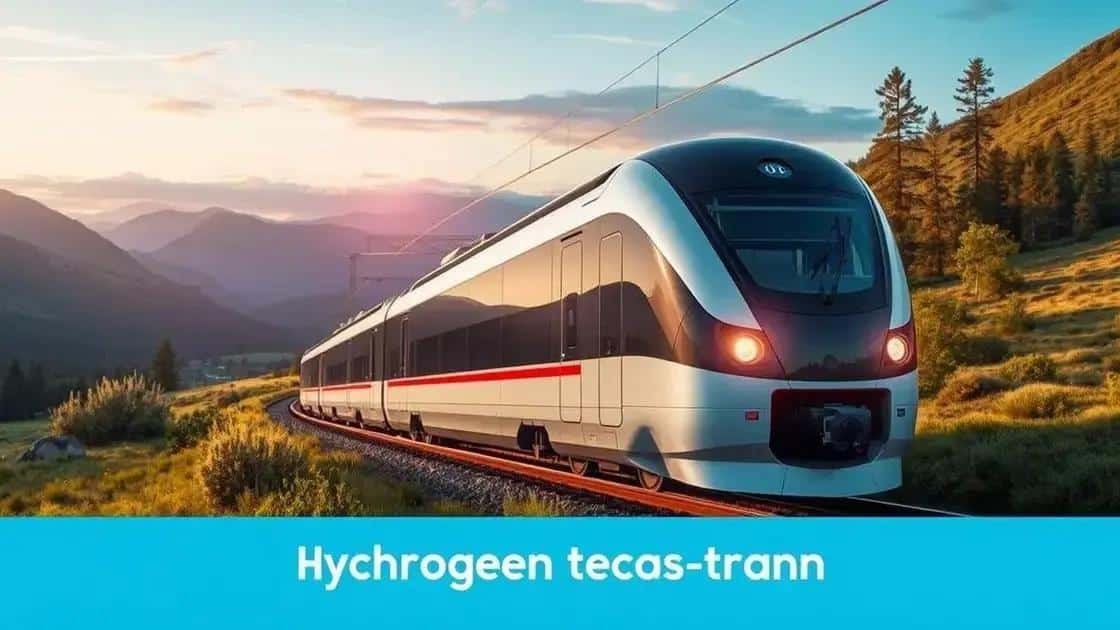
The benefits of hydrogen-powered train deployment are numerous and impactful, positioning this technology as a game-changer for sustainable transportation. These trains not only promise lower emissions but also enhance efficiency and operational flexibility.
One major advantage is the significant reduction in greenhouse gas emissions. By using hydrogen as a fuel source, trains emit only water vapor, making them a clean alternative to diesel engines. This shift can help combat climate change and improve air quality in urban areas.
Operational and Economic Benefits
Another key benefit of hydrogen trains is their operational efficiency. Hydrogen fuel cells can be refueled quickly, allowing for faster turnaround times. This efficiency is particularly important for busy rail networks where scheduling is critical.
- Lower running costs: Although the initial investment may be high, hydrogen trains can lead to lower operational costs over time due to reduced fuel expenses.
- Flexibility: These trains can operate on existing rail networks without the need for extensive electrification.
- Energy source diversity: Hydrogen can be produced from various renewable and non-renewable sources, increasing energy security.
The deployment of hydrogen-powered trains also supports economic growth. It creates jobs in manufacturing, infrastructure, and maintenance, driving innovation in green technologies. Investing in hydrogen technology can engage local economies and promote sustainability.
Moreover, as the industry scales up, costs associated with hydrogen production are expected to decrease, making this technology even more accessible. Overall, the transition to hydrogen-powered trains represents a significant step towards a more sustainable, efficient, and economically viable future for rail travel.
Challenges in implementing hydrogen trains
Implementing hydrogen trains presents several challenges that need to be addressed for successful deployment. While the technology offers numerous benefits, there are hurdles that stakeholders must overcome to fully realize its potential.
One significant challenge is the initial investment required for infrastructure development. Creating hydrogen production facilities, refueling stations, and retrofitting existing rail systems can be costly. This investment may deter some operators, especially in regions with limited budgets.
Technical and Operational Challenges
Another challenge lies in the technology itself. Hydrogen storage and transportation require specific materials and safety measures. Hydrogen is highly flammable, and ensuring safety in handling and storage is vital.
- Storage solutions: Developing efficient storage methods for hydrogen on trains is crucial to ensure adequate fuel supply and safety.
- Compatibility: Integrating hydrogen trains into existing rail networks must be done carefully to ensure compatibility with current systems.
- Fuel cell technology: Continuous advancements in fuel cell efficiency are needed to make hydrogen trains more efficient and practical.
The regulatory environment also poses challenges. Existing laws may not fully support the deployment of hydrogen-powered trains, and operators may need to navigate a complex landscape of approvals and regulations.
Public acceptance is another critical factor. Many communities may be unfamiliar with hydrogen technology and its benefits, leading to skepticism. Educating the public about safety and environmental advantages is essential for fostering support.
Finally, competition with other clean technologies, such as battery-electric trains, may delay adoption. Stakeholders need to consider the broader landscape and work collaboratively to address these challenges effectively.
Future outlook for hydrogen-powered rail transport
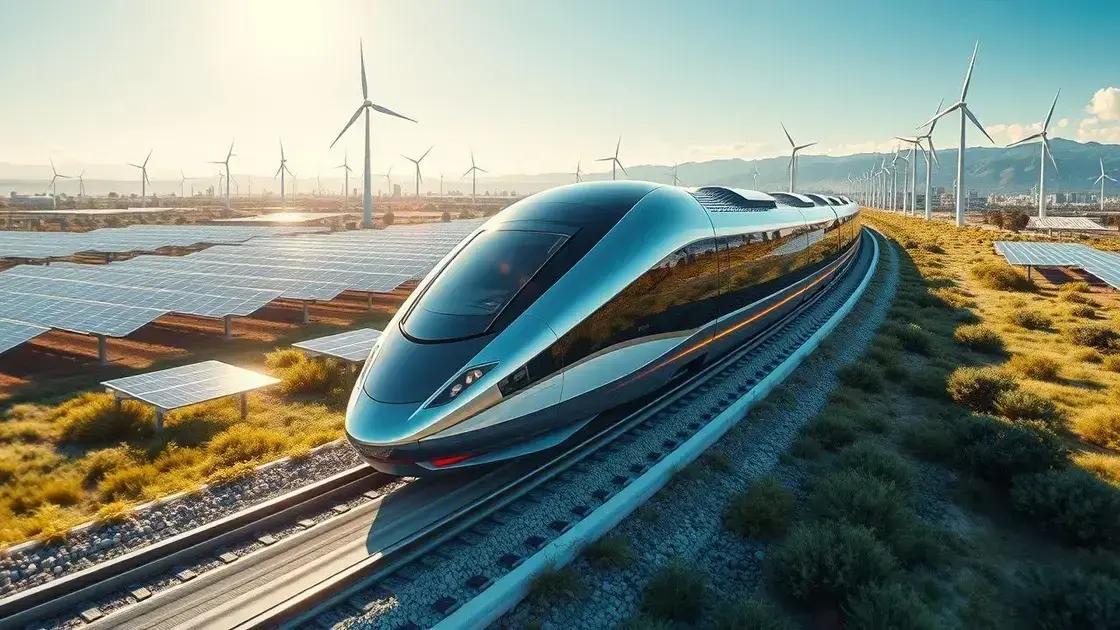
The future outlook for hydrogen-powered rail transport is bright and full of potential. As the world moves towards greener energy solutions, hydrogen trains are gaining attention as a viable alternative to diesel and electric trains.
One of the key factors driving this trend is the global push for sustainability. Governments around the world are setting ambitious targets for reducing greenhouse gas emissions. This creates a favorable environment for hydrogen-powered trains to emerge as a cleaner, more efficient solution.
Technological Advancements
Innovation in hydrogen production and fuel cell technology is accelerating. Researchers and companies are working on improving the efficiency and affordability of hydrogen generation methods. Advances in electrolysis and hydrogen storage materials are becoming more accessible, enabling better performance for trains.
- Cost reductions: As technology improves, the costs associated with producing and transporting hydrogen are expected to decrease.
- Increased range: New developments will lead to trains with longer ranges, making them suitable for various routes.
- Integration with renewables: Hydrogen production can increasingly be linked with renewable sources like wind and solar, ensuring clean energy supply.
The growing interest in hydrogen trains has also led to pilot projects and collaborations. Countries like Germany, the UK, and Japan are investing in testing these trains on their rail networks. Success in these projects will pave the way for wider adoption.
Public and private sectors are likely to work together to create a comprehensive infrastructure for hydrogen trains. This collaboration can lead to the establishment of refueling stations along busy rail corridors, making hydrogen trains practical for everyday use.
As more countries invest in hydrogen technology, the possibilities for hydrogen-powered rail transport will expand, addressing energy security and climate change challenges. The journey toward a sustainable rail system has just begun, and hydrogen trains may play a pivotal role in shaping the future of transport.
FAQ – Frequently Asked Questions about Hydrogen-Powered Trains
What are hydrogen-powered trains?
Hydrogen-powered trains use hydrogen fuel cells to generate electricity, resulting in zero emissions, with only water vapor produced as a byproduct.
What are the main benefits of hydrogen trains?
They offer lower greenhouse gas emissions, operational efficiency, and the potential for reduced costs over time, making them a sustainable transport solution.
What challenges do hydrogen trains face in implementation?
Challenges include high initial investment for infrastructure, technical and safety concerns with hydrogen handling, and regulatory hurdles.
What is the future outlook for hydrogen-powered rail transport?
The future is promising, with ongoing advancements in technology, growing government support, and an increasing focus on sustainable energy solutions.