Hydrogen fuel cell buses for public transport
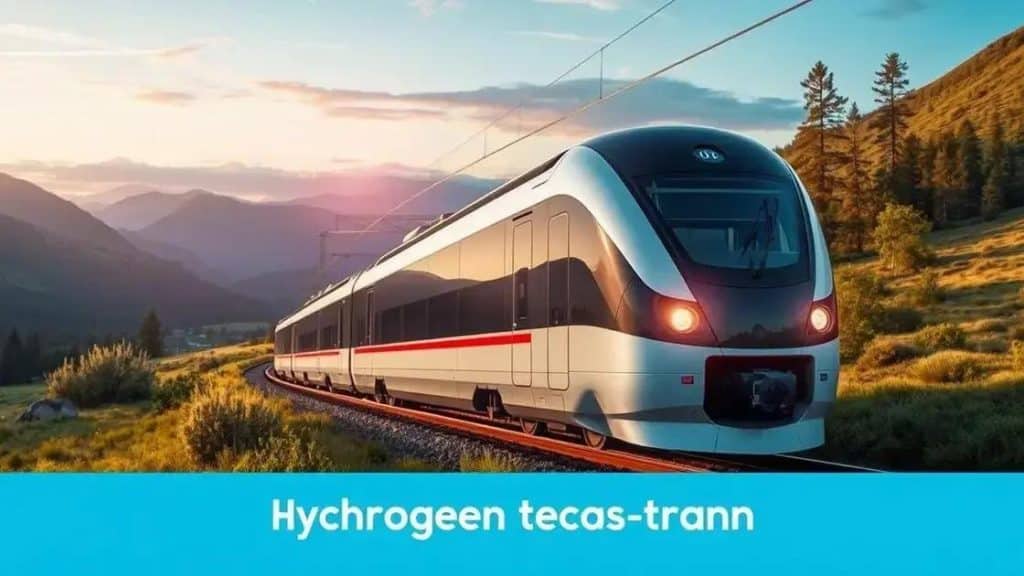
Hydrogen fuel cell buses for public transport offer a sustainable solution that reduces emissions and improves urban mobility while contributing to cleaner air and healthier communities.
Hydrogen fuel cell buses for public transport are emerging as a sustainable solution to urban mobility. Imagine a city where public transport is not only efficient but also environmentally friendly. Let’s dive into how these innovative buses are shaping the future of our cities.
Understanding hydrogen fuel cell technology
To fully grasp the potential of hydrogen fuel cell technology, we must first understand how it operates. This technology converts hydrogen gas into electricity through a chemical reaction, producing only water as a byproduct. This process makes it an incredibly clean and efficient energy source.
Hydrogen fuel cells are composed of parts including an anode, a cathode, and an electrolyte membrane, all of which work together to generate power. When hydrogen passes through the anode, it splits into protons and electrons. The electrons create an electric current, while the protons move through the electrolyte to the cathode.
Benefits of hydrogen fuel cells
One major advantage of hydrogen fuel cell technology is its ability to reduce harmful emissions. Unlike traditional fossil fuels, hydrogen produces zero greenhouse gases when used. This can lead to cleaner air in urban areas, providing significant health benefits.
- Greatly reduces carbon footprint
- Utilizes renewable resources
- Enables long range and quick refueling times
Another crucial aspect is the potential for energy efficiency. Hydrogen fuel cells can convert chemical energy directly into electrical energy with high efficiency. This means more usage of the energy content compared to standard combustion engines.
Challenges to overcome
However, there are challenges facing the widespread adoption of this technology. The production of hydrogen is currently reliant on fossil fuels, making it less sustainable. Additionally, infrastructure for refueling is limited in many areas, posing a hurdle for implementation.
Advancements in technology and increased investment may help overcome these obstacles. As research continues, we can expect improved methods for producing and utilizing hydrogen fuel cells in public transport and other sectors.
Benefits of hydrogen buses for cities
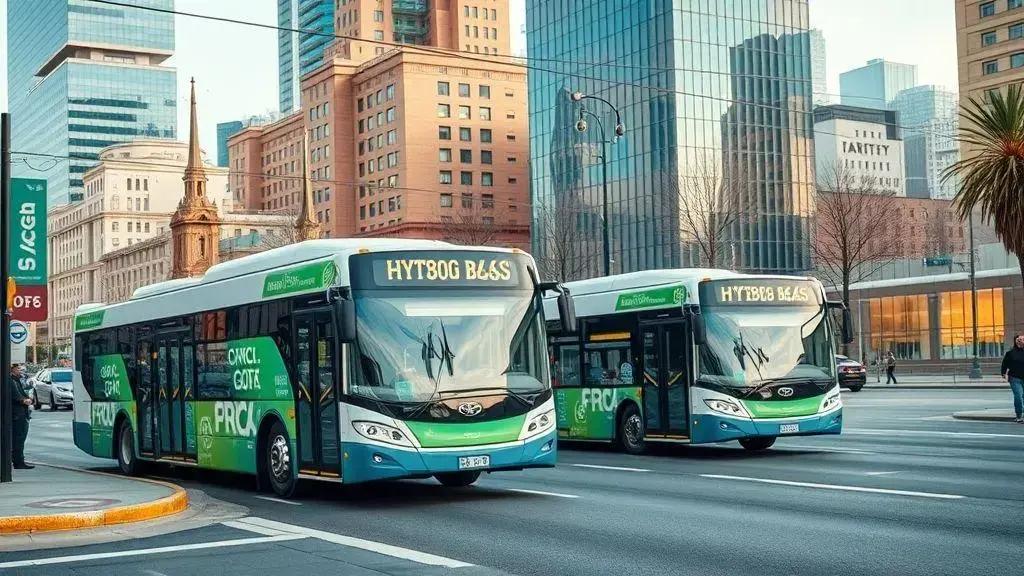
The adoption of hydrogen buses presents numerous benefits for cities around the world. These vehicles offer a sustainable transport solution that helps reduce pollution while improving public transport systems.
One significant advantage is the reduction of emissions. By using hydrogen as a clean fuel, buses emit only water vapor, unlike traditional diesel buses that pollute the air. This contributes to healthier communities, particularly in urban areas often affected by smog.
Economic Benefits
Implementing hydrogen buses can also have economic advantages for cities. Investing in hydrogen infrastructure creates jobs, from research and development to manufacturing and maintenance. Furthermore, it encourages the local economy as more funding is directed towards sustainable energy projects.
- Job creation in green technology sectors
- Reduction in healthcare costs due to cleaner air
- Potential for energy independence
Another benefit is the efficiency of hydrogen buses. They can refuel quickly, typically in about 15 minutes, allowing for greater operational flexibility compared to battery electric buses. This characteristic ensures that public transportation services remain reliable and responsive to passenger demand.
Improved Public Perception
In addition to environmental and economic benefits, using hydrogen buses can improve public perception of city transport systems. Citizens are becoming more aware of environmental issues and may prefer to use public transport that actively contributes to sustainability goals.
As cities adopt these technologies, they not only comply with stricter emissions regulations but also enhance their image as progressive and eco-friendly. By promoting hydrogen fuel technology, cities can lead by example, inspiring other regions to follow suit and invest in green transport solutions.
Challenges in implementing hydrogen-powered public transport
Implementing hydrogen-powered public transport comes with a unique set of challenges that must be addressed to ensure its success. One of the primary hurdles is the cost of establishing infrastructure. Hydrogen production, storage, and fueling stations require significant investment, which can deter cities from making the switch.
Additionally, the current methods for producing hydrogen, such as steam methane reforming, often rely on fossil fuels. This creates a dilemma for stakeholders who aim to provide truly sustainable transportation solutions.
Public Awareness and Acceptance
Another major challenge is public awareness and acceptance of hydrogen buses. Many people are unfamiliar with this technology, which can lead to skepticism. It is crucial for cities to educate the public about the benefits of hydrogen as a clean fuel source and its role in reducing air pollution.
- Conduct outreach programs to inform citizens
- Highlight successful hydrogen projects in other regions
- Engage with the community through demonstrations
Furthermore, there are technical challenges related to the fuel cell technology itself. Hydrogen fuel cells are still evolving, and while they are becoming more efficient, they may not yet meet all operational demands. Factors such as range, refueling times, and vehicle performance must be continually improved.
Regulatory and Policy Framework
Regulatory frameworks also play a crucial role in the successful implementation of hydrogen-powered public transport. Supportive policies are essential to encourage investment and research into hydrogen technologies. Governments should create incentives for companies that invest in hydrogen infrastructure and technology development.
As authorities work to create rules that will support and encourage the use of hydrogen buses, they need to balance innovation with safety and efficiency. Addressing these challenges can help pave the way for a cleaner, more sustainable transportation future.
Future of public transport with hydrogen energy
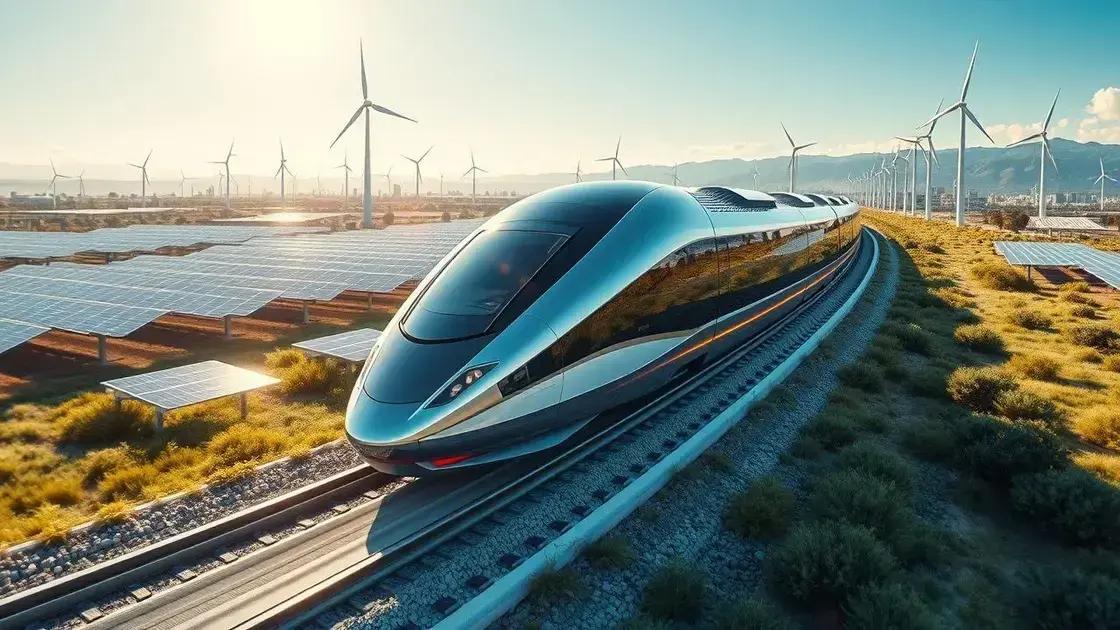
The future of public transport with hydrogen energy looks promising and is poised to revolutionize how we travel within cities. As more cities pursue sustainable solutions, hydrogen-powered vehicles offer an effective alternative to traditional diesel and gas-powered buses.
This transition could lead to substantial reductions in greenhouse gas emissions. By using hydrogen fuel cells, public transport systems can greatly decrease their environmental impact, making cities cleaner and healthier for residents.
Advancements in Technology
Continuous advancements in hydrogen technology are crucial for the future of public transport. Innovations in fuel cell efficiency and hydrogen production can enhance the performance and viability of these vehicles. As research progresses, we can expect to see more reliable and cost-efficient hydrogen buses on the roads.
- Improved fuel cell lifespan
- Lower production costs for hydrogen
- Increased vehicle range and faster refueling
Integration with smart city infrastructure is also a key factor. Hydrogen buses can connect with electric grids and contribute to a sustainable energy ecosystem. They can utilize renewable energy sources for hydrogen production, creating a closed-loop system that enhances efficiency.
Policy and Investment
Government policies will play a significant role in shaping the future of hydrogen-powered public transport. Supportive regulations, incentives, and funding can encourage the development of hydrogen infrastructure. Investment in research, alongside public-private partnerships, will further accelerate this transition.
Moreover, as cities aim for net-zero emissions, hydrogen energy can align with broader sustainability goals. By investing in hydrogen energy, cities can position themselves as leaders in innovation and environmental responsibility.
hydrogen energy holds great promise. As cities invest in hydrogen technology, we can expect cleaner air and healthier communities. Despite challenges, the potential benefits make it a worthwhile pursuit for sustainable urban mobility. With the right policies and public support, hydrogen buses could become the backbone of green public transport systems worldwide.
FAQ – Frequently Asked Questions about Hydrogen Energy in Public Transport
What are the main benefits of using hydrogen buses in public transport?
Hydrogen buses reduce emissions, improve air quality, and provide a sustainable solution for urban mobility.
How does hydrogen fuel technology work?
Hydrogen fuel cells convert hydrogen gas into electricity, producing only water vapor as a byproduct.
What challenges exist in implementing hydrogen-powered public transport?
Challenges include the high cost of infrastructure, the need for public awareness, and regulatory support.
What is the future outlook for hydrogen energy in public transport?
The future looks promising with advancements in technology, increased investments, and potential growth in sustainable urban transport solutions.