Green mobility and electric vehicle adoption: the future is here
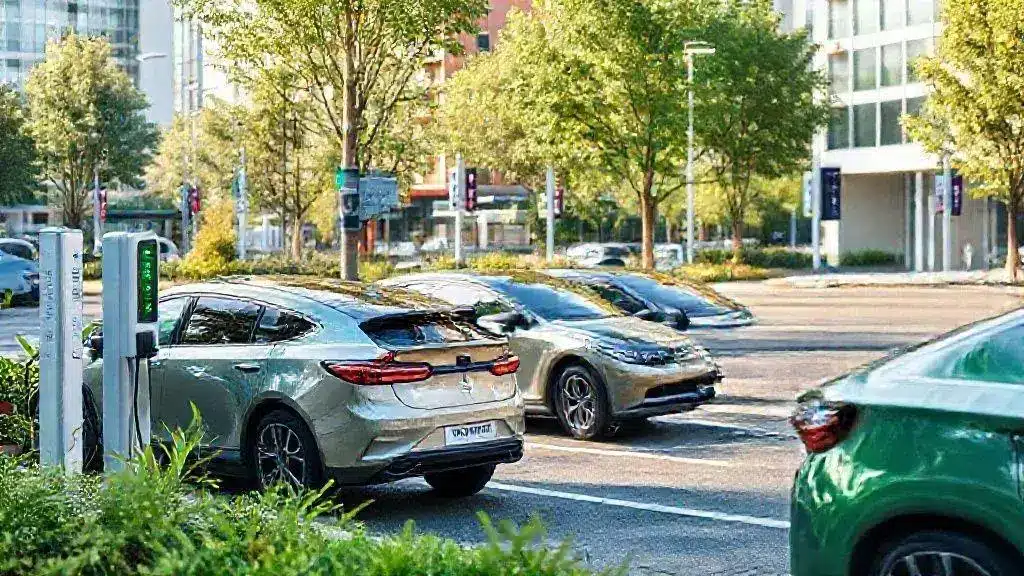
Green mobility and electric vehicle adoption significantly reduce emissions, improve air quality, and promote sustainable urban living while facing challenges like infrastructure needs and initial costs.
Green mobility and electric vehicle adoption are reshaping our transportation landscape. Have you ever thought about how these shifts can improve our cities and reduce our carbon footprint? Dive in to discover their significance.
Understanding green mobility and electric vehicles
Understanding green mobility and electric vehicles is essential for grasping how we can improve our transportation systems. Green mobility focuses on reducing environmental impacts while enhancing efficiency. With the rise in electric vehicles, this shift gains even more significance.
What is Green Mobility?
Green mobility involves using transportation methods that are environmentally friendly and sustainable. This can include electric buses, bicycles, and even walking. The goal is to create a cleaner and healthier environment.
Benefits of Electric Vehicles
Electric vehicles (EVs) offer numerous benefits for our cities and the planet. Here are some key advantages:
- Reduced emissions, contributing to cleaner air.
- Lower operating costs compared to gasoline vehicles.
- Decreased dependence on fossil fuels.
- Incentives and tax benefits available in many areas.
As we explore the adoption of electric vehicles, it’s important to consider their impact on urban planning and infrastructure. Cities are evolving to accommodate EV charging stations, making them more accessible. This evolution supports the growth of green mobility throughout urban landscapes.
Moreover, with technological advancements, electric vehicles are becoming more efficient and affordable. Consumers are now more inclined to consider electric options when purchasing vehicles. These changes encourage more people to embrace sustainable transportation.
Government policies are also driving this trend forward, with many regions setting ambitious targets for electric vehicle adoption. This collaboration between public and private sectors fosters innovation in the green mobility sector.
The environmental benefits of electric vehicle adoption
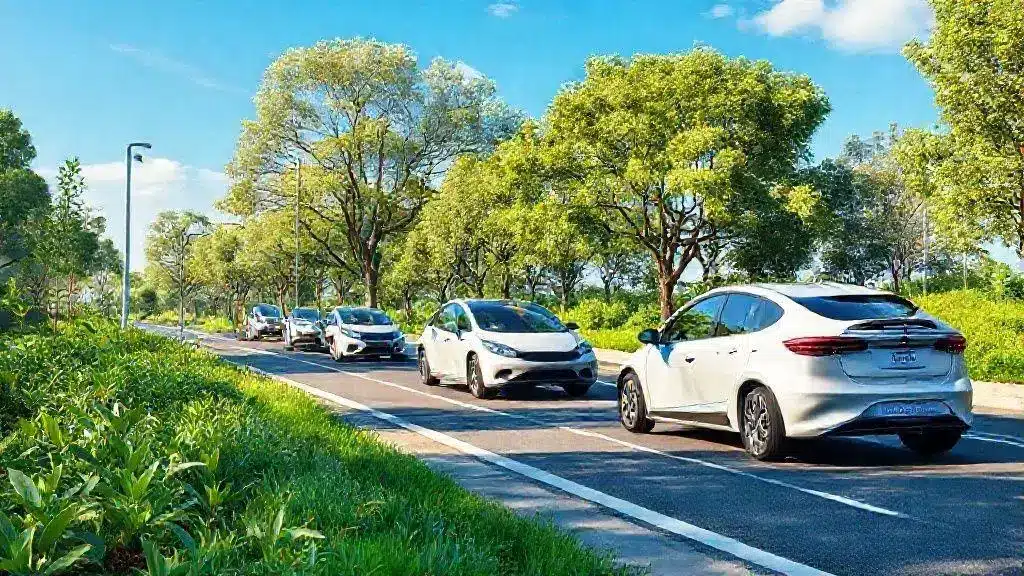
The adoption of electric vehicles brings significant environmental benefits that can positively impact our planet. As more people choose EVs, we can expect cleaner air and less pollution. This transition not only helps the environment but also encourages healthier communities.
Reduction of Greenhouse Gas Emissions
One of the most notable advantages of electric vehicles is their capacity to reduce greenhouse gas emissions. Unlike traditional gas-powered cars, EVs do not emit carbon dioxide while operating. This reduction plays a crucial role in combating climate change.
Improved Air Quality
Another major benefit is improved air quality. Electric vehicles produce less air pollution, which helps reduce smog and other harmful pollutants in urban areas. Cleaner air leads to better health outcomes for everyone, especially for children and elderly individuals.
- Decreases respiratory illnesses caused by pollution.
- Reduces the risk of heart disease linked to air quality.
- Enhances overall quality of life in communities.
As cities adapt to the rise of electric mobility, we see a positive shift towards eco-friendly infrastructures. More charging stations and green spaces are being developed. These changes not only promote the use of electric vehicles but also create a more sustainable environment.
The overall energy efficiency of electric vehicles contributes to a decrease in fossil fuel dependence. EVs make use of renewable energy sources, such as solar and wind power, which further lessens environmental impacts. This sustainable method of transportation is essential for future generations.
Challenges in transitioning to electric mobility
Transitioning to electric mobility presents several challenges that society must address. While the benefits are clear, there are obstacles that can slow down the adoption of electric vehicles (EVs). Understanding these challenges is crucial for creating effective strategies.
Infrastructure Development
A significant hurdle is the need for better infrastructure. For electric vehicles to become mainstream, we require more charging stations. Many regions still lack adequate charging facilities, which can discourage potential buyers.
High Initial Costs
The cost of electric vehicles remains higher than traditional cars. Although the long-term savings on fuel and maintenance can be substantial, the upfront costs can be a barrier. This factor often makes some consumers hesitant to make the switch.
- Many buyers are concerned about financial investments.
- Incentives can help, but awareness is limited.
- Battery replacement costs can also deter consumers.
Moreover, the availability of battery technology is another challenge. Current batteries have limitations, including range anxiety. People worry about running out of power and not finding a charging station nearby. To overcome this, manufacturers are continuously improving battery efficiency and capacity.
Additionally, misconceptions about electric vehicles persist. Common myths, such as concerning performance and dependency on electricity generation sources, can confuse buyers. Addressing these myths with accurate information can help improve consumer perceptions. Education and outreach will play an essential role in the successful transition to electric mobility.
Future trends in sustainable transportation

Future trends in sustainable transportation indicate an exciting shift towards greener, more efficient modes of travel. As the world becomes more aware of environmental issues, changes in how we move are becoming vital. Innovations in technology and policy will drive these trends.
Increased Electrification
A major trend is the continued electrification of transportation. Not only will electric vehicles (EVs) become more common, but innovations will lead to electric options in buses, motorcycles, and even bicycles. This transition aims to reduce dependency on fossil fuels.
Integration of Autonomous Technologies
Autonomous vehicle technology is on the rise. Self-driving cars and public transportation options can make travel safer and more efficient. These vehicles can help reduce congestion and emissions by optimizing routes and driving patterns.
- Improved traffic flow reduces stop-and-go patterns.
- Increased safety decreases the risk of accidents.
- Better accessibility for individuals unable to drive.
Another important trend is the growth of shared mobility services. Ride-sharing and micro-mobility options, like electric scooters and bikes, are gaining popularity. By offering convenient, affordable alternatives to car ownership, these services help reduce traffic and emissions.
The role of renewable energy sources will also expand. As we produce more energy from wind and solar, the sustainability of charging electric vehicles improves significantly. This change encourages a shift towards a cleaner energy grid, benefiting the environment.
Public policies that prioritize public transportation investment will play a critical role in shaping future transportation trends. Cities are beginning to focus on developing comprehensive transit systems to encourage the use of sustainable transportation methods.
In conclusion, the shift towards green mobility and electric vehicle adoption is crucial for a sustainable future. As more cities embrace electric mobility, we can expect cleaner air, reduced emissions, and improved quality of life. While challenges remain, including infrastructure needs and initial costs, the benefits clearly outweigh these obstacles. With the continued growth of technology and public awareness, we are on the path to a greener transportation system. It’s vital for individuals, businesses, and governments to work together in supporting this transition for a healthier planet.
FAQ – Questions about Green Mobility and Electric Vehicle Adoption
What are the main benefits of electric vehicles?
Electric vehicles offer cleaner air, reduced greenhouse gas emissions, and lower operating costs compared to traditional gas-powered cars.
What challenges does electric mobility face?
Challenges include the need for more charging infrastructure, high initial costs of electric vehicles, and public misconceptions about their performance.
How is technology improving electric vehicles?
Advancements in battery technology are leading to longer ranges, faster charging times, and better overall efficiency for electric vehicles.
What role do policies play in supporting electric mobility?
Government policies can incentivize the adoption of electric vehicles through tax credits, rebates, and investments in public charging infrastructure.