Green Fleets: 10% Operational Cost Reduction by 2025
Businesses embracing green fleets are projected to achieve a significant 10% reduction in operational costs by 2025, driven by fuel efficiency, lower maintenance, and various incentives, marking a pivotal shift in sustainable transportation economics.
The economic landscape for businesses is constantly evolving, with sustainability emerging as a critical factor for both reputation and profitability. A compelling data-driven analysis indicates that companies transitioning to green fleets operational costs can anticipate a remarkable 10% reduction in operational expenses by 2025. This isn’t merely an environmental aspiration; it’s a strategic business imperative that promises tangible financial benefits and a competitive edge in a rapidly changing market.
Understanding the Shift to Green Fleets
The concept of green fleets involves integrating environmentally friendly vehicles and practices into a company’s transportation operations. This transition is not just about adopting electric vehicles (EVs); it encompasses a broader strategy that includes optimizing routes, utilizing biofuels, and implementing advanced telematics to enhance efficiency and reduce environmental impact.
Historically, fleet management prioritized cost-efficiency primarily through fuel price negotiation and maintenance scheduling. However, the paradigm has shifted. Today, the focus extends to total cost of ownership (TCO) that factors in environmental benefits, regulatory compliance, and public perception. The move towards green fleets is a direct response to increasing consumer demand for sustainable practices and stricter environmental regulations, particularly in the United States.
Key Components of a Green Fleet
- Electric Vehicles (EVs): Battery electric vehicles (BEVs) and plug-in hybrid electric vehicles (PHEVs) significantly reduce tailpipe emissions and reliance on fossil fuels.
- Alternative Fuels: Biodiesel, renewable natural gas (RNG), and hydrogen fuel cells offer cleaner alternatives to conventional diesel and gasoline.
- Route Optimization: Advanced software minimizes mileage, reduces idling time, and improves delivery efficiency, cutting down on fuel consumption and wear-and-tear.
- Driver Behavior Monitoring: Telematics systems track driving patterns, promoting smoother acceleration, braking, and adherence to speed limits, which directly impacts fuel efficiency and safety.
Embracing a green fleet strategy requires a holistic approach, considering not only the vehicles themselves but also the supporting infrastructure, such as charging stations and maintenance facilities. This comprehensive view ensures that the transition is smooth, cost-effective, and fully integrated into existing operations, laying the groundwork for significant long-term savings and improved corporate responsibility.
Fuel Efficiency and Energy Cost Savings
One of the most immediate and impactful benefits of transitioning to a green fleet is the substantial reduction in fuel and energy costs. Traditional internal combustion engine (ICE) vehicles are subject to volatile fossil fuel prices, which can significantly impact operational budgets. Green fleets, particularly those utilizing electric vehicles, offer a more predictable and often lower energy cost structure.
Electric vehicles, for instance, convert a much higher percentage of electrical energy from the grid to power the wheels compared to the energy conversion efficiency of gasoline in an ICE vehicle. This inherent efficiency translates directly into lower per-mile operating costs. Moreover, the cost of electricity, while varying by region and time of day, is generally more stable and less prone to dramatic fluctuations than gasoline or diesel prices.
The Impact of Charging Infrastructure
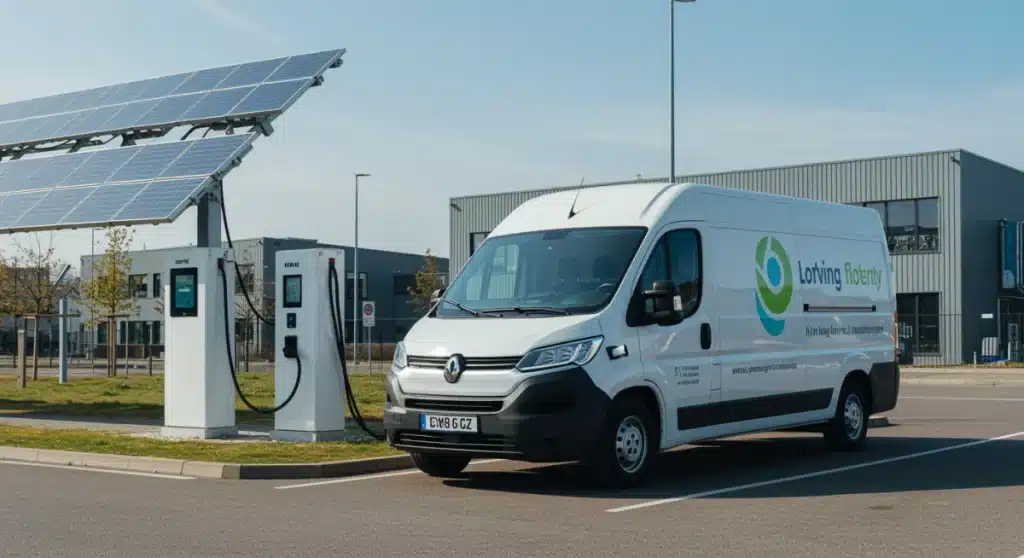
Investing in proprietary charging infrastructure can further enhance cost savings. Companies can leverage off-peak electricity rates for charging, dramatically reducing their energy expenditure. Furthermore, the deployment of renewable energy sources, such as solar panels at charging depots, can create a self-sustaining energy ecosystem, largely insulating the fleet from grid price variations and contributing to a truly zero-emission operation.
- Reduced Fuel Dependence: Less exposure to fluctuating global oil markets.
- Lower Energy Rates: Opportunity to utilize off-peak electricity pricing for charging.
- Renewable Energy Integration: Potential for self-sufficient charging infrastructure, cutting external energy costs.
- Government Incentives: Various federal and state incentives for EV purchases and charging infrastructure can offset initial investment costs, further enhancing long-term savings.
The cumulative effect of these factors creates a compelling economic argument. Data consistently shows that businesses can achieve significant savings on energy costs alone, often representing a substantial portion of the projected 10% operational cost reduction by 2025. This financial advantage provides a strong incentive for businesses to accelerate their transition to green fleet models.
Reduced Maintenance and Longevity of Green Vehicles
Beyond fuel savings, green fleets, particularly electric vehicles, offer considerable advantages in terms of reduced maintenance requirements and extended vehicle longevity. Electric powertrains have fewer moving parts compared to their internal combustion counterparts. This inherent simplicity translates into fewer components that can wear out or break down, leading to lower maintenance costs and less downtime.
A typical gasoline or diesel engine requires regular oil changes, spark plug replacements, and complex exhaust system maintenance. Electric vehicles eliminate many of these routine services. Brake wear is also often reduced in EVs due to regenerative braking systems, which convert kinetic energy back into electricity, reducing the reliance on friction brakes.
Long-Term Durability and Resale Value
The robust design of electric vehicles, coupled with fewer maintenance needs, often contributes to a longer operational lifespan. This extended durability enhances the return on investment for businesses, as vehicles remain in service for longer periods, deferring the need for costly replacements. Furthermore, as the market for used EVs grows, their resale value is expected to remain strong, offering another financial benefit.
- Fewer Moving Parts: Simpler electric motors require less frequent servicing.
- Reduced Fluid Changes: No oil changes, coolant flushes, or transmission fluid replacements.
- Extended Brake Life: Regenerative braking minimizes wear on conventional brake pads.
- Less Downtime: Fewer maintenance stops mean vehicles spend more time on the road, generating revenue.
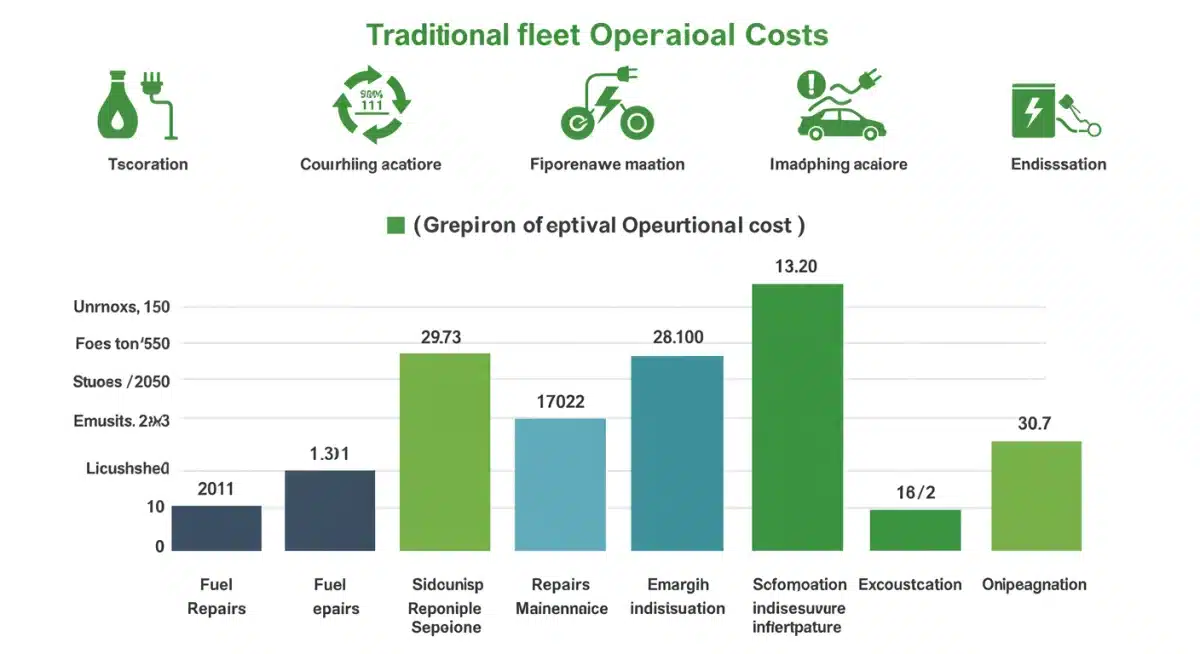
These maintenance advantages are not merely theoretical; they are consistently demonstrated in fleet operations that have adopted EVs. The data underscores that the reduced need for parts and labor contributes significantly to lowering the overall operational costs of a green fleet, supporting the projection of a 10% reduction by 2025.

Incentives, Tax Credits, and Regulatory Compliance
Government incentives and tax credits play a pivotal role in accelerating the adoption of green fleets and significantly improving their economic viability. In the United States, federal, state, and local governments offer a variety of programs designed to encourage businesses to invest in cleaner transportation technologies. These incentives can range from direct purchase rebates to tax credits for vehicle acquisition and charging infrastructure installation.
The federal clean vehicle tax credit, for example, can offer substantial savings on eligible new and used electric vehicles. Many states also provide their own incentives, which can be combined with federal programs, further reducing the upfront cost of transitioning to a green fleet. These financial stimuli are crucial in offsetting the initial capital expenditure, making the switch more attractive for businesses.
Navigating Regulatory Landscapes
Beyond direct financial incentives, regulatory compliance is another significant driver for green fleet adoption. As environmental regulations become stricter, particularly concerning emissions standards, operating conventional fleets can incur penalties or limit access to certain urban areas. Green fleets, by their nature, are designed to meet or exceed these standards, ensuring compliance and avoiding potential fines.
- Federal Tax Credits: Significant reductions on the purchase of eligible EVs and charging equipment.
- State and Local Rebates: Additional financial incentives that can stack with federal programs.
- Emissions Compliance: Green fleets inherently meet evolving environmental regulations, avoiding penalties.
- Access to Low-Emission Zones: EVs often gain preferential access or exemption from fees in urban low-emission zones, improving operational efficiency in congested areas.
The strategic utilization of these incentives and proactive regulatory compliance not only lowers the effective cost of ownership but also positions businesses as responsible corporate citizens. This enhanced public image can translate into increased customer loyalty and new business opportunities, contributing indirectly to the overall economic case for green fleets operational costs.
Operational Efficiency Through Advanced Telematics
Modern green fleets leverage advanced telematics systems not just for tracking, but for unparalleled operational efficiency that directly impacts the bottom line. These sophisticated systems go beyond basic GPS, providing real-time data on vehicle performance, driver behavior, and route optimization. This data-driven approach allows fleet managers to make informed decisions that reduce costs and improve overall productivity.
Telematics can monitor critical metrics such as speed, acceleration, braking, and idling time. By analyzing this data, businesses can identify inefficient driving habits and implement training programs to promote safer and more fuel-efficient driving. Even minor improvements in driver behavior can lead to significant reductions in fuel consumption and vehicle wear, contributing to the projected 10% operational cost reduction.
Optimizing Routes and Asset Utilization
Beyond driver behavior, telematics systems are instrumental in optimizing routes and maximizing asset utilization. Real-time traffic data, weather conditions, and delivery schedules can be integrated to plan the most efficient routes, minimizing mileage and delivery times. This not only saves on fuel but also reduces labor costs and increases the number of deliveries a single vehicle can make in a day.
- Real-time Data: Insights into vehicle location, speed, and performance.
- Driver Performance Monitoring: Identifies areas for improvement in driving habits to save fuel and reduce accidents.
- Dynamic Route Optimization: Adjusts routes based on real-time conditions to enhance efficiency.
- Asset Tracking and Utilization: Ensures vehicles are used optimally, reducing idle time and maximizing productivity.
The integration of advanced telematics is a cornerstone of modern green fleet management. It transforms raw data into actionable intelligence, allowing businesses to fine-tune their operations for maximum efficiency and cost-effectiveness. This technological advantage is a key component in achieving and surpassing the goal of a 10% reduction in operational costs by 2025.
The Long-Term Environmental and Brand Benefits
While the immediate economic benefits of green fleets are compelling, the long-term environmental and brand advantages provide an equally strong, albeit sometimes less quantifiable, case for adoption. Operating a green fleet significantly reduces a company’s carbon footprint, contributing to cleaner air and a healthier planet. This commitment to environmental stewardship resonates deeply with consumers, employees, and investors alike.
In an era of increasing environmental awareness, companies that demonstrate a genuine commitment to sustainability often enjoy enhanced brand perception and customer loyalty. Consumers are increasingly making purchasing decisions based on a company’s environmental record. A visible green fleet can serve as a powerful marketing tool, communicating a brand’s values and attracting environmentally conscious customers.
Attracting and Retaining Talent
Beyond customer appeal, a strong commitment to sustainability can also be a key factor in attracting and retaining top talent. Employees, particularly younger generations, are often drawn to companies that align with their values and demonstrate social responsibility. Offering a workplace that prioritizes environmental impact can improve employee morale and reduce turnover, leading to further cost savings in recruitment and training.
- Reduced Carbon Footprint: Direct contribution to combating climate change and improving air quality.
- Enhanced Brand Image: Positions the company as a responsible and forward-thinking organization.
- Increased Customer Loyalty: Appeals to environmentally conscious consumers.
- Improved Employee Morale and Retention: Attracts talent seeking purpose-driven employment.
The long-term benefits of a green fleet extend far beyond direct financial savings. They build a resilient and reputable brand, foster a positive corporate culture, and ensure the business is well-positioned for future regulatory changes and market demands. These intangible assets contribute significantly to the overall value proposition of transitioning to a green fleet, solidifying the economic case for green fleets operational costs.
Future Outlook and Strategic Implementation
The trajectory for green fleets points towards continued growth and innovation, making strategic implementation crucial for businesses aiming to capitalize on the projected 10% operational cost reduction by 2025. The rapid advancements in battery technology, charging infrastructure, and vehicle performance are constantly improving the viability and attractiveness of electric and alternative fuel vehicles.
As technology matures and economies of scale are achieved, the upfront costs of green vehicles are expected to decrease, further enhancing their total cost of ownership advantage. Policy support, in the form of continued incentives and infrastructure investments, will also play a critical role in accelerating adoption across various industries in the United States.
Developing a Phased Transition Plan
For businesses looking to make the switch, a phased transition plan is often the most effective approach. This involves gradually integrating green vehicles into the existing fleet, starting with routes or applications where the benefits are most pronounced. Pilot programs can help identify potential challenges and refine strategies before a full-scale deployment.
- Technology Advancements: Continuous improvements in EV range, charging speed, and vehicle performance.
- Declining Costs: Expected reduction in upfront vehicle costs as production scales.
- Evolving Policy Support: Ongoing government incentives and infrastructure development.
- Phased Implementation: Gradual integration allows for learning and optimization, minimizing disruption.
Strategic partnerships with energy providers, charging infrastructure companies, and technology developers can also facilitate a smoother and more cost-effective transition. By staying abreast of these developments and planning proactively, businesses can confidently navigate the shift to green fleets, securing not only significant operational cost reductions but also a sustainable and profitable future.
| Key Aspect | Economic Benefit Summary |
|---|---|
| Fuel/Energy Savings | Electric vehicles offer significantly lower and more stable energy costs compared to fossil fuels, reducing operational expenses. |
| Maintenance Reduction | Fewer moving parts in EVs lead to less frequent and costly maintenance, extending vehicle lifespan and reducing downtime. |
| Incentives & Compliance | Government tax credits and rebates offset initial investment, while compliance avoids penalties and enhances market access. |
| Operational Efficiency | Advanced telematics optimize routes and driver behavior, leading to reduced mileage, fuel consumption, and labor costs. |
Frequently Asked Questions About Green Fleets
The primary drivers include significant operational cost reductions, especially in fuel and maintenance, coupled with government incentives and increasing pressure for environmental sustainability. Enhanced brand image and regulatory compliance also play crucial roles in this transition.
Electric vehicles offer lower per-mile energy costs and reduced maintenance needs due to fewer moving parts. They also benefit from various tax credits and rebates, further decreasing the total cost of ownership over their lifespan compared to traditional vehicles.
Telematics systems provide real-time data on vehicle performance and driver behavior, enabling route optimization and identification of inefficient practices. This leads to reduced fuel consumption, minimized idling, and improved overall operational productivity and cost management.
Yes, numerous federal, state, and local incentives exist, including tax credits for purchasing electric vehicles and installing charging infrastructure. These programs significantly reduce the initial capital investment, making the transition more financially accessible for businesses.
Beyond financial savings, green fleets enhance a company’s brand image, attract environmentally conscious customers, and improve employee morale. They also ensure compliance with evolving environmental regulations and contribute positively to corporate social responsibility efforts.
Conclusion
The economic case for green fleets is no longer a theoretical debate but a tangible reality, underscored by the strong projection of a 10% reduction in operational costs for businesses by 2025. This transformative shift is driven by a confluence of factors: substantial fuel and energy savings, significantly lower maintenance requirements for electric vehicles, a robust landscape of government incentives and tax credits, and the power of advanced telematics to optimize every aspect of fleet operations. Beyond the immediate financial gains, adopting a green fleet strategy imbues businesses with invaluable long-term benefits, including an enhanced brand reputation, increased customer loyalty, and a stronger position in an increasingly environmentally conscious market. For forward-thinking companies in the United States, embracing green fleets is not just an opportunity for cost reduction; it is a strategic investment in a sustainable, resilient, and profitable future.