Global supply chain disruption updates: what you need to know
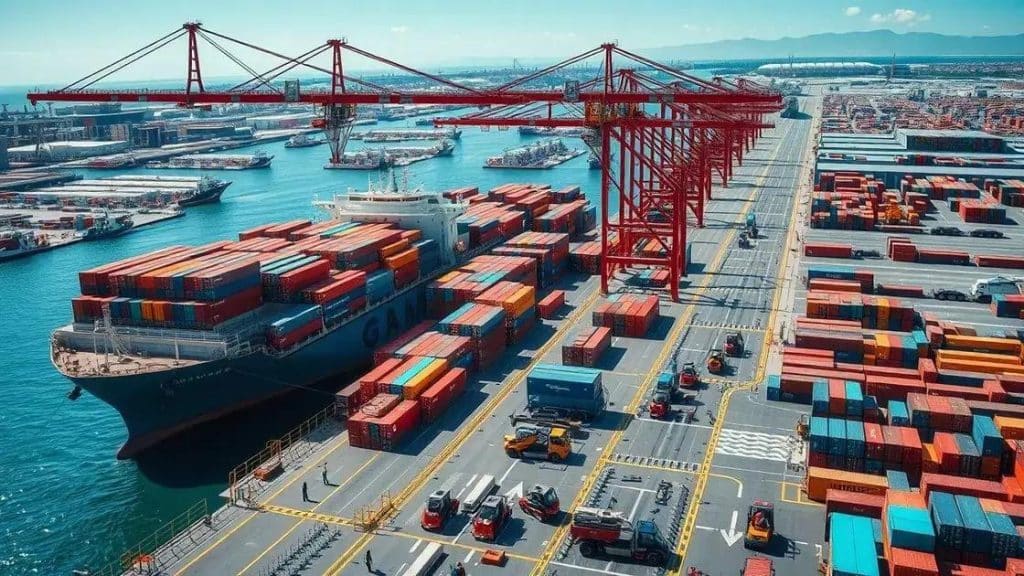
Global supply chain disruptions are caused by factors like natural disasters and political instability, requiring businesses to implement strategies such as supplier diversification and technology investment for effective risk mitigation.
Global supply chain disruption updates have become essential knowledge for businesses navigating today’s marketplace. As events unfold, how is your company adapting to stay competitive?
Understanding the causes of global supply chain disruptions
Understanding the causes of global supply chain disruptions is vital for businesses today. These disruptions can stem from various factors, and recognizing them helps companies prepare effectively.
One significant cause is natural disasters. Events like earthquakes and hurricanes can halt production and delay shipments. Other factors include political instability that affects trade routes and tariffs. It’s essential to understand how these elements can disrupt operations.
Key factors contributing to disruptions
Some major factors include:
- Transportation issues – Delays in shipping can cause bottlenecks.
- Labor shortages – Workforce issues can impede production levels.
- Increased demand – Sudden spikes can strain supply chains.
Also, the reliance on specific regions for certain products can create vulnerabilities. For instance, if a country that supplies a critical component faces challenges, entire industries may suffer.
Global events like pandemics can also trigger widespread supply chain disruptions. The recent COVID-19 pandemic highlighted how interconnected our world is. Disruptions in one area quickly escalated, affecting others far away. Companies need to be aware of these dynamics.
Technological impacts
Additionally, technology plays a role. Cyberattacks on supply chain systems can lead to significant delays and data losses. Businesses must invest in cybersecurity to protect their operations.
Understanding these causes can guide businesses in developing strategies to mitigate risks. By acknowledging potential threats, companies can diversify suppliers, engage in proper risk management, and create contingency plans.
Effects of disruptions on different industries

The effects of disruptions on different industries can vary widely, impacting everything from manufacturing to retail. Understanding these effects is crucial for businesses attempting to navigate a challenging landscape.
For instance, the manufacturing sector often feels the most immediate impact during disruptions. Production lines can come to a halt if essential parts or raw materials are delayed. This not only affects output but can also lead to increased costs as companies rush to source alternatives.
Impact on various industries
Here are a few notable impacts on key industries:
- Retail: Supply chain delays can lead to stock shortages, resulting in lost sales and unhappy customers.
- Agriculture: Farming operations may face challenges in transporting produce, leading to waste and reduced profits.
- Technology: The tech sector relies heavily on global components, and disruptions can stall product launches or updates.
In the service industry, disruptions can hinder delivery of services, such as logistics or transportation. Any delays affect the end-user experience and may damage brand reputation.
Additionally, the financial sector experiences ripple effects from disruptions. Uncertainty in supply chains can lead to market volatility, impacting investments and stock prices. Investors become wary, causing shifts in economic forecasts and strategies.
Long-term effects
Long-term disruptions can lead to significant changes in consumer behavior. People may begin to favor local products over international goods, seeking reliability and stability. This shift can reshape market dynamics.
As companies reevaluate their supply chain strategies, many are now focusing on building resilience. This includes diversifying suppliers and investing in technology to improve supply chain visibility. Adapting to these changes will be essential to thrive in the post-disruption era.
Strategies for businesses to mitigate supply chain risks
Implementing effective strategies for businesses to mitigate supply chain risks is essential in today’s fast-changing environment. Companies must be proactive in identifying potential threats and preparing solutions.
One popular method is diversifying suppliers. Relying on a single source can lead to vulnerabilities. By partnering with multiple suppliers across different regions, businesses can reduce the impact of disruptions.
Effective risk mitigation strategies
Here are some key strategies to consider:
- Invest in technology: Utilizing advanced software can help monitor supply chains and anticipate disruptions.
- Create contingency plans: Developing plans for potential disruptions ensures that businesses can respond quickly when issues arise.
- Conduct regular risk assessments: Regularly evaluating supply chain risks helps identify weaknesses and implement improvements.
Another critical strategy is building strong relationships with suppliers. Open communication can ensure that businesses are informed about any potential issues, allowing for quicker adjustments. Firms that work collaboratively with their suppliers often navigate disruptions better.
Training employees on supply chain management is also valuable. Well-informed staff can identify problems early, leading to faster resolutions. Regular training sessions keep employees up-to-date with best practices and new technologies.
Strengthening supply chain resilience
Implementing flexible operational practices is essential for resilience. Businesses should aim to be adaptable, allowing them to pivot in response to unexpected challenges. For instance, having backup logistics options can prevent delays in deliveries.
Finally, investing in local suppliers can also be a beneficial strategy. Local procurement reduces long-distance transportation issues and encourages community support. It can create a more reliable supply chain and contribute to sustainability goals.
Future outlook: trends in global supply chain management

The future outlook for trends in global supply chain management is shaping up to be exciting and complex. Businesses are adapting to new technologies and evolving market demands.
One key trend is the increase in automation. Companies are leveraging robotics and artificial intelligence to streamline operations. This automation not only speeds up production but also reduces human error, leading to greater efficiency.
Emerging trends to watch
Future developments include:
- Sustainability: Companies are prioritizing eco-friendly practices in their supply chains to meet consumer demand for responsible sourcing.
- Transparency: More businesses are adopting technologies that enhance visibility, allowing customers to track the origin of products.
- Blockchain: This technology is being explored for increased security and efficiency in transactions across the supply chain.
Another notable trend is the rise of digital platforms. These platforms facilitate better communication and collaboration between suppliers and manufacturers. They allow for real-time data sharing, which enhances decision-making.
Businesses are also focusing on agility. The ability to quickly adapt to market changes is becoming more critical. Firms that can pivot swiftly will gain a competitive advantage.
Global collaboration
Collaboration among businesses is expected to increase as well. Companies are forming partnerships to share resources and expertise. This collaborative approach can lead to innovative solutions and improved resilience.
Additionally, the emphasis on local sourcing is growing. By relying more on local suppliers, businesses can reduce delivery times and costs. It also supports local economies, which is increasingly important for consumers.
FAQ – Frequently Asked Questions about Global Supply Chain Management
What are the main causes of global supply chain disruptions?
The main causes include natural disasters, political instability, economic shifts, and unexpected events like pandemics.
How can businesses mitigate supply chain risks?
Businesses can mitigate risks by diversifying suppliers, investing in technology, creating contingency plans, and maintaining strong supplier relationships.
What trends are shaping the future of supply chain management?
Key trends include increased automation, a focus on sustainability, enhanced transparency, and the use of digital platforms for better collaboration.
Why is local sourcing becoming more popular?
Local sourcing reduces transportation costs, shortens lead times, and supports local economies, making supply chains more resilient.