Future of logistics and supply chain innovation: what’s next?
The future of logistics and supply chain innovation focuses on leveraging advanced technologies like automation, IoT, and AI to overcome challenges, enhance efficiency, and meet sustainability demands in a competitive marketplace.
The future of logistics and supply chain innovation is not just a trend; it’s reshaping industries. Have you ever wondered how these advancements impact your daily life? Let’s explore how technology is paving the way for a smarter, more efficient supply chain.
Understanding the importance of innovation in logistics
Innovation plays a crucial role in logistics today. With new technologies and strategies, companies can deliver goods faster and more efficiently. This not only meets customer expectations but also increases overall satisfaction.
The Role of Technology
Technology has transformed how logistics firms operate. From real-time tracking to automated warehouses, innovations streamline processes and reduce errors. Consider how data analytics can optimize supply chains by predicting demand, leading to better inventory management.
Environmental Impact
Moreover, innovation in logistics is essential for addressing environmental concerns. Sustainable practices are becoming a priority, with companies investing in electric vehicles and green packaging. This shift not only reduces carbon footprints but also appeals to environmentally conscious consumers.
- Integration of eco-friendly technologies
- Reduction in waste through efficient processes
- Use of renewable energy sources
As logistics companies innovate, they also create more resilient supply chains. This resilience helps businesses adapt to changes, such as market fluctuations and unexpected disruptions. By embracing new ideas, companies stay competitive and ensure a reliable flow of goods, even in challenging times.
Customer Expectations
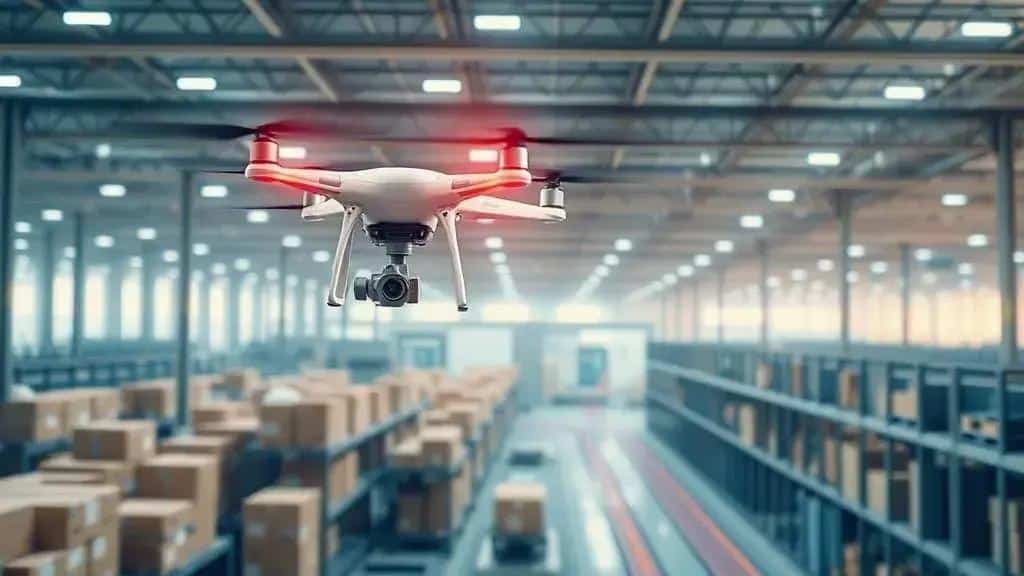
Today’s customers expect quick delivery and transparency. Innovations like drone delivery and mobile apps for tracking orders cater to these demands. By understanding and responding to customer needs, logistics companies can enhance their service quality.
Additionally, the implementation of artificial intelligence in logistics improves efficiency. AI models analyze data, predict trends, and automate tedious tasks. This allows human workers to focus on strategic decisions while technology handles repetitive functions.
In conclusion, understanding the importance of innovation in logistics is vital for businesses aiming to thrive in a rapidly evolving market. Innovation not only enhances operational efficiency but also meets the changing demands of consumers, ensuring that companies remain relevant and competitive.
Key technologies driving supply chain transformation
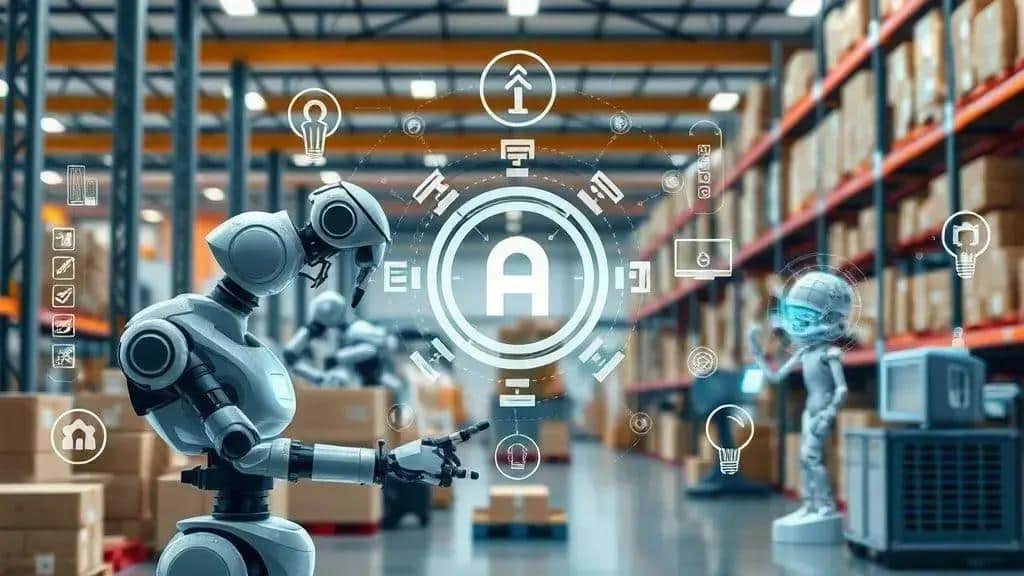
Many technologies are reshaping the supply chain landscape. These advancements are not only enhancing efficiency but are also improving customer satisfaction. By incorporating modern solutions, companies can streamline their operations significantly.
Automation and Robotics
Automation is at the core of the supply chain transformation. With robots fulfilling tasks like inventory management and order processing, businesses can reduce human error and speed up their workflows. The use of automated systems allows for 24/7 operations, which leads to faster turnaround times.
- Increased order accuracy
- Reduction of labor costs
- Enhanced operational speed
Moreover, robotics in logistics enables companies to handle peaks in demand without the need for additional labor. As the industry evolves, these technologies will continue to play a crucial role in tackling challenges.
Internet of Things (IoT)
The Internet of Things is transforming how businesses monitor their inventory and transportation systems. By using connected devices, companies can track goods in real-time. This visibility reduces the chances of theft and loss while optimizing routes for delivery. Real-time data helps in decision-making, which leads to better resource management and reduced waste.
Additionally, sensors and RFID technology contribute significantly to data collection. As assets are monitored, organizations gain insights that can drive improvements. This may involve adjusting inventory levels or enhancing supplier relationships based on performance metrics.
Artificial Intelligence and Machine Learning
Implementing artificial intelligence (AI) and machine learning can revolutionize supply chain processes. AI analyzes vast amounts of data to predict trends and improve forecasting. This technology helps companies adjust their strategies proactively rather than reactively, resulting in better inventory management.
Through predictive analytics, businesses can better anticipate customer demand, reduce stockouts, and improve overall efficiency. Ultimately, AI and machine learning are pivotal in creating agile, responsive supply chains that can adapt to market changes effectively.
By understanding and leveraging these key technologies, companies can not only enhance their supply chain operations but also stay competitive in an ever-evolving market.
Real-world examples of logistics innovation
Real-world examples of logistics innovation demonstrate how companies adopt new technologies to enhance their operations. These innovations help businesses stay competitive and improve customer satisfaction with faster and more efficient services.
Amazon’s Use of Robotics
One striking example is Amazon’s integration of robotics in their warehouses. By using robots to pick and pack items, Amazon significantly reduces processing time. This automation allows them to fulfill orders quickly, meeting the growing demand for same-day delivery.
- Robots work alongside human workers to enhance productivity.
- Automated sorting systems minimize errors in package handling.
- This innovation leads to cost savings and efficiency improvements.
Such advancements showcase how technology can streamline logistics while maintaining accuracy.
Walmart’s Supply Chain Collaboration
Walmart also stands out as a leader in logistics innovation. The company has developed a state-of-the-art supply chain system that emphasizes collaboration with suppliers. By sharing real-time data, Walmart ensures that inventory levels are optimized across all locations.
This collaboration allows for better forecasting and minimizes stockouts, leading to improved customer experiences. The success of this system illustrates how partnerships can enhance efficiency in the supply chain.
DHL’s Green Initiatives
DHL has embraced sustainability as part of their logistics strategy. They have implemented green initiatives like electric delivery vehicles and optimized routing to reduce carbon emissions. These efforts not only improve environmental impact but also resonate with eco-conscious consumers.
Such initiatives demonstrate that innovation in logistics doesn’t always need to focus solely on efficiency; it can also address social responsibility and sustainability.
By looking at these real-world examples, it’s clear that logistics innovation is driving significant change across industries, enhancing efficiency while focusing on customer satisfaction and sustainability.
Challenges and solutions in modern supply chains
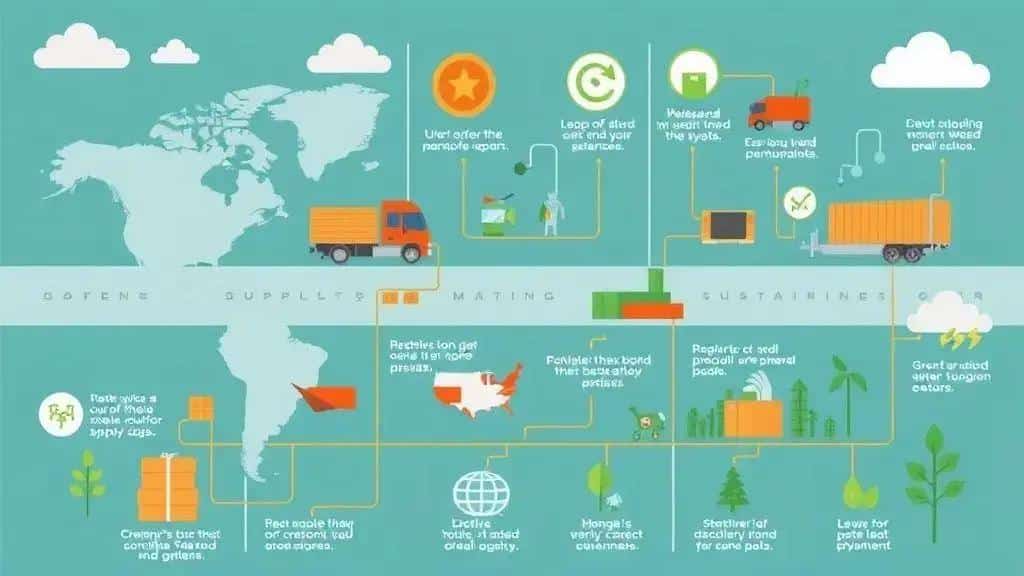
Modern supply chains face several challenges that can affect performance and profitability. Understanding these challenges helps organizations find effective solutions to overcome them.
Globalization and Complexity
Globalization has expanded markets but also increased complexity. Companies now manage suppliers, regulations, and logistics across multiple countries. This can lead to delays and higher costs if not properly managed. To tackle this, businesses must invest in technology that enhances visibility across the supply chain.
- Implementing real-time tracking systems
- Using centralized data platforms
- Streamlining communication channels
Such measures can help organizations respond to issues quickly and maintain efficiency.
Disruptions and Risks
Another significant challenge is the risk of disruptions, whether from natural disasters, political unrest, or pandemics. These events can severely impact supply chains, causing delays and inventory shortages. To mitigate these risks, companies should develop comprehensive contingency plans and diversify their supplier networks.
This means not relying solely on one supplier or region, which can create vulnerabilities. By having multiple suppliers, businesses can better withstand disruptions and ensure continuity of operations.
Sustainability Pressure
Increasingly, consumers demand sustainable practices in logistics. Companies now face pressure to minimize their environmental impact while still operating efficiently. Addressing this challenge involves adopting green practices, such as optimizing transportation routes and reducing packaging waste.
Investing in sustainable technologies, like electric vehicles and renewable energy sources, is essential. Such initiatives not only help organizations meet regulatory requirements but also appeal to environmentally aware customers.
By being aware of these challenges and implementing solutions, companies can create more resilient and efficient supply chains, ensuring long-term success.
FAQ – Frequently Asked Questions about Logistics and Supply Chain Innovation
What are the main challenges faced by modern supply chains?
Modern supply chains face challenges like globalization, disruptions from natural disasters, and increasing sustainability demands.
How can technology improve logistics efficiency?
Technology, such as robotics and AI, automates processes, reduces errors, and enhances tracking and forecasting within logistics.
Why is sustainability important in logistics?
Sustainability is crucial as consumers increasingly prefer eco-friendly practices, which also help reduce costs and meet regulations.
What strategies can help mitigate supply chain risks?
Diversifying suppliers, developing contingency plans, and investing in real-time monitoring can help mitigate risks in supply chains.